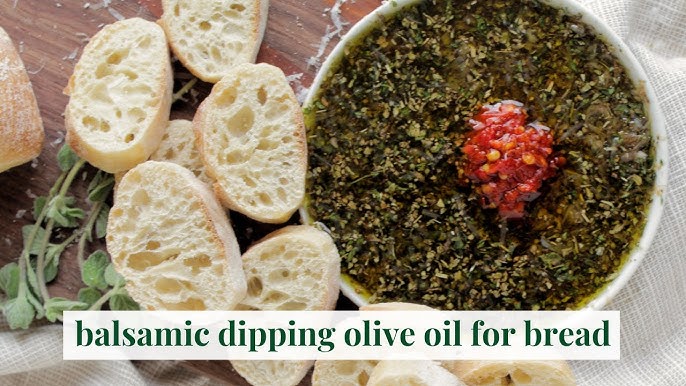
Bread Dipping Oil Recipe: Bread dipping oil is one of those little culinary luxuries that can instantly make any meal feel special. Imagine sitting down at a rustic wooden table, a loaf of warm, crusty bread in front of you, and a small dish filled with golden olive oil speckled with herbs, spices, and perhaps a drizzle of balsamic vinegar. You tear off a piece of bread, dip it into the oil, and take a bite—suddenly, you’re transported to an Italian countryside villa. That’s the magic of bread dipping oil.
At its core, bread dipping oil is a simple blend of high-quality olive oil with herbs, spices, and seasonings. But the beauty lies in its versatility—you can make it garlicky, spicy, zesty, or even sweet. It’s a crowd-pleaser at dinner parties, a romantic touch for a date night, and a quick fix when you want to elevate a casual snack.
In this step-by-step guide, we’ll break down everything you need to know: the best ingredients, the tools you’ll need, exact preparation steps, tips for storing, and creative variations that will make your dipping oil unforgettable. By the end, you won’t just have a recipe—you’ll have a whole repertoire of bread dipping oil ideas to suit every occasion.
Why Bread Dipping Oil is Loved Worldwide
There’s a reason bread dipping oil is served in countless Italian restaurants and bistros across the globe—it’s universally appealing. The combination of smooth, fruity olive oil with savory herbs and spices is a harmony of flavors that appeals to almost every palate. It also requires minimal effort but offers maximum impact. You can prepare it in minutes, and it instantly makes guests feel welcome.
Culturally, bread and olive oil go back thousands of years. In Mediterranean cuisine, it’s not just food—it’s tradition. Families gather around the table, sharing bread and oil before the main meal, encouraging conversation and connection. Beyond Italy, variations of bread dipping oil can be found in Spain, Greece, the Middle East, and even modern American kitchens.
Part of its charm lies in the sensory experience: the golden sheen of the oil, the aroma of herbs, the crunch of freshly baked bread, and the satisfying mouthfeel of each bite. It’s not just eating—it’s a ritual.
A Brief History of Bread Dipping Oil
While dipping bread in oil may seem like a modern restaurant trend, the practice has ancient roots. Olive oil has been a staple in the Mediterranean diet for over 4,000 years. Ancient Greeks and Romans not only cooked with it but also consumed it raw with bread as a simple yet nutritious meal.
In Italy, “olio e pane” (oil and bread) was often enjoyed by farmers and laborers who needed a quick, nourishing lunch. The oil provided healthy fats and flavor, while bread offered energy-rich carbohydrates. Over time, herbs and spices were added to enhance the taste, creating the flavorful dipping oils we know today.
The concept gained popularity in North America in the late 20th century, when Italian-American restaurants began offering seasoned olive oil as an appetizer instead of butter. From there, it became a beloved staple in home kitchens, evolving into countless creative variations.
Essential Ingredients for Bread Dipping Oil
The magic of bread dipping oil lies in its ingredients. Even though the recipe is simple, each component plays a crucial role in the final flavor. You can make a dipping oil with as few as two ingredients—olive oil and salt—but for a truly memorable experience, you’ll want to use a blend of herbs, spices, and other flavor enhancers.
Choosing the Right Olive Oil
Your choice of olive oil will make or break your bread dipping oil. The best results come from extra virgin olive oil—it’s unrefined, cold-pressed, and packed with flavor and nutrients. Look for oil that’s golden-green in color, with a fresh, slightly fruity aroma.
Here are a few tips for picking the right one:
- Go for freshness – Olive oil has a shelf life, so check the harvest or bottling date.
- Choose the right origin – Oils from Italy, Greece, and Spain are classic choices, but there are excellent options from California and Australia as well.
- Flavor profile matters – Some oils are mild and buttery, while others are peppery and bold. Choose based on your preferred taste.
If you want to experiment, you can also blend olive oil with other oils, such as avocado or walnut oil, for unique flavor twists.
Fresh Herbs vs. Dried Herbs
Herbs are the heart of bread dipping oil, bringing fragrance and freshness. You can use fresh, dried, or a combination of both, depending on availability and desired flavor.
- Fresh Herbs – Basil, parsley, cilantro, oregano, rosemary, and thyme are excellent choices. Fresh herbs offer a bright, vibrant taste but should be used promptly to avoid spoilage.
- Dried Herbs – These are more concentrated in flavor and last longer. Dried oregano, thyme, rosemary, and Italian seasoning blends work well.
Pro tip: If using fresh herbs, chop them finely so their oils mix into the olive oil. If using dried herbs, crush them slightly with your fingers to release their aroma before adding them in.
Spices and Flavor Boosters
While herbs set the tone, spices and other add-ins take your dipping oil to the next level:
- Garlic – Fresh minced garlic or roasted garlic adds depth.
- Chili Flakes – For a spicy kick.
- Black Pepper – Freshly cracked pepper is best.
- Balsamic Vinegar – Adds sweetness and tang.
- Sea Salt or Flaky Salt – Enhances all other flavors.
You can also experiment with lemon zest, sun-dried tomatoes, crushed nuts, or even a dash of truffle oil for a gourmet touch.
Tools and Equipment You’ll Need
Bread dipping oil doesn’t require fancy kitchen gadgets, but having the right tools can make preparation easier and enhance presentation.
Bowls and Serving Dishes
A shallow, wide dish is ideal for serving bread dipping oil—it allows for easy dipping and showcases the beautiful herbs and oil. Ceramic, glass, or wooden bowls all work well.
Measuring Tools
Even though you can prepare dipping oil by “eyeballing” amounts, using measuring spoons ensures consistent flavor every time. A small whisk or spoon is also handy for mixing.
Optional Gadgets for Enhanced Flavor
If you want to get fancy, consider these tools:
- Garlic press – For quick, fine garlic paste.
- Herb scissors – For evenly chopping fresh herbs.
- Mortar and pestle – For crushing herbs and spices to release their natural oils.
Step-by-Step Bread Dipping Oil Recipe
This is where the fun begins. Making bread dipping oil is quick and easy, but taking the right steps ensures maximum flavor.
Step 1 – Preparing the Olive Oil Base
Start by pouring your extra virgin olive oil into a serving dish—about half a cup for a small gathering, or more if serving a large group. The oil should be at room temperature to allow its natural aroma to shine.
Step 2 – Adding the Herbs and Spices
Sprinkle in your chosen herbs and spices. For a classic blend, try:
- 1 tsp dried oregano
- 1 tsp dried basil
- ½ tsp crushed red pepper flakes
- 1 minced garlic clove
- A pinch of flaky sea salt
Step 3 – Mixing and Letting the Flavors Infuse
Mix everything gently and let the oil sit for at least 15 minutes before serving. This resting time allows the herbs and spices to release their oils into the olive oil, intensifying the flavor.
Step 4 – Serving Suggestions
Serve alongside freshly baked bread—preferably warm. Slice the bread into thick pieces so it can soak up the oil without falling apart. You can also add a drizzle of balsamic vinegar on top for a richer flavor.
Best Types of Bread to Serve with Dipping Oil
While almost any bread can be used, some varieties shine when paired with olive oil:
Artisan Breads
Handcrafted loaves with rustic textures, like ciabatta or sourdough, are perfect. Their chewy interiors and crispy crusts create the ideal dipping experience.
Crusty Breads
French baguettes, Italian pane, and batards provide that satisfying crunch while still absorbing oil beautifully.
Soft Breads
Focaccia and brioche offer a softer, richer mouthfeel that pairs wonderfully with herb-infused oils.
Flavor Variations to Try
One of the most exciting aspects of making bread dipping oil is how easily you can switch things up. By altering just a few ingredients, you can completely transform the flavor profile to suit any mood or occasion. Let’s explore some tried-and-true variations that will have your guests begging for your “secret recipe.”
Spicy Bread Dipping Oil
If you like a little heat in your appetizers, this is your go-to. Start with your standard olive oil base and add:
- 1 tsp crushed red pepper flakes
- ½ tsp paprika (smoked paprika for an extra kick)
- A pinch of cayenne pepper
- Minced garlic for depth
This combination creates a warm, lingering heat without overpowering the oil’s natural richness. Serve it with a hearty bread like ciabatta to stand up to the spice.
Garlic Parmesan Dipping Oil
For a rich, savory twist, blend these into your olive oil:
- 1 minced garlic clove (or roasted garlic for milder sweetness)
- 2 tbsp finely grated Parmesan cheese
- ½ tsp dried oregano
- Fresh parsley for garnish
This version is irresistible with warm, crusty baguette slices—it’s almost like dipping into liquid garlic bread.
Balsamic-Infused Dipping Oil
For a more sophisticated, tangy option, drizzle 1–2 tbsp of balsamic vinegar into your olive oil and swirl it gently. Add:
- Dried basil
- Freshly cracked black pepper
- A sprinkle of sea salt
The vinegar adds a fruity sweetness that balances the savory notes of the herbs, making it a perfect pairing for focaccia or sourdough.
Health Benefits of Bread Dipping Oil
Many people assume that dipping bread in oil is indulgent, but in moderation, it can actually be a healthy addition to your diet—especially when you choose high-quality ingredients.
Nutritional Value of Olive Oil
Extra virgin olive oil is rich in monounsaturated fats, which support heart health by lowering bad cholesterol levels. It also contains polyphenols, natural plant compounds that have anti-inflammatory and antioxidant effects. In fact, studies have linked regular olive oil consumption to reduced risks of stroke and cardiovascular disease.
Antioxidants from Herbs and Spices
The herbs and spices you add aren’t just for flavor—they’re nutritional powerhouses. Garlic has antibacterial properties, rosemary and oregano are rich in antioxidants, and chili flakes can boost metabolism. Even black pepper aids digestion by stimulating digestive enzymes.
When you combine these ingredients, you’re creating more than just a tasty dip—you’re serving up a dose of wellness in every bite.
Common Mistakes to Avoid
Even though bread dipping oil is simple, a few common missteps can keep it from reaching its full potential.
Overpowering the Olive Oil Flavor
Your herbs and spices should enhance the olive oil, not bury it. Using too much garlic, vinegar, or salt can overshadow the oil’s natural character. Always taste as you go.
Not Letting the Flavors Infuse
A quick stir and serve might seem tempting, but letting your oil rest for at least 15–30 minutes before serving will yield a far richer, more balanced flavor. The herbs and spices need time to release their aromatic oils into the olive oil.
Choosing the Wrong Bread
A soft white sandwich loaf might be delicious for toast, but it won’t hold up well for dipping oil. Choose bread with a bit of chew and structure so it can soak up the oil without turning mushy.
Storing Your Bread Dipping Oil
Making bread dipping oil ahead of time is possible, but you’ll need to store it properly to maintain freshness and prevent spoilage.
Refrigeration Tips
If your dipping oil contains fresh herbs or garlic, it’s best to store it in the fridge in an airtight container for up to 3–4 days. Keep in mind that olive oil solidifies when chilled—just take it out 30 minutes before serving so it returns to its liquid state.
Shelf Life and Safety Considerations
Plain herb-infused oil (with dried herbs only) can last up to 2 weeks when stored in a cool, dark place. Avoid storing fresh garlic in oil at room temperature for extended periods, as this can create a risk of botulism.
Pairing Bread Dipping Oil with Meals
While bread dipping oil shines as an appetizer, it’s also incredibly versatile as part of a larger meal.
As a Starter
Serve it with fresh bread at the start of a dinner party to set a warm, welcoming tone. Pair with olives, cured meats, and cheese for an instant Mediterranean vibe.
Alongside Pasta and Salads
Use the oil as a drizzle over pasta dishes, or toss it with salad greens for a quick dressing. The herbs and seasonings will add depth to even the simplest side dish.
With Cheese Boards
Bread dipping oil pairs beautifully with cheese boards, especially when combined with aged cheeses like Manchego, Asiago, or sharp Cheddar. The oil helps balance out the saltiness of the cheese while adding a lush mouthfeel.
Bread Dipping Oil for Special Occasions
Bread dipping oil isn’t just for casual weeknight dinners—it can be elevated for special moments, adding a personal and gourmet touch to gatherings. By thoughtfully choosing your ingredients and presentation, you can make it the star of the table.
Romantic Dinner Settings
Imagine setting a candlelit table with soft music playing in the background. A rustic loaf of bread sits on a wooden board, alongside a small dish of fragrant olive oil infused with garlic, fresh rosemary, and a drizzle of golden honey. The combination of savory and sweet, paired with warm bread, creates a comforting yet elegant appetizer for two. For an added romantic flair, serve the dipping oil in a small heart-shaped dish.
Holiday Parties
During the festive season, bread dipping oil can serve as an interactive appetizer that gets people talking. Offer multiple variations—perhaps a spicy chili oil, a balsamic and herb blend, and a creamy garlic Parmesan version. Arrange the bowls in a decorative tray surrounded by an assortment of sliced breads, breadsticks, and crackers. This not only adds variety but also caters to different taste preferences among your guests.
Casual Gatherings
Even for a relaxed get-together with friends, bread dipping oil can shine. Serve it alongside charcuterie boards, roasted vegetables, or even grilled meats. You can pre-make a large batch in a bottle and let guests pour their own portions. It’s fuss-free but still feels indulgent.
Making Bread Dipping Oil Ahead of Time
If you’re hosting or simply want a quick appetizer ready to go, preparing your bread dipping oil in advance can be a real time-saver—provided you do it right.
Time-Saving Tips
- Pre-measure herbs and spices – Store them in a small jar so you just need to add olive oil before serving.
- Use dried herbs for longer storage – They maintain flavor better over time compared to fresh herbs.
- Make a concentrated base – Mix herbs, spices, and a small amount of oil, store it in the fridge, and dilute with fresh oil before serving.
Keeping the Freshness
When storing in the refrigerator, cover your container tightly to prevent the oil from absorbing odors from other foods. If using fresh garlic or herbs, consume within a few days. For dried herb blends, you can safely prepare them up to two weeks ahead, provided they are stored in a cool, dark pantry.
Gluten-Free Bread Options for Dipping Oil
For those who avoid gluten, bread dipping oil can still be a delicious treat—you just need the right bread alternative.
Gluten-Free Artisan Loaves
Bakeries and grocery stores now offer a variety of gluten-free breads that mimic the texture of traditional loaves. Look for options made with sorghum, teff, or millet flour for a rich, hearty flavor that pairs well with olive oil.
Rice Flour Bread Variations
Rice flour breads tend to be lighter in texture, making them a great choice for dipping. Toasting them slightly before serving helps them hold up better when dipped in oil and enhances their nutty flavor.
Homemade vs. Store-Bought Dipping Oil
While it’s tempting to grab a pre-made bottle from the store, there’s a big difference between homemade and store-bought when it comes to freshness and flavor.
Taste Comparison
Homemade bread dipping oil is brighter, fresher, and more customizable. You control the balance of herbs, spices, and vinegar, tailoring it exactly to your taste. Store-bought versions often contain preservatives and may use lower-quality oils, which can dull the flavor.
Cost Effectiveness
Making your own dipping oil can also be more budget-friendly. Once you invest in a good bottle of olive oil and a few basic herbs, you can make multiple batches at a fraction of the price of pre-made bottles.
FAQs about Bread Dipping Oil Recipe
Q1: Can I use other oils besides olive oil?
Yes, avocado oil, walnut oil, or even sesame oil can be used, though the flavor will change significantly.
Q2: How long can I store bread dipping oil?
If it contains fresh garlic or herbs, up to 3–4 days in the fridge. For dried herbs only, up to 2 weeks in a cool, dark place.
Q3: What bread is best for dipping?
Rustic, crusty breads like sourdough, ciabatta, or baguettes work best.
Q4: Can I make it without garlic?
Absolutely—omit garlic and enhance the flavor with more herbs or a splash of citrus zest.
Q5: How can I make it spicy?
Add crushed red pepper flakes, cayenne pepper, or even a splash of chili oil for extra heat.
Conclusion
Bread dipping oil is more than just an appetizer—it’s an experience. It brings people together, encourages conversation, and sets the tone for a meal. Whether you’re making a classic herb and garlic blend or experimenting with bold new flavors, the key is to start with quality ingredients and balance your flavors. With this guide, you now have the knowledge to create a dipping oil that can turn a simple loaf of bread into a memorable culinary moment.