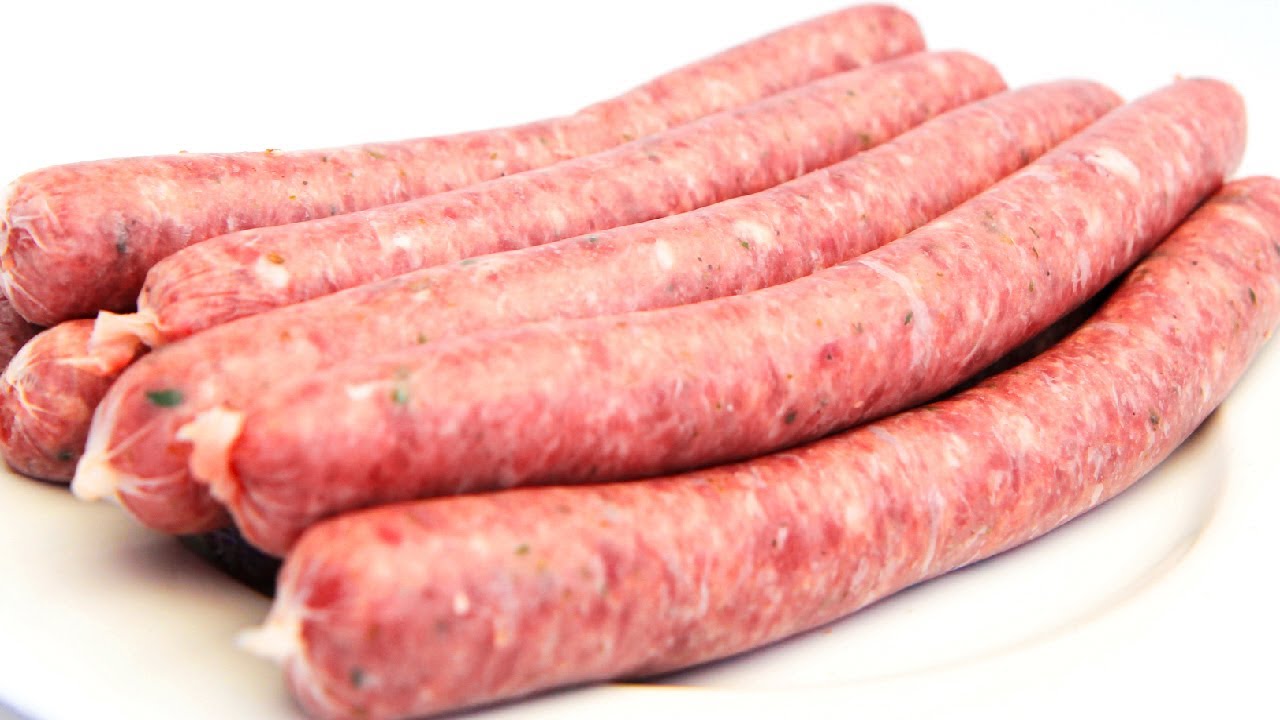
Brats Sausage Recipe: Bratwurst, often lovingly called “brats,” is a type of German sausage that has gained worldwide popularity. Traditionally made from pork, veal, or beef, bratwurst is seasoned with a blend of spices that can include nutmeg, marjoram, ginger, and white pepper. The word “Bratwurst” comes from the Old High German words “brät” (meaning finely chopped meat) and “wurst” (meaning sausage). These sausages are usually sold fresh rather than pre-cooked, which means they require thorough cooking before eating.
The beauty of bratwurst lies in its versatility — it can be grilled, boiled in beer, baked, or pan-fried. From backyard barbecues to Oktoberfest celebrations, brats are a crowd-pleaser. The flavor is rich yet balanced, with a subtle spice profile that makes them perfect for pairing with a variety of condiments and sides.
A Brief History of Brats
Bratwurst dates back to as early as the 14th century in Germany. Various regions developed their own recipes, resulting in hundreds of variations. For example, the Nürnberger bratwurst is thinner and shorter, while the Thüringer bratwurst is longer and spicier. German immigrants brought their cherished recipes to America in the 19th century, where brats became a staple in places like Wisconsin. Today, you can find brats at sporting events, fairs, and in home kitchens all over the world.
Why Brats Are Loved Worldwide
Why do brats have such universal appeal? It’s a combination of flavor, tradition, and social experience. Brats have a rich, savory taste with a juicy bite that feels indulgent yet familiar. They’re also tied to fun events — from Oktoberfest beer tents to summer cookouts. Plus, brats are easy to customize. You can make them spicy, smoky, cheesy, or even vegetarian. This adaptability means they fit into nearly any cuisine and cultural tradition.
Ingredients You’ll Need
Main Ingredients for Bratwurst
For a traditional homemade bratwurst recipe, you’ll need:
- Pork shoulder or pork butt – about 2 lbs, for flavor and fat content
- Veal or beef – about 1 lb, for added richness
- Fresh garlic – minced, for aromatic depth
- Onion powder – for sweetness and savoriness
- Ground white pepper – for a mild spice kick
- Ground nutmeg – for warmth
- Marjoram – the signature bratwurst herb
- Salt – to bring out the flavors
- Ice water – to help bind the meat mixture
Optional Seasonings and Variations
Brats are highly customizable. Some variations include:
- Smoked paprika for a deeper, smoky flavor
- Cheddar cheese chunks for “cheddar brats”
- Chili flakes for heat lovers
- Fresh parsley for a herby freshness
- Beer mixed directly into the meat blend for a malty undertone
Choosing the Right Sausage Casing
Natural casings, made from cleaned animal intestines (usually pork), are the traditional choice. They provide a natural snap when bitten into. Collagen casings are another option, offering convenience and uniformity. Whichever you choose, make sure they’re properly soaked and rinsed before stuffing to avoid toughness.
Essential Equipment for Making Brats
Kitchen Tools You’ll Need
Making bratwurst from scratch isn’t complicated, but it does require a few tools:
- Meat grinder – essential for achieving the right texture
- Sausage stuffer – for even, air-free filling
- Mixing bowls – for blending meat and seasonings
- Sharp knives – for trimming meat
- Cutting board – to keep prep organized
Meat Grinder and Sausage Stuffer Tips
If you’re serious about making brats, invest in a quality meat grinder. A coarse grind is best for bratwurst — too fine, and you lose the juicy bite. Keep your grinder parts cold before grinding to prevent fat from smearing. For stuffing, work slowly and steadily. Overfilling can cause casings to burst, while underfilling will make limp sausages.
How to Prepare Your Equipment for Best Results
Before starting, sanitize all your equipment thoroughly. Chill your grinder plates, blades, and bowls in the freezer for about 30 minutes. This helps maintain meat quality and prevents bacterial growth. If you’re using natural casings, soak them in warm water for at least 30 minutes, then flush them with cold water to remove excess salt.
Preparing the Meat for Bratwurst
Choosing the Right Meat Cuts
For juicy, flavorful brats, the fat-to-lean ratio is key. Aim for about 70% lean meat and 30% fat. Pork shoulder or butt is ideal because it has the right balance naturally. If you’re adding veal or beef, choose cuts like beef chuck or veal shoulder.
How to Grind Meat Properly
Start by cutting the meat into small cubes (about 1–2 inches). This makes grinding easier and more consistent. Pass the meat through a coarse grinding plate first. For a finer texture, you can grind it twice — but don’t overdo it, as too fine a grind can make brats mushy.
Mixing the Meat with Spices for the Perfect Flavor
Once ground, place the meat in a large mixing bowl. Add your spices and ice water, then mix with your hands until the mixture becomes sticky and binds together. This ensures that the seasonings are evenly distributed and the proteins develop a good structure for stuffing.
Stuffing and Shaping the Sausages
Prepping the Casing
Drain and rinse the soaked casing. Place one end over the nozzle of your sausage stuffer and gently push the rest onto the tube like a long sock. Leave a few inches hanging off the end to tie off later.
Stuffing the Bratwurst Without Air Pockets
Feed the meat mixture into the stuffer slowly, guiding the casing as it fills. Use one hand to control the flow and another to shape the sausage. Keep the casing taut but not overstretched. Air pockets can be pricked with a sterilized needle.
Twisting and Shaping Brats Like a Pro
Once you have a long filled casing, twist it into individual sausages about 6 inches long. Alternate twisting directions to keep them from unraveling. Tie off the ends, and you’re ready to cook or store your brats.
Cooking Bratwurst – Multiple Methods
Boiling Brats in Beer for Extra Flavor
One of the most iconic ways to cook bratwurst—especially in the American Midwest—is to simmer them in beer before grilling. This method infuses the sausages with a rich, malty flavor while keeping them incredibly juicy. To do this, place your brats in a deep skillet or saucepan and pour in enough beer to cover them (a lager or pilsner works best). Add sliced onions, garlic, and even a knob of butter for an extra layer of flavor.
Bring the liquid to a gentle simmer—never a rapid boil—because boiling too hard can cause the casings to split and the flavorful juices to escape. Let the brats cook for about 15–20 minutes until they are fully cooked through. At this point, you can eat them as-is or finish them on the grill for that irresistible charred exterior.
Grilling Brats to Perfection
Grilling is perhaps the most beloved way to enjoy brats, giving them a smoky aroma and crispy skin. Preheat your grill to medium heat and lightly oil the grates to prevent sticking. Place the brats on the grill and cook for 15–20 minutes, turning occasionally so they brown evenly. If you’ve pre-cooked them in beer, you only need about 5–7 minutes to develop the perfect char.
Avoid piercing the sausages with a fork, as this will release their juices. Instead, use tongs to turn them. For an added burst of flavor, brush the brats with beer or melted butter as they grill. This not only enhances taste but also helps maintain moisture.
Pan-Frying and Oven-Baking Brats
If you don’t have a grill, no problem—brats cook beautifully in a skillet or the oven. For pan-frying, heat a little oil in a skillet over medium heat. Add the brats and cook, turning regularly, until all sides are golden brown. You can add a splash of beer or broth to the pan, cover with a lid, and let them steam for extra juiciness.
For oven-baking, preheat to 375°F (190°C), place the brats on a baking sheet lined with parchment, and bake for 20–25 minutes, turning halfway through. This method is convenient if you’re cooking for a crowd because you can cook many sausages at once without having to hover over them.
Serving Suggestions for Bratwurst
Best Side Dishes for Brats
Bratwurst is incredibly versatile and pairs beautifully with a variety of sides. For a German-style meal, serve them with sauerkraut, warm potato salad, or spaetzle. For a more American twist, pair brats with coleslaw, baked beans, or roasted corn on the cob. A fresh green salad can also balance out the richness of the sausage.
Sauces and Condiments to Enhance the Taste
Mustard is the classic go-to condiment for brats, with spicy brown or Dijon being top choices. You can also try beer cheese sauce, caramelized onions, or even barbecue sauce for a smoky sweetness. For a tangy kick, top them with pickled jalapeños or a tangy relish.
Creative Ways to Serve Bratwurst
While brats in a bun are a classic, there are many creative serving options. Slice cooked brats and toss them into pasta, stews, or casseroles. Add them to a breakfast hash with eggs and potatoes. Or serve them sliced on a charcuterie board with cheeses, pickles, and bread for a rustic appetizer spread.
Storing and Reheating Bratwurst
How to Store Fresh Brats
If you’re not cooking your brats right away, store them in an airtight container in the fridge for up to two days. Make sure they’re kept cold at all times to maintain freshness and prevent bacterial growth.
Best Practices for Freezing
Bratwurst freezes well, whether raw or cooked. Wrap each brat individually in plastic wrap and then store them in a freezer-safe bag to prevent freezer burn. They can be frozen for up to three months. When ready to use, thaw in the refrigerator overnight.
How to Reheat Without Losing Flavor
To reheat cooked brats, avoid microwaving them for long periods, as this can dry them out. Instead, gently warm them in a skillet over medium-low heat with a splash of beer or broth. You can also wrap them in foil and reheat in a 300°F (150°C) oven until hot.
Common Mistakes When Making Brats
Overstuffing or Understuffing Casings
When stuffing brats, the goal is a plump but not bursting sausage. Overstuffing causes the casing to split during cooking, while understuffing can result in limp sausages that lack structure. Practice and patience are key here.
Choosing the Wrong Meat Ratio
Brats rely on fat for their juicy texture. Choosing too lean a meat cut can result in a dry, crumbly sausage. The ideal fat-to-meat ratio is about 30% fat to 70% lean meat.
Cooking Brats Too Fast
High heat can cause the casing to burst and the juices to escape. Whether grilling, pan-frying, or baking, always cook brats at a moderate temperature, allowing the heat to penetrate slowly and evenly.
Healthier Alternatives and Dietary Modifications
Lean Meat Options
If you love brats but want to make them a little lighter, try using leaner cuts of meat. Chicken or turkey thigh meat can replace pork while still providing enough fat for juiciness. Mixing lean meat with just a small amount of pork fat also helps maintain texture without going overboard on calories. You can even blend lean beef with chicken for a hearty yet lighter sausage.
Another great trick is adding finely chopped vegetables—like mushrooms, spinach, or zucchini—into the meat mix. This not only boosts nutrition but also helps keep the sausage moist. The flavor stays satisfying, but you cut down on the total fat content.
Gluten-Free Bratwurst
Most homemade brat recipes are naturally gluten-free if you avoid fillers like breadcrumbs. However, some store-bought brats may contain wheat-based additives, so always check labels. If you want to add a binder for texture in your gluten-free brats, you can use potato starch, rice flour, or even ground flaxseed. Serve them with gluten-free buns or lettuce wraps for a 100% gluten-free meal.
Vegan and Plant-Based Brat Recipes
Believe it or not, you can make delicious bratwurst without any meat. Plant-based proteins like textured vegetable protein (TVP), seitan, or pea protein can mimic the texture of traditional brats. Season them with the same spices—marjoram, nutmeg, garlic, and pepper—to get that authentic brat flavor. Coconut oil or plant-based butter can be added for juiciness. Many grocery stores now offer ready-made vegan brats that grill beautifully, making it easy for everyone to enjoy this classic.
Bratwurst Around the World
German-Style Brats
In Germany, bratwurst is more than just food—it’s a cultural icon. The country boasts over 40 different types, each tied to a specific region. Nürnberger brats are small and skinny, usually served three or four to a bun. Thüringer brats are longer, spicier, and often grilled over charcoal. Bavarian brats might be made with veal and have a milder seasoning.
Authentic German brats are often paired with mustard, sauerkraut, and fresh-baked pretzels. Festivals like Oktoberfest are a perfect place to sample them in their most traditional form.
American Beer Brats
In the U.S., particularly in Wisconsin, beer brats are a summer cookout staple. The process involves simmering the brats in beer with onions before grilling. This method enhances flavor and ensures they stay juicy. Beer brats are usually served in a bun with sauerkraut or grilled onions, often alongside potato salad or chips.
Unique International Variations
Outside Germany and the U.S., brat-style sausages take on exciting twists. In Poland, a similar sausage called “kielbasa” is smoked for deeper flavor. In South Africa, “boerewors” is a coiled sausage made with beef and spices like coriander. Even in Japan, brat-inspired sausages have gained popularity, often served in hot dog buns with sweet teriyaki glaze.
Beer and Beverage Pairings for Brats
Best Beers to Pair with Brats
If you’re going classic, pair brats with a crisp pilsner or a malty Märzen beer. These styles balance the richness of the sausage without overpowering it. Wheat beers, like hefeweizen, also work beautifully, especially with lighter chicken or veal brats.
Non-Alcoholic Drink Options
If you’re not a beer drinker, don’t worry—there are plenty of options. Sparkling water with a slice of lemon can refresh your palate. Apple cider (non-alcoholic) pairs wonderfully with pork brats, offering a sweet contrast. Iced tea with a hint of lemon is another great match.
Seasonal Pairing Ideas
In summer, pair brats with a cold lager or lemonade. In fall, try them with spiced cider or a pumpkin ale. Winter calls for heartier pairings like stout or hot mulled cider, while spring is perfect for fruity beers or floral teas.
Hosting a Bratwurst Feast
Planning the Menu
A great brat feast starts with variety. Offer at least two or three types of brats—classic pork, spicy, and maybe a cheese-stuffed version. Add a mix of sides: sauerkraut, roasted potatoes, coleslaw, and fresh bread rolls. Don’t forget condiments like mustards, relishes, and pickles.
Outdoor BBQ Brat Party Tips
If you’re hosting outdoors, set up a grilling station where guests can watch and smell the brats cooking—it’s part of the fun! Keep cooked brats warm in a foil pan over low heat or in a slow cooker. Offer a cooler of drinks nearby and set up shaded seating for comfort.
Presentation and Serving Ideas
Serve brats on wooden boards with bowls of toppings so guests can customize their own. A “build-your-own brat” bar with buns, sauces, and sides is always a hit. Label each brat type so people know what they’re getting, and include vegetarian options if possible.
FAQs about Brats Sausage Recipe
1. Can I make brats without a sausage stuffer?
Yes, you can shape the meat mixture into patties or skinless sausages and cook them the same way.
2. What’s the best beer for cooking brats?
A mild lager or pilsner works best for a balanced flavor, but you can experiment with ales or stouts for a richer taste.
3. How do I prevent brats from bursting?
Cook them at medium heat and avoid piercing the casing. Pre-simmering in liquid can also help.
4. Can I cook brats straight from frozen?
Yes, but it’s best to thaw them first for even cooking. If cooking from frozen, increase the cooking time.
5. What’s the difference between bratwurst and regular sausage?
Brats are typically made with specific spices like marjoram and nutmeg, and they’re often sold fresh rather than smoked or cured like many other sausages.
Conclusion
Bratwurst is more than just a sausage—it’s a comfort food, a celebration dish, and a versatile recipe that adapts to any culture or taste preference. Whether you enjoy them grilled on a summer afternoon, simmered in beer for a game day feast, or made plant-based for a modern twist, brats are always a crowd-pleaser. By mastering the art of making and cooking bratwurst, you can bring a little piece of culinary tradition into your own kitchen—and share it with everyone you love.