Borax Ant Killer Recipe: Ants are one of the most persistent household pests, and once they find their way inside, they can be frustratingly difficult to remove. The moment you spot one ant on your kitchen counter, you can almost guarantee that many more are on their way. While chemical sprays and commercial traps exist, there’s a natural, budget-friendly solution that has stood the test of time: Borax. This simple, mineral-based compound has been used for decades to control ant infestations effectively.
The beauty of Borax lies in its ability to target ants without requiring strong, unpleasant-smelling chemicals. When combined with a sweet attractant like sugar, Borax lures ants in, allowing them to carry the poisoned bait back to their nest. The process works quietly and efficiently, eradicating the entire colony rather than just the visible ants you see crawling around.
But before we dive into the recipe, it’s important to understand what Borax is, how it works, and why it’s become a go-to choice for natural pest control.
What is Borax?
Borax, also known as sodium borate, is a naturally occurring mineral compound composed of sodium, boron, oxygen, and water. It is commonly used in household cleaning products, laundry boosters, and even as a natural deodorizer. Though it is not a harsh industrial chemical, Borax is still a mild toxin, which is exactly why it’s effective against ants.
It’s important not to confuse Borax with boric acid. While both contain boron and are used in pest control, Borax is a naturally occurring mineral salt, whereas boric acid is a refined chemical derivative. For ant control purposes, Borax works perfectly fine and is often easier to find in local stores.
How Borax Works to Eliminate Ants
Borax doesn’t kill ants instantly. Instead, it acts as a slow-acting poison that interferes with their digestive system. When ants consume food mixed with Borax, they continue their normal behavior for several hours, giving them enough time to return to the nest. There, they share the poisoned bait with other ants, including the queen. This is the key to eliminating the entire colony rather than just the ants in sight.
The process is methodical:
- Bait is placed strategically where ants are active.
- Worker ants consume and carry the mixture back to the nest.
- Ants feed the colony, spreading the poison.
- The queen dies, preventing further reproduction.
This chain reaction ensures long-lasting results, often wiping out colonies within days to a few weeks, depending on the size of the infestation.
Why Choose Borax Over Other Ant Killers
While hardware stores are full of ant-killing products, Borax stands out for several reasons. It’s affordable, easy to prepare at home, and doesn’t require special handling beyond basic safety precautions. Plus, unlike sprays that kill on contact, Borax bait stations work continuously until the colony is gone.
Effectiveness Against Different Ant Species
One of the biggest advantages of Borax is its adaptability. Different ant species are attracted to different types of food. For example:
- Sugar ants love sweet liquids like sugar water or honey.
- Grease ants prefer fatty or oily foods.
- Carpenter ants can be lured with a mix of sugar and protein.
By adjusting the bait recipe, you can target the specific species invading your home. This flexibility makes Borax more versatile than many store-bought products designed for only one type of ant.
Cost-Effectiveness and Availability
Commercial ant killers can be pricey, especially if you need to treat a recurring problem. Borax, on the other hand, is incredibly inexpensive. A single box can last for multiple applications and still cost less than a single package of branded traps.
Another bonus is availability. Borax is often sold in the laundry aisle of supermarkets and big-box stores. This means you can start your ant treatment the same day you notice a problem, rather than waiting for a specialty product to arrive.
Safety Considerations Before Using Borax
Even though Borax is natural, it is not edible and can be harmful if ingested in large amounts by humans or pets. Proper handling and placement are essential to ensure that your ant-killing strategy doesn’t cause unintended harm.
Precautions Around Children and Pets
If you have small children or curious pets, always place Borax baits in areas they cannot reach. This might mean setting bait stations inside small containers with holes big enough for ants but too small for fingers or paws.
Washing hands after handling Borax is also important, as residues can transfer to food or your mouth accidentally. Remember, Borax is toxic when swallowed—it’s safe when used correctly, but still requires common-sense precautions.
Environmental Impact of Borax Use
Borax is generally safer for the environment compared to harsh pesticides, but moderation is key. Avoid overuse, especially outdoors where runoff could carry Borax into soil or water sources. Ants are often beneficial in gardens (aerating soil and controlling other pests), so limit Borax use to areas where ants are truly a nuisance or causing damage.
Essential Ingredients and Tools for the Recipe
Before you start mixing your Borax ant killer, gather all the necessary ingredients and tools. Having everything prepared ensures that the bait is mixed correctly and placed quickly, keeping it fresh and effective.
Choosing the Right Borax Brand
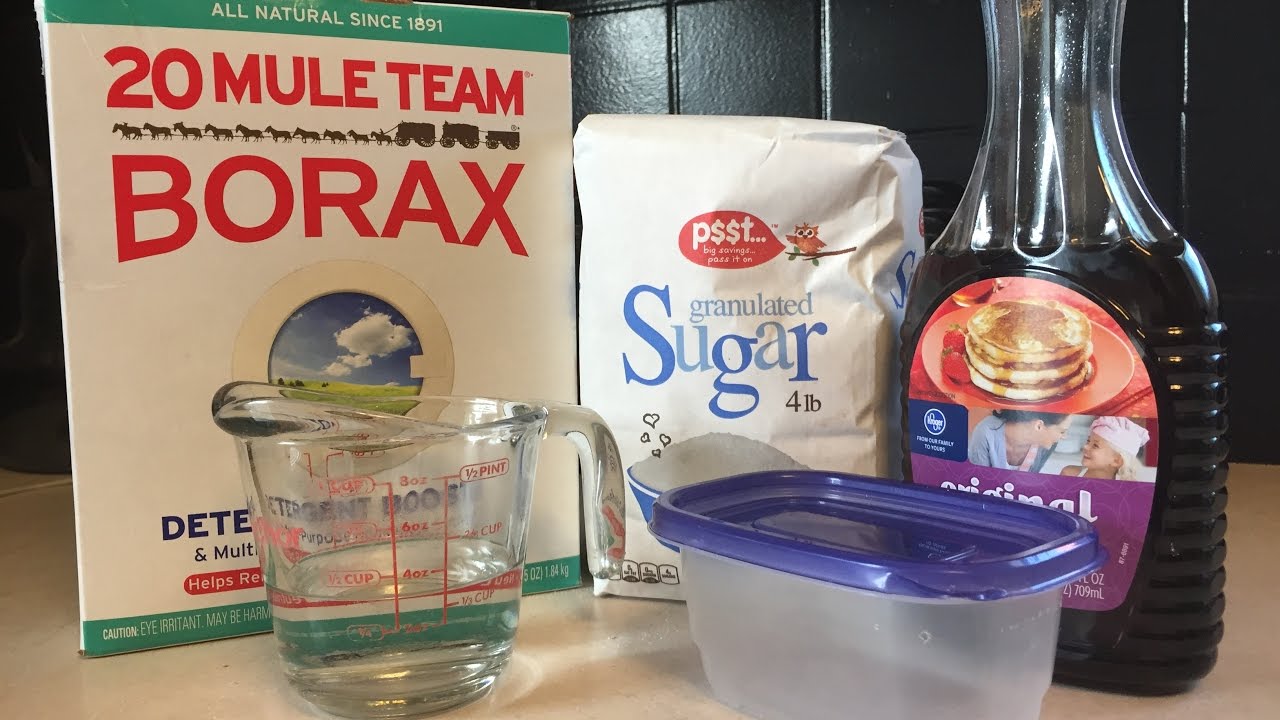
Most commercially available Borax products, such as 20 Mule Team Borax, work perfectly for ant control. There’s no need to buy a pest-control-specific version—the laundry-grade Borax is safe for this purpose.
Other Key Ingredients (Sugar, Water, etc.)
The basic Borax ant killer recipe includes:
- Borax powder – the active ingredient.
- Sugar – acts as a lure for sweet-loving ants.
- Warm water – helps dissolve the sugar and Borax evenly.
Optional ingredients for variations include honey, maple syrup, or peanut butter depending on the ant species you’re targeting.
Tools and Containers Needed
- Measuring spoons for accuracy.
- Mixing bowl to prepare the solution.
- Small lids or bottle caps to hold the bait.
- Plastic containers with holes (optional) for safe placement around pets or kids.
Borax Ant Killer Recipe – Step-by-Step Instructions
Here’s the tried-and-true recipe for a sweet Borax bait that works on most household ants.
Preparing the Borax Mixture
- Mix 1/2 cup sugar with 1 1/2 tablespoons Borax in a small bowl.
- Add 1 1/2 cups warm water and stir until the sugar and Borax dissolve completely.
- Pour the solution into shallow containers or soak cotton balls with the mixture.
This ratio ensures that ants consume enough Borax to be effective, but not so much that they die before returning to the nest.
Setting the Ant Bait Stations
Place the bait-filled caps or containers along visible ant trails—near windowsills, behind appliances, or along baseboards. Keep them out of direct sunlight to prevent evaporation.
Best Placement for Maximum Effect
Ants follow scent trails, so observe where they are entering and exiting. Position bait stations directly in their path. In kitchens, corners near sinks or behind garbage bins are often high-traffic areas.
How to Identify Ant Infestation Before Treatment
Before mixing up your Borax bait, it’s worth confirming whether you’re dealing with a minor ant visit or a full-blown infestation. Treating early can make the process much faster, but if ants have already set up a colony nearby, you’ll need to be thorough in both bait placement and follow-up.
Common Signs of Ant Activity
Ant infestations rarely go unnoticed for long. Here are some tell-tale signs you’re dealing with more than just a stray ant:
- Frequent Sightings – Seeing one or two ants occasionally isn’t unusual, but spotting multiple ants daily—especially in the same locations—means they’ve found a food source.
- Visible Trails – Ants rarely move randomly; they follow scent trails laid down by scouts. If you see a neat line of ants marching in and out of your home, it’s a clear sign of organized activity.
- Food Raids – Open sugar containers, pet food bowls, or crumbs left on the counter often attract ants within hours.
- Nest Activity Outdoors – Small dirt mounds near your foundation, garden, or driveway can indicate ant nests close to your home.
The earlier you notice these signs, the sooner you can set out your Borax bait before the infestation grows.
Locating Ant Trails and Nests
Ants are creatures of habit, which works to your advantage. Spend a few minutes observing them before placing bait. Watch where they come from and where they go—often, their entry points are along baseboards, under door thresholds, or through gaps around windows.
If you’re dealing with outdoor ants that keep finding their way inside, trace them back to their nest. Even if you can’t destroy the nest directly, placing Borax baits along the path between nest and house will ensure they carry the poison home.
How Long It Takes for Borax to Work
One of the most common questions people ask about Borax ant killers is, “How fast will it work?” The answer depends on the size of the colony, the type of ants, and how well you’ve placed your bait.
Timeline of Ant Elimination
Borax is not a quick-kill method—it’s designed for slow, steady success. Here’s a general timeline:
- Day 1–2: Ant activity often increases because more workers are drawn to the bait.
- Day 3–5: You may notice fewer ants as the poison begins to spread through the colony.
- Day 7–10: Significant reduction in visible activity; many ants in the nest have died.
- Two Weeks+: For large colonies, it can take up to two or three weeks to see complete elimination.
It’s normal to see ants at the bait early on—this is a sign it’s working, not failing. Resist the urge to remove the bait prematurely.
Factors That Influence Effectiveness
- Type of Ant: Some species prefer proteins over sugar, so the wrong bait can slow results.
- Bait Placement: If baits are too far from trails, ants may never find them.
- Weather Conditions: Outdoor bait stations may be disrupted by rain or extreme heat.
- Competing Food Sources: If ants have easier access to crumbs or spills, they might ignore the bait.
By controlling these variables, you can speed up the elimination process and ensure your Borax mixture works at full potential.
Alternative Borax Ant Killer Variations
While the sugar-water Borax bait is a proven classic, some ant species respond better to different attractants. Customizing your recipe can help target stubborn infestations.
Using Borax with Honey
Honey works particularly well for sugar-loving ants because it’s sweet, sticky, and aromatic. To make this version:
- Mix 2 tablespoons honey with 1 tablespoon warm water to thin it slightly.
- Stir in 1 tablespoon Borax until evenly combined.
- Place small drops on cardboard pieces or inside bottle caps.
This sticky bait is less likely to dry out quickly, making it a good choice for warm, dry climates.
Using Borax with Peanut Butter for Grease Ants
Some ants—like grease ants and Argentine ants—are more drawn to fats than sugars. For these species:
- Combine 2 tablespoons peanut butter with 1 tablespoon Borax.
- Mix thoroughly until smooth.
- Place in small containers or inside straws cut into short segments.
Because peanut butter is less messy than sugar water, this variation is great for placing in hidden areas like under appliances or inside cabinets.
Common Mistakes to Avoid When Using Borax
Even though Borax baits are simple to make, there are a few common mistakes that can reduce their effectiveness.
Overusing Borax in the Mixture
It’s tempting to think that more Borax means faster results, but if the concentration is too high, ants will detect the poison and avoid it altogether. The key is balance—just enough to kill them after they’ve shared it with the colony, but not so much that it tastes suspicious.
Placing Baits Incorrectly
Baits should always be placed along active trails, not just randomly around the home. Setting them in low-traffic areas means the ants may never encounter them, and the infestation will persist.
Avoid placing bait directly on countertops where food is prepared; instead, tuck it along edges, behind appliances, or in corners where ants enter.
Maintenance and Long-Term Prevention
Killing the ants you see is only half the battle. Long-term success means making your home less attractive to future invaders. Borax bait will wipe out the current colony, but prevention ensures you won’t have to deal with repeat infestations every few months.
Keeping Ants Away After Treatment
Once your Borax bait has done its job, follow these simple steps to keep ants from returning:
- Seal Entry Points – Use caulk to close gaps around windows, doors, and baseboards.
- Store Food Properly – Keep pantry goods in sealed containers and wipe down jars of honey, syrup, and peanut butter to remove sticky residue.
- Maintain Clean Surfaces – Crumbs and spills, even tiny ones, can attract scouts within hours.
- Eliminate Standing Water – Repair leaky faucets and wipe up sink puddles; ants are drawn to water sources as much as food.
By reducing attractants, you make your home a far less appealing target for wandering scout ants.
Regular Home Inspections
Just because you’ve eliminated one colony doesn’t mean others won’t try to move in. Every few weeks, take a quick look around:
- Check exterior walls for new dirt mounds or cracks.
- Inspect your kitchen for stray ants.
- Look under appliances for food debris and signs of insect activity.
If you spot early signs of ant activity, you can set out a small Borax bait station immediately rather than waiting for the problem to grow.
Natural Alternatives if Borax Isn’t Suitable
Borax is safe when used correctly, but there are situations—such as households with very young children or free-roaming pets—where you may prefer to avoid it entirely. In those cases, natural repellents and deterrents can help keep ants away without introducing toxins into your home.
Vinegar Solutions
Ants rely heavily on scent trails to navigate. Vinegar disrupts these trails, making it harder for ants to return to the same spot:
- Mix equal parts white vinegar and water in a spray bottle.
- Spray directly on ant trails, entry points, and surfaces where you’ve seen activity.
- Repeat daily until the ants stop returning.
While vinegar won’t kill ants like Borax does, it can discourage them from entering your home.
Essential Oils for Ant Control
Certain essential oils—especially peppermint, tea tree, and lemon—are natural ant repellents.
To use:
- Add 10–15 drops of essential oil to a cup of water.
- Shake well and spray along windowsills, baseboards, and door frames.
- Refresh every few days as the scent fades.
These oils work best as a preventive measure rather than a solution for large infestations.
FAQs About Borax Ant Killers Recipe
Is Borax Safe for Indoor Use?
Yes—if handled correctly. Keep Borax baits away from children and pets, and place them only in areas where ants travel.
Can Borax Kill Other Insects?
Yes, Borax can also be effective against cockroaches, silverfish, and fleas, but bait recipes and application methods vary.
How Do I Know the Ant Colony is Gone?
When you’ve gone several weeks without seeing ants, including outdoors near the house, it’s likely the colony has been eliminated.
Can I Store Borax Bait for Later Use?
Liquid sugar baits don’t store well because they can mold or evaporate. Peanut butter-based baits last longer in sealed containers.
Will Rain Wash Away Outdoor Borax Bait?
Yes, which is why outdoor baits should be placed in covered containers or sheltered areas.
Conclusion
Borax is a simple, affordable, and highly effective method for eliminating ant infestations from the source. Unlike sprays that only kill on contact, Borax bait stations work quietly behind the scenes, ensuring the entire colony—queen included—is wiped out. By pairing the right recipe with strategic placement, you can clear your home of ants in as little as a week or two.
Remember, prevention is just as important as treatment. Keep your home clean, seal entry points, and act quickly at the first sign of activity. Whether you stick with the classic sugar-water mix or try variations with honey or peanut butter, Borax remains one of the most reliable home remedies for ant control.