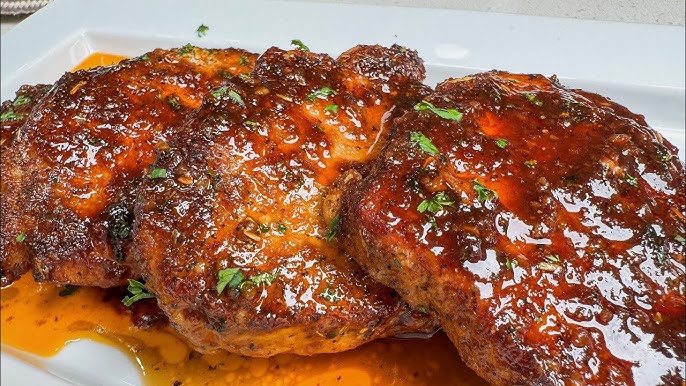
Boneless Pork Chops Recipe: When it comes to quick, flavorful, and versatile meals, boneless pork chops are a true kitchen hero. They’re lean, cook fast, and adapt beautifully to a variety of flavors—from savory garlic butter to tangy barbecue glazes. Unlike bone-in cuts, boneless pork chops are easier to prepare, slice, and serve, making them an excellent choice for both weeknight dinners and special gatherings.
One of the main reasons home cooks love boneless pork chops is their ability to deliver a gourmet experience without a long cooking time. Whether pan-seared for a crispy crust, baked for a hands-off dinner, or grilled for that irresistible smoky aroma, these tender cuts can transform a simple meal into something worth remembering.
They also suit a range of diets. For example, people following low-carb or keto plans appreciate their high protein content and minimal carbs, while those watching fat intake can choose leaner cuts for a healthier plate. With the right seasoning and cooking method, boneless pork chops can rival the juiciest steaks—without the hefty price tag.
In this guide, we’ll walk you through everything from selecting the perfect chops to cooking them to perfection. By the end, you’ll have the confidence to prepare boneless pork chops that are juicy, flavorful, and downright irresistible.
Why Boneless Pork Chops are a Popular Choice
Boneless pork chops are a favorite among busy home cooks for a few key reasons:
- Convenience – With no bones to work around, they’re quick to prepare, easy to cut, and require less cooking time.
- Versatility – You can bake, grill, pan-fry, or even slow-cook them. Plus, they work with almost any seasoning or sauce.
- Portion Control – Boneless chops are typically uniform in size, making portioning for a crowd much simpler.
- Kid-Friendly – No bones mean less mess and easier eating for little ones.
Think of boneless pork chops like a blank canvas—you can go classic with salt, pepper, and garlic, or get adventurous with exotic spice rubs and marinades. They’re perfect for both beginner cooks learning their first recipes and seasoned chefs experimenting with new flavors.
Key Nutritional Benefits
Boneless pork chops aren’t just tasty—they also pack a punch when it comes to nutrition:
- High in Protein – A 4-ounce serving contains about 24 grams of protein, ideal for muscle repair and growth.
- Rich in Vitamins – Especially B vitamins like B6 and B12, which support brain function and energy metabolism.
- Low in Fat – When trimmed, boneless pork chops have less fat than many cuts of beef, making them a lean protein source.
- Minerals Galore – They’re a good source of zinc, phosphorus, and selenium, all of which support immune health and cell repair.
In other words, you’re not just enjoying a delicious meal—you’re fueling your body with nutrients it needs to thrive.
Choosing the Best Boneless Pork Chops
Picking the right pork chops is the first step toward a tender, juicy dish. The quality of the meat you start with will directly impact the final result.
Fresh vs. Frozen – Which is Better?
Fresh pork chops are generally the preferred choice because they retain more natural moisture and flavor. However, high-quality frozen pork chops can still deliver great results if stored and thawed correctly.
Pros of Fresh:
- Superior texture and juiciness
- No thawing time required
- Easier to check freshness by smell and color
Pros of Frozen:
- Longer shelf life
- Often more affordable
- Convenient for stocking up
If you go the frozen route, thaw your pork chops in the refrigerator overnight instead of using the microwave. This prevents the meat from drying out or partially cooking before you start.
Thickness and Cut Selection
Thickness matters—a lot. Thin chops (less than 1 inch) cook quickly but can dry out faster, while thick chops (1.5 to 2 inches) are more forgiving and juicier. For most recipes, aim for chops about 1 to 1.5 inches thick.
Look for chops with:
- Even thickness – to ensure uniform cooking
- Light pink color – indicates freshness
- Minimal marbling – for lean cuts, or moderate marbling if you prefer richer flavor
Essential Ingredients for Boneless Pork Chops
The magic of boneless pork chops comes down to two things—quality meat and the right flavor companions.
Main Ingredients List
To make classic boneless pork chops, you’ll need:
- 4 boneless pork chops (1–1.5 inches thick)
- 2 tablespoons olive oil or butter
- 1 teaspoon salt
- 1 teaspoon black pepper
- 1 teaspoon garlic powder
- ½ teaspoon paprika (optional for color)
Optional Flavor Enhancers
If you want to elevate your pork chops, try adding:
- Herbs – Fresh rosemary, thyme, or parsley
- Acidic elements – Lemon juice or balsamic vinegar for brightness
- Sweet notes – Honey, maple syrup, or brown sugar for caramelization
- Spice blends – Cajun, Italian, or barbecue rubs
Prepping Boneless Pork Chops for Cooking
Proper preparation is what separates dry, bland chops from juicy, flavorful ones.
Cleaning and Trimmin
While pork chops are typically sold ready to cook, it’s a good habit to rinse them under cold water and pat dry with paper towels. Trim any excess fat to prevent flare-ups during grilling or uneven cooking.
Marinating for Maximum Flavor
Marinades aren’t just for taste—they also help tenderize the meat. A simple marinade could include olive oil, garlic, lemon juice, and herbs. For best results, marinate for at least 30 minutes, or up to 24 hours in the fridge.
Tip: If you’re short on time, even 10 minutes of seasoning before cooking can make a big difference.
Step-by-Step Cooking Methods
Boneless pork chops shine in different cooking styles. Whether you love the sear of a hot pan, the convenience of the oven, or the smoky flavor of the grill, there’s a method here for you.
Pan-Seared Boneless Pork Chops
Pan-searing is quick, easy, and perfect for a weeknight dinner. Heat a skillet over medium-high heat, add oil, and sear each side of the pork chops for about 3–4 minutes until golden brown. Reduce the heat and cook until the internal temperature reaches 145°F.
Pro Tip: Add a pat of butter and fresh herbs during the last minute of cooking for a restaurant-worthy finish.
Oven-Baked Boneless Pork Chops
Baking boneless pork chops is a fantastic option when you want hands-off cooking without sacrificing flavor. It’s especially great for cooking multiple chops at once.
Step-by-step method:
- Preheat the oven to 400°F (200°C).
- Season the pork chops with salt, pepper, garlic powder, and your choice of herbs or spices.
- Heat a skillet over medium-high heat and sear each side of the chops for 2–3 minutes to lock in juices.
- Transfer to a baking dish or keep them in an oven-safe skillet.
- Bake for 10–15 minutes, depending on thickness, until the internal temperature hits 145°F.
The beauty of oven-baking is how it evenly cooks the pork while allowing you to multitask. You can roast vegetables in the same pan, create a savory sauce, or simply relax while dinner finishes up.
Pro Tip: For extra moisture, cover the chops with foil during the first half of baking, then uncover for a slightly crispy finish.
Grilled Boneless Pork Chops
Grilling infuses boneless pork chops with that irresistible smoky flavor while creating gorgeous char marks.
Step-by-step method:
- Preheat your grill to medium-high heat.
- Brush the grates with oil to prevent sticking.
- Season the pork chops generously on both sides.
- Grill each side for 4–5 minutes, depending on thickness, until the meat reaches 145°F internally.
- Let them rest for at least 3 minutes before serving.
Flavor tip: Marinate the chops in a mixture of olive oil, garlic, lemon juice, and herbs for at least an hour before grilling. The combination of high heat and marinade creates an incredible depth of flavor.
Tips for Perfectly Juicy Pork Chops Every Time
If you’ve ever ended up with dry pork chops, you know how disappointing it can be. Thankfully, there are a few foolproof tips to ensure every bite is tender and juicy.
Avoiding Overcooking
The number one cause of dry pork is overcooking. Pork is safe to eat at 145°F (63°C), but many people mistakenly cook it until well-done, which robs it of moisture.
How to prevent this:
- Use a meat thermometer to check doneness.
- Pull the chops off the heat as soon as they reach 140°F, then let them rest—carryover cooking will bring them to 145°F.
Resting the Meat Before Serving
Just like steak, pork chops benefit from resting after cooking. This allows the juices to redistribute instead of spilling out when you cut into them.
- Rest for at least 3–5 minutes before serving.
- Keep them loosely tented with foil to maintain warmth.
By following these steps, you’ll turn out juicy, flavorful pork chops every time—whether you’re pan-searing, baking, or grilling.
Flavor Variations to Try
One of the best things about boneless pork chops is how easily they take on different flavors. With a few tweaks, you can transform them from comforting and homey to bold and exotic.
Garlic Butter Pork Chops
A simple combination of garlic, butter, and fresh herbs can make pork chops taste like they came from a five-star restaurant.
Quick method:
- Pan-sear pork chops until nearly cooked.
- Add butter, minced garlic, and chopped parsley to the pan.
- Spoon the melted mixture over the chops for the final minute of cooking.
The result? Rich, savory, and melt-in-your-mouth delicious.
Honey Mustard Pork Chops
Sweet meets tangy in this flavor-packed variation.
How to make:
- Mix honey, Dijon mustard, olive oil, and a splash of vinegar.
- Brush over the pork chops before baking or grilling.
- Baste halfway through cooking for maximum flavor.
Spicy Cajun Pork Chops
If you like a little heat, Cajun seasoning is the way to go.
Steps:
- Rub chops with Cajun spice mix and olive oil.
- Pan-sear or grill until done.
- Serve with a cool ranch or yogurt sauce to balance the spice.
Serving Suggestions
A perfectly cooked boneless pork chop deserves equally amazing side dishes. The right pairings can turn a simple meal into a satisfying feast.
Perfect Side Dishes
Here are some side ideas that complement pork chops beautifully:
- Garlic Mashed Potatoes – Creamy and comforting, mashed potatoes soak up pork juices like a sponge.
- Steamed or Roasted Vegetables – Broccoli, carrots, asparagus, or Brussels sprouts provide a healthy balance to the richness of the meat.
- Rice Pilaf – Flavored with herbs and a hint of butter, rice pilaf is a simple yet elegant option.
- Apple Slaw – Pork and apples are a classic pairing; crisp slaw adds freshness and a sweet crunch.
- Buttered Corn on the Cob – Sweet, juicy corn is a summertime favorite that pairs well with grilled chops.
Tip: If you’re serving for guests, try plating the pork chop over a bed of mashed potatoes or risotto with vegetables arranged neatly on the side for an elegant presentation.
Wine and Beverage Pairings
Pork is a versatile meat that works with both red and white wines.
- White Wines – Chardonnay, Sauvignon Blanc, or Pinot Grigio enhance the pork’s subtle flavors.
- Red Wines – Pinot Noir and Merlot offer a balanced pairing without overpowering the dish.
- Beer Options – Light lagers, wheat beers, or amber ales complement grilled and baked chops well.
- Non-Alcoholic – Apple cider, iced tea, or sparkling water with lemon are refreshing options.
The goal is to choose a beverage that complements the flavors of your pork chops and any sides or sauces you’ve included.
Common Mistakes to Avoid When Cooking Boneless Pork Chops
Even the best recipe can go wrong if you fall into these common traps.
Skipping the Resting Time
Many people cook pork chops and immediately serve them, but skipping the rest can cause all those delicious juices to escape the moment you cut in. Always rest for at least 3–5 minutes before serving.
Using the Wrong Heat Setting
Cooking pork chops over heat that’s too high can burn the outside before the inside is done. Too low, and they’ll dry out before browning.
Best practice:
- For pan-searing: Start high to sear, then reduce to medium to finish cooking.
- For grilling: Medium-high heat works best.
- For baking: A steady 375–400°F is ideal.
Also, avoid flipping the chops too often—let each side cook undisturbed to develop a good crust.
Storing and Reheating Leftover Pork Chops
Nobody likes dry leftovers, so handling your cooked pork chops the right way is essential.
Refrigerator Storage Tips
- Let the pork chops cool completely before storing.
- Place them in an airtight container or wrap tightly in foil.
- Store in the refrigerator for up to 3–4 days.
Best Reheating Methods
- Oven Method: Preheat to 275°F, place chops in a baking dish with a splash of broth, and cover with foil. Heat for 10–15 minutes.
- Skillet Method: Reheat over medium-low heat with a bit of butter or oil.
- Microwave: Use only if necessary—cover the pork with a damp paper towel to help keep it moist.
FAQs about Boneless Pork Chops Recipe
1. How do I know when my pork chops are done?
Use a meat thermometer—145°F is the safe internal temperature.
2. Can I cook pork chops straight from frozen?
Yes, but it’s better to thaw them first for more even cooking.
3. Should I brine my pork chops?
Brining can add extra moisture and flavor, especially for lean cuts.
4. What’s the best oil for cooking pork chops?
Olive oil, canola oil, or avocado oil work well due to their higher smoke points.
5. Can I use the same recipe for bone-in pork chops?
Yes, but increase cooking time slightly since bone-in cuts take longer to cook.
Conclusion
Boneless pork chops are a true kitchen staple—quick to prepare, easy to flavor, and perfect for any occasion. With the right cut, seasoning, and cooking technique, you can create a juicy, flavorful dish that rivals anything you’d get at a restaurant. Whether you prefer them pan-seared, oven-baked, or grilled, these versatile chops can be customized with endless flavor variations to suit your taste. Pair them with delicious sides, follow the tips to keep them moist, and you’ll have a go-to recipe you’ll want to make again and again.