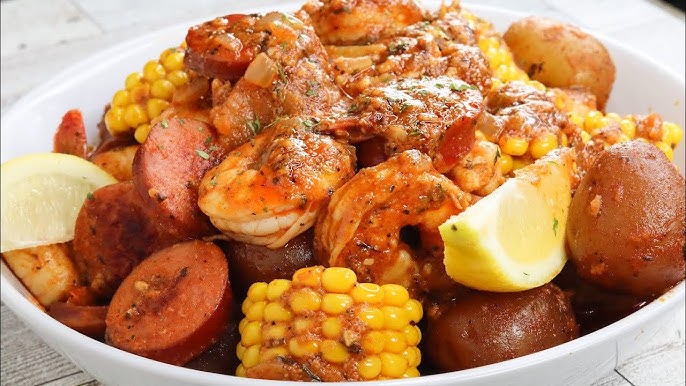
Boiling Crab Recipe: If you’ve ever walked into a Boiling Crab restaurant, you know the vibe—it’s loud, it’s messy, and it smells like heaven for seafood lovers. There’s no fancy plating here; instead, you get a giant plastic bag filled with saucy, steaming seafood, and you’re encouraged to dig in with your hands. The Boiling Crab style is more than just a recipe—it’s an experience.
The concept originated from a blend of Southern Louisiana Cajun cooking and a laid-back, family-style dining experience. The founders brought this flavor-packed tradition to the restaurant scene, and it quickly became a sensation. The key appeal is its bold, buttery, garlicky, and spicy Cajun sauce that coats every shrimp, crab, and potato. People love it because it combines the fun of a seafood boil with a punch of spice and richness that keeps you coming back for more.
At home, recreating this isn’t just about taste—it’s about atmosphere. You want that lively, family-style feast feeling. Imagine your dining table covered with butcher paper, piles of corn, potatoes, and sausages alongside fresh seafood dripping in Cajun butter sauce. This is the heart of the Boiling Crab experience, and by the end of this guide, you’ll be able to bring that magic to your own kitchen.
The Origin of the Boiling Crab Style
The Boiling Crab traces its roots to Cajun seafood boils, a tradition born in Louisiana’s fishing communities. The style was influenced by French and Creole cuisine, with heavy use of spices like paprika, cayenne, garlic, and oregano. When Vietnamese-American founders of The Boiling Crab adapted the recipe, they added their own twist—extra garlic, a slightly sweeter undertone, and serving everything tossed in a bag with sauce instead of just boiling in seasoned water.
This change transformed the flavor profile from simply seasoned seafood to a decadent, sauce-coated feast. Today, the Boiling Crab style is a fusion of Gulf Coast cooking and Asian flavors, which explains why it resonates with so many food lovers around the world.
Essential Ingredients for the Perfect Boiling Crab
The magic of a great Boiling Crab starts with fresh, high-quality ingredients. You don’t need a dozen exotic spices or rare seafood species, but you do need to focus on freshness and balance.
Seafood Selection – Crab, Shrimp, and More
Your choice of seafood will determine the character of your boil. Blue crabs, snow crabs, and king crabs are popular for their sweet, delicate meat. Shrimp is another favorite—easy to cook, flavorful, and perfect for soaking up the sauce. You can also throw in lobster tails, mussels, and crawfish for variety.
When buying seafood, look for clear eyes, firm shells, and a clean ocean smell. Avoid anything that smells “fishy” in a bad way—that’s a sign it’s past its prime.
The Magic of Cajun Spices
The signature flavor comes from a bold Cajun seasoning blend. While store-bought blends like Old Bay or Slap Ya Mama can work, making your own gives you control over spice levels. Common ingredients include:
- Paprika (for color and mild sweetness)
- Cayenne pepper (for heat)
- Garlic powder
- Onion powder
- Dried thyme and oregano
- Black pepper
Additional Flavor Boosters
Aside from Cajun spices, you’ll need plenty of butter, garlic, and lemon juice to balance the heat with richness and acidity. Brown sugar or honey can add a subtle sweetness, while Worcestershire sauce or soy sauce deepens the umami flavor.
Tools and Equipment You’ll Need
Having the right tools makes the process smooth and stress-free.
Cooking Pots and Steamers
A large stockpot is essential—big enough to hold your seafood without crowding. If you’re cooking a lot at once, consider using a turkey fryer pot or a seafood boil pot with a built-in strainer. This makes draining much easier.
Measuring Tools for Accuracy
Because the Boiling Crab sauce has a fine balance between spicy, salty, tangy, and sweet, you’ll want accurate measurements. Keep measuring spoons and cups handy, especially for seasoning blends.
Serving Essentials for a True Boiling Crab Experience
Butcher paper or plastic table covers protect your dining area and make cleanup a breeze. Have seafood crackers for crab legs, seafood forks, and plenty of napkins. And don’t forget the gloves—especially if you’re serving spice lovers who don’t want chili oil all over their fingers.
Preparing Your Seafood Like a Pro
Preparation is where a lot of home cooks go wrong. A rushed cleaning process can lead to gritty crab or mushy shrimp.
Cleaning and Prepping Crab
If using live crab, place them in the freezer for 10-15 minutes to sedate them before cleaning. Remove the shell top, gills, and rinse thoroughly. For pre-cooked crabs, just rinse under cold water before adding to your boil.
De-veining Shrimp and Prepping Other Seafood
Shrimp should be peeled (or left in shell for more flavor) and deveined by running a small knife along the back and removing the dark vein. Lobster tails can be cut lengthwise for easier eating after cooking.
Pre-boiling Steps for Maximum Flavor
Some chefs prefer to par-boil potatoes, corn, and sausages separately before adding them to the final boil. This ensures each ingredient is perfectly cooked without overcooking delicate seafood.
Crafting the Signature Cajun Sauce
The sauce is the soul of the Boiling Crab style. It’s a rich mix of butter, garlic, Cajun spices, and other flavor enhancers that coat the seafood after cooking.
Key Ingredients for the Sauce
- Unsalted butter
- Minced fresh garlic (lots of it!)
- Cajun seasoning blend
- Lemon juice
- Brown sugar or honey
- Paprika and cayenne for color and heat
- Worcestershire sauce or soy sauce for depth
Cooking the Sauce to Perfection
Start by melting butter on low heat to prevent burning. Add garlic and cook until fragrant, then stir in spices. Add lemon juice and a splash of Worcestershire sauce, then simmer gently until the flavors blend. Taste and adjust—if it’s too salty, add more lemon juice; if too spicy, add more butter.
Customizing Heat and Spice Levels
The beauty of making it at home is you control the firepower. You can make a mild, kid-friendly version or go all out with ghost pepper powder for thrill-seekers.
Cooking the Seafood
The cooking stage is where everything comes together, and timing is everything. Overcooked seafood can turn rubbery, while undercooked crab or shrimp won’t absorb the seasoning properly.
Start by filling a large stockpot with enough water to cover your seafood. Add a generous amount of salt, a few lemon halves, and a couple of tablespoons of Cajun seasoning to flavor the water. Bring it to a rolling boil.
Add your seafood in stages according to cooking times:
- Potatoes and sausages go in first (10–15 minutes cooking time).
- Corn on the cob is next (5–7 minutes).
- Crab and lobster follow (about 10–12 minutes).
- Shrimp and mussels go in last (3–5 minutes) since they cook quickly.
Once cooked, drain the seafood well and set it aside in a large mixing bowl or directly into serving bags for the signature Boiling Crab presentation.
Mixing the Sauce with Seafood
This is the “wow” moment—when the cooked seafood meets that rich, garlicky Cajun sauce.
Place the cooked seafood in a large mixing bowl or directly in a heavy-duty plastic bag. Pour the hot Cajun butter sauce over it, seal the bag, and shake or toss everything until well coated. The bag method locks in heat and helps the sauce stick to every piece.
If you prefer serving in a bowl, toss the seafood gently with the sauce using large tongs. Make sure potatoes, corn, and sausage get a fair share of that flavorful coating—these sides soak up the butter-spice mix beautifully.
Pro tip: Let the seafood rest for 2–3 minutes after tossing in the sauce. This allows the flavors to penetrate deeper before serving.
Side Dishes and Add-ons
A Boiling Crab feast isn’t complete without its trusty companions. These sides not only balance the meal but also give your guests extra bites to mop up all that delicious sauce.
- Garlic Bread – Perfect for dipping in the leftover sauce.
- Steamed Rice – A neutral base to balance the spice.
- Coleslaw – A cool, crunchy contrast to the heat.
- French Fries – Seasoned with Cajun spices for an extra kick.
You can also include boiled eggs, which are surprisingly popular in seafood boils. They absorb the sauce like little flavor bombs.
Serving Boiling Crab at Home
Presentation is key to recreating the authentic Boiling Crab vibe at home. Cover your dining table with butcher paper or plastic. Dump the saucy seafood directly onto the table for a communal, hands-on feast.
Provide bibs, gloves, seafood crackers, and lots of napkins. Encourage guests to eat with their hands—it’s part of the fun. Serve cold beer, iced tea, or lemonade to help cool down the spice.
You can also serve individual portions in bowls or bags if you prefer a tidier setup. Either way, the goal is to create a relaxed, family-style atmosphere where people can talk, laugh, and eat without worrying about making a mess.
Common Mistakes to Avoid
Even seasoned cooks can trip up when making a Boiling Crab-style seafood boil. Here are a few pitfalls to watch out for:
- Overcooking the seafood – This is the number one mistake. Always time each type of seafood carefully.
- Undersalting the water – The boiling water should be as salty as seawater to season the seafood from the inside out.
- Burning the garlic – Garlic burns quickly in hot butter, turning bitter. Keep heat low when sautéing.
- Not tasting the sauce – Season gradually and taste often. Too much cayenne or salt can overpower the dish.
- Skipping the rest time – Letting the seafood sit in the sauce for a few minutes before serving deepens the flavor.
Avoid these, and your seafood boil will rival even the best Boiling Crab locations.
Healthier Alternatives and Dietary Tweaks
While Boiling Crab feasts are indulgent, you can absolutely make lighter versions without losing the fun.
- Reduce Butter – Swap some butter for olive oil to cut saturated fat while keeping the richness.
- Use Low-Sodium Seasonings – Many Cajun blends are high in salt; make your own with reduced sodium.
- Add More Veggies – Include zucchini, broccoli, or green beans to increase nutritional value and fiber.
- Gluten-Free Adjustments – Most of the recipe is naturally gluten-free, but double-check sauces like Worcestershire for gluten content.
- Lower Heat Options – If you love flavor but not spice, reduce cayenne and paprika while keeping the garlic and herbs strong.
The beauty of this dish is that you can tweak it endlessly to suit your health goals without losing that signature flavor punch.
Storing and Reheating Leftovers
If you somehow have leftovers (rare, but it happens), proper storage is key to keeping them tasty.
- Refrigeration – Store cooled seafood in an airtight container for up to 2 days.
- Freezing – Crab and shrimp can be frozen in sauce for up to 2 months, but texture may soften upon reheating.
- Reheating – Warm leftovers gently over low heat in a skillet with extra butter and seasoning to revive the flavors. Avoid microwaving, as it can make seafood rubbery.
Leftover sauce is liquid gold—use it to flavor pasta, fried rice, or even scrambled eggs for a spicy breakfast twist.
Pairing Drinks with Boiling Crab
The spice and richness of Cajun seafood call for drinks that refresh and cleanse the palate.
- Cold Beer – Light lagers or wheat beers balance the spice without overpowering it.
- Sweet Iced Tea – A Southern classic that cools the heat.
- Citrus Cocktails – Margaritas, mojitos, or lemon spritzers add zesty freshness.
- Sparkling Water – For a non-alcoholic option, add lime wedges for a crisp, clean taste.
Avoid heavy red wines—they tend to clash with the spice. Stick with bright, bubbly, or citrusy drinks.
FAQs about Boiling Crab Recipe
1. Can I use frozen seafood for this recipe?
Yes, but thaw it completely and pat dry before cooking to avoid excess water diluting the sauce.
2. How do I make the boil less spicy?
Cut the cayenne pepper in half and add more paprika for color without the heat.
3. Can I make the sauce ahead of time?
Absolutely—store it in the fridge for up to 3 days or freeze it for longer. Just reheat gently before use.
4. What’s the best crab for this recipe?
Snow crab and king crab are meaty and sweet, but blue crab has a more delicate flavor if you don’t mind a little extra work.
5. Can I skip the bag method and serve in a pot?
Yes, but the bag helps the sauce coat evenly and keeps everything hotter for longer.
Conclusion
Recreating the Boiling Crab experience at home is more than just cooking—it’s about creating a lively, shared feast full of bold flavors and happy messes. With fresh seafood, the right Cajun spice blend, and a buttery, garlicky sauce, you can turn any gathering into a memorable event.
From prepping the seafood to tossing it in that signature sauce, each step builds toward a delicious, hands-on meal that’s as fun to eat as it is to make. Now you’ve got the knowledge—and the recipe—to bring this restaurant favorite into your own kitchen.