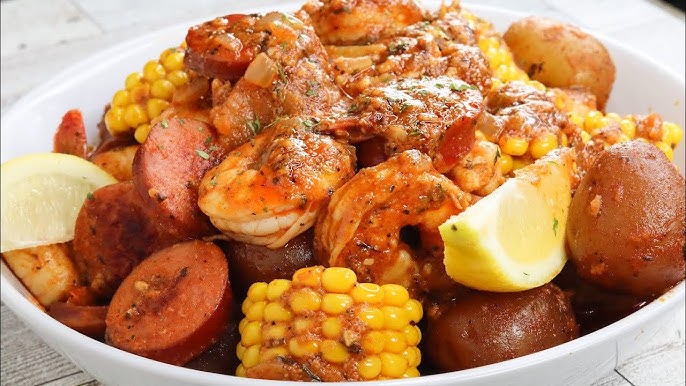
Boiled Shrimp Recipe: Boiled shrimp is one of those dishes that feels right at home in almost any setting — whether it’s a casual backyard cookout, a cozy dinner for two, or part of a lavish seafood feast. This dish is beloved for its simplicity, speed, and mouthwatering flavor. You can prepare it in under 15 minutes, making it the perfect go-to recipe when you want something quick but still impressive. Plus, shrimp is a protein-packed food that tastes amazing with just a touch of seasoning or as part of a bold, spicy boil.
Shrimp has been enjoyed in various forms across cultures for centuries, from the Cajun shrimp boils of Louisiana to the fresh seafood markets of Asia. The beauty of boiled shrimp lies in its versatility — you can keep it simple with lemon and salt, or go all out with a rich mix of spices, herbs, and aromatics. In this guide, we’ll take you step-by-step through the process of boiling shrimp so it’s perfectly tender and bursting with flavor every time.
Why Boiled Shrimp is a Popular Dish
Boiled shrimp’s popularity comes down to three things: flavor, speed, and adaptability. Unlike many seafood recipes that require complex preparation, boiled shrimp is a straightforward process that even beginners can master. Once you’ve got your water boiling, the shrimp themselves cook in just 2–3 minutes — talk about fast food done right!
Another reason it’s a household favorite is its ability to fit into multiple cuisines. It works equally well in an American shrimp cocktail, a spicy Asian stir-fry, or a Cajun seafood boil. You can eat it hot, cold, or somewhere in between, and it’s still delicious. Boiled shrimp is also an excellent choice for meal prepping because it stores well and can be added to salads, tacos, pasta dishes, and rice bowls throughout the week.
Its light yet rich flavor also makes it appealing to a wide range of palates. Kids often enjoy it with just a little butter, while adults might prefer it with a kick of spice or a splash of tangy lemon.
Health Benefits of Eating Shrimp
Shrimp is not only tasty but also a nutritional powerhouse. It’s low in calories but high in protein, making it an ideal choice for people looking to maintain or lose weight without sacrificing flavor. A standard serving of boiled shrimp (about 85 grams) contains roughly 84 calories, 18 grams of protein, and less than 1 gram of fat.
It’s also packed with important nutrients such as selenium, which acts as a powerful antioxidant, and vitamin B12, which supports healthy nerve function. Shrimp contains astaxanthin, a natural compound that gives it its pink color and may have anti-inflammatory benefits.
For those who are mindful of their heart health, shrimp is a great source of omega-3 fatty acids, which are known to reduce inflammation and support cardiovascular function. However, because shrimp is also relatively high in cholesterol, people with specific dietary restrictions should consult a healthcare provider before making it a frequent part of their meals.
Ingredients Needed for Boiled Shrimp
Making boiled shrimp requires just a few basic ingredients, but you can always jazz it up with seasonings and extras depending on your taste.
Main Ingredients:
- 1–2 pounds of shrimp (peeled or unpeeled, depending on preference)
- 8–10 cups of water (or seafood stock for richer flavor)
- 1–2 tablespoons of salt
- 1 lemon, halved
- 2–3 cloves of garlic, smashed
Optional Add-Ons for Extra Flavor:
- Old Bay seasoning or Cajun spice mix
- Bay leaves
- Peppercorns
- Fresh herbs like parsley or dill
- Corn on the cob, potatoes, or sausage for a full seafood boil experience
The best part about this recipe is that you can scale it up or down depending on how many people you’re serving. A small family dinner might only need a pound of shrimp, while a big summer party could call for several pounds and a large stockpot.
Selecting the Best Shrimp
The quality of your shrimp plays a huge role in how your final dish turns out. You’ll typically have to choose between fresh and frozen shrimp, each with its own pros and cons.
Fresh Shrimp:
- Pros: Firm texture, naturally sweet flavor, often sold at local markets.
- Cons: Short shelf life, can be more expensive.
Frozen Shrimp:
- Pros: Available year-round, convenient to store, often frozen right after catching for freshness.
- Cons: Needs thawing before cooking, can lose texture if not defrosted properly.
When buying shrimp, look for a firm, translucent flesh and avoid anything with a strong “fishy” smell. If the shrimp’s shells are blackened or slimy, that’s a red flag.
Fresh vs. Frozen Shrimp
When deciding between fresh and frozen shrimp, it’s important to understand that “fresh” doesn’t always mean better. In many cases, the shrimp labeled as fresh at your supermarket was actually frozen shortly after being caught and then thawed before sale. This means it may have already been sitting for a day or two, which can affect its texture and taste.
Frozen shrimp, on the other hand, is often processed and frozen right on the boat, locking in freshness. If you’re buying frozen, check the packaging for details like “IQF” (Individually Quick Frozen), which helps prevent clumping and keeps each shrimp intact. Avoid shrimp that’s been sitting in the freezer for too long or has large ice crystals, as this can indicate freezer burn.
Ultimately, your choice comes down to convenience and cooking plans. If you want to cook immediately, fresh shrimp may be more convenient. If you plan to store it for a while or cook later, frozen is the way to go.
How to Identify Quality Shrimp
Picking good shrimp is a bit like picking good fruit — you need to use your senses. Here’s what to look for:
- Smell: Fresh shrimp should smell like clean seawater, not ammonia or overly fishy odors.
- Appearance: The shells should be glossy and firm, without any dark spots or sliminess.
- Texture: When you press gently, the shrimp should feel springy, not mushy.
- Color: Raw shrimp should have a translucent, slightly grayish tone. If they look pink before cooking, they might have been previously cooked.
Buying from a trusted fishmonger or reputable grocery store helps ensure you get high-quality shrimp. If you’re near the coast, a local seafood market is often the best place to find the freshest catch.
Preparing Shrimp for Boiling
Before you toss your shrimp into boiling water, a little preparation goes a long way in making them taste incredible.
Cleaning and Deveining Shrimp:
- Start by rinsing your shrimp under cold water.
- If the shells are still on, decide whether you want to boil them with or without shells. Boiling with shells can add flavor, while peeling first makes them easier to eat.
- To devein, use a small knife or shrimp deveiner to make a shallow cut along the back and remove the dark vein. While it’s not harmful to eat, it can give a gritty texture.
Marinating for Extra Taste:
Although boiling shrimp with seasoning infuses flavor, you can also marinate them beforehand for extra punch. A simple marinade of olive oil, lemon juice, garlic, and a pinch of paprika works wonders. Just remember: shrimp is delicate, so a short marinating time (10–15 minutes) is enough.
Step-by-Step Guide to Boiling Shrimp
This is where the magic happens — getting your shrimp perfectly cooked.
- Boil Water: Fill a large pot with enough water to fully cover the shrimp. Add salt, lemon halves, garlic, and seasonings of choice. Bring it to a rolling boil.
- Add Shrimp: Once the water is boiling, add your shrimp. They’ll start to curl and turn pink almost immediately.
- Cooking Time: For medium-sized shrimp, cook for 2–3 minutes; large shrimp need about 3–4 minutes.
- Drain and Cool: Quickly drain the shrimp and transfer them to a bowl of ice water to stop the cooking process. This keeps them tender and prevents overcooking.
The key is to remember that shrimp cook very quickly — leave them too long, and they’ll become rubbery.
Perfect Cooking Time and Temperature
Boiled shrimp should be cooked at a high temperature so they’re done quickly without becoming tough. The boiling water should be at least 212°F (100°C). Timing depends on the size:
- Small shrimp: 1–2 minutes
- Medium shrimp: 2–3 minutes
- Large shrimp: 3–4 minutes
The moment they turn opaque and pink with bright red tails, they’re ready. If you wait until they curl into tight circles, you’ve gone too far.
Tips to Avoid Overcooking
Shrimp is incredibly quick to cook, which is both a blessing and a curse. Overcooked shrimp loses its juicy tenderness and turns rubbery, which can ruin an otherwise perfect dish. Here’s how to make sure that never happens:
- Watch Closely: The moment shrimp changes color from gray to pink and opaque, remove it from the heat.
- Use Ice Water: After boiling, plunge shrimp into ice water to halt the cooking process instantly.
- Avoid Cooking in Large Batches: Overcrowding the pot can drop the water temperature, leading to uneven cooking. Cook in batches if needed.
- Size Matters: Adjust your cooking time based on shrimp size. Small shrimp can be ready in under 90 seconds, while jumbo shrimp may take up to 4 minutes.
- Test One First: If unsure, pull one shrimp out, cut it in half, and check if it’s opaque in the center.
By keeping these tips in mind, you’ll consistently get tender, flavorful shrimp every time.
Seasoning Ideas for Boiled Shrimp
The beauty of boiled shrimp lies in its versatility — you can go mild, bold, or somewhere in between depending on your mood.
Classic Seasoning Mix:
- Salt and pepper
- Lemon juice and zest
- A few crushed garlic cloves
- Bay leaves for a mild herbal note
Spicy and Zesty Options:
- Cajun seasoning for that Louisiana kick
- Old Bay seasoning for a classic American seafood boil
- Chili flakes or fresh jalapeños for heat
- A dash of smoked paprika for a subtle, earthy smokiness
For a global twist, try adding lemongrass and ginger for Asian-inspired flavors or coriander seeds and turmeric for a hint of Indian spice.
Serving Suggestions
Boiled shrimp can be the star of your table or a supporting player in a larger meal. Here are some popular serving styles:
Best Side Dishes:
- Corn on the cob and baby potatoes for a Southern-style shrimp boil
- Garlic bread or baguette slices for soaking up juices
- Fresh salads with citrus-based dressings
Sauces That Pair Well:
- Classic cocktail sauce (ketchup, horseradish, lemon juice)
- Garlic butter sauce for dipping
- Spicy remoulade for a tangy, creamy kick
- Sweet chili sauce for a balance of sweet and spicy
For presentation, pile the shrimp on a large platter with lemon wedges and fresh parsley — it looks impressive and invites guests to dig in.
Storing and Reheating Boiled Shrimp
If you’ve cooked a large batch, storing it properly keeps it fresh and safe to eat.
Refrigeration Tips:
- Store cooled shrimp in an airtight container.
- Consume within 2–3 days for the best flavor and texture.
Freezing for Long-Term Storage:
- Pat shrimp dry before freezing to prevent ice crystals.
- Place in freezer bags, removing as much air as possible.
- Label with the date — frozen shrimp stays good for up to 3 months.
Reheating:
- Avoid microwaving, as it can make shrimp rubbery.
- Instead, reheat gently in a skillet over low heat or add to soups and stir-fries just before serving.
Common Mistakes to Avoid When Boiling Shrimp
- Overcooking: The most common and biggest mistake.
- Underseasoning the Water: Shrimp needs flavorful boiling liquid, not just plain water.
- Skipping the Ice Bath: This can cause residual cooking and toughness.
- Not Cleaning Shrimp Properly: Leaving the vein can affect texture and presentation.
- Using Low-Quality Shrimp: Poor-quality shrimp won’t taste good no matter how well you cook them.
Avoiding these pitfalls guarantees shrimp that’s juicy, flavorful, and restaurant-worthy.
Nutritional Value of Boiled Shrimp
Boiled shrimp isn’t just a treat for your taste buds — it’s also a healthy addition to your diet. A standard 3-ounce serving contains about:
| Nutrient | Amount | Benefit |
|---|---|---|
| Calories | ~84 kcal | Low-calorie protein source |
| Protein | ~18 g | Supports muscle growth and repair |
| Fat | <1 g | Very low in fat |
| Cholesterol | ~166 mg | Necessary in moderation |
| Selenium | 48% DV | Antioxidant, supports immune health |
| Vitamin B12 | 21% DV | Supports brain and nerve health |
| Omega-3s | 295 mg | Heart health and anti-inflammatory |
Because shrimp is naturally low in fat and high in lean protein, it’s a fantastic choice for people following weight loss, low-carb, or high-protein diets. Its omega-3 content also supports heart health, while selenium and vitamin B12 provide essential nutritional benefits.
FAQs about Boiled Shrimp Recipe
1. Can I boil shrimp with the shells on?
Yes! Boiling with shells helps lock in moisture and flavor. You can peel them after cooking.
2. How do I know when shrimp is done?
Shrimp turns pink, opaque, and curls into a loose “C” shape when ready.
3. Can I reuse the shrimp boiling water?
Yes, if it’s clean, you can use it as a seafood stock for soups or stews.
4. What’s the best way to thaw frozen shrimp?
Place them in the fridge overnight or run under cold water for quick thawing.
5. Can I make boiled shrimp ahead of time?
Absolutely. Chill them immediately after cooking and store in the fridge for up to 3 days.
Conclusion
Boiled shrimp is one of those rare dishes that checks all the boxes — quick to make, packed with flavor, and full of nutritional benefits. Whether you’re whipping up a quick weeknight dinner, preparing a fancy seafood platter for guests, or making a hearty shrimp boil for a summer party, this simple method guarantees tender, juicy shrimp every time.
From choosing the freshest shrimp to nailing the perfect cooking time and seasoning, the steps in this guide take the guesswork out of the process. The result? A dish that’s as versatile as it is delicious, ready to be served hot, cold, or anywhere in between.
So next time you’re craving something light yet satisfying, grab some shrimp, boil up a pot of flavorful water, and let this recipe work its magic. Your taste buds (and guests) will thank you!