Boiled Potatoes Recipe: Boiled potatoes might seem simple, but they are one of the most versatile and comforting foods you can make. Whether you enjoy them as a side dish, mash them into creamy mashed potatoes, or toss them in a salad, boiled potatoes form the foundation of countless recipes. The beauty lies in their simplicity: a pot, water, salt, and potatoes are all you need to create something wholesome and satisfying.
Their universal appeal comes from their mild, buttery flavor and the ability to absorb seasonings beautifully. Boiled potatoes can be a part of a hearty dinner or a quick snack with just a pinch of salt and butter. They’re the ultimate “blank canvas” of the food world—equally delicious dressed up with garlic and herbs or served plain.
When done right, boiled potatoes have a soft, fluffy interior with a skin that either slips off effortlessly or adds a pleasant bite, depending on how you prepare them. The trick is in understanding the right type of potato, the correct water-to-potato ratio, and timing. Mastering these details means you can elevate your potato game from “just okay” to “perfection every time.”
Why Boiled Potatoes are a Kitchen Staple
Boiled potatoes are a staple because they’re adaptable, affordable, and foolproof for almost anyone to prepare. No matter where you are in the world, potatoes are widely available and cost-effective. You can find them in rustic country kitchens and gourmet restaurants alike. Their neutral taste makes them an excellent base for different flavor profiles—from rich gravies to tangy vinaigrettes.
They’re also a lifesaver for quick meals. Have leftover boiled potatoes? Toss them into a breakfast hash, add them to a soup, or mash them for dinner. They’re naturally gluten-free, making them a safe choice for people with dietary restrictions. Plus, they’re filling—meaning a small portion can keep hunger at bay for hours.
Boiled potatoes also store well in the refrigerator, which means you can make a large batch and use them throughout the week. Whether you’re meal prepping for a busy work schedule or planning a big family gathering, boiled potatoes can be prepared ahead of time and quickly reheated without losing much flavor or texture.
Nutritional Benefits of Boiled Potatoes
Beyond taste and convenience, boiled potatoes pack a surprising nutritional punch. They are an excellent source of vitamin C, potassium, and vitamin B6. When you leave the skin on, you also get a boost of fiber, which supports digestion and helps you feel full longer.
Potatoes are naturally low in fat and contain no cholesterol, making them a heart-friendly choice when prepared without heavy fats or oils. The boiling process retains most of the essential nutrients, especially when you avoid overcooking them. Unlike frying, boiling doesn’t introduce unhealthy fats, so they remain a clean, nutrient-dense carbohydrate source.
Additionally, boiled potatoes have a low calorie density but high satiety index, which means they keep you full without adding excessive calories. This makes them an excellent option for people trying to maintain or lose weight. They also provide resistant starch, which acts as a prebiotic—feeding the good bacteria in your gut and supporting overall digestive health.
Types of Potatoes for Boiling
Not all potatoes are created equal, and the type you choose can greatly affect your results. The main classification is between waxy and starchy potatoes, with some varieties falling in between as “all-purpose.” Choosing the right type depends on whether you want firm slices for salads or fluffy potatoes for mashing.
Waxy vs. Starchy Potatoes
Waxy potatoes—like red potatoes, new potatoes, and fingerlings—have thin skins and a creamy, firm texture that holds up well after boiling. They’re perfect for potato salads or dishes where you want the potatoes to maintain their shape.
Starchy potatoes—like Russets—are higher in starch and lower in moisture, making them fluffy when boiled. They’re ideal for mashed potatoes but tend to fall apart if you stir them too much.
All-purpose potatoes—like Yukon Gold—strike a balance between waxy and starchy. They work well for almost any boiling recipe and have a naturally buttery flavor.
Knowing this difference is crucial because using the wrong type can lead to mushy or overly dry potatoes. For example, making a salad with Russets might result in a potato mash instead of neat cubes, while using red potatoes for mashed potatoes may leave them too dense.
Best Potato Varieties for Boiling
If you’re looking for the best varieties, here are some top picks:
- Yukon Gold – Creamy, buttery taste, works for both mashing and salads.
- Red Bliss – Holds shape well, perfect for salads and roasting after boiling.
- New Potatoes – Young, small, and naturally sweet, great for serving whole.
- Fingerling Potatoes – Elegant and flavorful, ideal for gourmet presentations.
- Kennebec – Versatile and widely used in professional kitchens.
When choosing potatoes, look for ones that are firm, smooth, and free from green spots or sprouting. Size matters too—smaller potatoes boil more evenly, while larger ones may require cutting to ensure even cooking.
Ingredients You’ll Need
The beauty of boiled potatoes lies in their simplicity, but a few small additions can take them from basic to extraordinary.
Basic Ingredients for Boiled Potatoes
For the most basic boiled potato recipe, you only need:
- Potatoes – Your choice of variety based on desired texture.
- Water – Enough to cover the potatoes completely.
- Salt – Enhances flavor and seasons the potatoes from the inside.
Salt is more than just a seasoning—it helps the potatoes cook more evenly and brings out their natural taste. Always add salt to the water before boiling, as it infuses the potatoes while they cook.
Optional Additions for Extra Flavor
If you want to elevate the flavor, try adding:
- Garlic cloves – Drop them into the water for a subtle, aromatic flavor.
- Bay leaves or herbs – Such as rosemary, thyme, or parsley stems.
- Peppercorns – For a light peppery undertone.
- Onion halves – Adds sweetness to the water, enhancing the potatoes.
These additions infuse subtle notes into the potatoes without overpowering them, making them more flavorful before you even add butter or dressing.
Equipment Required
Having the right tools ensures your boiled potatoes turn out perfectly every time.
Choosing the Right Pot for Boiling Potatoes
Choose a pot that is large enough for the potatoes to be fully submerged in water without crowding. Overcrowding can cause uneven cooking, with some potatoes becoming mushy while others remain firm. A heavy-bottomed pot is ideal, as it distributes heat evenly and prevents scorching.
If you boil potatoes often, consider investing in a pot with a built-in strainer insert, making it easier to drain them without risking burns from steam.
Useful Kitchen Tools for Perfect Boiling
While boiling potatoes is straightforward, a few kitchen tools can make the process easier:
- Colander – For draining water quickly and safely.
- Sharp knife – For cutting potatoes into even pieces.
- Cutting board – For safe preparation.
- Timer – To avoid overcooking.
- Tongs or slotted spoon – For removing potatoes without damaging them.
Having these tools at hand ensures you can work efficiently and safely, especially if you’re preparing large batches.
Step-by-Step Guide to Boiling Potatoes
Boiling potatoes might seem like a no-brainer, but doing it right makes all the difference between bland, mushy spuds and perfectly tender, flavorful potatoes. The secret is in the preparation, the water temperature, and knowing exactly when to stop cooking. Let’s go through it step by step so you can get flawless results every time.
Step 1 – Washing and Preparing the Potatoes
First things first—always start with clean potatoes. Even if you’re peeling them later, dirt and bacteria on the skin can transfer during cutting. Place your potatoes under cold running water and gently scrub them with a vegetable brush to remove any dirt or debris.
If you plan to leave the skin on, pay extra attention to scrubbing, as the skin will remain part of the final dish. Skin-on potatoes retain more nutrients and have a rustic charm, but the choice is yours.
Peeling or not peeling?
- Leave the skin on if you want extra fiber and a more earthy taste.
- Peel them if you want a smoother texture, such as for mashed potatoes or soups.
If your potatoes are large, cut them into uniform pieces—usually halves or quarters—so they cook evenly. Small potatoes can be boiled whole. Uniform size is key here; uneven pieces will cook at different rates, leading to a mix of overcooked and undercooked bits.
Before moving on, inspect for any green spots or sprouting “eyes.” These contain solanine, which can be toxic in large amounts. Cut them out with a paring knife to be safe.
Step 2 – Boiling Process Explained
Now that your potatoes are prepped, it’s time to get them into the pot. Place the potatoes in a large pot and cover them with cold water. Starting with cold water allows the potatoes to heat gradually, cooking evenly from the outside in. If you start with boiling water, the outside can turn mushy before the inside cooks through.
Salt the water generously—think of it like cooking pasta. Salt doesn’t just season the outside; it seeps into the potato, giving it flavor all the way through. For every 1 liter (4 cups) of water, add about 1 tablespoon of salt.
Set the pot over medium-high heat and bring it to a gentle boil. Avoid a rapid, rolling boil—it can cause the potatoes to break apart. Once boiling, reduce the heat to maintain a steady simmer.
Cooking times vary depending on size and variety:
- Small whole potatoes: 15–20 minutes
- Medium chunks: 10–15 minutes
- Large chunks: 20–25 minutes
The goal is to cook them until just tender, not falling apart.
Step 3 – Testing for Doneness
The most reliable way to check if potatoes are ready is the fork test. Simply insert a fork or sharp knife into the thickest part of the potato. If it slides in with little resistance, they’re done. If you feel a firm center, give them a few more minutes.
For whole potatoes, test two or three to ensure even cooking—sometimes the smaller ones are ready while larger ones need more time.
Once they’re done, drain them immediately to prevent overcooking. Leaving potatoes in hot water after they’re done will cause them to absorb excess water, making them soggy. Use a colander to drain and, if needed, let them sit for a minute to allow steam to escape—this keeps them fluffy inside.
At this point, you can serve them as-is with a sprinkle of salt and butter, or move on to flavoring and seasoning.
Tips for Perfectly Boiled Potatoes
Even though boiling potatoes is simple, small mistakes can ruin their texture or taste. Here are some essential tips to help you achieve consistently perfect results:
Common Mistakes to Avoid
- Starting with hot water – This cooks the outside too fast and leaves the inside underdone. Always start with cold water.
- Skipping the salt – Without salted water, potatoes will taste bland no matter how much seasoning you add afterward.
- Overcooking – Leads to waterlogged, mushy potatoes. Use a timer and check for doneness early.
- Cutting uneven sizes – Causes uneven cooking, with some pieces turning mushy while others stay hard.
- Using the wrong potato variety – Starchy potatoes fall apart in salads, while waxy ones can be too firm for mashing.
How to Keep Potatoes from Falling Apart
If your potatoes often break apart before they’re done, here’s how to prevent it:
- Simmer instead of boil – A gentle simmer cooks them evenly without breaking the skin.
- Leave the skin on – This helps hold them together.
- Add a splash of vinegar or lemon juice – The acidity strengthens the potato’s structure, keeping them intact.
Another pro tip: If you’re making potato salad, drain the potatoes and spread them on a tray to cool slightly before mixing with dressing. This keeps them firm and prevents them from turning into a mash.
Variations of Boiled Potatoes Recipes
The beauty of boiled potatoes is that they’re a blank canvas. With just a few tweaks, you can transform them from plain and simple to aromatic and irresistible.
Buttered Boiled Potatoes
This is a comfort food classic. Once the potatoes are boiled and drained, toss them with a generous knob of butter, a sprinkle of sea salt, and a dash of black pepper. For extra indulgence, use salted butter for richness or add a splash of cream for a silkier texture.
Want to make them even more irresistible? Sprinkle fresh chopped parsley, dill, or chives over the top. The herbs add freshness and color, making them perfect for a dinner party side dish.
Herbed Boiled Potatoes
Herbs can turn a simple pot of boiled potatoes into a gourmet experience. After draining, toss the potatoes in olive oil and fresh herbs like rosemary, thyme, or basil. You can also boil the potatoes with a bundle of herbs in the water for a more subtle infusion.
For a Mediterranean twist, drizzle with extra virgin olive oil, lemon zest, and oregano. If you love spice, try adding paprika, chili flakes, or a hint of cumin after boiling.
Garlic-Infused Boiled Potatoes
For garlic lovers, this is heaven in a bowl. Add whole, unpeeled garlic cloves to the boiling water along with the potatoes. Once cooked, mash the softened garlic into the potatoes with butter or olive oil. The result is a fragrant, savory side dish that pairs beautifully with roasted meats or grilled vegetables.
You can also make a quick garlic butter sauce and drizzle it over the potatoes just before serving for a richer flavor punch.
Serving Suggestions
Boiled potatoes are incredibly versatile, making them a perfect side dish or even the star of a meal. Their neutral taste allows them to blend seamlessly with almost any cuisine. Whether you prefer them simply seasoned or transformed into a flavorful creation, there’s no shortage of ways to serve them.
Side Dishes That Pair Well with Boiled Potatoes
Boiled potatoes shine alongside hearty mains. Here are some classic pairings:
- Roast Meats – Whether it’s roasted chicken, beef, or pork, boiled potatoes soak up the rich flavors of gravy or pan drippings.
- Grilled Fish – A light, buttery boiled potato balances the delicate flavor of fish like salmon or cod.
- Vegetarian Dishes – Serve with sautéed vegetables, lentil stew, or a hearty bean chili for a complete vegetarian plate.
- Holiday Feasts – At Thanksgiving, Christmas, or Easter, boiled potatoes offer a milder option compared to mashed potatoes and complement other rich dishes.
You can also toss them into salads—warm or cold—for an easy and nutritious lunch. A mustard vinaigrette potato salad with herbs is a refreshing twist, especially in summer.
Turning Boiled Potatoes into Main Dishes
Believe it or not, boiled potatoes can also take center stage. Here are some creative ideas:
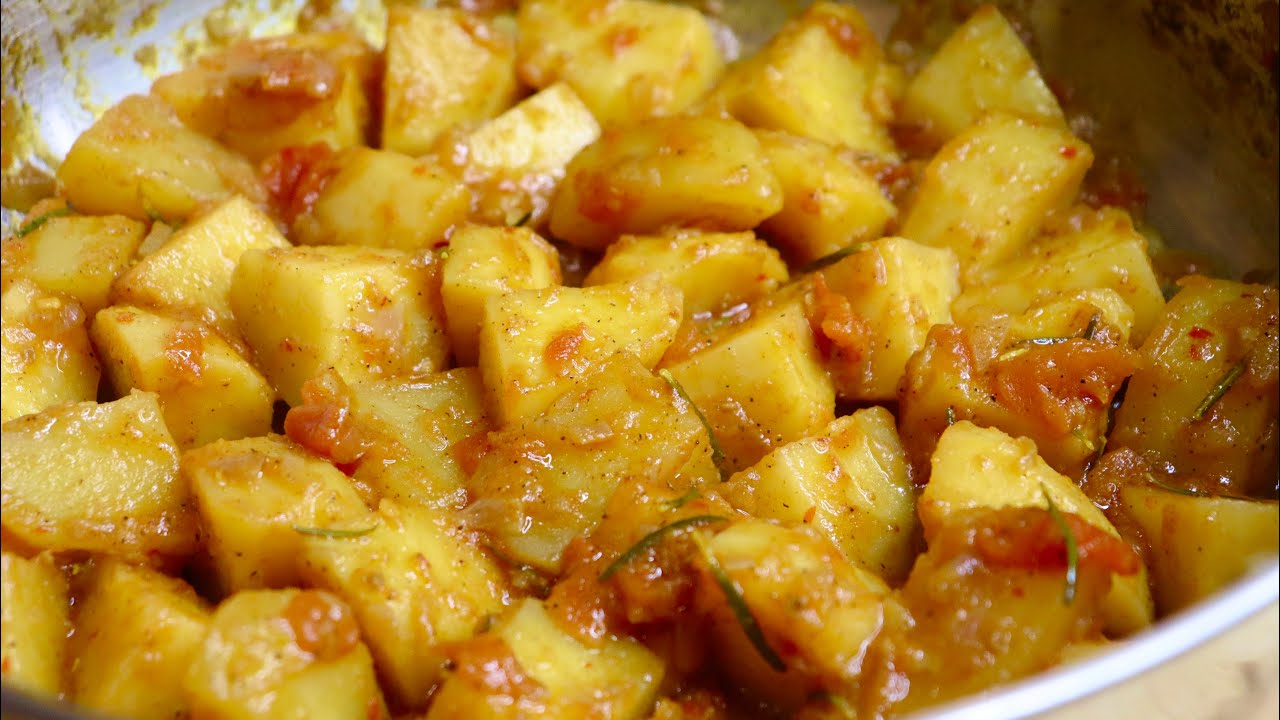
- Potato Curry – Add boiled potatoes to a fragrant curry sauce made with tomatoes, onions, garlic, and spices.
- Stuffed Potatoes – Hollow out boiled potatoes and fill them with cheese, herbs, and vegetables, then bake until golden.
- Potato and Egg Breakfast Hash – Chop boiled potatoes and fry them with onions, peppers, and eggs for a hearty breakfast.
- Gnocchi – Use boiled potatoes to make soft Italian dumplings, perfect with pesto, tomato sauce, or brown butter sage.
When boiled potatoes are part of the main dish, seasoning becomes even more important—don’t shy away from bold flavors like smoked paprika, curry powder, or fresh citrus zest.
Storage and Reheating Tips
One of the best things about boiled potatoes is that they store well, making them perfect for meal prep. But improper storage can lead to sogginess or an unpleasant texture.
How to Store Boiled Potatoes Properly
To store boiled potatoes:
- Cool them quickly – Spread them out on a tray or baking sheet for 10–15 minutes before storing.
- Use airtight containers – Prevents moisture loss and keeps flavors fresh.
- Refrigerate promptly – Store within 2 hours of cooking to avoid bacterial growth.
Boiled potatoes last up to 4 days in the refrigerator. If you notice any sliminess or sour smell, it’s best to discard them.
For longer storage, you can freeze boiled potatoes, but note that waxy potatoes freeze better than starchy ones, as they maintain texture after thawing. To freeze, place cooled potatoes on a baking sheet to freeze individually, then transfer to freezer bags.
Best Ways to Reheat Without Losing Texture
Reheating the wrong way can make boiled potatoes rubbery or watery. Here are the best methods:
- Steaming – Keeps them moist without making them soggy.
- Microwaving – Works well if covered with a damp paper towel to retain moisture.
- Oven reheating – Toss with a bit of olive oil, spread on a baking sheet, and bake at 350°F (175°C) for 10–15 minutes for slightly crispy edges.
Avoid reheating boiled potatoes multiple times—only warm up the portion you plan to eat.
Health Considerations
Boiled potatoes have an undeserved reputation for being “fattening,” but in reality, they’re a nutritious food that can fit into almost any diet.
Are Boiled Potatoes Good for Weight Loss?
Yes—when eaten in moderation and prepared without heavy toppings, boiled potatoes are excellent for weight management. They are:
- Low in calories – About 130 calories per medium potato.
- High in fiber – Especially with the skin on, helping you feel full longer.
- Rich in resistant starch – Helps control blood sugar and promote gut health.
Studies have shown that potatoes rank high on the satiety index, meaning they keep you feeling full for hours compared to other carb-rich foods like pasta or bread.
The key is in preparation—skip the heavy cream and butter if you’re watching calories, and opt for olive oil, herbs, and spices instead.
Boiled Potatoes for Special Diets
Boiled potatoes are naturally gluten-free, vegan, and nut-free, making them suitable for people with food allergies or intolerances.
- For low-sodium diets – Skip salting the water and season afterward with herbs and spices.
- For diabetic-friendly meals – Pair potatoes with lean protein and non-starchy vegetables to balance blood sugar levels.
- For high-protein diets – Serve alongside grilled chicken, fish, or legumes.
Because they’re gentle on the stomach, boiled potatoes are often recommended for people recovering from illness or dealing with digestive issues.
FAQs about Boiled Potatoes Recipe
1. Can I boil potatoes with the skin on?
Yes, and it’s healthier too! The skin contains fiber and nutrients, plus it helps hold the potato together during boiling.
2. Why are my boiled potatoes mushy?
They were likely overcooked or boiled too rapidly. Simmer gently and check for doneness early.
3. Can I boil potatoes ahead of time?
Absolutely! Store them in the fridge for up to 4 days, then reheat as needed.
4. Should I cut potatoes before boiling?
If they’re large, yes—cutting them into even chunks ensures even cooking. Small potatoes can be boiled whole.
5. What’s the fastest way to boil potatoes?
Cut them into small cubes and start them in cold salted water—this reduces cooking time to around 10 minutes.
Conclusion
Boiled potatoes may be simple, but their possibilities are endless. From classic buttery sides to creative main dishes, they’re one of the most adaptable foods in the kitchen. With the right potato variety, proper cooking technique, and a touch of seasoning, you can turn this humble root vegetable into a dish worth savoring.
Whether you’re meal prepping for the week, cooking for a holiday feast, or whipping up a quick weekday dinner, boiled potatoes are your trusty companion—affordable, healthy, and always satisfying.