Boiled Carrots Recipe: Boiled carrots are one of those timeless dishes that fit into just about any meal. Whether you’re preparing a holiday feast, a quick weekday dinner, or a healthy snack, boiled carrots are always a reliable choice. They’re soft, naturally sweet, and packed with vitamins that make them both delicious and nutritious.
The beauty of boiled carrots lies in their versatility. You can enjoy them plain for a light, healthy side or jazz them up with butter, herbs, and spices for a flavorful treat. Plus, they’re incredibly easy to make—no fancy equipment, no complicated techniques, just simple, wholesome cooking.
Nutritionally, carrots are a powerhouse. They’re rich in beta-carotene (which your body converts into vitamin A), high in fiber, and loaded with antioxidants. Boiling them helps soften the texture, making them easier to chew and digest—perfect for both kids and adults.
Whether you’re a beginner in the kitchen or a seasoned home chef, mastering the art of perfectly boiled carrots is a skill worth having. This guide will walk you through every step, from picking the right carrots to serving them at the table.
Ingredients Needed for Boiled Carrots
The best part about this recipe is how short and simple the ingredient list is. You probably have everything you need right in your kitchen.
Basic Ingredients:
- Fresh carrots – about 1 pound (450 g)
- Water – enough to cover carrots in the pot
- Salt – 1 teaspoon for seasoning the water
Optional Add-ons for Flavor:
- Butter – 1–2 tablespoons for richness
- Herbs – parsley, thyme, dill, or rosemary
- Black pepper – freshly ground for a mild kick
- Honey or brown sugar – for a sweeter twist
You can keep it minimal for a clean, natural taste or experiment with flavors to match your main dish. For example, pairing carrots with rosemary goes great with roasted chicken, while a touch of honey and cinnamon makes them feel like a comforting holiday side.
Choosing the Right Carrots
Your boiled carrots will only taste as good as the carrots you start with, so choosing the right ones is key.
Freshness Indicators:
- Bright orange color with no cracks or black spots
- Firm texture (avoid limp or bendy carrots)
- Fresh, green tops if they’re still attached
Baby Carrots vs Regular Carrots:
- Baby carrots are already peeled and cut, making prep faster. They cook quicker but sometimes lack the full flavor of whole carrots.
- Regular carrots have a deeper flavor and a firmer texture but require peeling and cutting.
Organic vs Non-Organic:
- Organic carrots are grown without synthetic pesticides and often have a richer taste.
- Non-organic carrots are more budget-friendly and still taste great when fresh.
For the best results, go for carrots that are firm, smooth, and vibrant. If you can, buy them locally from a farmers’ market for maximum freshness.
Step-by-Step Guide to Boiling Carrots
Step 1 – Wash and Peel the Carrots
Start by rinsing the carrots under cool running water to remove dirt and residue. Use a vegetable brush if needed. If you’re using regular carrots, peel off the outer skin with a vegetable peeler. Peeling not only improves texture but also gives the carrots a cleaner, brighter look.
Step 2 – Cut Carrots to Desired Size
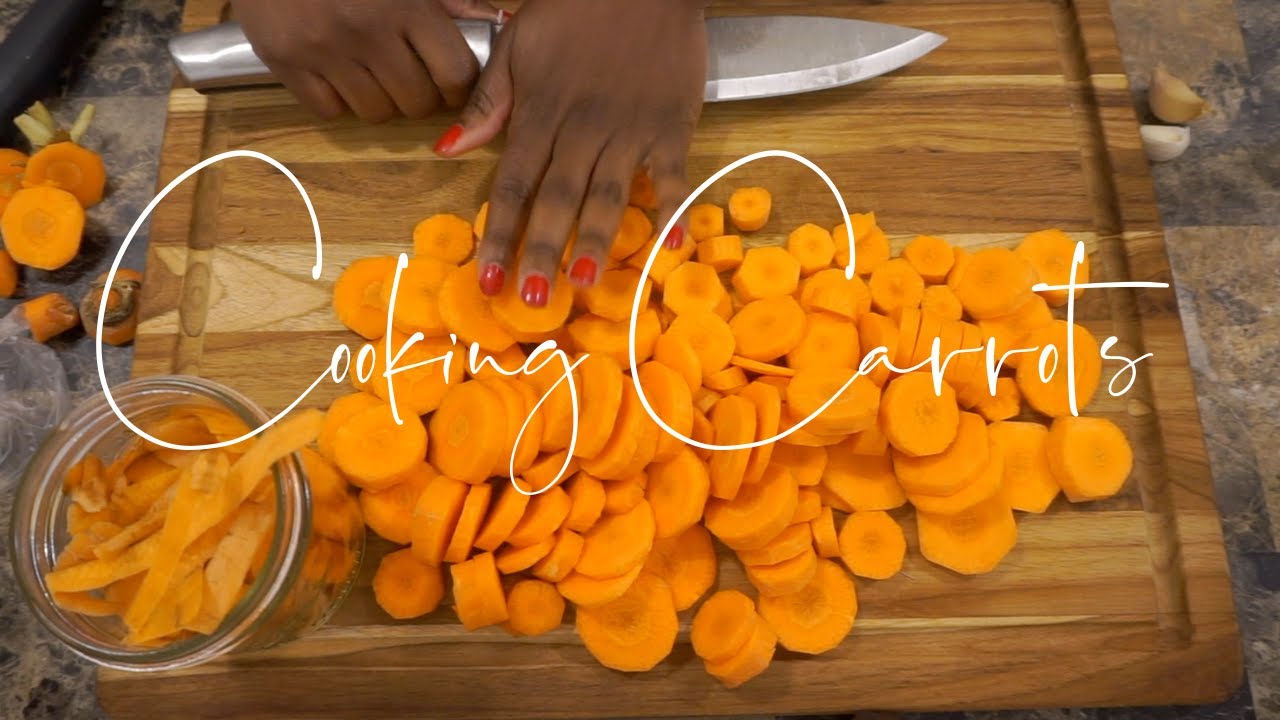
Cut your carrots into uniform pieces so they cook evenly. You can slice them into rounds, sticks, or even leave them whole if they’re small. For faster cooking, aim for smaller pieces; for a firmer bite, go slightly larger.
Step 3 – Boil Water with Seasoning
Fill a medium-sized pot with enough water to fully cover the carrots. Add a teaspoon of salt—this helps flavor the carrots from the inside as they cook. Bring the water to a rolling boil over medium-high heat.
Step 4 – Add Carrots to Boiling Water
Carefully add your carrot pieces to the boiling water. Reduce the heat slightly to maintain a steady boil. Stir once or twice to prevent pieces from sticking together.
Step 5 – Drain and Serve
When your carrots are cooked to your liking, drain them in a colander. For a basic version, serve them as is. For extra flavor, toss them in melted butter, sprinkle with herbs, or drizzle with honey before serving.
How Long to Boil Carrots for the Perfect Texture
The cooking time for boiled carrots depends on their size and your preferred texture:
- Small diced carrots: 5–7 minutes
- Medium slices or sticks: 7–10 minutes
- Whole baby carrots: 10–15 minutes
Test for doneness by poking them with a fork. If it slides in easily, they’re ready. Remember, overcooked carrots can become mushy and lose their bright color, so keep a close eye on the timer.
Flavor Enhancements and Serving Ideas
Boiled carrots are delicious on their own, but with a few simple additions, you can turn them into a standout side dish that pairs beautifully with almost any main course.
1. Butter and Herb Carrots
After draining your boiled carrots, toss them in a pan with a tablespoon of melted butter. Add a sprinkle of chopped fresh parsley, thyme, or dill. The butter gives them richness, while herbs add freshness and aroma.
2. Honey-Glazed Carrots
For a sweeter twist, drizzle boiled carrots with a teaspoon of honey or maple syrup, then sprinkle with a pinch of cinnamon. This works perfectly for festive dinners or when you want a side dish that feels special.
3. Garlic and Lemon Zest
If you love a hint of tang and depth, sauté boiled carrots briefly with minced garlic and finish with lemon zest. This brightens the flavor and balances their natural sweetness.
4. Spiced Carrots
Add a little adventure to your plate by seasoning boiled carrots with cumin, paprika, or chili flakes. This works especially well if you’re serving them with grilled meats or Mediterranean dishes.
Serving Suggestions:
- As a side with roasted chicken, turkey, or beef
- Added to salads for extra color and sweetness
- Mixed with peas, corn, or green beans for a colorful veggie medley
- Blended into soups or purees for a creamy texture
With a little creativity, you can make boiled carrots fit into almost any meal plan.
Nutritional Value of Boiled Carrots
Carrots are one of the healthiest vegetables you can add to your diet, and boiling them doesn’t strip away as many nutrients as some might think.
Nutritional Breakdown (per 100g of boiled carrots):
| Nutrient | Amount | % Daily Value* |
|---|---|---|
| Calories | 35 | 2% |
| Carbohydrates | 8 g | 3% |
| Fiber | 3 g | 12% |
| Protein | 0.8 g | 1% |
| Vitamin A | 835 mcg | 93% |
| Vitamin K | 13.2 mcg | 11% |
| Potassium | 235 mg | 5% |
*Percent Daily Values are based on a 2,000-calorie diet.
Why They’re Healthy:
- Vitamin A powerhouse: Supports eye health, skin health, and immune function.
- High in fiber: Helps digestion and supports a healthy gut.
- Rich in antioxidants: Protects cells from damage and supports overall wellness.
Interestingly, cooking carrots—even by boiling—can actually increase the availability of some antioxidants, like beta-carotene, making them easier for your body to absorb.
Common Mistakes to Avoid When Boiling Carrots
Even with a simple recipe like this, there are a few common pitfalls that can affect the final result.
1. Overcooking
The most frequent mistake is boiling carrots for too long, which leads to mushy texture and dull color. Keep a timer handy and test them with a fork toward the end of the cooking time.
2. Skipping Seasoning
If you boil carrots in plain water without salt or flavor, they might taste bland. A little salt in the water makes a big difference in flavor.
3. Uneven Cutting
Different-sized pieces cook at different rates, leading to some being too soft and others undercooked. Cut your carrots into even sizes for consistent results.
4. Adding Carrots Too Early
Wait until the water is at a rolling boil before adding carrots—this helps lock in color and flavor.
5. Not Draining Immediately
Leaving carrots sitting in hot water after cooking will continue to soften them, potentially turning them mushy. Drain right away.
Storing and Reheating Boiled Carrots
Boiled carrots store and reheat well, making them a great option for meal prep.
Storing in the Fridge:
- Allow carrots to cool completely.
- Store in an airtight container.
- Keep refrigerated for up to 4–5 days.
Freezing Boiled Carrots:
- Boil until just tender, then cool quickly in ice water.
- Pat dry and store in freezer-safe bags.
- Use within 2–3 months for best flavor.
Reheating Methods:
- Microwave: Place carrots in a microwave-safe dish, cover, and heat for 1–2 minutes.
- Stovetop: Heat in a pan with a small splash of water or butter until warmed through.
- Oven: Reheat at 350°F (175°C) for about 10 minutes.
Avoid reheating boiled carrots multiple times, as this can affect their flavor and texture.
FAQs about Boiled Carrots Recipe
1. Can I boil carrots without peeling them?
Yes, you can. Just make sure to scrub them thoroughly to remove dirt. Peeling is optional but can give a smoother texture.
2. Do boiled carrots lose vitamins?
Some vitamin C may be lost during boiling, but beta-carotene and other antioxidants actually become more bioavailable after cooking.
3. How do I make carrots softer faster?
Cut them into smaller pieces before boiling—smaller sizes cook more quickly.
4. Can I boil carrots with other vegetables?
Absolutely. Just be mindful of different cooking times; for example, potatoes take longer to soften than carrots.
5. What’s the best seasoning for boiled carrots?
A classic combination is salt, butter, and parsley, but you can also try garlic, lemon zest, cumin, or cinnamon depending on your meal.
Conclusion
Boiled carrots are proof that sometimes the simplest recipes are the most satisfying. With just a few ingredients and minimal cooking time, you can create a side dish that’s colorful, flavorful, and packed with nutrients. Whether you enjoy them plain, buttered, glazed, or spiced, they’re a versatile addition to your menu that pairs beautifully with a wide range of dishes.
Next time you’re planning a meal, consider giving this boiled carrot recipe a try. You might just find it becomes one of your go-to sides for everything from casual family dinners to special celebrations.