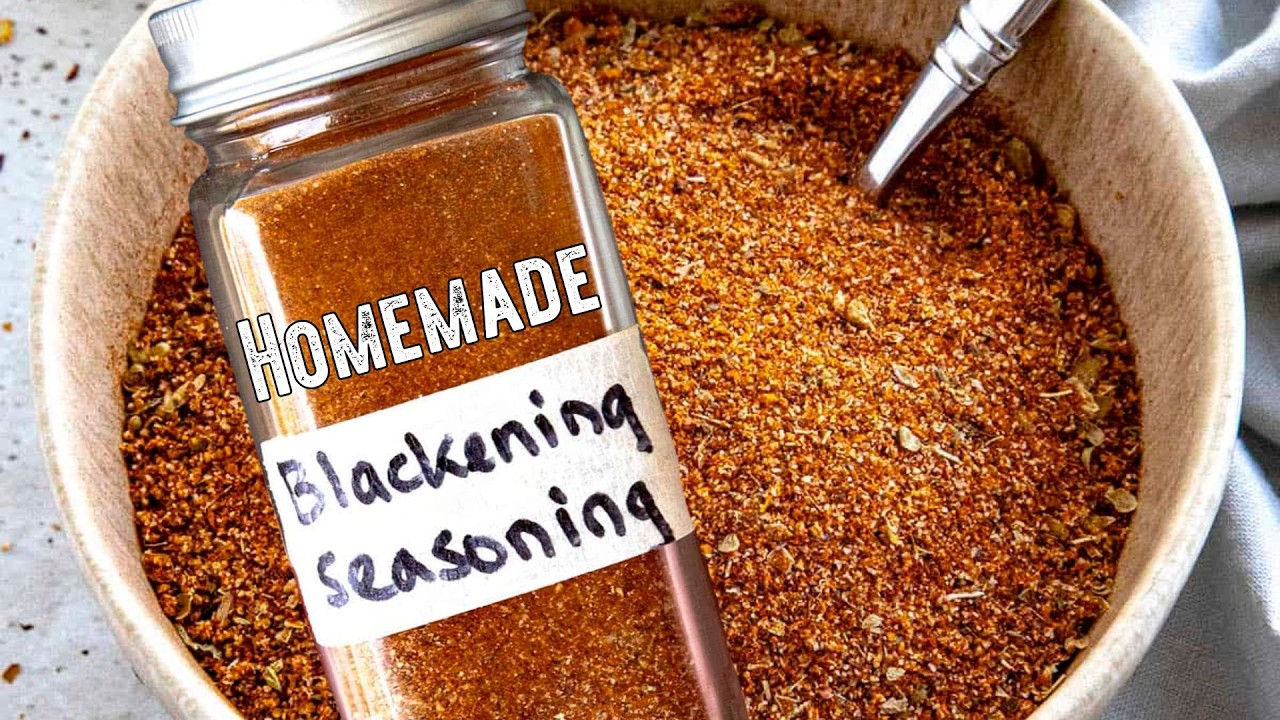
Blackening Spice Recipe: If you’ve ever had a beautifully blackened piece of fish or chicken at a restaurant, you know the flavor is unforgettable—smoky, spicy, and rich with depth. But guess what? You don’t need to go out to enjoy that bold taste. You can bring the magic of blackened dishes to your kitchen with one simple thing: blackening spice. This powerhouse seasoning blend comes together in minutes and transforms your meals instantly.
Why bother making your own, you ask? Well, store-bought versions often contain preservatives, added sugar, and loads of salt. With a homemade blend, you’re in complete control. You can adjust the heat, tweak the flavors, and skip the additives. It’s not just about taste—it’s about owning your ingredients. Ready to make some kitchen magic? Let’s dive in.
What Is Blackening Spice?
Blackening spice is a flavor-packed blend of herbs and spices traditionally used in Cajun and Creole cooking. It was popularized by Chef Paul Prudhomme in the 1980s and has since become a staple in Southern kitchens. The seasoning is meant for “blackening” foods—a cooking method where seasoned meats or vegetables are cooked at high heat in a cast-iron skillet, forming a dark crust.
Think of it as Cajun’s fiery cousin, bursting with layers of paprika, garlic, thyme, cayenne, and more. It’s not just for blackening either—you can sprinkle it over roasted veggies, use it as a dry rub, or mix it into sauces for an extra flavor kick.
Why You Should Make It at Home
Store-bought seasoning blends can be hit or miss. Some taste flat, others are overloaded with salt, and many contain anti-caking agents or preservatives you probably don’t want in your food. Here’s why DIY blackening spice is the way to go:
- Healthier Choices: Control the salt, sugar, and heat levels.
- Custom Flavor: Adjust to match your palate—mild, hot, smoky, or sweet.
- Freshness Factor: Ground spices lose potency over time. Freshly mixed spice = more flavor.
- Budget-Friendly: Making your own costs less in the long run.
When you mix your own blend, you’re not just saving money—you’re crafting a flavor profile that’s uniquely yours.
List of Ingredients You’ll Need
Here’s your go-to list of ingredients to make the perfect blackening spice:
Essential Spices:
- 2 tbsp paprika (sweet or smoked)
- 1 tbsp cayenne pepper
- 1 tbsp garlic powder
- 1 tbsp onion powder
- 1 tsp dried thyme
- 1 tsp dried oregano
- 1 tsp black pepper
- 1 tsp salt
Optional Add-ins (to customize):
- ½ tsp smoked paprika (for smoky flavor)
- ½ tsp brown sugar (for a sweet twist)
- ¼ tsp white pepper (for a smoother heat)
These ingredients are pantry staples, so chances are, you already have most of them. Don’t worry if you don’t have all the optional ones—they’re there to add dimension, but the base blend packs plenty of punch on its own.
Understanding Each Ingredient
Let’s break down what each spice brings to the table:
- Paprika: Adds rich color and mild sweetness. If you opt for smoked paprika, you’ll get a deep, earthy flavor too.
- Cayenne Pepper: This is where the fire comes from. Add more if you’re feeling bold, or tone it down for a milder blend.
- Garlic Powder: Provides that savory, umami base we all love.
- Onion Powder: Adds depth and a subtle sweetness to balance the spice.
- Dried Thyme & Oregano: These herbs add complexity and an earthy backbone.
- Black Pepper & Salt: Enhances and balances all the other flavors.
- Smoked Paprika (Optional): Delivers a smoky BBQ note without needing a grill.
- Brown Sugar (Optional): A touch of sweetness balances the heat and adds caramelization when cooking.
Every ingredient plays a role. Think of it like a band—each spice is an instrument, and together, they make music.
Tools You’ll Need
You don’t need fancy kitchen gadgets to whip up this spice mix. Here’s what you need:
- Small mixing bowl
- Measuring spoons
- Whisk or spoon
- Airtight container or spice jar
- Label (optional, but handy!)
Pro tip: Reuse an empty spice jar, or store it in a small mason jar. Just make sure it’s airtight to keep things fresh.
Step-by-Step Guide to Making Blackening Spice
Let’s get to the fun part—making your own blackening spice! Follow these steps, and in less than 10 minutes, you’ll have a flavorful blend ready to go.
Step 1: Measure the Spices
Start by measuring each spice precisely. Use level spoonfuls for consistency. Add everything into a clean, dry bowl.
Step 2: Mix It Up
Using a small whisk or spoon, mix the spices thoroughly until the color and texture are consistent throughout. This ensures even flavor in every pinch.
Step 3: Store It Right
Transfer the mix into an airtight jar or container. Store it in a cool, dark place—like a pantry or spice drawer. Don’t forget to label it with the date!
This blend can stay fresh and flavorful for up to 6 months, but trust me—you’ll probably use it up way sooner.
How to Store Your Homemade Spice Mix
Once your spice mix is ready, storing it the right way is just as important as mixing it. Why? Because spices are delicate. They lose their potency when exposed to light, air, or moisture. And since blackening spice packs such a flavorful punch, you’ll want to preserve that intensity for as long as possible.
Best Storage Practices:
- Use an airtight container: A small mason jar or a recycled spice jar with a tight lid works perfectly. This helps lock in the aroma and prevents moisture from clumping the spices.
- Keep it in a cool, dark place: Avoid direct sunlight or heat. That means keeping it away from the stove or a sunny windowsill.
- Label the jar: Write the name and the date you made the mix. Most spice blends stay fresh for 4 to 6 months, but fresher is always better.
You’ll know your blend is losing its kick if it starts smelling dull or looks faded. If that happens—time for a fresh batch!
How to Use Blackening Spice
Now that you’ve made your spice blend, it’s time to put it to good use! Blackening spice is incredibly versatile. It’s not just for proteins—you can use it to jazz up veggies, snacks, and even sauces. Here are some tasty ways to make it shine:
For Meats and Proteins:
- Chicken: Coat chicken breasts or thighs with olive oil, rub generously with blackening spice, and grill or sear.
- Fish: Salmon, catfish, tilapia—this blend works on them all. Sear in a hot cast iron pan for that classic blackened crust.
- Steak or pork: Adds a deep, spicy crust when pan-seared or grilled.
For Vegetables:
- Roasted potatoes: Toss with olive oil and blackening spice before roasting.
- Grilled corn: Sprinkle it over corn on the cob with a squeeze of lime.
- Cauliflower or broccoli: Adds depth and smoky heat to oven-roasted veggies.
For Snacks and Sides:
- Popcorn: Mix into melted butter and drizzle over fresh popcorn.
- Fries: Sprinkle on hot fries for a spicy twist.
- Hummus or dips: Stir into creamy dips for a Cajun-inspired kick.
Try experimenting! This blend can add bold flavor to anything that needs a little “wow.”
Blackening Technique Explained
You’ve probably heard the term “blackened” before. But what does it actually mean in cooking? The blackening method involves coating meat, typically fish or chicken, in a flavorful spice mix, then cooking it quickly over high heat—usually in a cast iron skillet—until it forms a dark, crispy crust.
Here’s how to do it:
- Start with a dry protein: Pat the meat dry with paper towels to help the spices stick.
- Coat generously: Rub your blackening spice all over the surface.
- Preheat a cast iron skillet: Get it smoking hot—literally!
- Add a bit of oil or butter: Enough to create that sizzling effect and aid browning.
- Sear for 2–3 minutes per side: The high heat chars the seasoning, forming that signature black crust.
Don’t worry—“blackened” doesn’t mean “burnt.” The dark color comes from the caramelization of spices and proteins, not from overcooking.
Blackening vs. Cajun Seasoning
This is a common question: “Isn’t blackening spice the same as Cajun seasoning?” While they share a lot of ingredients, they aren’t quite the same.
| Feature | Blackening Spice | Cajun Seasoning |
|---|---|---|
| Heat Level | Typically spicier | More balanced |
| Smokiness | Often includes smoked paprika | Less smoky |
| Usage | For high-heat searing | Everyday seasoning |
| Texture | Finer grind | May have coarse herbs |
In simple terms: Cajun seasoning is great for everyday meals, while blackening spice is made for high-heat, high-impact dishes. You can absolutely use them interchangeably in a pinch, but blackening spice is made to sear.
Common Mistakes to Avoid
Even seasoned cooks (pun intended) can mess up a spice blend or the cooking process. Here are a few pitfalls to avoid:
- Overdoing the cayenne: A little goes a long way. If it’s too hot, you can’t take it back!
- Not mixing thoroughly: Uneven blending means uneven flavor.
- Using wet or dirty spoons: Introducing moisture will cause clumping.
- Burning instead of blackening: Keep an eye on the heat and timing. If it smokes too much or smells acrid, it’s gone too far.
- Skipping the oil/butter: This helps create the crust and binds the spices to the meat.
Avoid these, and you’ll be golden—or rather, perfectly blackened.
Tips for Customizing the Blend
One of the best things about homemade spice mixes is that you can tweak them endlessly. Not into heat? Love smoky flavors? Sweet tooth? You’re the boss.
Ideas to Make It Yours:
- Milder version: Cut the cayenne in half or leave it out entirely.
- Smokier twist: Use smoked paprika instead of sweet. Add a dash of chipotle powder.
- Sweet-savory: A pinch of brown sugar adds depth and balances the spice.
- Low-sodium: Skip the salt and add it directly to the dish when cooking.
Don’t be afraid to experiment. Taste a pinch as you mix. This is your kitchen playground.
Is It Spicy? Adjusting the Heat
One of the most common questions about blackening spice is: “Is it super spicy?” The answer? It can be—but it doesn’t have to be.
The spiciness level of blackening spice comes mainly from cayenne pepper and black pepper. For folks who love bold, fiery heat, that’s part of the fun. But if you or your family prefer something milder, you’ve got options.
Here’s how to control the heat level:
- Mild Blend: Use only ¼ teaspoon of cayenne, or skip it altogether.
- Medium Heat: Stick to the standard 1 tablespoon of cayenne.
- Extra Spicy: Add 1½ to 2 tablespoons of cayenne, or toss in a bit of crushed red pepper or chipotle powder.
Want it warm without burning your tongue? Consider adding a touch of brown sugar to balance the fire. It adds just a hint of sweetness, which rounds out the bold heat beautifully.
Making It Kid-Friendly:
- Remove cayenne entirely.
- Focus on paprika, garlic, and herbs.
- Add a touch of sweet paprika for flavor without fire.
Blackening spice should be fun and flavorful—not a challenge to survive. Adjust it until it fits your vibe!
FAQs about Blackening Spice Recipe
1. Can I make a salt-free version of blackening spice?
Absolutely! Just leave out the salt in the mix and add it directly to your dish as needed. This is a great option if you’re watching your sodium intake.
2. How long does homemade blackening spice last?
If stored in an airtight container in a cool, dry place, it will stay fresh and flavorful for up to 6 months. After that, the spices won’t go bad, but the potency may fade.
3. Is blackening spice gluten-free?
Yes—assuming you use gluten-free spices. Most individual spices are naturally gluten-free, but always check the labels to be sure there’s no cross-contamination.
4. Can I use this as a dry rub?
Definitely! This blend works great as a dry rub for meats, poultry, and even tofu. Just pat it onto the surface of your food before grilling, roasting, or pan-searing.
5. What dishes pair best with blackening spice?
It’s amazing on blackened chicken, fish like salmon or catfish, roasted veggies, or even sprinkled over fries or popcorn for a flavorful snack. Basically, anywhere you want bold, smoky, spicy flavor—it belongs.
Conclusion
Making your own blackening spice at home is one of the simplest ways to add big flavor to your meals without spending big bucks or relying on store-bought blends full of fillers. You only need a few pantry staples and a couple of minutes to whip up a custom seasoning that’s smoky, spicy, and absolutely packed with personality.
This DIY blend is incredibly versatile—you can use it for blackening proteins, jazzing up veggies, or sprinkling over your favorite snacks. And the best part? It’s totally customizable. Whether you like it hot, smoky, sweet, or herb-heavy, this recipe is just the beginning.
So, grab your spices, mix up a batch, and start exploring all the delicious ways to use it. Your taste buds will thank you.