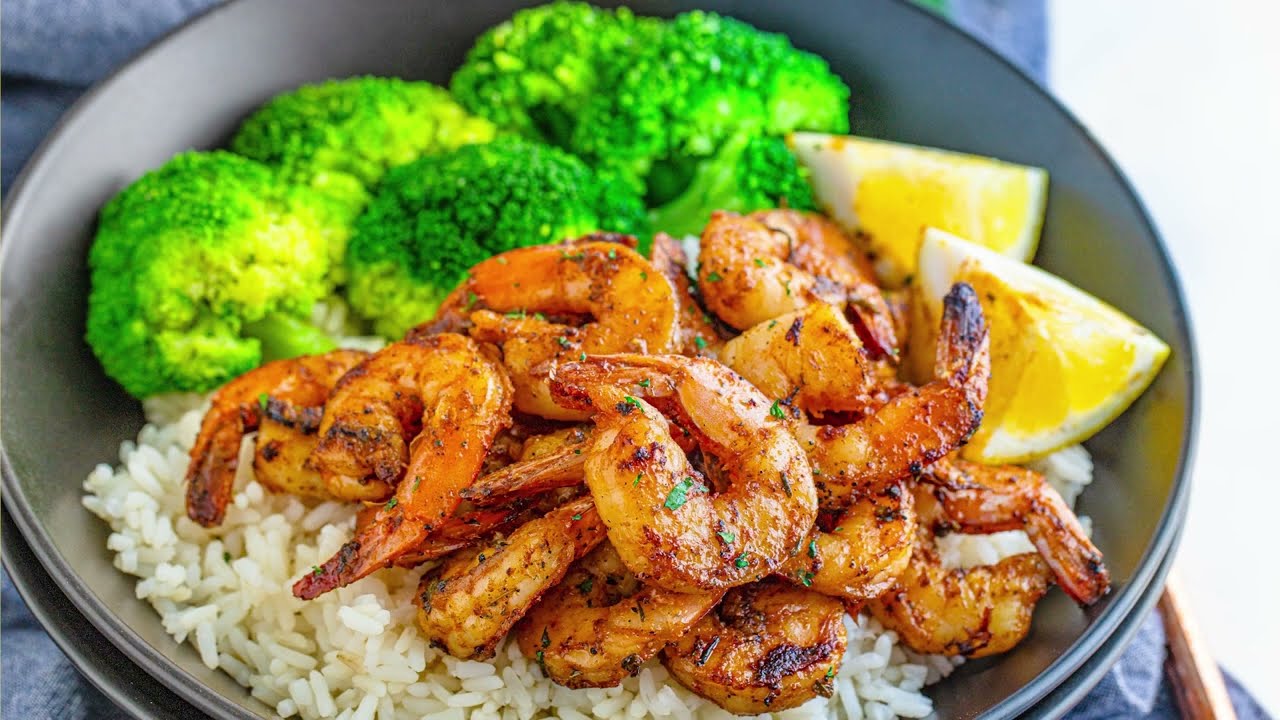
Blackening Seasoning Recipe: Blackening seasoning is a flavorful, smoky, and spicy blend of herbs and spices used to coat food—most often fish or chicken—before it’s seared in a hot pan. The intense heat, combined with butter or oil, causes the spices to char or “blacken,” giving the food a bold crust that’s full of flavor. Think of it as Cajun cuisine’s rebellious cousin—it’s got heat, heart, and a bit of an edge.
While many confuse it with Cajun or Creole seasoning, blackening has its own distinct identity. It’s specifically meant for high-heat cooking, which locks in moisture while creating a delicious, spicy crust.
Origin and Culinary Background
This powerhouse of flavor was made popular by Chef Paul Prudhomme in the 1980s, a Louisiana legend who introduced blackened redfish to the culinary world. Ever since, blackening has become a go-to technique in Southern cuisine, especially in New Orleans-style dishes. It’s loved for its ability to transform simple proteins into something smoky, spicy, and deeply satisfying.
Why Make Your Own Blackening Seasoning?
Freshness and Flavor Control
Let’s be real—store-bought seasonings often fall flat. When you make your own, every spice is fresh, and the aroma alone is enough to get your mouth watering. Homemade blackening seasoning lets you tweak the ratios. Want it spicier? Add more cayenne. Prefer smoky over fiery? Up the smoked paprika.
That level of control is crucial when you’re after bold flavor. Plus, when spices sit on a store shelf for months, they lose potency. With homemade blends, you know exactly when it was made—and how strong it will be.
Healthier Than Store-Bought
Most commercial seasoning blends come packed with preservatives, anti-caking agents, and excessive sodium. Not here. When you DIY, you’re ditching the fillers and embracing the good stuff. You also get the freedom to go low-sodium or even salt-free if you’re watching your intake.
And if you’re gluten-free or avoiding additives, homemade blackening seasoning ensures clean eating without sacrificing bold flavor.
Common Uses of Blackening Seasoning
Best Proteins for Blackening
Blackening seasoning isn’t just for fish, although that’s a classic choice (hello, blackened salmon!). This seasoning is amazing on:
- Chicken breasts or thighs
- Shrimp and scallops
- Pork chops
- Steak (especially ribeye or sirloin)
- Tofu or tempeh for a plant-based option
The spicy crust works wonders with juicy, tender proteins—creating that perfect contrast in every bite.
Creative Uses Beyond Meat
You’re not limited to proteins. Get creative! Sprinkle blackening seasoning on:
- Roasted vegetables (try cauliflower or potatoes)
- Popcorn for a spicy snack
- Grilled corn
- Mac and cheese for a smoky kick
- Eggs or avocado toast
Anywhere you want bold, smoky flavor—you’ve got a new best friend.
Ingredients for Blackening Seasoning
Core Spice Blend
Here’s your go-to blackening seasoning recipe. These are pantry staples that, when combined, deliver a punch of flavor:
- 2 tablespoons smoked paprika
- 1 tablespoon garlic powder
- 1 tablespoon onion powder
- 1 tablespoon dried thyme
- 1 tablespoon dried oregano
- 1 tablespoon black pepper
- 1 teaspoon cayenne pepper (adjust to taste)
- 1 teaspoon salt
This blend hits all the right notes—earthy, herby, spicy, and smoky.
Optional Add-ins for Custom Flavor
Want to elevate your blend? Try mixing in:
- 1 teaspoon ground cumin for extra depth
- A pinch of cinnamon for a unique warmth
- Brown sugar if you like a hint of sweet-spice balance
- Lemon zest for a citrusy pop
Experimenting with your blend allows you to tailor it exactly to your taste—or the dish you’re planning.
Tools You’ll Need
Before you dive in, gather the right tools:
- A set of measuring spoons for accuracy
- A small mixing bowl
- A whisk or spoon for blending
- An airtight glass jar or spice container for storage
- Labels (trust us—you’ll want to know what’s in that jar later)
With just these basics, you can whip up a batch in under five minutes.
Step-by-Step Instructions to Make Blackening Seasoning
Step 1: Gather Your Ingredients
Start by laying out all the spices you’ll need. You don’t want to be halfway through mixing and realize you’re out of paprika. It’s also a great time to check expiration dates. Old spices won’t deliver the bold flavor you’re going for, so make sure they’re fresh.
Here’s a shopping list recap:
- Smoked paprika – this adds rich, smoky depth
- Garlic powder – for a warm, savory punch
- Onion powder – boosts the overall umami
- Dried thyme & oregano – bring in that earthy, herby background
- Black pepper – adds sharpness and a little heat
- Cayenne pepper – gives it the fire
- Salt – balances everything out
Having everything measured and ready keeps things smooth, and lets you make multiple batches if you want to stock up.
Step 2: Measure Precisely
Now it’s time to get precise. Even if you’re a “pinch of this, dash of that” kind of cook, it’s worth being exact with your spice ratios—especially the first time. Too much cayenne can overwhelm. Too little paprika, and you’ll miss out on the smoky base that ties it all together.
Use level tablespoons and teaspoons to measure. Add all the spices to your mixing bowl. Want to make a larger batch? Just double or triple the recipe—but keep the ratios the same to preserve the flavor balance.
Step 3: Blend and Store
Mix your spices thoroughly. You want every pinch of seasoning to have that perfect balance of flavor. Use a whisk or the back of a spoon to break up any clumps, especially from the onion or garlic powder.
Once it’s well blended, pour your blackening seasoning into an airtight container. Glass spice jars or small mason jars work best. Label it with the name and date so you always know how fresh it is.
Pro tip: Store it in a cool, dry place away from sunlight. Your pantry or spice drawer is perfect. Properly stored, it’ll stay fresh for up to 6 months—but chances are, you’ll use it up long before that.
Storage Tips and Shelf Life
Keeping your seasoning fresh is key to preserving its punch. Here are a few quick tips to get the most life out of your homemade blend:
- Use an airtight container – Oxygen is the enemy of fresh spices.
- Store in a cool, dark place – Heat and light can cause your spices to degrade.
- Avoid moisture – Never shake the seasoning directly over steaming food. Instead, spoon it out into your hand or a small dish first.
If stored properly, your blackening seasoning will hold its flavor and aroma for 4–6 months. After that, it won’t “go bad,” but it may lose some of its intensity. You’ll know it’s time to refresh the batch when it stops smelling bold and spicy.
Cooking Tips for Using Blackening Seasoning
Blackening isn’t just about the seasoning—it’s about the technique. Done right, you’ll end up with a crispy, smoky crust and juicy, flavorful meat or seafood inside.
Here’s how to do it:
- Pat your protein dry – Moisture is the enemy of a good sear. Use paper towels to blot off excess water.
- Coat generously – Sprinkle blackening seasoning over all sides of your protein and press it in.
- Use a hot pan – A cast iron skillet is ideal. Heat it until it’s almost smoking.
- Add oil or butter – Use a high smoke point oil (like avocado or grapeseed) or butter for flavor.
- Cook without flipping too soon – Let the crust form. Flip once, and don’t move it around too much.
- Ventilate your kitchen – Seriously, it gets smoky. Turn on the fan or open a window.
You’ll end up with a charred crust that’s packed with flavor, while the inside stays juicy and tender.
Mistakes to Avoid
Even seasoned cooks can mess up blackening if they’re not careful. Watch out for these common slip-ups:
- Overloading the pan – This drops the pan’s temperature, preventing proper blackening.
- Using too much oil – You want enough to coat the pan, but not so much that the spices get soggy.
- Burning instead of blackening – Don’t confuse blackened with burnt. If your seasoning is turning bitter or acrid, your pan may be too hot, or you’re cooking too long.
- Undercooking – While the crust forms fast, make sure your protein is cooked through.
Adjusting the Heat and Flavor Profile
One of the best things about homemade blackening seasoning? You get to play with the heat and tweak it to match your taste buds.
Want It Hotter?
- Increase the cayenne pepper gradually. A little goes a long way, so start with an extra ¼ teaspoon and taste-test from there.
- Add a pinch of crushed red pepper flakes for both visual texture and added heat.
Prefer a Milder Blend?
- Reduce the cayenne or substitute it with chili powder, which is milder but still flavorful.
- Try sweet or smoked paprika as a bigger component to tone down the overall intensity.
Looking for a Smokier Kick?
- Double up on smoked paprika, or swap half the regular paprika for chipotle powder (which adds both heat and smoke).
This customizability is what makes blackening seasoning such a winner. You can have a mild version for kids, a fiery one for spice lovers, and even a citrusy or sweet variation depending on what you’re cooking.
Nutritional Information
Here’s a rough breakdown of what you’re getting in a 1-tablespoon serving of this seasoning blend:
| Nutrient | Approximate Value |
|---|---|
| Calories | 15–20 kcal |
| Fat | 0g |
| Sodium | 200mg (adjustable) |
| Carbs | 4g |
| Fiber | 1g |
| Sugar | 0g |
| Protein | 0g |
These numbers will vary depending on whether you adjust salt content or add sweeteners or extras like brown sugar. But overall, blackening seasoning is low-calorie and packed with bold, crave-worthy flavor without the guilt.
Blackening Seasoning vs Cajun & Creole
This topic causes a lot of confusion, so let’s set the record straight.
Cajun Seasoning:
- Heavy on the heat.
- Fewer herbs, more focus on spices like cayenne and paprika.
- Rustic and bold.
Creole Seasoning:
- More refined.
- Herb-forward, includes extras like basil, celery salt, and bay leaf.
- Slightly milder and more aromatic.
Blackening Seasoning:
- A mix of both Cajun heat and Creole herbiness.
- Specifically designed for high-heat cooking (blackening).
- Smoky, spicy, and built to create that signature crust.
So while they share similarities, blackening seasoning stands on its own and is tailored to a specific technique—not just flavor.
Recipes That Use Blackening Seasoning
Now that you’ve got a jar of homemade blackening seasoning, here’s how to put it to good use:
- Blackened Chicken Alfredo – Coat chicken breasts, pan-sear, slice, and serve over creamy fettuccine Alfredo.
- Blackened Fish Tacos – Rub tilapia or cod, sear, and serve in tortillas with slaw and lime crema.
- Blackened Shrimp Pasta – Toss blackened shrimp into linguine with garlic butter and herbs.
- Blackened Veggie Bowls – Roast cauliflower or sweet potatoes with the seasoning and serve over quinoa or rice.
- Blackened Steak Salad – Add spice-crusted steak slices over fresh greens with blue cheese and balsamic.
These dishes highlight how versatile the seasoning can be—from elegant dinners to weeknight quick meals.
FAQs about Blackening Seasoning Recipe
1. Can I use smoked paprika instead of regular paprika?
Absolutely! Smoked paprika adds a deep, rich flavor that takes the seasoning to the next level. It’s especially great if you love a smoky finish on your proteins.
2. Is blackening seasoning really spicy?
It can be—but it doesn’t have to be. You control the heat. Just dial back the cayenne if you prefer a milder blend or crank it up if you’re a heat seeker.
3. What’s the best oil to use when blackening?
Choose a high smoke point oil like avocado oil, grapeseed oil, or even clarified butter (ghee). These can handle the high heat required without burning.
4. Can I use this seasoning as a dry rub for BBQ?
Definitely! It makes a great rub for grilling or smoking meats. Just apply liberally and let it sit for 30–60 minutes before cooking for maximum flavor.
5. How much blackening seasoning should I use per serving?
A good rule of thumb is about 1 tablespoon per pound of meat or fish. But you can adjust based on your personal taste and the size of the pieces you’re cooking.
Conclusion
Blackening seasoning is more than just a spice blend—it’s a flavor powerhouse that transforms any dish into a smoky, spicy, restaurant-quality meal. Making it at home means fresher taste, better control over ingredients, and endless opportunities to tailor it to your preferences.
Whether you’re searing a juicy chicken breast or seasoning your next bowl of roasted veggies, this homemade blackening seasoning will be your go-to blend. Quick to make, easy to store, and bursting with flavor—it’s a must-have in every spice rack.