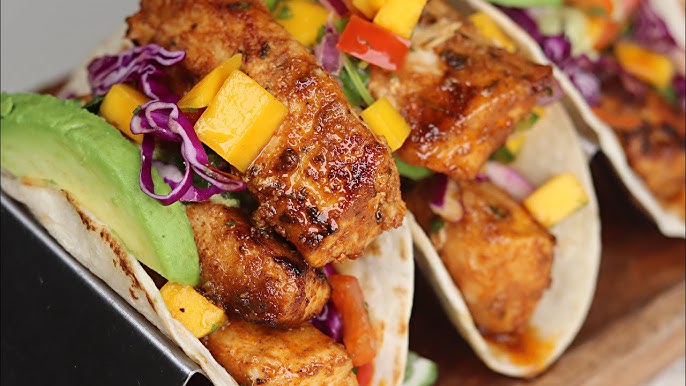
Blackened Mahi Mahi Recipe: If you’re looking to spice up your weeknight dinners with something bold, healthy, and incredibly flavorful, then Blackened Mahi Mahi is your go-to recipe. This dish brings together the smoky char of Cajun-style cooking with the tender, slightly sweet flesh of Mahi Mahi—a tropical fish that holds its own in bold seasoning. With just a handful of spices and a hot skillet, you’ll have a restaurant-quality dish ready in under 20 minutes. Yes, really!
What makes blackened Mahi Mahi so special? It’s the perfect balance of heat and flavor, without overpowering the natural taste of the fish. Plus, it pairs beautifully with a range of sides—from fresh mango salsa and rice to grilled vegetables and tortillas for tacos.
This recipe is designed to be beginner-friendly, yet satisfying for seasoned cooks. Whether you’re cooking for family, meal prepping for the week, or showing off your skills to friends, you’ll love how easy and impressive this dish is.
Let’s dive into everything you need to make this dish a staple in your kitchen!
What Is Blackened Mahi Mahi?
“Blackening” is a cooking technique that originated in Louisiana and is often used in Cajun and Creole cuisines. It involves dredging protein—in this case, fish—in a rich blend of spices and searing it in a hot pan until a deep, almost black crust forms on the surface. It’s not burned—it’s bold, flavorful, and loaded with spice.
Mahi Mahi is the perfect fish for blackening because of its firm texture and mildly sweet flavor. Unlike delicate white fish like tilapia, Mahi Mahi holds up to high-heat searing without falling apart. It’s meaty, almost like a steak, but still light enough to keep things fresh and not heavy.
When the fish hits a scorching hot skillet, the spice rub instantly caramelizes into a crust that seals in moisture and gives it that iconic blackened look. The result? A juicy, tender inside and a spicy, slightly crispy outside that’s just begging to be paired with a refreshing salsa or zesty lime rice.
Health Benefits of Mahi Mahi
Eating fish is great for your health, and Mahi Mahi in particular packs a nutritious punch. Let’s break it down:
- High in Lean Protein: Just one fillet offers over 20 grams of protein with very little fat.
- Low in Mercury: Compared to fish like tuna or swordfish, Mahi Mahi has relatively low mercury levels, making it safer for regular consumption.
- Omega-3 Fatty Acids: These heart-healthy fats support brain function, reduce inflammation, and improve cholesterol levels.
- Low in Calories: Perfect for those watching their calorie intake without sacrificing taste or satisfaction.
It’s also a fantastic source of B vitamins, selenium, and potassium, which help with energy metabolism and muscle function. So not only does this dish taste amazing—it’s great for your body too.
Why You’ll Love This Recipe
There are a million fish recipes out there, but here’s why this blackened Mahi Mahi deserves a permanent spot in your meal rotation:
- It’s Fast – Dinner can be on the table in under 30 minutes, including prep and cook time.
- It’s Flavorful – Thanks to a bold spice rub that adds heat, depth, and smokiness.
- It’s Healthy – Lean protein, low carbs, and high nutrients.
- It’s Versatile – Eat it on its own, in tacos, over a salad, or with rice bowls.
- It’s Impressive – Looks and tastes gourmet but is surprisingly simple to make.
Whether you’re a seafood fan or just looking to try something new, this recipe is the perfect mix of easy and exciting. Ready to get cooking? Let’s talk ingredients.
Ingredients You’ll Need
Let’s get organized before you head to the kitchen. Here’s everything you’ll need for this recipe:
Fresh Ingredients
- 4 Mahi Mahi fillets (about 6 oz each)
- 1 fresh lemon or lime, cut into wedges
- 1 clove garlic, minced (optional for extra flavor)
Dry Spices and Pantry Staples
- 2 teaspoons smoked paprika
- 1 teaspoon onion powder
- 1 teaspoon garlic powder
- 1 teaspoon dried thyme
- 1 teaspoon dried oregano
- ½ teaspoon cayenne pepper (adjust to heat level)
- Salt and freshly cracked black pepper, to taste
- 2 tablespoons olive oil or melted butter
These spices make up your blackening seasoning. If you prefer mild heat, cut the cayenne pepper in half. Want it fiery? Double it!
Optional Ingredients for Serving
- Fresh mango salsa – adds a cool, sweet contrast
- Avocado slices – for creaminess
- Chopped cilantro – for garnish
- Steamed white rice or cilantro lime rice
- Warm tortillas – if turning into tacos
- Lime wedges – for a fresh finish
These are optional, but highly recommended for making your plate both delicious and Instagram-worthy!
Equipment You’ll Need
Before diving into the cooking process, let’s make sure you’ve got the right tools on hand. Having the right equipment can make a big difference in how your fish turns out.
- Cast-iron skillet or heavy-bottomed pan – Essential for getting that signature blackened crust. Cast iron retains heat evenly, helping you achieve the perfect sear.
- Fish spatula – Thin and flexible, this helps flip your fish without it falling apart.
- Mixing bowl – To combine your blackening seasoning.
- Measuring spoons – Accuracy matters when mixing spices.
- Tongs or a spatula – To safely handle the fillets in a hot pan.
- Paper towels – For patting the fish dry before seasoning.
These aren’t fancy kitchen gadgets, but each one plays a role in making sure your fish comes out beautifully cooked, well-seasoned, and easy to handle.
How to Choose the Best Mahi Mahi
Not all Mahi Mahi is created equal. Picking the right fillet can make or break your final dish.
Fresh vs. Frozen
- Fresh Mahi Mahi: Should have a firm texture, no fishy smell, and a translucent pinkish color. The flesh should bounce back when pressed gently.
- Frozen Mahi Mahi: A great option when fresh isn’t available. Make sure it’s vacuum-sealed and doesn’t have any ice crystals (a sign of freezer burn).
How to Defrost Properly
- In the fridge: Best method. Place the sealed fish in the refrigerator overnight.
- Quick method: Seal in a plastic bag and submerge in cold water for about 30 minutes. Never use hot water or the microwave, as this can cook the edges unevenly and ruin the texture.
Pro tip: Always pat your fish dry before seasoning. Moisture will prevent the spice rub from sticking and may cause the fish to steam instead of sear.
How to Make Blackened Mahi Mahi – Step-by-Step Guide
Ready to cook? Follow these steps closely to nail this recipe every time.
Step 1: Prep Your Fish
Pat the mahi mahi fillets completely dry with paper towels—this is key for proper blackening. Moisture prevents the spices from searing well. Season lightly with salt and pepper to build a solid flavor base.
Step 2: Make the Blackening Seasoning
In a small bowl, mix paprika, garlic powder, onion powder, cayenne pepper, dried thyme, dried oregano, black pepper, and salt. Adjust the cayenne to control the heat—less for mild, more for spicy.
Step 3: Coat the Fish
Brush both sides of the fillets with melted butter or oil. Sprinkle the blackening seasoning generously on all sides, pressing gently so it sticks evenly.
Step 4: Preheat the Skillet
Use a cast-iron skillet for best results—it holds high heat and creates that signature crust. Heat the skillet over medium-high until very hot, just beginning to smoke. Proper heat ensures a bold sear without sticking.
Step 5: Cook the Mahi Mahi
Place the fish in the hot skillet and cook for 3–4 minutes per side, depending on thickness. Avoid moving the fish too early. Flip carefully using a wide spatula to keep the fillets intact.
Step 6: Check for Doneness
The fish is done when it turns opaque and flakes easily with a fork. Internal temperature should reach about 63°C (145°F). The outside should be dark, crusty, and aromatic, while the inside remains juicy and tender.
Serve immediately with lemon wedges or a light sauce.
Serving Suggestions
Now the fun part—plating your masterpiece!
Here are some serving ideas to elevate your blackened Mahi Mahi:
- Tacos: Serve in warm tortillas with slaw, mango salsa, and avocado slices.
- Over rice: Pair with cilantro lime rice and black beans.
- With salad: Lay over a bed of arugula or mixed greens with a citrus vinaigrette.
- Tropical bowl: Serve with pineapple chunks, coconut rice, and grilled veggies.
Garnish with fresh lime wedges, chopped cilantro, or a drizzle of garlic aioli for extra flair.
Tips and Tricks for the Perfect Blackened Mahi Mahi
Want to make your blackened Mahi Mahi absolutely foolproof? These expert tips can make all the difference between “meh” and “mind-blowing.”
- Always start with dry fish: Moisture is the enemy of a good crust. Pat your fillets thoroughly before seasoning.
- Use a hot pan—but not too hot: Your skillet should be smoking slightly before you add the fish. However, if it’s billowing smoke, it’s too hot. Adjust the heat as needed.
- Don’t crowd the pan: Cook in batches if needed. Overcrowding the skillet lowers the temperature, leading to steaming instead of searing.
- Let the fish sit after cooking: Resting for a few minutes helps juices redistribute and makes the fish more flavorful.
- Control the heat level: Adjust cayenne pepper in your seasoning to your taste. You can also add a pinch of brown sugar for balance if you’re sensitive to heat.
- Make it your own: Feel free to experiment with the spice blend—add cumin for earthiness, or chipotle powder for smokiness.
Whether it’s your first time making this dish or your fiftieth, these small tweaks can elevate your dish from good to unforgettable.
Common Mistakes to Avoid
Even simple recipes can go sideways if you skip the basics. Avoid these common pitfalls when making blackened Mahi Mahi:
- Not preheating the pan enough: A lukewarm skillet won’t give you that crispy blackened crust.
- Using the wrong oil: Butter alone burns too easily. If you want that buttery flavor, mix it with high-heat oils like avocado or canola.
- Overcooking: Mahi Mahi dries out quickly. Keep an eye on cooking time and internal temperature.
- Not seasoning enough: Don’t be shy with the spice rub—it’s the heart of the flavor.
- Using a non-stick pan: It won’t get hot enough and may result in a less crispy texture. Stick to cast iron or stainless steel if possible.
Learning from these common mistakes ensures your fish comes out perfect every single time.
How to Store and Reheat Leftovers
If you’re lucky enough to have leftovers, here’s how to store and reheat them while keeping flavor and texture intact.
Storage:
- Let the fish cool completely before storing.
- Place in an airtight container.
- Store in the fridge for up to 3 days.
Reheating:
- Best method: Reheat in a skillet over medium-low heat for 2-3 minutes per side.
- You can also reheat in the oven at 300°F (150°C) for about 10 minutes.
- Avoid microwaving—it can make the fish rubbery and ruin the crust.
Bonus tip: Turn leftovers into tacos, wraps, or salad toppings for an easy next-day lunch.
Variations of the Recipe
Blackened Mahi Mahi is already a versatile dish, but if you’re feeling creative, here are a few ways to switch it up:
1. Blackened Mahi Mahi Tacos
- Shred the cooked fish into bite-size chunks.
- Serve in corn tortillas with slaw, avocado, and a drizzle of lime crema or chipotle mayo.
2. Mahi Mahi with Creamy Garlic Sauce
- After cooking the fish, deglaze the pan with a splash of white wine.
- Stir in a little cream, garlic, and parsley for a quick pan sauce.
3. Oven-Baked Blackened Mahi Mahi
- Preheat your oven to 425°F (218°C).
- Line a baking sheet with foil and spray with oil.
- Bake seasoned fillets for 12–15 minutes or until cooked through.
4. Air Fryer Version
- Preheat your air fryer to 400°F (200°C).
- Place fillets in the basket and cook for 8–10 minutes, flipping halfway through.
These variations are perfect when you want to change things up without reinventing the wheel.
FAQs about Blackened Mahi Mahi Recipe
1. Can I use frozen Mahi Mahi for this recipe?
Yes, frozen Mahi Mahi works perfectly as long as you thaw it properly. Just make sure to pat it dry completely before applying the seasoning.
2. Is this recipe very spicy?
It can be! But you’re in control. Simply reduce the amount of cayenne pepper if you prefer a milder taste.
3. Can I cook this on the grill instead of a skillet?
Absolutely. A grill gives it even more smoky flavor. Use a well-oiled grill grate or fish basket to prevent sticking.
4. What’s a good substitute for Mahi Mahi?
Other firm fish like halibut, swordfish, cod, or even salmon work great with this recipe.
5. Can I make the blackening seasoning in advance?
Yes! Mix a big batch and store it in an airtight jar for up to 3 months. It’s great on chicken, shrimp, and even roasted veggies.
Conclusion
There you have it—a complete guide to making Blackened Mahi Mahi that’s juicy, flavorful, and guaranteed to impress. Whether you’re cooking for one or feeding a crowd, this recipe is fast, flexible, and seriously satisfying.
From picking the best fillets to mastering the perfect spice crust, you now have all the tools you need to make this dish like a pro. Don’t be afraid to play around with the seasonings or serve it in different ways. This is one of those recipes that becomes even better the more you make it.
So fire up that skillet, break out those bold spices, and treat yourself to a meal that’s as healthy as it is delicious.