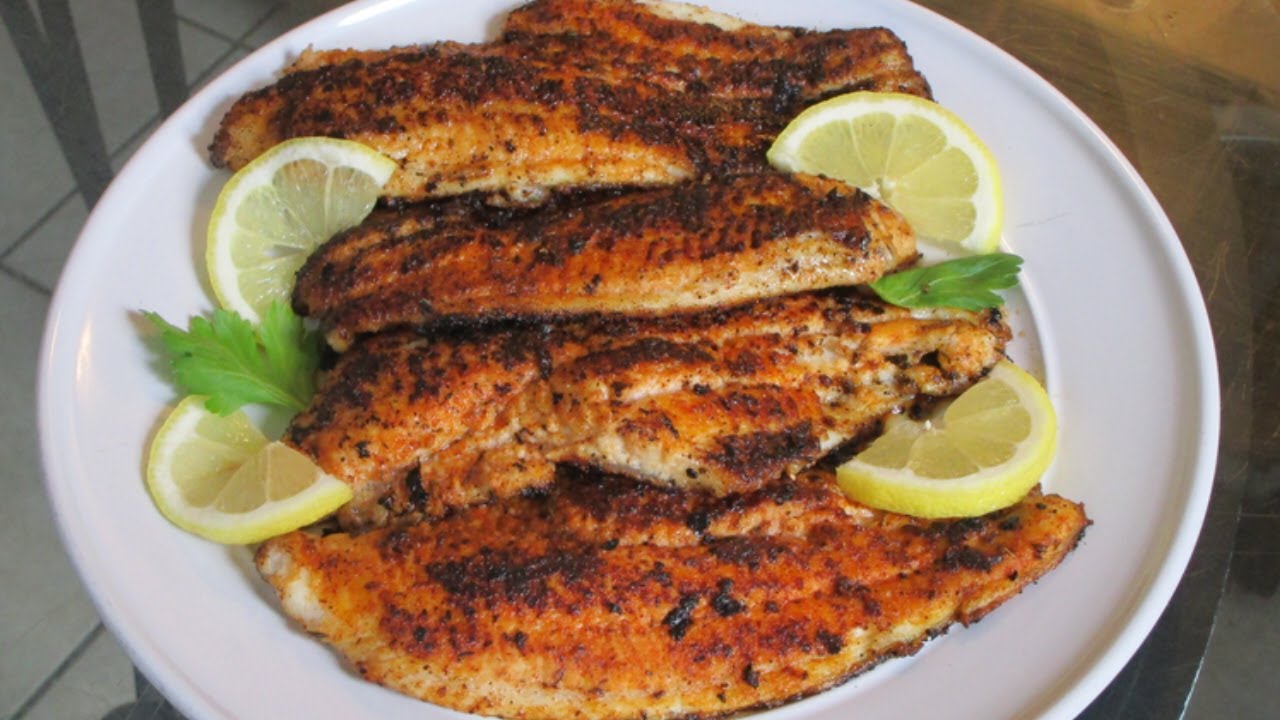
Blackened Catfish Recipe: Craving a bold, spicy, and satisfying Southern meal? This blackened catfish recipe brings flavor straight from the bayou to your kitchen. Whether you’re a seafood lover or just want to shake up your dinner routine, blackened catfish hits that perfect spot between smoky, spicy, and savory. It’s a quick-cooking, flavor-packed dish that looks impressive on the plate—but is surprisingly simple to make.
The magic comes from the technique: searing a heavily seasoned fish fillet in a hot cast-iron skillet until the spices form a dark crust that’s not burned, but beautifully “blackened.” This caramelized crust locks in flavor and gives the catfish a satisfying crunch on the outside while keeping the inside moist and flaky.
Whether you’re cooking for a family dinner, meal prepping for the week, or hosting friends, this guide walks you through everything—from ingredients to serving tips. Let’s dive in!
Ingredients You’ll Need
Before we start cooking, let’s get prepped. Here’s everything you’ll need to make the perfect blackened catfish.
Main Ingredients:
- 4 Fresh Catfish Fillets: Look for fillets that are firm, not mushy, and have a fresh smell—not fishy.
- 2–3 Tablespoons Unsalted Butter or Olive Oil: For searing the fish and building that rich blackened crust.
- Lemon Wedges (for serving): A squeeze of lemon brightens up the deep spices.
- Optional Garnishes:
- Fresh parsley or green onions
- Hot sauce for extra kick
For the Blackening Seasoning Mix (homemade):
You can always use a store-bought blend, but making your own allows you to control the spice level and freshness. Here’s what you’ll need:
- 1 tablespoon Paprika
- 1 teaspoon Garlic Powder
- 1 teaspoon Onion Powder
- 1 teaspoon Cayenne Pepper (adjust to taste)
- 1 teaspoon Dried Thyme
- 1 teaspoon Dried Oregano
- ½ teaspoon Salt
- ½ teaspoon Black Pepper
Mix all spices in a bowl and set aside. You can store extra in an airtight jar for later.
Kitchen Tools You’ll Need
Having the right tools can make the process smoother and safer—especially since you’ll be working with high heat.
Essential Tools:
- Cast Iron Skillet: It’s the best tool for blackening. It retains heat well and helps form that crispy crust.
- Tongs or Fish Spatula: To flip the fillets without breaking them.
- Paper Towels: To pat the fish dry—this helps the seasoning stick better.
- Mixing Bowl & Measuring Spoons: For combining your spices.
- Plate or Platter: For serving your finished catfish beautifully.
Step-by-Step Guide to Making Blackened Catfish
Here’s where the fun begins. Let’s break it down step by step so you nail this recipe on your first try.
Step 1: Prep the Catfish Fillets
Rinse the fillets gently under cold water, then inspect them for any bones. If you see any, remove them with tweezers. Pat them dry thoroughly with paper towels. This is important: dry fillets allow the seasoning to stick and help create that perfect crust.
Step 2: Pat Dry for Better Seasoning
Use fresh paper towels to ensure no moisture remains. Moisture will steam the fish instead of blackening it. You want dry fillets that are ready to absorb flavor.
Step 3: Mix the Blackening Seasoning
In a small bowl, combine all the spices listed earlier. This blend is what gives the dish its bold personality. Make sure it’s well mixed so each bite has a perfect balance of heat and flavor.
Step 4: Coat the Fillets Generously
Rub the spice mix all over the fish, making sure each piece is evenly coated. Don’t be shy here—this dish is all about bold flavors. You can press the seasoning in gently so it sticks.
Step 5: Heat Your Cast Iron Skillet
Place your skillet over medium-high heat and let it get hot—really hot. It should be nearly smoking before you add the fish. This high heat is key for getting that signature blackened crust.
Step 6: Add Butter or Oil for Searing
Once the skillet is hot, add your butter or oil. Swirl it around to coat the bottom. The moment it starts to sizzle, you’re ready to cook.
Step 7: Cook the Catfish (2-3 Minutes Each Side)
Carefully place your seasoned fillets into the skillet. Cook for about 2-3 minutes per side. Don’t move them around too much. Let them sit to build up that crust.
You’ll know it’s time to flip when the edges start to look crispy, and the bottom releases easily from the pan.
Step 8: Check for Doneness
The fish should be opaque and flake easily with a fork. If it’s still translucent in the center, give it another minute or two.
Step 9: Remove and Let Rest
Once cooked, transfer the catfish to a plate and let it rest for a couple of minutes. This keeps it juicy and allows the flavors to settle.
Step 10: Serve Hot with Sides
Plate your catfish with a squeeze of lemon and your favorite Southern sides. Add a sprinkle of fresh herbs for a beautiful finish.
Tips for Perfect Blackened Catfish
Making blackened catfish isn’t just about following a recipe—it’s about mastering a few key tricks that elevate your cooking. Here’s how to make sure your catfish turns out restaurant-quality every time.
1. Use a Cast Iron Skillet for Maximum Heat
You can’t get that signature crust without a hot, heavy pan. A cast iron skillet is ideal because it retains heat and distributes it evenly. Don’t rush the heating process—let it get piping hot before adding your fish. If you don’t hear a loud sizzle the moment your catfish hits the pan, the skillet’s not ready yet.
2. Don’t Skimp on the Seasoning
Blackened catfish gets its flavor from a generous coating of spices. Lightly sprinkling won’t do the trick—you need to rub it in so that it forms that deep, flavorful crust during cooking. Be sure to coat both sides evenly.
3. Avoid Overcrowding the Pan
Give each fillet space to breathe. Overcrowding lowers the skillet’s temperature and causes steaming instead of searing. If you’re cooking multiple fillets, work in batches.
4. Keep the Fish Dry
Moisture is the enemy of searing. Pat those fillets completely dry with paper towels. If they’re wet, they’ll steam, not blacken.
5. Go Easy on Flipping
Flipping the fish too early or too often can break it apart and ruin the crust. Let it cook undisturbed for a few minutes on each side. You’ll know it’s ready when it lifts easily from the pan.
6. Use Fresh Ingredients
Fresh fish and freshly ground spices will make all the difference in taste. If your fillets smell “fishy,” they might not be fresh.
Best Side Dishes to Serve with Blackened Catfish
A flavorful main like blackened catfish deserves equally delicious side dishes. Whether you’re going for something light or indulgent, here are some killer pairings that balance the heat and smokiness of the fish.
1. Southern-Style Coleslaw
Cool, creamy coleslaw is a classic pairing for spicy blackened fish. It cools the palate while adding crunch and tang. Use a vinegar-based or creamy dressing depending on your preference.
2. Cornbread or Hush Puppies
Something a little sweet and starchy helps mellow out the spice. Cornbread or hush puppies do the job beautifully and soak up any extra butter or sauce on the plate.
3. Rice Pilaf or Dirty Rice
Rice is perfect for absorbing the bold flavors of blackened fish. Dirty rice with Cajun seasoning or a simple rice pilaf with herbs and lemon is always a great choice.
4. Roasted or Steamed Vegetables
Balance out your plate with some greens. Think garlic green beans, roasted asparagus, or steamed broccoli. They add nutrition and color without stealing the spotlight.
5. Mac and Cheese
Want to go full comfort mode? Creamy mac and cheese is rich, satisfying, and a guaranteed crowd-pleaser.
How to Store Leftovers
Blackened catfish is best enjoyed fresh, but if you’ve got leftovers, don’t toss them. Here’s how to store and reheat them the right way.
Refrigerating Leftovers
- Place the cooked fillets in an airtight container
- Store in the refrigerator for up to 2–3 days
- For best quality, place parchment paper between layers if stacking fillets
Freezing Tips
You can freeze blackened catfish, but the texture may change slightly.
- Wrap individual fillets in plastic wrap, then in foil
- Store in a zip-top freezer bag
- Freeze for up to 1 month
How to Reheat
- Stovetop (Best Method): Reheat in a skillet over medium-low heat with a little oil or butter until warmed through.
- Oven: Preheat to 300°F (150°C), wrap fillets in foil, and bake for 10–15 minutes.
- Microwave (Least Recommended): Use low power and short intervals to avoid rubbery texture.
Avoid overcooking during reheating or the fish may dry out and lose its tender texture.
Can You Use Frozen Catfish?
Absolutely. Frozen catfish works fine as long as you thaw it properly.
Thawing Tips:
- Best Method: Transfer frozen fillets to the fridge overnight.
- Quick Method: Place fillets (sealed in a plastic bag) in cold water for 30–45 minutes.
Check Quality Before Cooking:
- The fillets should be firm and not mushy
- There should be no freezer burn or ice crystals
- The fish should not smell overly “fishy”
Once thawed, pat them dry thoroughly and follow the recipe as usual.
Making it Healthier: Lighter Alternatives
Trying to keep things on the lighter side? You can absolutely make this dish healthier without losing flavor.
Healthier Cooking Methods:
- Bake Instead of Fry: Preheat oven to 400°F (200°C), place seasoned fillets on a baking sheet with a little olive oil, and bake for 12–15 minutes.
- Use Olive or Avocado Oil: These healthier fats still give a good sear and are heart-friendly.
- Air Fry: Cook the fillets in an air fryer at 390°F for about 10–12 minutes. Just be sure to spray a little oil so the spices don’t fly off.
Low-Sodium Option:
Reduce or skip the salt in the seasoning mix and let herbs and spices carry the flavor. You’ll be surprised how flavorful it can still be!
Blackened Catfish Variations
Want to change things up? Here are a few creative takes on the classic blackened catfish recipe:
1. Cajun-Style Catfish
Double down on the heat with extra cayenne, hot sauce, and even a pinch of chili powder. Serve with red beans and rice for a Louisiana-inspired dinner.
2. Lemon Herb Blackened Catfish
Add fresh lemon zest and chopped herbs (like parsley or basil) to the seasoning mix. It’s perfect for spring and summer vibes—light, bright, and flavorful.
3. Blackened Catfish Tacos
Chop up the cooked catfish and toss it into soft tortillas with slaw, avocado, and a creamy chipotle sauce. Great for parties or casual weeknight dinners.
Common Mistakes to Avoid
Even experienced cooks can mess up a simple recipe. Here’s what to steer clear of:
1. Not Preheating the Skillet
This is the #1 mistake. If your pan isn’t hot enough, the spices won’t sear—they’ll just steam and turn mushy.
2. Overcooking the Fish
Catfish cooks fast. Go overboard and it gets dry and rubbery. Stick to 2–3 minutes per side and watch closely.
3. Using Too Much Oil
A little goes a long way. Too much oil can cause the spices to burn instead of blacken. You want enough to prevent sticking, but not so much that it becomes greasy.
4. Undersalting the Seasoning
Salt helps enhance all the other spices. If your seasoning blend tastes bland, a little salt can fix it—just don’t overdo it.
Blackened vs. Grilled vs. Fried Catfish
What’s the difference between these popular cooking styles?
| Feature | Blackened Catfish | Grilled Catfish | Fried Catfish |
|---|---|---|---|
| Flavor | Bold, smoky, spicy | Milder, slightly charred | Crispy, often seasoned |
| Texture | Crusty outside, tender inside | Slightly firm, juicy | Crunchy coating |
| Cooking Method | Pan-seared at high heat | Grilled over flame | Deep-fried in oil |
| Health Factor | Medium (depends on fat used) | High (low fat) | Lower (more fat/oil) |
Each method has its charm, but for flavor and ease, blackened catfish is a top pick.
FAQs about Blackened Catfish Recipe
1. Can I make blackened catfish in the oven?
Yes! Preheat your oven to 400°F (200°C), place seasoned fillets on a baking tray, and bake for 12–15 minutes. You won’t get quite the same crust, but it’ll still taste great.
2. What fish can I use instead of catfish?
Good substitutes include tilapia, cod, snapper, or mahi-mahi. Look for firm white fish that can hold up to high heat.
3. How spicy is blackened catfish?
It’s medium-spicy by default. You can adjust the heat by changing the amount of cayenne pepper in your seasoning mix.
4. Can I use store-bought blackening seasoning?
Absolutely. Just check the label for salt and spice content. You may want to tweak it to suit your taste.
5. Is this recipe gluten-free?
Yes, as long as all your spices are pure and there’s no flour or breading added, it’s naturally gluten-free.
Conclusion
There you have it—a step-by-step guide to making perfect blackened catfish at home. It’s fast, flavorful, and surprisingly simple to master. Whether you’re cooking for yourself or showing off your skills at a family dinner, this dish delivers every time. Once you get the hang of it, you’ll be blackening everything from shrimp to chicken to tofu.
Don’t be afraid to make it your own—spice it up, dress it down, or try new sides. Just remember: hot skillet, dry fish, bold spices. That’s the holy trinity of great blackened catfish.