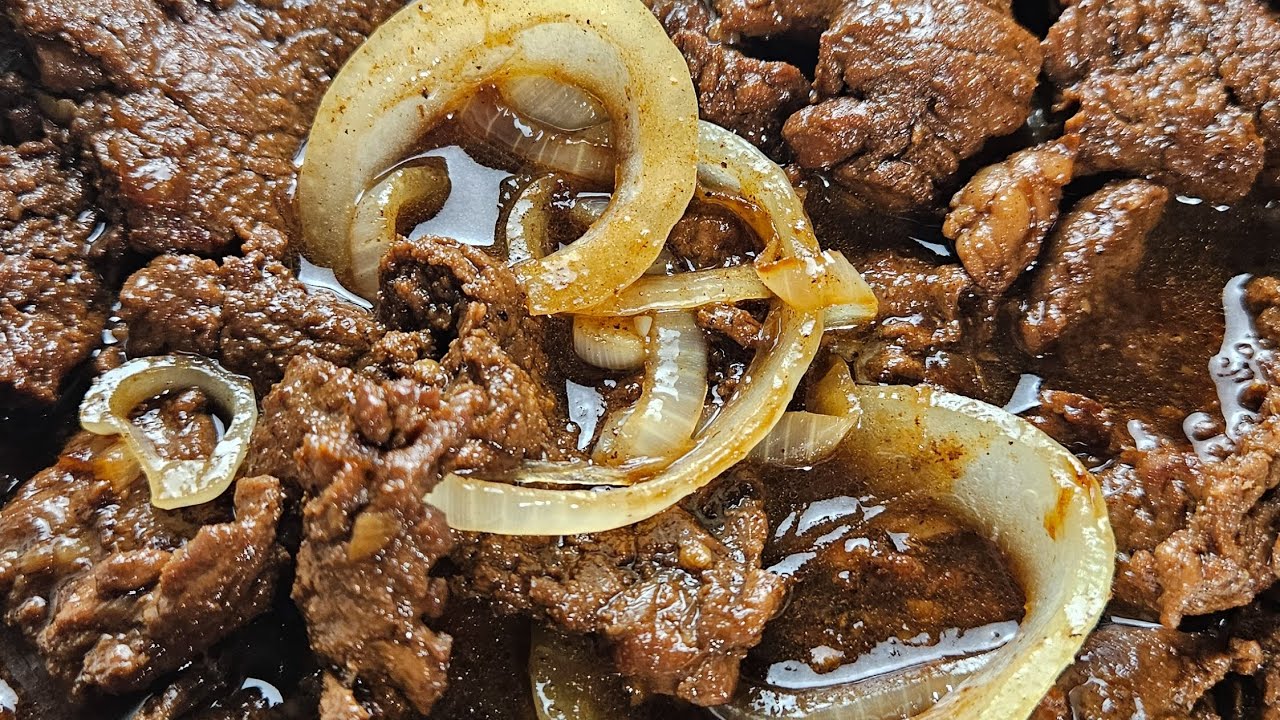
Bistek Tagalog Recipe: Ever smelled a dish so fragrant it made your stomach growl on the spot? That’s Bistek Tagalog for many Filipinos. Rich in flavor and emotion, this savory, tangy, and slightly sweet beef dish is more than just a meal—it’s comfort food that brings people together. Whether you’re Filipino or just someone who loves trying new cuisines, this recipe will leave a lasting impression on your taste buds.
In this guide, we’re breaking it down for you—from picking the right ingredients to serving it hot on your dinner table. Ready to master this iconic dish? Let’s get started.
What is Bistek Tagalog?
Bistek Tagalog is the Filipino version of beef steak. But don’t expect it to look or taste like the Western-style steak you’re used to. Instead, Bistek Tagalog features thinly sliced beef marinated in soy sauce, calamansi (or lemon), garlic, and onions, then simmered to juicy perfection. It’s hearty, simple, and packed with umami.
The dish is often served with white rice, soaking up all the mouthwatering sauce. It’s also a common part of celebrations and Sunday lunches, proving its status as a well-loved meal across Filipino households.
One fun fact? The term “bistek” is actually a borrowed word from the Spanish “bistec” meaning “beef steak”—a testament to the Philippines’ colonial past. But through generations, Filipinos have made it their own.
Ingredients You’ll Need
Here’s your checklist before hitting the kitchen. These ingredients are simple but crucial to achieving that authentic Bistek Tagalog flavor:
Main Ingredients:
- 500g beef sirloin or flank steak (thinly sliced)
- 1/3 cup soy sauce (preferably Filipino brand)
- 1/4 cup calamansi juice (or lemon juice if unavailable)
- 1 large onion (sliced into rings)
- 4 cloves garlic (minced)
- 1/2 teaspoon ground black pepper
- 2 tablespoons cooking oil
- 1/2 cup water (adjust depending on how saucy you like it)
Optional Ingredients:
- Bay leaf (for aroma)
- Butter (adds richness)
- Sugar (balances the saltiness)
- Chili flakes (for a little kick)
Substitutions:
- Lemon or lime in place of calamansi
- Tamari or coconut aminos for a gluten-free alternative
- Tofu or mushrooms for a vegetarian version
Make sure to use fresh, good-quality beef for the best texture and flavor. The secret is in the balance between savory, tangy, and aromatic elements.
Choosing the Right Cut of Beef
You don’t want to bite into rubbery beef, right? The cut you use makes a massive difference. Aim for beef cuts that are tender even when cooked quickly or simmered for a short time.
Recommended Cuts:
- Sirloin – tender, lean, and widely available
- Top round – slightly tougher but flavorful
- Flank steak – lean and perfect when thinly sliced across the grain
The key is slicing the beef thinly against the grain. This shortens the muscle fibers and results in softer, melt-in-your-mouth bites.
Pro Tips:
- Freeze the beef for 30–45 minutes before slicing—it firms up and makes thin slicing much easier.
- Use a sharp knife and cut diagonally for wider, thinner pieces.
- If time allows, tenderize the beef with a mallet.
By starting with the right cut and technique, you’re setting yourself up for a winning bistek.
Marinating the Beef: The Flavor Foundation
This is where the magic starts. Marination isn’t just a step—it’s the soul of Bistek Tagalog. That tangy, garlicky soy marinade infuses the beef with bold flavor, softens its texture, and gives the dish its signature taste.
Marinade Ingredients:
- Soy sauce
- Calamansi or lemon juice
- Garlic
- Pepper
Marination Time:
- Minimum: 30 minutes
- Ideal: 2 to 4 hours
- Best: Overnight in the fridge
The longer you marinate, the deeper the flavor. Just don’t go beyond 24 hours or the beef might get too salty or start to break down.
Common Mistakes to Avoid:
- Skipping the garlic – it adds essential depth
- Over-marinating – turns the beef mushy
- Not stirring – make sure every slice is coated well
Trust us, the extra time you invest in marination will come through in every bite.
Essential Tools You’ll Need
You don’t need a fancy kitchen setup to cook Bistek Tagalog, but having the right tools can make the process smoother and more enjoyable. These are the kitchen essentials you should have on hand:
Basic Tools:
- Sharp knife – For thinly slicing the beef and onions
- Cutting board – Preferably one for meat and one for vegetables
- Mixing bowl – To marinate your beef evenly
- Large skillet or wok – Non-stick or cast iron works great
- Tongs or spatula – For turning and stirring the meat
- Measuring cups and spoons – To keep your proportions accurate
Helpful Add-ons (Optional but Nice to Have):
- Meat tenderizer – If you’re using tougher cuts of beef
- Garlic press – For faster garlic prep
- Lid for your pan – To lock in moisture while simmering
Using the proper tools not only makes prep easier but also helps cook the beef evenly and safely. A large skillet with high sides is especially helpful for cooking the beef and letting it simmer in its flavorful sauce without spills.
Preparing the Onions
Ah, the humble onion—often overlooked but a key player in Bistek Tagalog. The sweetness and texture it adds balances out the saltiness of the soy sauce and the tang of the calamansi.
How to Slice the Onions:
- Cut off the ends and peel.
- Slice into 1/4-inch thick rings (not too thin or they’ll disappear while cooking).
- Separate the rings gently with your hands.
You can choose either white or red onions depending on what’s available. Red onions tend to be sweeter, while white onions are sharper.
To Cook or Not to Cook?
You have two options:
- Sautéed onions – Adds a soft, sweet layer to the dish. Cook them lightly in oil until translucent.
- Raw onions on top – Brings a fresh crunch and a mild sharpness. Often used as a garnish for contrast.
Some even add both for texture variation—sautéed in the sauce and raw for garnish. Either way, onions are a must-have in your bistek.
Step-by-Step Cooking Instructions
Now for the fun part—cooking! Let’s break it down into simple, doable steps.
Step 1: Marinate the Beef
Slice the beef thinly against the grain for tenderness. Place it in a bowl and marinate with soy sauce, fresh calamansi or lemon juice, minced garlic, and ground black pepper. Mix well and let it marinate for at least 30 minutes. This step infuses the beef with the classic savory and tangy flavor of Bistek Tagalog.
Step 2: Prepare the Onions
Peel and slice the onions into rings. Separate them gently and set aside. Onions are a key element of this dish, adding sweetness that balances the salty, citrusy sauce.
Step 3: Sear the Beef
Heat oil in a pan over medium-high heat. Remove the beef from the marinade, reserving the liquid. Sear the beef slices in batches until lightly browned on both sides. Avoid overcrowding the pan to ensure proper browning. Set the beef aside.
Step 4: Simmer in Sauce
Pour the reserved marinade into the pan and add a little water if needed. Bring to a gentle boil, then return the beef to the pan. Lower the heat and simmer for 10–15 minutes until the beef becomes tender and the sauce slightly thickens.
Step 5: Add Onions and Finish Cooking
Add the sliced onions to the pan and cook for 2–3 minutes until slightly softened but still crisp. Taste and adjust seasoning if needed. Serve hot with steamed rice.
Tips for a Tender and Juicy Bistek
Even with the right ingredients, you can mess up bistek if you’re not careful. So here are some expert tips to guarantee soft, flavorful meat every time.
1. Slice Against the Grain
Always cut the beef against the muscle lines. This shortens the fibers and makes each bite tender, not chewy.
2. Don’t Overcook
Beef cooks fast, especially thin slices. High heat sears it quickly—avoid leaving it in the pan too long. Simmering too long can also make it rubbery.
3. Marinate Properly
Letting the meat soak in calamansi and soy sauce helps break down proteins and boost flavor. But more isn’t always better—don’t marinate for days.
4. Use a Tenderizer
For tougher cuts, gently pound the beef with a meat mallet to soften the fibers before marinating.
5. Let It Rest
Once cooked, let the dish rest for a few minutes off the heat. This lets the juices settle into the meat and onions.
These small tweaks can take your bistek from average to absolutely unforgettable.
What to Serve with Bistek Tagalog
This dish is a main course star, but it shines even brighter with the right supporting cast.
Best Pairings:
- Steamed white rice – The classic combo. Soaks up all the sauce.
- Garlic fried rice – Adds a bold flavor kick.
- Atchara (pickled papaya) – Gives a tangy-sweet contrast.
- Steamed or sautéed vegetables – Bok choy, string beans, or broccoli add freshness.
- Egg on top – Sunny-side up for richness.
If you’re hosting a Filipino-style meal, pair bistek with pancit, lumpia, or sinigang for a well-rounded feast.
How to Store Leftovers
Made too much? Lucky you! Bistek Tagalog actually tastes even better the next day after the flavors have settled in.
Storing Tips:
- Let the dish cool to room temperature before storing.
- Place in an airtight container.
- Store in the fridge for up to 3–4 days.
Freezing:
- Bistek freezes well.
- Use freezer-safe containers or ziplock bags.
- Can be stored for up to 2 months.
Reheating:
- Reheat on the stovetop over low heat.
- Add a splash of water if the sauce is too thick.
- Microwave in short intervals, stirring in between.
Proper storage means you can enjoy this comfort food even on your busiest days.
Common Mistakes to Avoid
Even though Bistek Tagalog seems simple, there are a few common pitfalls that can affect the taste, texture, or overall quality of the dish. Learning from these missteps can help you nail it every single time.
1. Using the Wrong Cut of Beef
If you choose a tough cut and don’t slice it properly, you’ll end up with chewy or rubbery bistek. Always go for tender cuts like sirloin or tenderloin, and slice thinly against the grain.
2. Skipping the Marination Step
Marinating is not optional. It’s what gives the beef that rich, savory, and slightly tangy flavor. Skipping or shortening this step means you’re missing out on the soul of the dish.
3. Overcrowding the Pan
When searing the beef, putting too much in the pan at once drops the temperature, which causes the meat to steam rather than brown. Always sear in small batches to get that beautiful caramelization.
4. Overcooking the Beef
Because the beef is sliced thin, it cooks fast. Overcooking will make it dry and tough. Keep a close eye and don’t let it simmer too long—just enough to cook through and absorb the sauce.
5. Using Too Much Soy Sauce
Bistek is savory, but it shouldn’t be overwhelmingly salty. Use a balanced ratio of soy sauce and calamansi/lemon juice, and taste as you go.
6. Forgetting to Adjust the Sauce
Every soy sauce and citrus fruit is slightly different in taste. After simmering, always taste the sauce and adjust seasoning if needed—maybe a pinch of sugar, a splash more citrus, or a little water.
Avoid these slip-ups, and your Bistek Tagalog will be as close to perfect as it gets.
Healthier Version of Bistek Tagalog
Love Bistek Tagalog but trying to eat healthier? Good news: you can absolutely tweak this dish to make it lighter without sacrificing its delicious flavor.
1. Use Lean Cuts of Beef
Choose cuts like top sirloin or eye of round, which are lower in fat. You can even trim off any visible fat before cooking.
2. Go Easy on the Oil
Instead of frying onions or searing beef in lots of oil, try sautéing with a non-stick pan and just a teaspoon or two of oil—or use a cooking spray.
3. Reduce Sodium
Use low-sodium soy sauce or mix regular soy sauce with water to cut down on salt. You can also swap in coconut aminos for a healthier, lower-sodium alternative.
4. Add Vegetables
Boost the nutritional value by tossing in sliced bell peppers, mushrooms, or green beans. They add volume, fiber, and extra flavor.
5. Serve with Brown Rice or Quinoa
Instead of white rice, go for whole grains like brown rice or quinoa for added nutrients and fiber.
These small changes go a long way in making your beloved bistek a regular on your healthy meal rotation.
Vegan or Vegetarian Alternatives
Missing the meaty flavors of bistek but sticking to a plant-based diet? Don’t worry—Bistek Tagalog can absolutely be enjoyed vegan-style! The key is in the marinade and sauce, which brings all the flavor.
1. Use Tofu or Mushrooms
- Tofu: Extra-firm tofu is ideal. Press it to remove excess moisture, then slice and pan-fry until crispy before marinating.
- Mushrooms: Portobello or king oyster mushrooms offer a meaty bite and soak up the flavors beautifully.
2. Plant-Based Marinade
Use the same marinade—soy sauce, calamansi/lemon juice, garlic, and pepper. Add a splash of maple syrup for that slight sweetness.
3. Add More Veggies
Toss in sautéed onions, bell peppers, and even eggplant for a fuller meal.
4. Serve Over Rice or Grain Bowls
Pile your vegan bistek on top of rice or quinoa and top with green onions or sesame seeds for a fresh twist.
This meat-free version is just as comforting and flavorful, plus it’s kind to both your health and the planet.
FAQs about Bistek Tagalog Recipe
1. Can I use pork instead of beef in Bistek Tagalog?
Absolutely! Pork bistek (often using pork chops or pork shoulder) is a popular variation. Just make sure to cook it slightly longer until tender.
2. How long should I marinate the beef?
For best results, marinate for at least 2 hours or overnight. This helps the flavors absorb fully into the beef and tenderizes it.
3. What soy sauce works best for Bistek Tagalog?
Filipino brands like Silver Swan or Datu Puti are commonly used, but any dark soy sauce will do. You can mix it with a bit of water or citrus if it’s too strong.
4. Can I freeze Bistek Tagalog?
Yes! You can freeze both raw (already marinated) and cooked bistek. Just thaw in the fridge before reheating or cooking.
5. Is this dish supposed to be spicy?
Traditionally, no. Bistek is savory and tangy, not spicy. But you can add chili flakes or siling labuyo (Filipino chili) if you want heat.
Conclusion
Bistek Tagalog is more than just a beef dish—it’s a slice of Filipino culture served on a plate. Its savory soy-calamansi sauce, tender beef slices, and sweet onion rings make it a well-rounded, comforting meal that brings warmth to any table.
Whether you’re cooking it the traditional way or putting a modern, healthy spin on it, this dish is all about balance—between tangy and salty, tender and crispy, hearty and fresh.
Now that you’ve got a full guide, why not give it a shot in your own kitchen? It’s easy to prepare, incredibly satisfying, and sure to become a go-to favorite.