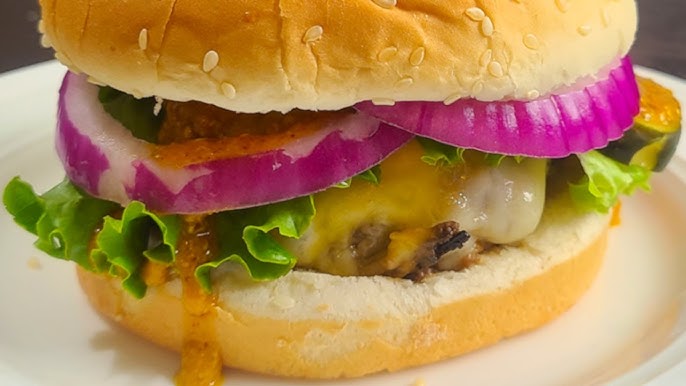
Bison Cheeseburger Recipe: When you think of a juicy cheeseburger, beef is usually the first thing that comes to mind. But what if you could have all that savory goodness without the guilt? That’s where bison steps in. Bison burgers are quickly becoming the go-to for people who want a rich, meaty burger experience—without the heaviness of traditional beef. It’s lean, flavorful, and packed with nutrients that’ll make you feel good about every bite.
Bison isn’t just a trendy alternative; it’s a smarter choice. Whether you’re looking to cut back on fat or explore new flavors, bison brings something different to the table. It has a slightly sweet, earthy flavor—less greasy, but just as satisfying. And because it’s lower in fat, it’s also lighter on your stomach.
So, why settle for the usual? With the right ingredients and a little guidance, you can make a bison cheeseburger that rivals any restaurant burger. Let’s break it down step by step so you can impress your taste buds—and anyone else lucky enough to get a bite.
What Makes Bison Unique for Burgers?
You might be wondering, “Isn’t bison just another red meat like beef?” Technically, yes—but the differences make all the difference. Bison is naturally leaner than beef, which means it has less saturated fat and fewer calories per serving. That’s already a win for your heart and waistline.
But the magic of bison doesn’t stop at health. Its flavor is deeper and slightly sweeter than beef, giving you that gourmet burger taste with less effort. You also don’t need as many seasonings to bring out the natural richness of the meat.
Another bonus? Bison is often raised without hormones or antibiotics. It’s typically grass-fed and raised in more natural environments. So not only is your burger healthier, but it’s also better for the planet. Sustainability tastes pretty good when it’s grilled to perfection, right?
Now that we know why bison rocks, let’s get into the real fun—making your own at home.
Essential Tips Before You Start Cooking
Cooking with bison is similar to beef in many ways, but there are a few key tips to make sure your burgers turn out juicy, not dry.
1. Don’t Overcook It: This is rule number one. Bison has a much lower fat content than beef, which means it can dry out quickly if overcooked. Aim for medium-rare to medium for the best texture and flavor. Invest in a meat thermometer and cook to around 135°F–140°F internally.
2. Add Some Fat (Optional):
Want to boost moisture? Mix in a tablespoon or two of olive oil, butter, or even bacon fat into the ground bison. This is totally optional but can help maintain moisture during cooking.
3. Handle the Meat Gently: Don’t overwork the meat when forming patties. The more you press and mold it, the tougher the final burger will be.
4. Season Wisely: Salt draws out moisture, so don’t season the patties until just before you cook them.
5. Let It Rest: After cooking, give your burgers a few minutes to rest. This helps the juices redistribute and keeps your burger from falling apart when you take that first bite.
List of Ingredients You’ll Need
Here’s your go-to shopping list to make mouthwatering bison cheeseburgers. Adjust according to your taste!
For the Bison Patties:
- 1 lb ground bison (80-90% lean)
- 1 tsp garlic powder
- 1 tsp onion powder
- ½ tsp smoked paprika (optional)
- Salt and freshly ground black pepper to taste
- 1 tbsp olive oil or melted butter (optional for moisture)
Cheese Options:
- 4 slices sharp cheddar (or swap with pepper jack, gouda, or blue cheese)
Buns and Toppings:
- 4 brioche or potato buns
- Lettuce leaves (iceberg or romaine)
- Sliced tomatoes
- Red onion (thinly sliced)
- Pickles (dill or bread & butter)
- 4 slices cooked bacon (optional)
- Avocado slices or a fried egg (optional but awesome)
Condiments:
- Garlic aioli
- Spicy mayo
- Classic ketchup and mustard
- BBQ sauce (for smoky flavor lovers)
Want to level up? Try caramelized onions or sautéed mushrooms for a gourmet finish.
Kitchen Tools and Equipment
Before diving into burger-building mode, it’s smart to have all your tools in place. Having the right equipment not only makes cooking easier but also ensures your burgers turn out perfect every time.
Must-Have Tools:
- Cast iron skillet or grill pan: Retains heat evenly and gives you that beautiful crust.
- Meat thermometer: Helps prevent overcooking by measuring internal temperature accurately.
- Mixing bowl: For combining seasonings and meat.
- Spatula: Use a wide, flat one for easy flipping.
- Cutting board & sharp knife: For prepping toppings and slicing buns.
- Toaster or oven: For perfectly toasted buns (you can use a grill too).
- Burger press (optional): Ensures even, uniform patties every time.
If you’re planning a backyard cookout, a charcoal or gas grill brings that smoky flavor that’s hard to beat. But don’t worry—your stovetop can absolutely deliver incredible results too.
Choosing the Best Bison Meat
Quality meat is the heart of a great burger. When it comes to bison, freshness and source matter big time.
Grass-Fed vs. Grain-Fed:
- Grass-fed bison: Leaner, more flavorful, and often raised more humanely.
- Grain-fed bison: Slightly fattier, a little milder in taste.
For burgers, either will work—but grass-fed gives you more of that rich, slightly sweet bison flavor people love.
Where to Buy:
- Local butcher shops often carry ground bison.
- Farmers’ markets may have farm-raised, grass-fed options.
- Online meat retailers (like Crowd Cow or U.S. Wellness Meats) ship bison nationwide.
- Grocery stores like Whole Foods or Sprouts usually have it in the frozen or fresh meat section.
Make sure the label says “100% ground bison” and not mixed with beef, unless that’s your intention. Always check for a lean-to-fat ratio around 85/15 or 90/10 for the best burger texture.
Prepping the Patties
Let’s get our hands dirty—in the best way possible. Prepping your bison patties correctly ensures every bite is flavorful and juicy.
Steps:
- Place the ground bison in a mixing bowl.
- Be gentle. You’re not kneading dough here—less is more.
- Add seasonings like garlic powder, onion powder, smoked paprika, salt, and pepper.
- Add a fat source like olive oil or melted butter if you want extra moisture.
- Lightly mix everything using your hands or a fork. Don’t mash it; just enough to combine.
- Divide into 4 equal portions.
- Each patty should be about 4–5 ounces.
- Form into round patties about ¾-inch thick.
- Press a small dimple in the center of each patty with your thumb—this prevents it from puffing up when cooking.
- Place on a plate, cover with plastic wrap, and refrigerate for 15–30 minutes. Chilling helps them hold their shape better on the grill or skillet.
Seasoning the Bison Patties
This is where the flavor magic happens.
Bison doesn’t need heavy spices because it’s already packed with natural flavor. Think of seasoning as enhancing, not covering up.
Best Seasonings for Bison:
- Salt (kosher or sea salt for even coverage)
- Black pepper (freshly cracked is ideal)
- Garlic powder
- Onion powder
- Smoked paprika or chipotle powder (optional for a smoky kick)
Pro Tips:
- Season right before cooking. Adding salt too early can draw moisture out of the meat, drying it out.
- Don’t overseason. Let the bison shine—it’s got character on its own.
Want to get fancy? Add a sprinkle of Worcestershire sauce, a dash of mustard powder, or fresh herbs like thyme or rosemary for a twist.
Step-by-Step Guide to Cooking Bison Cheeseburgers
Let’s get cooking! Here’s a foolproof way to grill or pan-sear your bison burgers to perfection.
Step 1: Preheat Grill or Skillet
Heat your grill or skillet over medium heat. Lightly oil the grates or pan to prevent sticking. Bison is leaner than beef, so controlled heat is important to avoid drying out the patties.
Step 2: Cook Bison Patties
Season bison patties with salt and black pepper just before cooking. Place them on the hot grill or skillet and cook for about 3–4 minutes per side. Avoid pressing down on the patties, as this releases juices. Cook until the internal temperature reaches about 65°C (150°F) for a juicy result.
Step 3: Add Cheese at the Right Time
When the patties are nearly done, place a slice of cheese on each one. Cover the grill or pan for the last 30–60 seconds to allow the cheese to melt smoothly without overcooking the meat.
Step 4: Toasting the Buns
Split the burger buns and toast them cut-side down on the grill or skillet for 1–2 minutes until lightly golden. Toasted buns add flavor and help prevent sogginess.
Assemble the burgers with your favorite toppings and serve immediately while hot and juicy.
Cheese Options for Bison Burgers
Cheese is the soul mate of any great burger—and when it comes to bison, choosing the right cheese can elevate your burger from good to unforgettable. Because bison has a slightly sweeter, deeper flavor than beef, it pairs well with bold, creamy, or slightly sharp cheeses.
Top Cheese Choices for Bison Cheeseburgers:
Sharp Cheddar
- A classic pick. Its tangy, rich flavor balances beautifully with lean bison.
- Melts well and adds a nostalgic burger-shop feel.
Pepper Jack
- Want a little kick? Pepper jack adds spice and creaminess.
- Perfect if you’re going for a Southwest-style burger.
Blue Cheese Crumbles
- A bold move—but trust us, it works.
- The pungent, salty notes of blue cheese contrast wonderfully with the sweet richness of bison.
Gouda or Smoked Gouda
- Smooth, slightly nutty, and melty goodness.
- Smoked versions add depth and pair well with grilled flavors.
Provolone or Swiss
- Mild, stretchy, and perfect for layering.
- Doesn’t overpower the flavor of the meat.
Brie (for gourmet lovers)
- Want to turn your bison burger into a restaurant-worthy dish? Brie adds creamy luxury to every bite.
Pro Tip:
Always add cheese during the last 1–2 minutes of cooking and cover your pan or close your grill lid to get that perfect melt.
Best Buns for Bison Burgers
Don’t overlook the bun—it’s more important than most people think. The right bun brings structure, flavor, and balance to your burger.
Top Bun Picks:
Brioche Buns
- Buttery, soft, and just sweet enough to enhance bison’s richness.
- Looks fancy and tastes amazing.
Potato Rolls
- Soft yet sturdy, with a slightly sweet flavor.
- Holds up well to juicy patties and messy toppings.
Whole Grain or Whole Wheat Buns
- A healthier alternative without sacrificing flavor.
- Offers a denser texture that pairs well with lean meats like bison.
Pretzel Buns
- Chewy, salty, and visually impressive.
- Great for hearty burgers with strong toppings like bacon or BBQ sauce.
Gluten-Free Buns or Lettuce Wraps
- For those avoiding gluten or carbs.
- Use iceberg or romaine leaves to keep it light and crisp.
Toasting Tips:
- Lightly butter the cut sides of the buns before toasting.
- Use medium heat and toast for 30–60 seconds, until golden.
- Toasted buns = less sogginess, more crunch, and flavor.
Building Your Burger
Now comes the fun part—putting it all together. There’s an art to burger assembly, and doing it right means every bite is balanced and satisfying.
Layering Strategy:
Bottom Bun
- Start with a thin layer of your favorite sauce—this helps hold everything together.
Leafy Greens (Lettuce/Spinach)
- Acts as a barrier to keep the bun from getting soggy.
Tomato Slice(s)
- Adds juicy freshness.
Bison Patty with Melted Cheese
- Centerpiece of the burger—place it carefully!
Onions and Pickles
- Add crunch and tang.
Optional Extras
- Avocado, bacon, fried egg, sautéed mushrooms, or caramelized onions.
More Sauce (Top Bun Side)
- A light smear is plenty.
Top Bun
- Gently press down to hold everything together.
Burger Building Tips:
- Don’t overload with wet ingredients (like too much sauce or raw tomato).
- Stack in a way that helps balance each bite.
- Use a skewer or toothpick if needed to keep everything from sliding.
Popular Toppings for Bison Cheeseburgers
The great thing about bison burgers is how well they adapt to various topping styles. Whether you’re going classic or gourmet, the options are endless.
Classic Toppings:
- Iceberg or romaine lettuce
- Tomato slices
- Sliced red or white onions
- Dill pickles
Creative Toppings:
- Fried egg (runny yolk = instant sauce)
- Avocado or guacamole
- Bacon strips
- Jalapeños (fresh or pickled)
- Caramelized onions
- Sautéed mushrooms
- Grilled pineapple (for a sweet twist)
Pro Combo Ideas:
- Western-Style: BBQ sauce, cheddar, bacon, onion rings
- Spicy Kick: Pepper jack, chipotle mayo, jalapeños
- Gourmet: Brie, arugula, fig jam
- Breakfast Burger: Fried egg, bacon, cheddar, hash brown
Mix and match to find your favorite flavor bomb!
Condiments That Pair Well with Bison
The right condiments can take a good bison burger and make it unforgettable. Because bison has a slightly sweet and bold flavor, it’s important to choose sauces that complement rather than overwhelm it.
Top Condiment Picks:
Garlic Aioli
- Creamy, garlicky, and just fancy enough.
- Adds a rich, savory layer that pairs perfectly with the lean meat.
Chipotle Mayo
- Smoky with a little kick.
- Great for those who like a bit of spice without overdoing it.
Classic Ketchup & Mustard
- Timeless and simple.
- Use mustard sparingly—bison’s flavor can be subtle and mustard can dominate.
BBQ Sauce
- Sweet and tangy BBQ sauce plays well with bison’s naturally sweet flavor.
- Try a smoky or spicy version for extra punch.
Spicy Mustard or Dijon
- More complex than yellow mustard.
- Gives a gourmet edge without overpowering.
Horseradish Mayo
- If you love bold flavors, this gives a bite without being too spicy.
What to Avoid:
- Overly sweet or sugary sauces like honey mustard or sweet relish.
- Heavy ranch dressings that can mask the bison flavor.
Pro Tip:
Always put a thin layer of sauce on both buns. Too much sauce can make your burger soggy and messy. If you love sauce, keep a side dish for dipping instead.
Healthy Sides to Serve With Bison Cheeseburgers
Let’s be real—you can’t serve a burger alone. The sides complete the meal. Since bison is a leaner, healthier meat, why not keep your sides just as smart?
Best Healthy Sides:
Sweet Potato Fries
- Baked or air-fried for a guilt-free crunch.
- Sprinkle with sea salt and a little paprika.
Grilled Veggies
- Zucchini, bell peppers, mushrooms, and asparagus.
- Drizzle with olive oil and a touch of lemon juice.
Kale or Spinach Salad
- Toss with a light vinaigrette, some nuts, and cheese crumbles.
- A refreshing contrast to your rich, juicy burger.
Cauliflower Bites
- Roast with garlic and parmesan.
- Crunchy, flavorful, and super satisfying.
Cucumber Salad or Slaw
- Light, tangy, and perfect for cutting through the richness of the burger.
- Try vinegar-based dressings instead of creamy ones.
Drink Pairings:
- Lemon water or iced tea for a refreshing, clean finish.
- Craft beer like a brown ale or IPA (for adults only).
- Sparkling water with lime if you want to keep it light and fizzy.
With these sides, your bison burger meal will be balanced, colorful, and delicious.
Storing and Reheating Leftover Bison Burgers
Let’s say you made a double batch (smart move). Storing and reheating your bison burgers the right way means they’ll still be tasty the next day.
How to Store:
- Refrigerate: Store cooked patties in an airtight container for up to 3–4 days.
- Separate layers with parchment paper to prevent sticking.
- Freeze: Wrap each patty tightly in foil or plastic wrap, then place in a freezer bag. Good for up to 3 months.
Reheating Tips:
Skillet Method (Best Flavor):
- Heat a pan over medium heat with a bit of water or broth.
- Cover and steam for 3–4 minutes until heated through.
- Add cheese again at the end if needed.
Oven Method:
- Preheat to 300°F.
- Wrap patty in foil and bake for about 10–12 minutes.
- Great for preserving moisture.
Microwave (Last Resort):
- Use medium power and cover the patty with a damp paper towel.
- Heat in 30-second intervals to avoid drying it out.
Don’t Reheat Assembled Burgers:
Always store the components separately—buns get soggy, veggies wilt, and sauces can turn weird when reheated.
FAQs about Bison Cheeseburger Recipe
1. Can I freeze bison burger patties?
Yes! Shape the patties, then freeze them individually on a tray. Once frozen, store them in a freezer bag. They’ll last up to 3 months and cook best when thawed overnight.
2. What temperature should I cook bison burgers to?
For juicy results, cook to 135°F–140°F for medium. Because bison is lean, overcooking can dry it out quickly, so using a meat thermometer is key.
3. Is bison better than beef nutritionally?
Yes, in many ways. Bison is leaner, lower in cholesterol, and higher in iron and B vitamins. It’s a great option for heart-healthy diets.
4. How do I keep bison burgers moist?
Add a little fat (olive oil or butter) to the ground meat, and don’t overcook. Let the patties rest after cooking to retain juices.
5. Can I use this recipe for sliders?
Absolutely! Just divide the mixture into smaller portions and adjust the cooking time slightly. They make awesome party appetizers or kid-friendly meals.
Conclusion
There you have it—a full, flavorful guide to making the ultimate bison cheeseburger right at home. From choosing quality meat and perfecting the patty to layering your toppings and picking the right cheese, you now know everything you need to build a bison burger that’s juicy, nutritious, and unforgettable.
Bison offers a leaner, healthier alternative to beef without compromising on taste. Whether you’re looking for a clean-eating option or just want to try something new, this burger is a winner from the first bite to the last.
Ready to fire up the grill (or skillet)? Grab your ingredients, follow these steps, and prepare to impress yourself—and maybe everyone else around the table too.