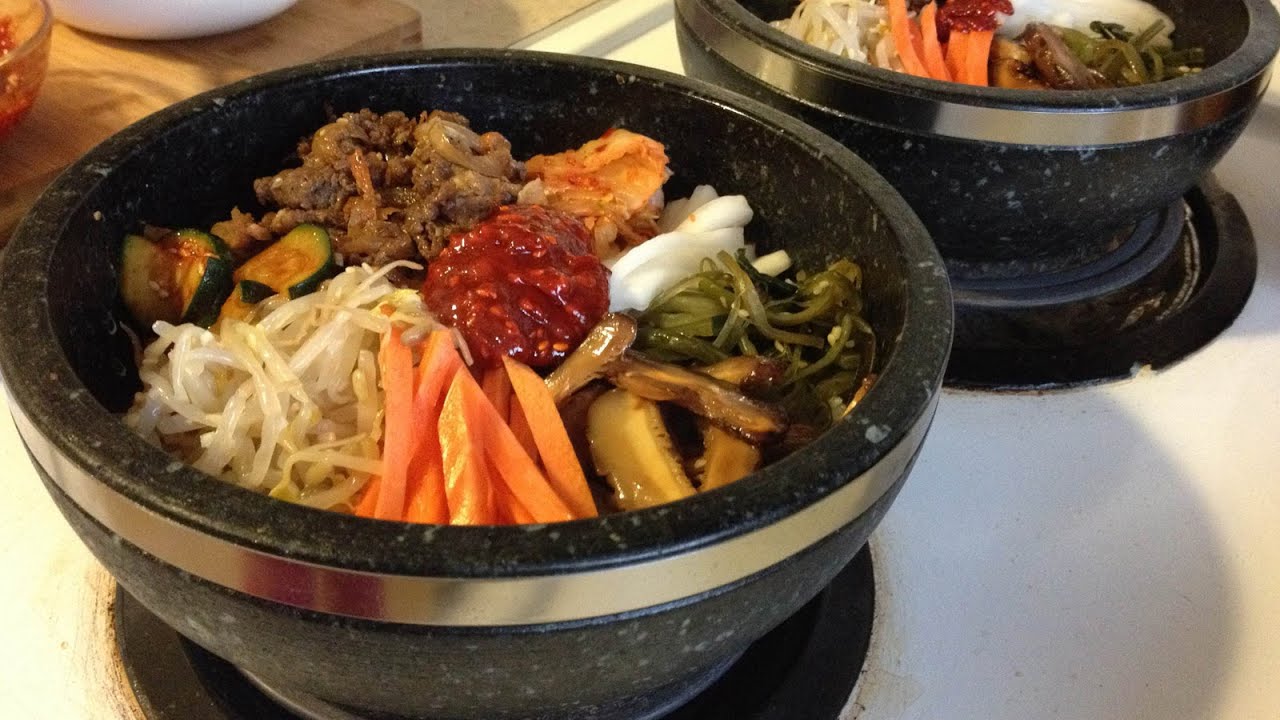
Bibimbap Sauce Recipe: If you’ve ever tasted the colorful, vibrant Korean dish called Bibimbap, you know that the real magic lies in its sauce. Bibimbap without its signature sauce is like fries without ketchup — it just doesn’t hit the same. This deep-red, flavor-packed condiment brings together the dish’s variety of vegetables, meat, and rice into a harmonious bite every time. It’s sweet, spicy, tangy, and savory all at once — and making it at home is easier than you might think.
In this guide, we’ll break down everything you need to know about crafting the perfect Bibimbap sauce from scratch. Whether you’re going traditional, vegan, or just trying it for the first time, we’ve got you covered with ingredients, steps, tips, and common mistakes to avoid.
Why Make Bibimbap Sauce at Home?
Let’s be honest — store-bought sauces are convenient, but they don’t hold a candle to the fresh, vibrant flavors you get when making it yourself. When you DIY your Bibimbap sauce, you get full control over every ingredient. That means no preservatives, artificial flavors, or mystery chemicals.
Here’s why homemade Bibimbap sauce is the way to go:
- Customization: You can adjust the spice level, sweetness, or saltiness depending on your preferences.
- Freshness: Homemade always tastes better because you’re using fresh garlic, quality sesame oil, and high-grade gochujang.
- Healthier: No unnecessary additives, and you can choose low-sodium or low-sugar options.
- Diet-friendly: Whether you’re vegan, gluten-free, or watching your calories, you can tweak this recipe to suit your needs.
List of Ingredients You’ll Need
Here’s your basic shopping list. Most of these ingredients can be found at Asian grocery stores or online.
- 2 tablespoons Gochujang (Korean red chili paste)
- 1 tablespoon Sesame oil
- 1 tablespoon Soy sauce
- 1 tablespoon Rice vinegar
- 1 tablespoon Honey or sugar (or any sweetener)
- 1 clove Garlic (minced)
- 1 teaspoon Toasted sesame seeds (optional)
- 1 teaspoon Water (to thin, if needed)
Want to take it to the next level? Add a touch of:
- Grated ginger for extra kick
- Mirin or sake for added umami
- Chopped green onions for freshness
- Lime juice for a citrusy twist
These additions are totally optional but can really elevate the flavor depending on how you like your sauce.
Understanding Key Ingredients
Let’s break down the core ingredients and why they matter so much:
- Gochujang is the soul of Bibimbap sauce. It’s thick, spicy, slightly sweet, and fermented, which gives it that unmistakable Korean flavor.
- Sesame oil brings nutty, roasted depth. Always use toasted sesame oil — the darker one with a rich aroma.
- Soy sauce adds umami and saltiness. You can use low-sodium versions if needed.
- Rice vinegar cuts through the richness and balances out the sweetness.
- Garlic adds sharpness and complexity.
- Sweetener (sugar/honey/maple syrup) balances the heat of the gochujang.
- Sesame seeds provide a bit of crunch and visual appeal.
Each of these ingredients plays a role — skip one and the balance could be off. That’s why measuring and understanding flavor profiles matters.
Ingredient Substitutions
Don’t worry if you’re missing an ingredient or need to make it more diet-friendly. Here’s how you can substitute smartly:
- Vegan: Use maple syrup or agave nectar instead of honey.
- Gluten-Free: Replace soy sauce with tamari or coconut aminos.
- Less Spicy: Mix 1 tbsp gochujang + 1 tbsp ketchup to dial it down.
- No Rice Vinegar? Try apple cider vinegar or even lemon juice in a pinch.
- No Sesame Oil? While nothing truly replaces it, you can try walnut oil or olive oil, though the flavor won’t be quite the same.
Kitchen Tools You’ll Need
Minimal tools needed — no special gadgets, just basics:
- Small mixing bowl
- Whisk or spoon
- Measuring spoons
- Jar or container with a lid (for storage)
Simple tools make clean-up a breeze and help you mix the sauce thoroughly.
Step-by-Step Guide to Making Bibimbap Sauce
Let’s make some magic.
Step 1: Prepare Your Ingredients
Measure out all the ingredients and mince your garlic finely. Having everything ready makes the mixing process smooth.
Step 2: Combine the Wet Ingredients
In your bowl, add the gochujang, soy sauce, rice vinegar, sesame oil, and honey/sugar. Mix them thoroughly with a spoon or whisk until fully blended.
Step 3: Add the Garlic and Optional Ingredients
Toss in the minced garlic and any extras like sesame seeds or ginger. Mix well again.
Step 4: Adjust the Consistency
If the sauce feels too thick, add a teaspoon of water or more sesame oil to loosen it slightly.
Step 5: Taste and Adjust
Spoon a small amount and taste it. Want it spicier? Add more gochujang. Too spicy? Add more sweetener or vinegar to balance it out.
Step 6: Let it Rest
Let the sauce sit for at least 10–15 minutes. This allows the flavors to blend and deepen.
That’s it. Your Bibimbap sauce is ready to drizzle over that beautiful bowl.
Tips for Perfect Bibimbap Sauce
Getting your Bibimbap sauce just right can take it from “pretty good” to “absolutely amazing.” Here are some tried-and-true tips that can make a huge difference:
- Use High-Quality Gochujang: The brand of gochujang matters more than you’d think. Some are sweeter, some are spicier. Read the labels and experiment to find your favorite.
- Balance is Key: Don’t let one flavor overpower the others. Too much sesame oil can make it greasy. Too much vinegar can make it sour. Taste as you go.
- Fresh Garlic Over Garlic Powder: Trust us — fresh minced garlic brings a punch that powder can’t compete with.
- Let It Sit: Like a good stew, Bibimbap sauce improves as it sits. Even 15–30 minutes of resting allows the flavors to meld beautifully.
- Make It in Advance: You can prepare the sauce a day ahead and keep it in the fridge. It’ll taste even better the next day!
Want to get fancy? Lightly toast the sesame seeds before adding them in — it enhances their nuttiness and makes the flavor pop.
How to Store Bibimbap Sauce
The best part about this sauce? You can make a big batch and store it for later. Here’s how to do it right:
- Refrigerator: Store your Bibimbap sauce in an airtight jar or container. It’ll stay fresh for up to 10–14 days.
- Stir Before Using: The ingredients may separate slightly in the fridge, so just give it a good stir before drizzling.
- Freezing: You can freeze the sauce in small portions (ice cube trays work great). Thaw in the fridge overnight when needed.
- Label the Date: Always label your containers with the date you made it. It’s easy to forget how long it’s been sitting there!
Pro Tip: Store it in a squeeze bottle for easy use, especially if you plan to use it frequently on rice bowls, wraps, or grilled veggies.
How to Use Bibimbap Sauce
Sure, it’s made for Bibimbap — but this sauce is way more versatile than that. Here’s how you can use it beyond the classic rice bowl:
1. Traditional Bibimbap
Spoon the sauce over your warm rice, sautéed vegetables, bulgogi beef, or tofu, and mix it all together for that iconic flavor.
2. Korean-Style Rice Bowls
Try it on top of rice with a fried egg, kimchi, cucumbers, and spinach for a quick and healthy lunch.
3. Wraps & Lettuce Cups
Use it as a spicy dipping sauce or drizzle it inside lettuce wraps filled with grilled meat and veggies.
4. Marinade
Mix the sauce with a bit more soy sauce and use it to marinate beef, tofu, or chicken before grilling.
5. Dipping Sauce
Perfect with dumplings, Korean pancakes (jeon), or even fries.
Bibimbap sauce is basically the Korean version of ketchup — you’ll want to put it on everything once you’ve tried it.
Adjusting the Sauce to Your Preference
Not everyone’s taste buds are created equal, and that’s totally fine! One of the joys of making your own sauce is that you can tweak it until it hits just right for you.
Want It Spicier?
- Add more gochujang
- Mix in a dash of Korean red pepper flakes (gochugaru)
- Add sriracha or chili oil
Too Spicy?
- Add extra honey or sugar to tone it down
- A spoonful of mayonnaise can mellow the heat and make a creamy version
More Umami or Depth?
- Add a splash of fish sauce (if you’re not vegan)
- A bit of miso paste can deepen the flavor
Sour or Tangy Flavor?
Extra rice vinegar or a squeeze of lemon or lime juice will bring more brightness
Make a small batch first and experiment — it’s like customizing your own flavor adventure.
Common Mistakes to Avoid
Even simple sauces can go wrong if you’re not careful. Here are some common missteps and how to steer clear:
1. Using Low-Quality Gochujang
Cheap, overly processed gochujang can taste flat or overly sweet. Invest in a good brand — it’s worth it.
2. Overloading on One Flavor
Too much vinegar or sesame oil can throw off the balance. Taste as you mix, and aim for harmony.
3. Skipping the Rest Time
Let the sauce sit for at least 10–15 minutes before using. This allows the ingredients to meld.
4. Making It Too Thin
Be cautious with water. A little goes a long way. You want the sauce to coat, not drip off your food.
5. Not Storing Properly
Air and heat degrade the flavor quickly. Store in a sealed jar in the fridge to keep it fresh.
Learning from these mistakes helps you make consistently delicious sauce every time.
Nutritional Value
The exact nutritional value depends on the ingredients and quantities you use, but here’s a general idea based on a 1-tablespoon serving:
| Nutrient | Approximate Value |
|---|---|
| Calories | 30–40 |
| Carbs | 4–5g |
| Sugar | 2–3g |
| Fat | 2–3g |
| Protein | <1g |
| Sodium | 200–300mg |
Health Benefits:
- Gochujang contains probiotics due to its fermentation process.
- Garlic has antibacterial and immune-boosting properties.
- Sesame oil provides healthy fats and antioxidants.
- Rice vinegar aids digestion and blood sugar control.
Use it moderately if you’re watching sodium or sugar intake, but overall it’s a flavorful way to enhance a healthy meal.
Homemade vs. Store-Bought Bibimbap Sauce
When you’re standing in the sauce aisle at your local Asian market or browsing online, it’s tempting to just grab a ready-made Bibimbap sauce bottle and call it a day. But let’s compare the homemade version with what you’ll get off the shelf.
1. Flavor Comparison
- Homemade: Fresh, balanced, and customizable. You know exactly what’s going in, and you can tweak the flavors until it fits your palate perfectly.
- Store-Bought: Often overly sweet or salty, with preservatives and artificial flavoring. The flavor might be more generic, and the spice level can be hit or miss.
2. Ingredient Quality
- Homemade: You can choose organic, fresh, and high-quality ingredients. No mystery chemicals or additives.
- Store-Bought: Many brands use stabilizers, MSG, and high-fructose corn syrup to extend shelf life and cut costs.
3. Price & Quantity
- Homemade: Cost-effective in the long run. A single batch can make several servings for a fraction of the price.
- Store-Bought: You pay for convenience. A single bottle may cost more than the combined price of the ingredients for a large homemade batch.
4. Health Considerations
- Homemade: Easy to make vegan, gluten-free, low-sodium, or low-sugar versions.
- Store-Bought: Not always diet-friendly unless specified on the label — and those specialty versions often cost more.
Verdict?
Homemade wins on flavor, health, and flexibility. It takes just 5–10 minutes and stores beautifully. Once you’ve made your own, you’ll probably never go back to store-bought again.
FAQs about Bibimbap Sauce Recipe
1. Can I make Bibimbap sauce without gochujang?
Yes, but it won’t have the same authentic flavor. You can mix chili paste with miso and a bit of sugar as a substitute, but gochujang is key for that deep, fermented spice.
2. Is Bibimbap sauce vegan-friendly?
Absolutely — just use a plant-based sweetener like maple syrup or agave instead of honey, and ensure your soy sauce is vegan.
3. How spicy is Bibimbap sauce?
It depends on the gochujang and how much you use. It has a mild to moderate heat by default, but you can dial it up or down easily by adjusting the amount of gochujang or adding more sweetener.
4. Can I use this sauce in other recipes?
Yes! It works as a marinade, dipping sauce, stir-fry base, or even on noodles. It’s extremely versatile.
5. How long does homemade Bibimbap sauce last?
Stored in an airtight container in the fridge, it can last up to two weeks. For longer storage, freeze it in small batches.
Conclusion
Bibimbap is one of Korea’s most beloved dishes — and the secret to its magic lies in the sauce. Whether you’re a Korean food enthusiast, a home cook looking to explore new flavors, or someone simply craving something bold and delicious, this Bibimbap sauce recipe is your gateway to flavor town.
Making it at home isn’t just easy; it’s a flavor revelation. You’re in control of the heat, the sweetness, the salt — every spoonful becomes uniquely yours. Once you’ve whipped up a batch, you’ll want to drizzle it on everything: rice bowls, wraps, grilled veggies, and more.
So go ahead, grab those ingredients, and give this recipe a try. Your taste buds will thank you.