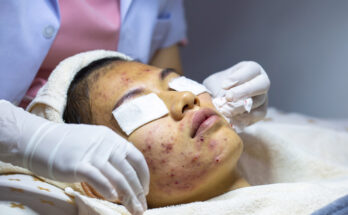
Acne scars and hyperpigmentation can make the skin look uneven, dull, and older than it is. When breakouts fade but leave behind stubborn dark marks, red spots, or textured areas, the right serum becomes one of the most effective products in a results-focused skincare routine. A well-formulated serum delivers concentrated active ingredients that target post-acne marks, improve skin tone, support cell turnover, and gradually restore a clearer, smoother complexion.
Choosing the best serum for acne scars and hyperpigmentation depends on the type of marks on the skin. Some people struggle with post-inflammatory hyperpigmentation, which appears as brown, gray, or deep-colored spots after acne heals. Others deal with red marks, uneven texture, or shallow acne scarring. The most effective serum is one that treats discoloration without causing irritation, especially for acne-prone skin that is already sensitive from previous inflammation.
What Makes a Serum Effective for Acne Scars and Hyperpigmentation
A high-performing serum should do more than simply brighten the skin. It should work beneath the surface to reduce excess pigment, support skin renewal, calm inflammation, and strengthen the skin barrier. The best options usually contain a combination of brightening ingredients, gentle exfoliants, and barrier-supporting agents.
The most valuable ingredients in serums for acne scars and hyperpigmentation include vitamin C, niacinamide, alpha arbutin, tranexamic acid, azelaic acid, retinol, and chemical exfoliants such as glycolic acid, lactic acid, or mandelic acid. These ingredients help fade dark spots over time while improving clarity and texture.
A good serum should also have a lightweight texture that layers well under moisturizer and sunscreen. Acne-prone skin benefits from formulas that are non-comedogenic, fast-absorbing, and free from heavy pore-clogging oils.
Best Ingredients to Look for in a Serum for Acne Scars
Vitamin C for Brightening Dark Spots
Vitamin C serum is one of the most popular choices for fading acne marks because it helps brighten the skin and reduce the appearance of uneven pigmentation. It supports a more radiant complexion and helps improve the look of dull, tired skin caused by old acne marks. Stable forms of vitamin C are often better for sensitive or acne-prone skin because they can deliver results with less irritation.
Niacinamide for Oil Control and Skin Tone
Niacinamide is a multi-benefit ingredient that works extremely well for acne-prone skin. It helps reduce the appearance of dark marks, supports the skin barrier, controls excess oil, and improves the overall tone of the skin. A serum containing niacinamide is often a smart option for those who want visible brightening without the harshness of stronger actives.
Alpha Arbutin for Hyperpigmentation
Alpha arbutin is highly effective for treating hyperpigmentation because it targets excess melanin production. It is often included in serums designed specifically for dark spots, acne marks, and uneven skin tone. This ingredient is especially useful for people with medium to deep skin tones, where post-acne discoloration can linger for longer periods.
Azelaic Acid for Acne Marks and Redness
Azelaic acid is one of the most useful ingredients for both active breakouts and the marks they leave behind. It helps improve skin tone, reduce inflammation, calm redness, and gradually fade post-acne pigmentation. It is an excellent choice for skin that breaks out easily and cannot tolerate aggressive exfoliating acids.
Tranexamic Acid for Stubborn Discoloration
Tranexamic acid is increasingly recognized as one of the best ingredients for persistent discoloration. It works well in serums formulated for uneven skin tone, sun spots, and acne-related pigmentation. It is especially useful when dark marks are resistant and need a more targeted brightening approach.
Retinol for Texture and Acne Scars
When acne scars involve mild texture changes, retinol serum can be very helpful. Retinol supports skin renewal, improves the appearance of post-acne marks, and can gradually soften the look of shallow scars. It also helps reduce clogged pores and supports clearer skin over time. Because retinol can be strong, it should be introduced slowly and paired with a moisturizer.
Chemical Exfoliants for Cell Turnover
Serums with glycolic acid, lactic acid, or mandelic acid help remove dead skin cells and speed up the fading of dark marks. They can make the complexion look smoother and more refined. For acne-prone or sensitive skin, mandelic acid is often a better choice because it is gentler while still effective.
How to Choose the Best Serum for Your Skin Type
The best serum is not always the strongest formula. The right product depends on the skin’s sensitivity, oil level, acne history, and the severity of the marks.
For oily and acne-prone skin, lightweight serums with niacinamide, azelaic acid, or salicylic acid blends tend to work well. These ingredients help manage oil while fading post-acne marks.
For sensitive skin, gentler brightening ingredients such as alpha arbutin, niacinamide, and lower-strength azelaic acid are often better choices. These help improve tone without overwhelming the skin barrier.
For dry skin with acne marks, a serum with vitamin C, lactic acid, or hydrating brighteners can help improve discoloration while keeping the skin comfortable. Look for formulas with added hyaluronic acid or ceramides.
For stubborn dark spots, stronger treatment serums with tranexamic acid, retinol, or a combination of brightening agents are often more effective. These usually require consistent use over several weeks to show visible results.
Best Types of Serums for Acne Scars and Hyperpigmentation
Brightening Serums
Brightening serums are designed to even out skin tone and reduce the appearance of discoloration. These formulas often include vitamin C, alpha arbutin, and niacinamide. They are ideal for flat dark marks left behind after acne has healed.
Exfoliating Treatment Serums
Exfoliating serums help remove surface buildup and encourage fresher skin to appear. These are effective for mild acne scarring, roughness, and lingering dullness. They are best used carefully and not layered excessively with other strong actives.
Retinol Renewal Serums
Retinol-based serums are best for those who want to target both acne marks and early textural changes. With regular use, these serums help the skin appear smoother, clearer, and more refined.
Calming Correction Serums
These serums focus on reducing redness, inflammation, and sensitivity while also correcting dark marks. They often contain azelaic acid, niacinamide, or soothing botanical support. They suit people whose skin reacts easily to harsh treatments.
How to Use Serum for Acne Scars and Hyperpigmentation
A serum will perform best when used correctly and consistently. The skin should be cleansed first with a gentle face wash. After cleansing, apply a few drops of serum to dry skin and allow it to absorb before following with moisturizer.
Morning use is ideal for vitamin C and niacinamide serums. Night use is often better for retinol, azelaic acid, and exfoliating serums. The most important rule is to avoid overloading the skin with too many strong ingredients at once.
Using sunscreen every day is essential. Dark spots can become deeper and harder to fade when exposed to sunlight. Even the best serum for acne scars and hyperpigmentation will not deliver strong results if the skin is left unprotected during the day.
How Long It Takes to See Results
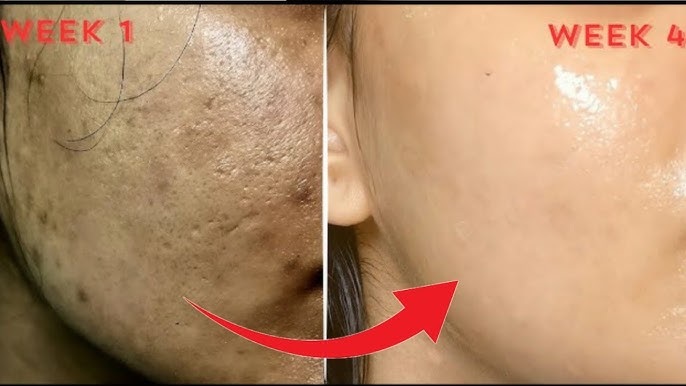
Visible improvement usually takes time. Some brightening serums start improving radiance within a few weeks, but deeper pigmentation often needs six to twelve weeks of consistent use. Textured acne scars may take longer and usually respond best to retinol-based routines or a combination of serum and professional treatment.
Consistency matters more than switching products too often. A serum needs regular use before its effects become noticeable. Frequent product changes can increase irritation and make the skin more reactive, which may worsen pigmentation.
Common Mistakes That Slow Down Results
One of the biggest mistakes is choosing a serum that is too harsh. Strong acids or high-strength actives used too often can irritate acne-prone skin and lead to even more discoloration. Another common mistake is skipping moisturizer. Hydrated skin responds better to treatment and is less likely to become inflamed.
Using several exfoliating products at the same time is another problem. For example, combining an acid serum, retinol, and scrub in the same routine can damage the skin barrier. This can make acne scars and hyperpigmentation look worse rather than better.
Skipping sunscreen is also a major reason many dark spots do not fade properly. Sun exposure can keep pigmentation active and slow the skin’s recovery process.
What to Expect From the Best Serum
The best serum for acne scars and hyperpigmentation should gradually make the skin look more balanced, brighter, and smoother. It should help fade the visible signs of past breakouts without triggering new ones. Over time, the complexion should look more even, post-acne marks should become less noticeable, and the skin should feel healthier overall.
A strong serum does not need to sting, peel aggressively, or create discomfort to be effective. The best formulas work steadily and support long-term skin improvement. They reduce discoloration while maintaining the skin barrier, which is especially important for those with recurring acne.
Best Routine to Pair With a Serum for Acne Marks
A serum works best inside a simple routine. Start with a gentle cleanser that removes oil and dirt without stripping the skin. Follow with the treatment serum selected for your specific concern. Use a lightweight moisturizer to keep the skin balanced and comfortable. Finish with broad-spectrum sunscreen every morning.
At night, use the same cleanser and alternate between treatment serums if needed. For example, a niacinamide serum can be used on some nights, while a retinol serum can be used on others. This approach helps reduce irritation while still targeting acne scars and pigmentation from different angles.
FAQs about Best Serum for Acne Scars and Hyperpigmentation
1. What ingredients should we look for in a serum?
We should choose serums with vitamin C, niacinamide, retinoids, AHAs (like glycolic acid), and azelaic acid. These ingredients help brighten skin, boost collagen, and fade dark spots effectively.
2. Which serum is best for dark spots from acne?
Serums containing niacinamide or alpha arbutin are ideal for dark spots, while retinol-based serums work better for improving skin texture and deeper marks.
3. How does vitamin C help acne scars?
Vitamin C helps reduce melanin production and brighten the skin, making it highly effective for fading hyperpigmentation and improving overall tone.
4. Are exfoliating serums effective?
Yes, serums with AHAs or BHAs gently exfoliate dead skin cells, promote cell turnover, and gradually reduce the appearance of scars and discoloration.
5. Can one serum treat both acne and scars?
Yes, serums with salicylic acid, niacinamide, or azelaic acid can treat active acne while also reducing post-acne marks.
6. How long does it take to see results?
We should expect visible improvement within 4–8 weeks, but consistent use over several months gives the best results.
7. Is retinol good for acne scars?
Yes, retinol helps increase cell turnover and stimulate collagen, improving skin texture and fading marks over time.
8. Can natural serums work for hyperpigmentation?
Natural ingredients like licorice extract, aloe vera, and plant-based acids can help, but results are usually slower compared to active ingredients.
9. Should we use serum daily?
Yes, most serums can be used once or twice daily, depending on the formulation and skin sensitivity.
10. Do we need sunscreen when using these serums?
Absolutely. We must apply SPF daily, as sun exposure can worsen hyperpigmentation and reverse progress.
Final Thoughts
Finding the best serum for acne scars and hyperpigmentation requires focusing on ingredients that truly improve discoloration and skin recovery. Vitamin C helps brighten, niacinamide improves balance, alpha arbutin targets dark marks, azelaic acid calms acne-prone skin, tranexamic acid works on stubborn discoloration, and retinol supports smoother-looking skin over time.
The most effective strategy is to choose a serum that matches the skin’s needs, use it consistently, and protect the skin daily with sunscreen. With the right formula and a steady routine, acne marks can fade, uneven tone can improve, and the skin can regain a clearer, more polished appearance.