Sensitive skin deserves an effective anti-aging routine without the burning, peeling, redness, and discomfort that often come with traditional retinol. While retinol is widely known for improving fine lines, wrinkles, uneven texture, and dullness, it is not the only path to smoother, firmer, and more radiant skin. For many people with easily irritated skin, the smarter approach is to choose retinol alternatives that deliver visible results with a gentler touch.
The good news is that modern skincare offers several powerful ingredients that can support cell turnover, improve the appearance of age spots, boost skin elasticity, and strengthen the skin barrier without triggering the harsh side effects commonly linked to retinoids. When selected carefully, these alternatives can help us build a routine that is calm, balanced, and still highly effective against visible signs of aging.
Why Sensitive Skin Often Struggles With Retinol
Sensitive skin tends to react faster and more intensely to strong active ingredients. Retinol may cause dryness, tightness, flaking, stinging, and even prolonged irritation when the skin barrier is already vulnerable. This becomes even more noticeable when retinol is combined with exfoliating acids, harsh cleansers, or overly frequent application.
For anti-aging skincare to work well on sensitive skin, the skin barrier must remain healthy. A damaged barrier increases water loss, worsens redness, and makes the complexion look rougher and older. That is why many people benefit more from gentle alternatives that support hydration, repair, and gradual renewal at the same time.
What Makes a Good Retinol Alternative for Sensitive Skin
The best retinol alternative should do more than simply avoid irritation. It should also help improve the signs of aging in a meaningful way. A strong option usually offers one or more of these benefits:
- Encourages smoother-looking skin
- Improves the appearance of fine lines
- Brightens dull or uneven skin tone
- Supports firmer skin
- Helps maintain moisture and barrier strength
- Calms visible redness or sensitivity
The most effective anti-aging strategy for sensitive skin is not aggressive treatment. It is consistent treatment that the skin can actually tolerate long term.
Bakuchiol: The Most Popular Retinol Alternative
Among all retinol alternatives, bakuchiol has become one of the most talked-about choices for sensitive skin. Derived from the babchi plant, bakuchiol is often praised for helping improve the look of fine lines, rough texture, and uneven pigmentation without the intensity commonly associated with retinol.
What makes bakuchiol especially attractive is its gentle profile. Many people find that it feels far less irritating, making it easier to use consistently. It fits well into both morning and evening routines and works beautifully in formulas designed for calming and anti-aging support.
Bakuchiol is ideal for those who want a smoother and more refined appearance but do not want the dryness and peeling that can come with stronger retinoids. Over time, it can help the skin look more polished, fresher, and more even.
Peptides for Firmer, Smoother Skin
Peptides are another excellent anti-aging choice for sensitive skin. These are short chains of amino acids that help support the skin’s natural structure. Instead of pushing the skin into rapid turnover, peptides help skin look healthier, firmer, and more resilient over time.
Peptides are especially helpful when the main concerns are loss of firmness, fine lines, and skin fatigue. They work well in serums and moisturizers and are often paired with soothing ingredients to create formulas that feel nourishing rather than aggressive.
For sensitive skin, peptides offer one of the safest ways to target early and moderate signs of aging. They do not usually create the redness or peeling that can come with retinol, making them a smart option for daily use.
Niacinamide for Brightness, Barrier Support, and Fine Lines
Niacinamide, also known as vitamin B3, is one of the most versatile skincare ingredients available. It is particularly valuable for sensitive skin because it supports the skin barrier, helps reduce the appearance of enlarged pores, improves uneven skin tone, and softens the look of fine lines.
A major reason niacinamide is so effective is that it addresses several concerns at once. Sensitive skin often needs calming and strengthening just as much as it needs anti-aging support. Niacinamide does both. It helps the skin hold onto moisture better, reduces visible redness, and improves overall skin clarity.
For people looking for a simple but highly useful alternative to retinol, niacinamide is one of the best starting points. It is easy to incorporate into a routine and works well alongside other gentle anti-aging ingredients.
Azelaic Acid for Redness, Texture, and Uneven Tone
When sensitive skin is combined with redness, post-blemish marks, or uneven tone, azelaic acid can be an excellent solution. It is known for helping improve skin clarity while remaining much gentler than many exfoliating acids or retinoids.
Azelaic acid helps smooth rough texture, reduce the look of discoloration, and calm visible sensitivity. This makes it especially useful for people whose skin reacts easily yet still needs help with dullness and early aging signs.
It may not be marketed as often as retinol, but it deserves strong attention in anti-aging routines for sensitive skin because it encourages a clearer, more refined complexion without unnecessary stress.
Vitamin C Derivatives for Gentle Brightening
Traditional vitamin C can sometimes be too strong for reactive skin, especially in high concentrations or acidic formulas. However, gentler vitamin C derivatives can provide many of the same brightening and antioxidant benefits in a more comfortable way.
These ingredients help support a brighter complexion, improve the appearance of sun damage, and protect the skin from environmental stress that can speed up visible aging. Because oxidative stress contributes to wrinkles and dullness, antioxidants are an important part of any anti-aging routine.
For sensitive skin, the key is choosing stable, less irritating forms of vitamin C rather than harsh formulas that sting on contact. A gentle antioxidant serum can gradually improve tone and radiance while keeping the skin calm.
Ceramides and Barrier Repair Ingredients Matter More Than People Think
Not every retinol alternative works by increasing cell turnover. Some of the best anti-aging support for sensitive skin comes from protecting the barrier itself. Ceramides, cholesterol, fatty acids, and soothing humectants help the skin stay hydrated, smooth, and resilient.
A strong skin barrier makes the complexion look healthier, softer, and more youthful. It also reduces the visible effects of inflammation, which can make the skin appear tired and aged. Many people focus only on active ingredients and overlook the fact that barrier repair is essential to maintaining long-term anti-aging results.
When the skin is well moisturized and protected, fine lines caused by dehydration appear less obvious, and the overall texture looks more refined. This is why a high-quality barrier cream is not optional for sensitive skin. It is a core part of the anti-aging plan.
Rosehip Oil and Gentle Botanical Alternatives
For those who prefer a softer skincare approach, rosehip oil is often recommended as a nourishing option. Rich in essential fatty acids and antioxidants, it can help improve the look of dryness, dullness, and uneven texture while supporting a healthier skin barrier.
Although botanical ingredients are not always automatically gentle, well-formulated facial oils like rosehip can be useful in sensitive skin routines when the skin needs extra comfort. They help lock in hydration and leave the complexion looking supple and smooth.
Used correctly, facial oils can complement anti-aging ingredients by reducing dryness and reinforcing softness, especially at night.
How to Build the Best Anti-Aging Routine for Sensitive Skin
A good routine does not need many steps. It needs the right steps. For sensitive skin, a consistent structure usually works best:
Morning Routine
Use a gentle cleanser that does not strip the skin. Follow with a hydrating or antioxidant serum, such as niacinamide or a gentle vitamin C derivative. Apply a barrier-supporting moisturizer and finish with a broad-spectrum sunscreen every day.
Evening Routine
Cleanse gently again, then apply your chosen treatment, such as bakuchiol, peptides, or azelaic acid. Follow with a rich but non-irritating moisturizer that contains ceramides or other replenishing ingredients.
Sensitive skin responds best when new products are introduced one at a time. This makes it easier to see what the skin truly likes and prevents unnecessary reactions.
Ingredients to Avoid Pairing Too Aggressively
Even gentle anti-aging ingredients can become irritating if the routine is overloaded. Sensitive skin often reacts poorly when too many strong treatments are used together. Scrubs, high-strength acids, harsh foaming cleansers, and heavily fragranced products can weaken the skin and reduce the benefits of otherwise good ingredients.
The most successful routine is usually the one that feels balanced. Calm skin reflects light better, looks smoother, and ages more gracefully than skin that is constantly inflamed or overtreated.
Who Should Choose Retinol Alternatives
Retinol alternatives are ideal for people who experience:
- Burning or stinging after retinol use
- Persistent flaking and dryness
- Redness that lingers for days
- A weakened skin barrier
- Sensitivity to strong active ingredients
- A preference for gentler long-term skincare
They are also excellent for anyone who wants a more comfortable anti-aging routine without sacrificing visible improvement.
FAQs about Best Retinol Alternatives for Sensitive Skin Anti-Aging
1. What are retinol alternatives?
Retinol alternatives are gentler ingredients that deliver anti-aging benefits like smoothing fine lines and improving texture without causing irritation.
2. Why should we consider alternatives to retinol?
We should consider them if we have sensitive skin, as traditional retinol can cause redness, dryness, and irritation.
3. What are the best retinol alternatives for sensitive skin?
Popular options include bakuchiol, peptides, niacinamide, and vitamin C, all known for their anti-aging and skin-soothing properties.
4. Is bakuchiol as effective as retinol?
Bakuchiol is often considered a natural alternative that provides similar anti-aging benefits with less irritation, though results may appear more gradually.
5. Can we use these alternatives daily?
Yes, most alternatives are gentle enough for daily use, making them ideal for consistent skincare routines.
6. Do retinol alternatives help with wrinkles?
Yes, they help reduce the appearance of fine lines and wrinkles while improving skin firmness and elasticity.
7. Are these alternatives safe for all skin types?
Generally, yes. They are especially suitable for sensitive and dry skin, but we should still patch test before use.
8. Do we still need sunscreen when using these products?
Absolutely. We should always apply broad-spectrum sunscreen, as protecting the skin is key to preventing further aging.
9. How long does it take to see results?
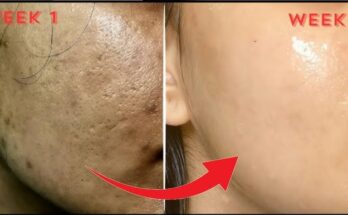
We can expect visible improvements within 4 to 8 weeks with regular use.
10. Can we combine retinol alternatives with other products?
Yes, they work well with moisturizers and hydrating serums, helping to enhance overall skincare results.
Conclusion
The best retinol alternatives for sensitive skin anti aging are the ones that respect the skin while still helping it improve. Bakuchiol, peptides, niacinamide, azelaic acid, gentle vitamin C derivatives, and barrier-repair ingredients all offer meaningful benefits without forcing sensitive skin into distress.
Instead of chasing intensity, we achieve better results by choosing ingredients that the skin can tolerate and benefit from every day. That is how we create a routine that supports smoother texture, better tone, improved firmness, and a calmer, healthier complexion over time.
When sensitive skin is treated with consistency, patience, and the right ingredients, anti-aging care becomes not only possible but highly effective. The goal is not to push the skin harder. The goal is to help it function better, look stronger, and stay beautifully balanced for years to come.