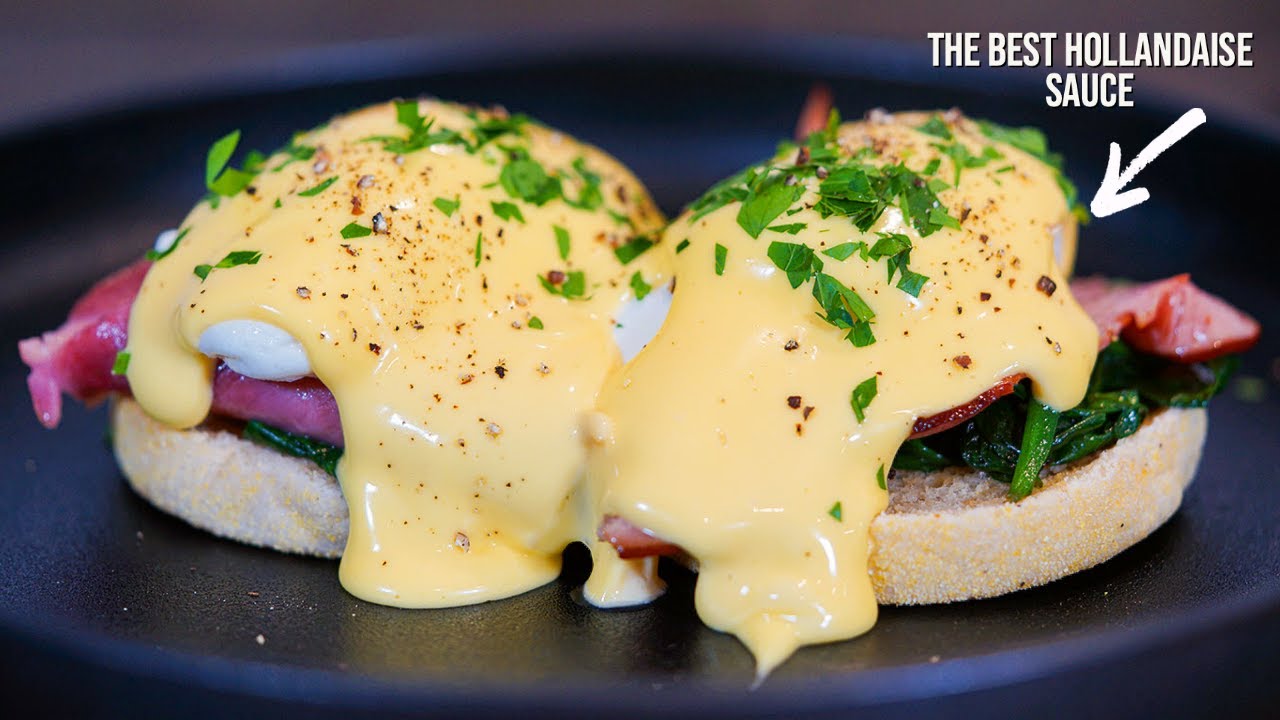
Best Hollandaise Sauce Recipe: Let’s talk creamy, rich, and slightly tangy: that’s Hollandaise sauce in a nutshell. This golden, buttery emulsion is one of the five “mother sauces” of classical French cuisine. What makes it special? It’s all about balance—between richness and acidity, lightness and density, complexity and simplicity. Made primarily from egg yolks, melted butter, and lemon juice, Hollandaise is both elegant and deceptively simple. The silky-smooth texture and rich flavor make it a favorite for dishes like Eggs Benedict, steamed asparagus, and even pan-seared salmon.
But don’t let its luxurious nature fool you—Hollandaise can be made at home, even by beginners, if you follow the steps carefully. It’s not magic, but it can feel like it when the ingredients come together perfectly.
History and Origins of the Sauce
Hollandaise sauce might sound Dutch (thanks to its name), but it’s a staple of French culinary tradition. The sauce’s roots trace back to the 17th century. One story suggests it was originally called “Sauce Isigny,” named after a town in Normandy famous for its butter. During World War I, when butter from Normandy was scarce, chefs turned to butter imported from Holland, and the name “Hollandaise” stuck.
Regardless of where it came from, Hollandaise gained fame through its inclusion in Auguste Escoffier’s list of the five French mother sauces. That means it serves as a base for several other sauces (like Béarnaise), highlighting its versatility in the kitchen.
Why Hollandaise is a Classic in French Cuisine
In French cuisine, sauces aren’t just toppings—they’re integral to the dish. Hollandaise stands out because of its richness and its ability to elevate simple ingredients. Think about it: a poached egg is just an egg… until you drizzle it with Hollandaise. Suddenly, it becomes brunch royalty.
This sauce also demands attention because of the technique it requires. It’s not just mixing ingredients together. It’s a delicate dance of temperature and timing. When done right, it gives off a light, velvety texture with a flavor that’s bright yet buttery. Mastering Hollandaise is like earning your stripes in the kitchen—it shows you understand the fundamentals of emulsification and can wield a whisk like a pro.
Ingredients Needed for the Perfect Hollandaise
The Basic Trio: Egg Yolks, Butter, and Lemon Juice
Let’s break it down—Hollandaise sauce doesn’t need a pantry full of ingredients. In fact, simplicity is the key to its magic. You only need three main ingredients:
- Egg yolks (usually 3 large ones): This is the heart of the sauce. The yolks help form the emulsion and give the sauce its rich consistency.
- Unsalted butter (about ½ cup or 1 stick): Melted and gently incorporated into the yolks, this creates that velvety texture we all crave.
- Fresh lemon juice (1 tablespoon): This adds the perfect amount of tang and balances out the richness of the butter.
That’s it. No need for anything fancy. But of course, once you master the basics, you can get creative (more on that below).
Optional Add-ins for Flavor Tweaks
While the traditional recipe is a classic for a reason, there’s always room to experiment. Want to add your own twist? Here are a few ideas:
- White wine vinegar: A tiny splash can amplify the acidity.
- Cayenne pepper or hot sauce: For a gentle heat that lingers.
- Dijon mustard: Adds a touch of sharpness and complexity.
- Salt and white pepper: Always season to taste.
These additions can elevate the sauce and help it complement specific dishes. For example, a hint of mustard pairs beautifully with grilled fish, while a pinch of cayenne makes it perfect for steak.
Kitchen Tools You’ll Need
Essentials for the Perfect Sauce
To pull off a flawless Hollandaise, your tools matter almost as much as your ingredients. Here’s what you’ll need:
- Whisk: This is non-negotiable. It’s the magic wand that brings your sauce to life. Go for a balloon whisk for the best results.
- Small saucepan or skillet: Used to melt the butter.
- Heatproof bowl: Preferably stainless steel or glass, for the double boiler setup.
- Saucepan for double boiler: You’ll place your heatproof bowl over this to gently cook the egg yolks.
- Measuring spoons: Precision matters in something this delicate.
- Thermometer (optional): For those who want to be extra precise, keeping track of temperature helps avoid curdling the eggs.
Substitutes if You Don’t Have the Fancy Gear
Don’t have a double boiler setup? Don’t worry. You can fake it by placing a metal mixing bowl over a pot of simmering water. Just make sure the bottom of the bowl doesn’t touch the water.
No whisk? While not ideal, a fork or handheld milk frother could work in a pinch, but you’ll need to work fast and consistently. A blender or immersion blender can also work for those who prefer a shortcut method—especially if you’re nervous about breaking the sauce.
Step-by-Step Guide to Making Hollandaise Sauce
Step 1: Melt the Butter
First things first—let’s melt that butter. The key here is to melt it gently, not scorch it. You can use a small saucepan over low heat or a microwave. Either way, keep the butter warm, not boiling. Warm butter blends more easily with the egg yolks and ensures a smooth, velvety texture.
Some chefs like to clarify the butter—removing the milk solids for an even smoother sauce—but it’s not mandatory. If you’re a purist or serving guests, go ahead and clarify it. For everyday brunch? Regular unsalted butter does the job beautifully.
Make sure the butter is melted completely and stays warm throughout the process. You’ll be drizzling it slowly into the yolks, so don’t walk away once it’s ready.
Step 2: Separate and Whisk the Egg Yolks
Now comes the base of the sauce—the egg yolks. Separate the yolks from the whites (save the whites for a meringue or omelet) and place them in a heatproof bowl.
Whisk the yolks vigorously until they turn pale and thicken slightly. This is your first chance to build air into the sauce, which is crucial for that light and creamy finish. You want them to become smooth and slightly foamy.
Here’s a tip: Add a teaspoon of warm water to the yolks before whisking. It helps them resist curdling later and creates a lighter emulsion. Once whisked, set the bowl aside as you prepare your double boiler.
Step 3: Create a Double Boiler Setup
Place the bowl with the yolks over a saucepan of simmering water. This is the double boiler setup. The water should be hot, but not boiling, and the bottom of the bowl shouldn’t touch the water.
This gentle heat is crucial. Too hot, and your yolks scramble. Too cold, and the sauce won’t thicken. You’re aiming for just enough heat to slowly cook the yolks without shocking them.
Whisk the yolks constantly. As they warm, they’ll begin to thicken and take on a glossy sheen. This is your cue to begin incorporating the butter.
Step 4: Slowly Combine Ingredients While Whisking
This is the magic moment.
While continuously whisking, start adding the melted butter—very slowly. Begin with just a few drops at a time, then a thin stream. The key is to create a stable emulsion. If you pour too quickly, the mixture may separate or “break.”
Keep whisking vigorously as you add the butter. You’ll notice the sauce becoming creamy and thick. This stage takes patience, but the payoff is worth it.
After all the butter is incorporated, take the bowl off the heat. Your sauce should be thick, smooth, and golden yellow—almost like a warm custard. At this point, you’ve created a classic Hollandaise base.
Step 5: Add Lemon Juice and Season to Taste
Now it’s time to give your sauce its signature zing. Add freshly squeezed lemon juice a little at a time, tasting as you go. Some like it extra tangy, while others prefer a subtle citrus note. Trust your taste buds.
Next, season with a pinch of salt and white pepper. You can also add a dash of cayenne for a gentle kick. Stir gently to combine everything.
And voilà—your Hollandaise sauce is ready to serve. Pour it over poached eggs, asparagus, or any dish that needs a luxurious lift.
Troubleshooting Common Hollandaise Issues
What to Do if It Breaks
A “broken” sauce is the biggest fear for beginners. It happens when the emulsion fails, and the butter separates from the yolks. But don’t panic—there’s almost always a fix.
Signs of a broken Hollandaise:
- It looks greasy instead of creamy.
- Butter pools on the surface.
- It’s thin and curdled.
Fixes:
- Method 1: Whisk a fresh egg yolk in a clean bowl, then slowly whisk in the broken sauce. The fresh yolk acts like glue and can re-emulsify the mixture.
- Method 2: Add a tablespoon of warm water and whisk like crazy. This sometimes brings the sauce back together.
- Method 3: Use an immersion blender to smooth it out. It’s a cheat, but it often works.
Avoid breaking your sauce by adding butter slowly, whisking constantly, and keeping the heat low.
How to Fix a Thin or Thick Sauce
Getting the perfect consistency takes practice. If your Hollandaise is too runny or too thick, here’s what to do:
Too thin?
- It likely needs more emulsification. Whisk more vigorously.
- Add more melted butter slowly, a teaspoon at a time.
- Let it cool slightly—it will thicken as it sits.
Too thick?
- Whisk in a bit of warm water or lemon juice to loosen it.
- Be gentle—add a few drops at a time and taste along the way.
Hollandaise is a sauce that responds to love, patience, and constant attention. When you master the feel and look of a proper emulsion, you’ll be making it like a pro every time.
How to Store and Reheat Hollandaise Sauce
Storing Leftover Sauce
Let’s be honest—Hollandaise sauce is best enjoyed fresh. That luxurious, creamy texture is tough to replicate once it cools and sits. But if you do have leftovers, there are a few tricks to saving them.
- Refrigeration: Place your sauce in an airtight container and refrigerate immediately. It can last up to 24 hours in the fridge. Just remember, it will thicken and may separate slightly, which is normal.
- Avoid freezing: Hollandaise doesn’t freeze well. The emulsion tends to break apart once thawed, resulting in a grainy, separated mess. It’s not worth it.
Reheating Without Ruining It
Reheating Hollandaise can be tricky, but it’s doable with a gentle touch.
- Double boiler method: Just like when you made it, use a double boiler to gently warm the sauce. Stir constantly and keep the heat low.
- Add a splash of water or lemon juice: This helps loosen the sauce and prevents it from turning into scrambled eggs.
- Microwave option: Use very low power (10-20%), heat in 10-second intervals, and stir frequently. Keep a close eye on it.
If it starts to separate during reheating, whisk in a drop of warm water or another egg yolk to bring it back together.
Best Dishes to Serve with Hollandaise Sauce
Eggs Benedict – The Iconic Pairing
Nothing screams brunch like a perfectly poached egg draped in Hollandaise sauce. Eggs Benedict is the classic dish that put Hollandaise on the map for home cooks. It’s the holy grail of brunch—crispy English muffin, savory ham or bacon, runny egg, and that silky sauce on top.
Make sure to serve it warm and fresh for the ultimate flavor.
Vegetables – A Healthy Match
Want to dress up your veggies? Hollandaise sauce pairs beautifully with steamed or roasted vegetables. It adds depth and indulgence to:
- Asparagus (classic)
- Broccoli
- Cauliflower
- Artichokes
- Brussels sprouts
A drizzle of this golden goodness can turn any vegetable side into a standout star.
Seafood and Fish – A Gourmet Combo
Hollandaise and seafood are a match made in culinary heaven. Try spooning it over:
- Poached salmon
- Crab cakes
- Lobster tails
- Grilled scallops
The buttery texture of the sauce complements the delicate, flaky nature of seafood beautifully.
Steak and Potatoes – A Bold Twist
Though less traditional, Hollandaise sauce on a steak (especially tender filet mignon) adds a luxurious, tangy richness. Even roasted or mashed potatoes can benefit from a little drizzle, especially when paired with a good sear or smoky char.
Variations of Hollandaise Sauce
Béarnaise Sauce
This is probably the most famous cousin of Hollandaise. Béarnaise adds tarragon, shallots, and white wine vinegar for a more herbaceous flavor. It’s often served with steak or grilled meats.
Mousseline Sauce (Chantilly Hollandaise)
A lighter version of Hollandaise, this one folds in whipped cream just before serving. The result is airier and perfect for delicate dishes like fish or eggs.
No-Fail Blender Hollandaise
Short on time or nervous about whisking? Try this shortcut:
- Add egg yolks and lemon juice to a blender.
- Blend on low while slowly drizzling in hot melted butter.
- Season to taste.
Boom—Hollandaise in under 2 minutes with almost zero chance of breaking.
Tips and Tricks for First-Timers
- Room Temperature Ingredients: Don’t work with cold eggs or butter straight from the fridge. Let them come to room temp before starting.
- Low and Slow Heat: Patience is key. If you rush, you risk ruining the sauce.
- Keep Whisking: Never stop. Constant motion helps maintain the emulsion.
- Taste as You Go: Adjust lemon juice, salt, or spice levels based on your preference.
- Practice Makes Perfect: Your first batch might not be flawless, but don’t give up. Hollandaise rewards practice.
FAQs about Hollandaise Sauce Recipe
1. Can I make Hollandaise sauce ahead of time?
Not really recommended. It’s best served immediately, but you can keep it warm for up to an hour in a thermos or over very low heat.
2. Why did my Hollandaise sauce separate?
Usually due to too much heat or adding butter too quickly. Go slow and keep temperatures low.
3. Is Hollandaise sauce safe with raw egg yolks?
The eggs are gently cooked during the double boiler process, which minimizes the risk. Always use fresh, high-quality eggs.
4. Can I use lime instead of lemon in Hollandaise sauce?
Absolutely! Lime will give it a unique twist—great for seafood dishes.
5. What’s the fastest way to make Hollandaise sauce?
Use a blender! It’s a foolproof method that takes just minutes and still tastes amazing.
Conclusion
Hollandaise sauce might seem like the diva of French sauces—temperamental, demanding, and prone to drama—but once you get the hang of it, it becomes a kitchen favorite. Its rich texture and tangy punch elevate the simplest ingredients into restaurant-quality dishes.
From brunch classics like Eggs Benedict to dinner-worthy pairings with seafood and vegetables, this buttery emulsion is one of the most satisfying skills you can master in your cooking journey.
So grab that whisk, take it slow, and let your inner chef shine—because once you taste homemade Hollandaise, you’ll never go back to the jarred stuff again.