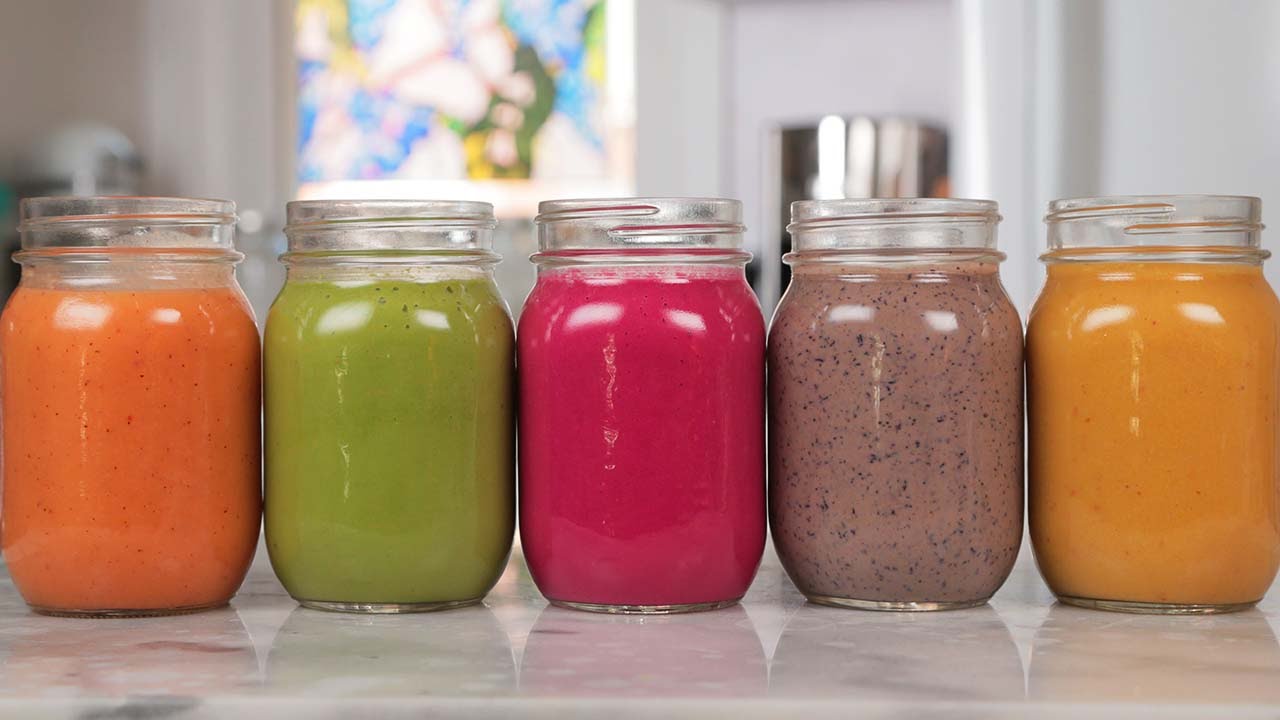
Best Fruit Smoothie Recipe: Let’s face it—our lives are busier than ever. With jam-packed schedules, eating healthy often takes a backseat. That’s where fruit smoothies come in. They’re not just delicious and refreshing—they’re one of the quickest, most convenient ways to fuel your body with essential nutrients. Whether you’re rushing out the door or need a quick post-workout refresher, a well-made fruit smoothie has your back.
What makes smoothies stand out is their versatility. They’re like a blank canvas—you can throw in your favorite fruits, add-ins, and liquids to suit your taste and dietary needs. You can go tropical with pineapple and mango, classic with banana and berries, or green with spinach and avocado. No matter your preference, there’s a perfect combo waiting for you.
Plus, they’re ideal for all ages. Kids love the fruity flavor, teens use them as energy boosters, and adults appreciate the nutrition-to-convenience ratio. It’s the all-in-one snack or meal that takes less than five minutes to whip up and keeps you going for hours.
Health Benefits of Fruit Smoothies
Fruit smoothies aren’t just tasty—they’re nutritional powerhouses. Packed with vitamins, minerals, fiber, and antioxidants, they help improve overall health when consumed regularly. Here are a few standout benefits:
- Boosts Immunity: Fruits like oranges, strawberries, and mangoes are rich in vitamin C, helping your immune system fight off bugs and colds.
- Improves Digestion: Many fruits contain natural enzymes and dietary fiber that promote good digestion and gut health.
- Supports Weight Loss: When made right (watch those added sugars!), smoothies can be low-calorie, filling, and perfect for managing cravings.
- Hydrates the Body: Using hydrating fruits like watermelon or adding coconut water keeps you refreshed, especially in hot weather or post-workout.
- Promotes Glowing Skin: Thanks to their high antioxidant content, fruit smoothies help combat free radicals and keep your skin looking fresh and radiant.
The key, of course, is balance. Load your smoothie with natural ingredients, avoid too much sugar or artificial syrups, and you’ve got a recipe for daily wellness.
Essential Ingredients for the Best Fruit Smoothie
Choosing the Right Fruits
The heart of every smoothie is—you guessed it—the fruit. But not all fruits are created equal in terms of taste, texture, or nutrition. Some blend better than others, and a good mix can elevate your smoothie from average to amazing.
Here are some great fruits to consider:
- Bananas: The classic base. Creamy, sweet, and rich in potassium.
- Berries (Strawberries, Blueberries, Raspberries): Antioxidant-rich and tart, perfect for adding color and flavor.
- Mango: Thick, tropical, and naturally sweet. Great for creaminess.
- Pineapple: Tangy and refreshing. Adds a zesty bite.
- Peaches/Nectarines: Juicy and fragrant, ideal for summer smoothies.
- Apples and Pears: Best when blended with a high-powered blender or cooked slightly.
- Watermelon or Melon: Hydrating and mild in flavor, perfect for hot days.
Pro tip: Frozen fruits are perfect for smoothies. They eliminate the need for ice and help thicken the texture.
Liquid Base Options
Your liquid choice determines the smoothie’s texture and calorie content. Some options include:
- Almond Milk: Creamy and low in calories. Great for dairy-free options.
- Greek Yogurt: Adds protein and creaminess, but more of a spoonable texture.
- Coconut Water: Light, refreshing, and excellent for hydration.
- Oat Milk or Soy Milk: Great vegan alternatives, rich in nutrients.
- Fruit Juice: Adds sweetness, but watch out for added sugars.
Stick to about ½ to 1 cup of liquid per smoothie to start, and adjust depending on how thick or thin you like it.
Optional Add-ins for Extra Nutrition
Want to take your smoothie from good to great? Add a few nutrient-rich extras:
- Chia Seeds or Flaxseeds: Omega-3s, fiber, and protein boosters.
- Spinach or Kale: Don’t worry—you won’t taste it, but you’ll get tons of vitamins.
- Nut Butter: Almond or peanut butter adds richness and healthy fats.
- Protein Powder: Ideal post-workout addition for muscle recovery.
- Honey or Maple Syrup: Natural sweeteners—use sparingly.
- Oats: For a breakfast smoothie, oats add texture and fiber.
Experiment and find your mix. The beauty of smoothies is that you can tailor them to your personal health goals.
Tools and Equipment You’ll Need
Best Blenders for Smoothies
The secret to a truly perfect smoothie lies in the blending. No matter how fresh your ingredients are, a weak blender can leave you with chunky fruit bits, inconsistent textures, and a whole lot of frustration. Investing in a high-quality blender can elevate your smoothie game.
Here’s a breakdown of blender types to consider:
- High-Powered Blenders (like Vitamix or Blendtec): These are the Rolls-Royce of blenders. They’re powerful, durable, and perfect for daily smoothie making. They can crush ice, nuts, and even turn greens into smooth liquid without any grit. The only downside? They’re pricey—but worth it if you’re serious.
- Mid-Range Blenders (like Ninja or NutriBullet Pro): Great for home use. These offer powerful motors at a more affordable price. Most come with individual blending cups, which are great for on-the-go smoothies.
- Personal Blenders (like Magic Bullet): Compact, affordable, and perfect for single servings. While they’re not as strong as others, they work well with soft fruits and pre-cut ingredients.
Whatever blender you choose, make sure it has a sturdy motor (at least 600 watts), durable blades, and an easy-to-clean design.
Other Helpful Kitchen Tools
Besides a blender, a few extra tools can make your smoothie prep a breeze:
- Measuring Cups and Spoons: To maintain consistent recipes and manage portion sizes.
- Paring Knife and Cutting Board: For prepping fruits quickly and safely.
- Mason Jars or Travel Cups: Perfect for storing or taking your smoothie on the go.
- Reusable Straws: Stainless steel or silicone straws make sipping more eco-friendly and enjoyable.
- Ice Cube Trays: Freeze fruits or yogurt in advance for a creamier texture and convenience.
A well-equipped smoothie station means less hassle and more enjoyment, especially on busy mornings.
Step-by-Step Guide to Making the Perfect Fruit Smoothie
Step 1 – Gather Your Ingredients
Start by selecting your base ingredients—usually 1 to 2 cups of fruits. You can mix and match depending on your taste. A popular combo might be:
- 1 ripe banana
- ½ cup strawberries
- ½ cup frozen mango
- ¾ cup almond milk
Next, choose any add-ins like spinach, chia seeds, or nut butter. Don’t forget your liquid! This step is all about getting organized—lay out everything on your counter for easy access.
If you’re using frozen fruits, you won’t need ice. But if you’re working with fresh fruit, consider tossing in a few cubes to chill the drink.
Step 2 – Prep Your Fruits
Wash all your fresh fruits thoroughly. For berries, a quick rinse under cold water will do. Peel and slice bananas, mangoes, or pineapples. Remove pits and cores from apples or peaches. If you’re using spinach or kale, rinse them well to remove any dirt or pesticides.
Chop fruits into small pieces, especially if your blender isn’t very powerful. This helps the blades work efficiently and prevents clogging. You can even prep large batches of fruits and store them in freezer bags for quick smoothie mornings.
Pro Tip: Freezing bananas in slices ahead of time makes them the perfect ice-cream-like addition to smoothies.
Step 3 – Blend Like a Pro
Start with the liquid at the bottom. Pour it in first to help the blender create a smooth vortex. Next, add soft fruits like bananas or yogurt. Then layer in harder fruits, frozen ingredients, and any powders or seeds last. This layering ensures an even blend and prevents clumping.
Start blending on low speed and gradually increase to high. Blend for 30 to 60 seconds or until smooth. Scrape down the sides with a spatula if needed and give it one last whizz to make sure everything is well-mixed.
Listen to your blender—if it sounds like it’s struggling, stop and add a bit more liquid. You want a smooth, drinkable texture, not a fruit paste.
Step 4 – Adjust for Taste and Texture
Now comes the fun part—customizing! Give your smoothie a quick taste test. Too thick? Add a splash more liquid. Not sweet enough? A drizzle of honey or half a date can fix that. Missing something? A squeeze of lemon or a dash of cinnamon can add a flavor kick.
Texture too watery? Add a handful of oats, another frozen banana, or a spoonful of nut butter to thicken it up.
Smoothie making is an art, not a science. Don’t be afraid to play with flavors and textures until it’s just right. Once you’ve nailed the balance, you’ll feel like a smoothie chef in your own kitchen.
Step 5 – Serve and Enjoy
Pour your smoothie into a tall glass, mason jar, or insulated cup. Add a reusable straw, a few toppings (chia seeds, coconut flakes, or granola), and you’re ready to sip and smile.
Smoothies are best enjoyed fresh, but if you’re in a hurry, you can store them in the fridge for up to 24 hours. Just give it a good shake or stir before drinking.
Want to go next-level? Try turning your smoothie into a smoothie bowl. Pour it into a bowl, top with fruits, nuts, and seeds, and eat with a spoon. It’s like eating dessert for breakfast—guilt-free!
Tips to Customize Your Smoothie Recipe
Making it Vegan or Dairy-Free
Going dairy-free doesn’t mean sacrificing flavor or creaminess. In fact, some of the best smoothie recipes out there are entirely plant-based—and deliciously so. Whether you’re vegan, lactose intolerant, or just looking to cut down on dairy, making dairy-free smoothies is simple.
Here’s how:
- Use Plant-Based Milk: Almond milk, oat milk, soy milk, coconut milk, or rice milk all make excellent substitutes for cow’s milk. Almond milk is light, coconut milk is rich and tropical, and oat milk offers a naturally sweet creaminess that blends well with most fruits.
- Swap Yogurt for Dairy-Free Versions: If your recipe calls for yogurt, use coconut yogurt or almond yogurt instead. These alternatives maintain the texture without the dairy.
- Choose Vegan Protein Powders: Opt for plant-based protein powders made from pea, rice, or hemp instead of whey.
- Sweeten Naturally: Skip honey and use maple syrup, agave nectar, or a Medjool date for a vegan-friendly boost of sweetness.
Don’t worry—your smoothie won’t lose its creamy texture or vibrant taste. In fact, many people prefer the lighter feel of dairy-free smoothies, especially in warm weather.
Adding Protein or Superfoods
If you want your smoothie to be more than a snack—maybe even a full-blown meal or post-gym refuel—you’ll need to bulk it up a bit. Protein and superfoods are the answer.
Here’s how to pack in nutrition:
Protein Options:
- Protein Powders: Plant-based (pea, rice, hemp) or animal-based (whey, casein).
- Nut Butters: A tablespoon of peanut, almond, or cashew butter adds protein and healthy fats.
- Greek Yogurt: High in protein and creaminess.
- Tofu or Silken Tofu: Surprisingly neutral in flavor and high in plant protein.
Superfood Boosters:
- Chia Seeds: Loaded with omega-3s, fiber, and antioxidants.
- Flaxseeds: Ground flaxseeds help digestion and add fiber.
- Maca Powder: Known for its energy-boosting properties.
- Spirulina: A nutrient-dense algae packed with protein and vitamins (best in small amounts).
- Cacao Nibs or Powder: Chocolatey flavor with antioxidant power.
The trick is balance—don’t overwhelm your smoothie with too many extras. Pick 1–2 boosters per blend, and you’ll get a powerful, delicious result.
Making it a Meal Replacement
Sometimes, you want your smoothie to do more—to keep you full, satisfied, and energized for hours. That’s when turning it into a meal replacement comes into play. Here’s what makes the difference:
- Add a Good Protein Source: Aim for at least 15–20 grams of protein using yogurt, protein powder, nut butter, or tofu.
- Include Healthy Fats: Avocados, nuts, and seeds will give you long-lasting energy and help absorb fat-soluble vitamins.
- Boost Fiber: Fruits like berries and apples already contain fiber, but adding oats, chia seeds, or flaxseeds can take it up a notch.
- Keep It Balanced: A complete meal smoothie should include protein, healthy fats, fiber, and natural carbs.
Example of a meal-replacement smoothie:
- 1 banana
- ½ cup oats
- 1 tbsp almond butter
- 1 scoop vanilla protein powder
- 1 cup almond milk
- A handful of spinach
- A few ice cubes
Blend it all together and you’ve got a creamy, energizing, and super filling smoothie that can replace breakfast or lunch.
FAQs about Fruit Smoothie Recipe
1. What fruits blend best together?
Fruits that have similar textures and complementary flavors blend best. Great combinations include:
- Strawberry + banana
- Mango + pineapple
- Blueberry + peach
- Apple + raspberry
Experiment to discover your favorites, but stick to 2–3 fruits per blend to avoid muddled flavors.
2. Can I use frozen fruits instead of fresh?
Absolutely! Frozen fruits are perfect for smoothies. They help thicken the texture and keep your drink cold without needing ice. They’re also budget-friendly and available year-round.
3. How can I make my smoothie thicker?
To thicken your smoothie:
- Use frozen fruits
- Add half an avocado
- Use Greek yogurt or a scoop of oats
- Add chia seeds or a spoonful of nut butter
Blend longer to create a creamier texture.
4. What is the best time to drink a smoothie?
Morning is ideal, especially if you need a quick and nutritious breakfast. Post-workout is another great time, especially with added protein for muscle recovery. You can also enjoy them as an afternoon pick-me-up or even a light dinner.
5. How long can I store a smoothie in the fridge?
Smoothies are best fresh but can be stored in an airtight container in the fridge for up to 24 hours. Shake or stir before drinking, as natural separation may occur.
Conclusion
Fruit smoothies aren’t just a trendy health fad—they’re a lifestyle choice that can genuinely transform your diet and your day. From boosting your morning energy to helping you recover after a workout, they’re versatile, customizable, and oh-so-easy to make.
The beauty of smoothies lies in their simplicity: a blender, a handful of fresh or frozen fruits, and your choice of liquids and extras. Yet, within that simplicity is a world of flavor combinations and nutritional power.
Whether you’re a smoothie newbie or a seasoned blender boss, the best fruit smoothie recipe is the one that suits you. Use the steps and tips above as a framework, and feel free to experiment until you find your perfect blend.
Cheers to sipping your way to a healthier, happier you!