Finding the best face wash for acne and sensitive skin requires more than choosing a product that promises a deep cleanse. When skin is both acne-prone and sensitive, the wrong cleanser can trigger irritation, redness, dryness, tightness, and even more breakouts. We need a formula that removes excess oil, dirt, sunscreen, and impurities without stripping the skin barrier or causing inflammation.
A well-formulated cleanser should leave the skin feeling clean, balanced, and soothed, not dry or burning. This balance is what makes certain facial cleansers stand out for people dealing with pimples, clogged pores, blackheads, whiteheads, and easily irritated skin at the same time.
Why Acne and Sensitive Skin Need a Special Face Wash
Acne-prone skin often produces excess oil, traps dead skin cells, and becomes congested more easily. Sensitive skin, on the other hand, reacts quickly to harsh ingredients, over-cleansing, strong fragrances, aggressive exfoliants, and drying surfactants. When both concerns appear together, the cleanser must perform two essential jobs at once: fight congestion and protect skin comfort.
Many acne cleansers are designed to be strong and fast-acting, but that strength can worsen sensitivity. Likewise, some gentle cleansers are soothing but too mild to help reduce blemishes effectively. The best option is a cleanser that supports barrier health, reduces pore buildup, and keeps inflammation low.
What to Look for in the Best Face Wash for Acne and Sensitive Skin
The right face wash should have a gentle cleansing base and ingredients that help acne without overwhelming the skin. Texture, pH balance, and formula design all matter.
A good acne-friendly cleanser for sensitive skin usually includes:
- Non-stripping surfactants that cleanse without leaving the skin tight
- Fragrance-free formulas to reduce the risk of irritation
- Soothing ingredients such as glycerin, allantoin, ceramides, panthenol, or colloidal oatmeal
- Light acne-fighting ingredients such as salicylic acid in low concentrations
- Non-comedogenic formulation that does not clog pores
- Balanced hydration to support the skin barrier
Cream cleansers, gel cleansers, and low-foam cleansers are often better choices than aggressive scrubs or heavily perfumed washes. The skin should feel refreshed after cleansing, not raw.
Ingredients That Work Well for Acne-Prone Sensitive Skin
Choosing the best cleanser for sensitive acne-prone skin starts with understanding ingredient compatibility. Some ingredients help both acne and sensitivity when used in the right concentration and formula.
Salicylic Acid
Salicylic acid is one of the most effective ingredients for acne because it penetrates the pores and helps dissolve excess oil and dead skin buildup. For sensitive skin, lower strengths and well-balanced formulas are preferable. A gentle salicylic acid cleanser can help with blackheads, whiteheads, and clogged pores while being less irritating than leave-on treatments.
Ceramides
Ceramides support the skin barrier and help prevent moisture loss. Since sensitive, acne-prone skin is often weakened by over-cleansing or active ingredients, ceramides can make a cleanser more comfortable and barrier-friendly.
Niacinamide
Niacinamide helps support a healthier-looking complexion, improves the appearance of excess oil, and contributes to a more even skin tone. It is often well tolerated by sensitive skin and fits well into an acne-supportive routine.
Glycerin and Hyaluronic Acid
Hydrating ingredients like glycerin and hyaluronic acid help reduce the dry, tight feeling that many acne cleansers create. Hydrated skin is generally calmer, and calm skin is less likely to react.
Panthenol and Allantoin
These ingredients help soothe the skin and reduce discomfort. In acne cleansers designed for sensitive skin, they can make a major difference in how the face feels after washing.
Ingredients to Avoid in Face Wash for Acne and Sensitive Skin
Some cleansers make acne-prone skin worse by damaging the skin barrier. Sensitive skin responds badly to harshness, so ingredient avoidance matters just as much as ingredient selection.
It is often best to avoid:
- Heavy fragrance
- Essential oils in strong amounts
- Alcohol-heavy formulas
- Physical scrubs with rough particles
- Strong sulfates
- Overly harsh exfoliating acids in daily cleansers
A face wash should not sting, burn, or leave the skin peeling. Those signs usually mean the formula is too harsh for regular use.
Best Types of Face Wash for Acne and Sensitive Skin
Different cleanser textures work better for different skin needs. The best type depends on oil levels, acne severity, and how reactive the skin tends to be.
Gentle Gel Cleansers
A gel cleanser is often ideal for combination or oily acne-prone skin. It removes oil effectively while feeling lightweight. The best gel cleansers for sensitive skin avoid overly foamy formulas and include calming agents.
Cream Cleansers
A cream cleanser works well for skin that breaks out but also feels dry, tight, or irritated. It is especially helpful if acne treatments have weakened the barrier. Cream cleansers tend to prioritize skin comfort and moisture balance.
Low-Foam Cleansers
A low-foam face wash can offer the cleansing feel many people like without the harsh, squeaky-clean finish that sensitive skin dislikes. This type is often the safest all-round choice.
How to Choose the Best Face Wash Based on Skin Type
Even within acne-prone sensitive skin, there are variations. Choosing based on your skin’s daily behavior produces better results.
For Oily, Sensitive, Acne-Prone Skin
Look for a light gel cleanser with ingredients like salicylic acid, niacinamide, and glycerin. It should reduce excess oil without making the face feel stripped.
For Dry, Sensitive, Acne-Prone Skin
Choose a cream or lotion cleanser with ceramides, panthenol, and mild cleansing agents. If acne is mild, barrier support should come first.
For Combination Skin with Breakouts and Redness
A balanced low-foam cleanser with mild pore-clearing support works best. It should clean the oily areas without over-drying the cheeks.
How to Wash Acne-Prone Sensitive Skin Properly
Using the right face wash matters, but technique matters too. Even a good cleanser can underperform if it is used incorrectly.
Start with lukewarm water, not hot water. Apply a small amount of cleanser using clean fingertips and massage it gently for about 20 to 30 seconds. Rinse thoroughly and pat the skin dry with a soft towel. Avoid scrubbing, rubbing, or washing for too long. Cleansing twice a day is usually enough. Over-washing can increase irritation and cause the skin to become unbalanced.
If sunscreen, makeup, or heavy oil buildup is present, a gentle double cleanse at night may help. The first cleanse can remove surface residue, while the second cleanse can clean the skin more effectively without forcing one harsh wash.
Signs You Have Found the Best Face Wash for Acne and Sensitive Skin
The best cleanser rarely produces overnight miracles, but it creates the right conditions for clearer skin over time. Positive signs include:
- Skin feels clean but comfortable
- Redness is reduced
- New breakouts appear less inflamed
- The face no longer feels tight after washing
- Dry patches and irritation become less noticeable
- The rest of the skincare routine applies more smoothly
A good cleanser supports the skin rather than fighting against it. When the skin barrier stays intact, acne treatments and moisturizers tend to work better too.
Mistakes to Avoid When Choosing an Acne Face Wash
Many people assume that stronger means better. In reality, harsh cleansing often keeps acne-prone sensitive skin stuck in a cycle of irritation and recurring breakouts.
Common mistakes include choosing a cleanser with too many active ingredients, using a scrub every day, washing too often, switching products too quickly, and skipping moisturizer after cleansing. Even acne-prone skin needs hydration. When the skin becomes dehydrated, it may look duller, feel more reactive, and sometimes produce even more oil.
The Ideal Skincare Routine After Cleansing
The best face wash for acne and sensitive skin works best as part of a complete but simple skincare routine. After cleansing, follow with a lightweight moisturizer that supports the barrier. During the day, finish with a broad-spectrum sunscreen suitable for sensitive skin. At night, acne treatments should be introduced carefully and gradually.
A smart routine is not overloaded. Cleanser, moisturizer, sunscreen, and one targeted treatment are often enough. When the cleanser is gentle and consistent, the rest of the routine becomes easier to manage.
How Long It Takes to See Results
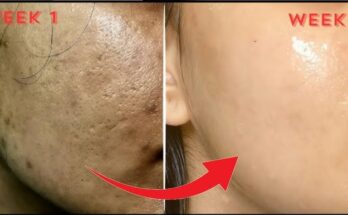
A cleanser helps by reducing buildup, calming the skin environment, and making breakouts easier to manage. Mild improvements in comfort and balance can appear quickly, but visible acne changes usually take longer. Skin tends to respond best when products are used consistently and not changed too often.
The goal is not to find the harshest face wash. The goal is to choose a cleanser that your skin can tolerate every day while still supporting acne control.
Final Thoughts
The best face wash for acne and sensitive skin is one that removes impurities effectively while preserving the skin barrier. It should be gentle, fragrance-free, non-stripping, and thoughtfully formulated with ingredients that calm irritation and help keep pores clear. The ideal cleanser does not leave the skin feeling dry or aggressive. It leaves the skin clean, soft, balanced, and ready for the next steps in a healthy skincare routine.
When acne and sensitivity exist together, simplicity wins. A mild cleanser with the right ingredients often outperforms harsh formulas that promise instant results. Clearer-looking skin begins with calmer skin, and calmer skin begins with the right face wash.