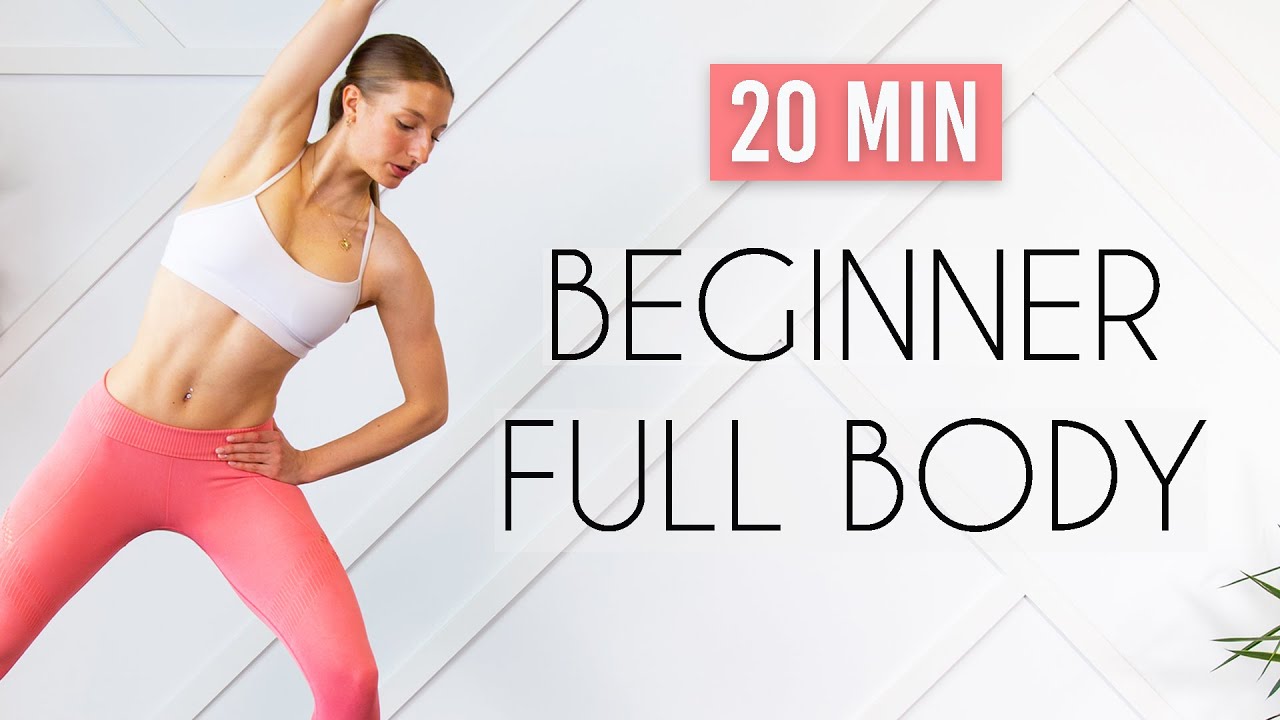
Best Exercises for Weight Loss: Let’s face it—we all wish there was a magic pill to lose weight, but the truth is, consistent movement paired with smart nutrition is the real answer. Exercise isn’t just about dropping pounds; it’s about transforming your entire lifestyle. When you move your body regularly, you don’t just burn fat—you boost your mood, sharpen your focus, and build confidence.
Here’s the deal: Weight loss happens when you burn more calories than you consume. Exercise is your secret weapon because it helps create that calorie deficit, speeds up your metabolism, and builds lean muscle (which helps burn more calories at rest). Whether you’re just starting out or already on your fitness journey, understanding how exercise supports fat loss will give you the motivation to stay on track.
And no—you don’t need to live in the gym to see results. The best exercises for weight loss aren’t necessarily the hardest ones; they’re the ones you can stick with consistently. That could be walking, dancing, swimming, or lifting weights. The key is consistency over intensity.
Ready to discover the most effective exercises to melt fat and get in shape? Let’s dive in.
The Science Behind Weight Loss and Exercise
Before we jump into the workouts, let’s break down how weight loss actually works. At its core, weight loss is about energy balance—specifically, “calories in vs. calories out.” If you burn more calories than you consume, your body starts tapping into stored fat for energy, resulting in weight loss.
Now, where does exercise come in? Exercise increases your total daily energy expenditure (TDEE). The more you move, the more calories you burn. Cardio workouts like running or cycling torch calories during the activity, while strength training boosts your resting metabolism by building lean muscle.
But it’s not just about burning calories. Exercise also improves insulin sensitivity, regulates hormones like cortisol and ghrelin (which control stress and hunger), and helps prevent muscle loss during calorie deficits. That means you’re not just losing weight—you’re losing fat and keeping your body strong.
In simple terms: when you combine regular exercise with a balanced diet, you create a powerful synergy that melts fat, tones muscle, and sets you up for long-term success.
Cardio vs. Strength Training: Which is Better for Weight Loss?
This debate is as old as time: cardio or weights? The truth is, both are important, and the best results come when you combine them strategically.
Cardio (short for cardiovascular exercise) includes activities like running, cycling, swimming, and dancing. It’s fantastic for burning a high number of calories in a short amount of time and improving heart health. Think of it as your go-to for quick fat burn.
Strength training, on the other hand, involves lifting weights or using resistance to build muscle. It may not burn as many calories during the session, but it boosts your metabolism long-term by increasing lean muscle mass. More muscle = more calories burned, even while you’re sleeping.
So, what’s the magic formula? A mix of both. Aim for 3–4 days of strength training and 2–3 days of cardio per week. This combo ensures you’re not just losing weight but also sculpting your body and improving overall fitness.
Still with me? Good—because we’re about to explore the top exercises that truly move the needle on weight loss.
High-Intensity Interval Training (HIIT)
If there’s one exercise method that delivers maximum results in minimal time, it’s HIIT—High-Intensity Interval Training. This workout style alternates between short bursts of intense effort and brief recovery periods. Think 30 seconds of all-out sprinting followed by 30 seconds of walking, repeated for 20–30 minutes. Sounds intense? It is—but it works like magic for fat loss.
Here’s why HIIT is a game-changer: it keeps your heart rate up, burns tons of calories, and triggers what’s called the afterburn effect (also known as EPOC—Excess Post-Exercise Oxygen Consumption). That means you keep burning calories even hours after your workout is done. Imagine melting fat while watching Netflix—that’s the power of HIIT.
But don’t worry—you don’t have to be an athlete to get started. A beginner HIIT workout could look like this:
- 30 seconds jumping jacks
- 30 seconds rest
- 30 seconds bodyweight squats
- 30 seconds rest
- 30 seconds mountain climbers
- 30 seconds rest
- Repeat 3–4 rounds
As you build stamina, you can increase intensity or duration. The best part? HIIT workouts can be done anywhere—with or without equipment—and most take under 30 minutes. So, if you’re short on time but want fast results, HIIT might just become your new best friend.
Walking: The Most Underrated Fat-Burning Exercise
Let’s be real—walking doesn’t sound sexy when it comes to weight loss. But don’t underestimate it. Walking is low-impact, accessible to everyone, and surprisingly effective for fat burning—especially if you’re just starting your fitness journey or dealing with injuries.
Here’s what makes walking powerful: it burns calories, boosts metabolism, reduces stress (which is directly linked to belly fat), and helps regulate hunger hormones. Plus, it’s super sustainable. You don’t need a gym membership or fancy gear—just a good pair of shoes and a path to walk on.
Aim for at least 7,000–10,000 steps per day or 30–60 minutes of brisk walking. Want to boost results? Try these tips:
- Add inclines (like hills or stairs)
- Carry light hand weights
- Use walking poles for upper-body engagement
- Turn it into a power walk (increase pace)
- Listen to music or podcasts to stay motivated
One of the best things about walking is that it doesn’t feel like a workout—it’s therapeutic, clears your mind, and can easily be built into your daily routine. Whether it’s a morning stroll or post-dinner walk, every step counts toward your weight loss goal.
Running and Jogging
Ready to take it up a notch? Running and jogging are classic go-to exercises for shedding pounds, and for good reason—they torch serious calories, improve cardiovascular health, and require zero equipment.
On average, running burns about 600–1000 calories per hour, depending on your speed and weight. It also strengthens your legs, core, and even your mental toughness. Plus, it releases endorphins—those feel-good hormones that give you that famous “runner’s high.”
Not a runner yet? No worries. Start by mixing jogging with walking intervals (known as the run-walk method). For example:
- 1 minute jogging
- 2 minutes walking
- Repeat for 30 minutes
As you build endurance, increase jogging time and reduce walking time. Eventually, you’ll be able to run longer without stopping—and the fat loss will follow.
Tips for safe and effective running:
- Invest in good running shoes
- Warm up before and stretch after
- Run on softer surfaces (like grass or trails) to protect joints
- Stay hydrated and fuel properly
Whether you prefer early morning jogs or sunset sprints, running is one of the fastest ways to torch fat and build endurance. Don’t be afraid to start slow—every mile counts.
Cycling (Indoor and Outdoor)
Cycling is another powerhouse fat-burning exercise that’s also joint-friendly and fun. Whether you’re cruising on a bike trail or grinding it out on a stationary bike, cycling can burn up to 500–1000 calories per hour, depending on intensity.
Why is cycling so effective? Because it combines cardio with leg-strengthening, while allowing you to control resistance and speed. It’s perfect for people with knee issues or those who want a lower-impact alternative to running.
Outdoor cycling has the added benefit of changing scenery (and fresh air), while indoor cycling allows for structured training. Spin classes, for example, are intense, motivating, and often paired with energetic music that keeps you going strong.
Want to torch more fat with cycling? Try this fat-blasting interval session:
- 1 minute fast pedaling (high resistance)
- 1 minute slow recovery
- Repeat for 20–30 minutes
Cycling also helps build strong quads, hamstrings, and glutes—giving you that toned look while shrinking body fat. Make it a daily habit, and you’ll see steady progress without burning out.
Swimming
If you want a full-body workout that feels more like play than punishment, swimming is your answer. It’s a killer cardio exercise that works every muscle group, strengthens your core, and burns a whopping 500–700 calories per hour.
Here’s the kicker—water provides natural resistance, so your body works harder without you even noticing. Swimming is also a fantastic option for those with joint pain, injuries, or limited mobility. It’s gentle on the body but fierce on fat.
Best swimming strokes for weight loss:
- Freestyle – Fast-paced, high-calorie burn
- Breaststroke – Great for beginners, works the chest and legs
- Butterfly – Most intense, total-body muscle activation
- Backstroke – Improves posture and works the back/core
To make swimming even more effective, try interval laps—alternate between fast and slow paces. You can also mix in pool workouts like water aerobics or resistance training with aqua dumbbells.
Swimming not only helps you lose weight, but it also improves lung capacity, boosts flexibility, and reduces stress. Plus, it feels amazing—especially in the summer heat. Dive in and watch the pounds melt away.
Jump Rope Workouts
Remember how much fun jumping rope was as a kid? Turns out, it’s also one of the most effective fat-burning workouts for adults. A jump rope workout can torch up to 1,000 calories per hour depending on intensity. That’s more than running, swimming, or cycling!
Jumping rope works your legs, core, shoulders, and arms all at once. It also skyrockets your heart rate, improving cardiovascular fitness while melting fat fast. What makes it so efficient is how quickly it ramps up calorie burn with very little space or equipment needed. All you need is a rope and some space—your living room, driveway, or even your office can become a mini fat-burning zone.
If you’re new to jump rope, start slow with this beginner-friendly routine:
- 30 seconds basic jump
- 30 seconds rest
- 30 seconds alternate foot jump
- 30 seconds rest
- Repeat for 10–15 minutes
Once you’ve built coordination and endurance, try advanced moves like double-unders, high knees, or criss-crosses.
Pro tips:
- Use a weighted rope for increased resistance
- Always jump on a soft surface or exercise mat
- Keep elbows close to your body and use your wrists, not arms, to spin the rope
- Wear supportive shoes to protect your ankles and knees
It’s intense, it’s fun, and it’s over fast. Jump rope workouts are ideal for those short on time but big on results.
Strength Training for Fat Loss
Many people mistakenly think that lifting weights is just for building muscle, not for losing weight. Let’s bust that myth right now. Strength training is crucial for sustainable fat loss. Why? Because muscle is metabolically active—it burns more calories at rest than fat. The more lean muscle you have, the more you can eat without gaining weight. Sounds good, right?
When you lift weights, you create small tears in your muscle fibers, which your body repairs and rebuilds stronger. This process requires energy (read: burns calories). Even after your workout ends, your metabolism stays elevated—this is called the afterburn effect or EPOC.
Here’s a list of compound strength exercises that are excellent for weight loss:
- Squats
- Deadlifts
- Lunges
- Push-ups
- Pull-ups
- Bent-over rows
- Planks
These moves work multiple muscle groups at once, which means more calories burned in less time. For best results, lift 3–4 days per week and focus on progressive overload—gradually increasing weights or reps over time.
Don’t fear the dumbbells. Strength training not only shapes your body, but it also makes you stronger, boosts confidence, and turns your body into a fat-burning machine—24/7.
Circuit Training
Circuit training is like the best of both worlds—it combines cardio and strength in one fast-paced, calorie-torching session. This workout method involves moving from one exercise to another with minimal rest in between. The result? Your heart rate stays up, your muscles get challenged, and you burn a ton of calories in a short period.
A typical circuit might look like this:
- 1 minute jump squats
- 1 minute push-ups
- 1 minute mountain climbers
- 1 minute kettlebell swings
- 1 minute plank
- Rest 1 minute, then repeat 3–4 times
This combo targets every major muscle group while keeping your metabolism revved. Circuits can be tailored to your fitness level and goals—whether you’re aiming for fat loss, endurance, or total-body toning.
Benefits of circuit training:
- Builds muscle while burning fat
- Keeps workouts fun and dynamic
- Can be done with or without equipment
- Time-efficient—great for busy schedules
If you hate doing endless cardio or lifting weights in isolation, circuits offer a fun, challenging alternative. Plus, no two workouts ever have to be the same.
Group Fitness Classes (Zumba, Spin, Bootcamp)
Not a fan of solo workouts? Group fitness classes might be your ticket to consistency and serious calorie burn. Classes like Zumba, spin, HIIT bootcamps, and kickboxing are not only effective but also super motivating. Why? Because the energy of a group, the guidance of an instructor, and the pumping music all push you to go harder than you would on your own.
Let’s look at a few top fat-burning classes:
- Zumba – Dance-based cardio that can burn 500–800 calories/hour
- Spin – High-intensity indoor cycling class with intervals and resistance training
- Bootcamp – A mix of cardio, strength, and core work, often circuit-style
- Kickboxing – Great for stress relief and full-body fat burn
What makes group classes effective is that they keep you accountable and engaged. You’re less likely to skip a workout when it’s booked and you’re surrounded by others doing the same thing. Many classes also offer built-in progressions, so you can level up as you get fitter.
Bonus: they’re often just 30–45 minutes, but you’ll feel the burn all day.
Bodyweight Workouts You Can Do at Home
You don’t need a gym or fancy equipment to lose weight. In fact, some of the most effective fat-burning exercises can be done in your living room using just your bodyweight. That’s right—your own body is one of the best tools you’ve got.
Here’s a simple fat-burning home workout routine:
- 20 squats
- 15 push-ups
- 20 walking lunges (10 each leg)
- 30 seconds mountain climbers
- 30 seconds jumping jacks
- 30-second plank
- Rest 1 minute and repeat 3–5 times
These exercises work large muscle groups, get your heart rate up, and require zero equipment. The key is to keep rest minimal between moves and focus on good form.
Bodyweight workouts are perfect for beginners, travelers, or anyone on a budget. You can do them any time, anywhere—first thing in the morning, during lunch breaks, or even while watching TV.
Want to level up? Try adding resistance bands, ankle weights, or increase your reps and rounds. The flexibility is endless, and the results are real.
Yoga and Pilates for Weight Loss
You might not associate yoga or Pilates with intense calorie burn—but these low-impact exercises pack a powerful punch when it comes to sustainable weight loss. While they may not torch calories as quickly as HIIT or running, they play a crucial supporting role in your fat-loss journey.
Let’s start with yoga. Beyond stretching and flexibility, yoga helps manage stress levels, which is a big deal. Why? Because stress increases cortisol, a hormone linked to fat storage—especially around the belly. Regular yoga practice helps lower cortisol, calm the nervous system, and promote mindful eating. Certain styles like Vinyasa, Power Yoga, or Hot Yoga can burn up to 400–600 calories per hour.
Key yoga poses for weight loss:
- Warrior II and III
- Chair Pose
- Plank Variations
- Boat Pose
- Downward Dog to Chaturanga flow
On the flip side, Pilates focuses on strengthening your core, improving posture, and toning muscles. It’s especially good for building lean muscle, which boosts your metabolism over time. Plus, Pilates workouts often engage deep stabilizing muscles that traditional workouts can miss.
Benefits of incorporating yoga and Pilates:
- Reduces bloating and water retention
- Builds core strength and improves posture
- Increases flexibility and mobility
- Supports better sleep and recovery
- Encourages a mind-body connection that helps control emotional eating
While they may not replace cardio or strength training entirely, yoga and Pilates are incredible additions to your weekly workout plan. Think of them as the glue that holds everything together—promoting balance, recovery, and long-term success.
Creating the Perfect Weekly Exercise Plan
Here’s the thing: no matter how good a single workout is, consistency beats intensity every time. That’s why building a balanced weekly plan is key to achieving sustainable weight loss. It keeps you on track, prevents burnout, and ensures all aspects of fitness are covered.
So how do you structure your week? Think of it like this:
- Cardio Days: 2–3 sessions (HIIT, running, cycling, swimming, group classes)
- Strength Training Days: 3–4 sessions (full-body or split routines)
- Active Recovery/Low-Impact: 1–2 days (walking, yoga, Pilates)
- Rest Day: 1 day to fully recharge (or light movement like stretching)
Sample Weekly Plan:
| Day | Workout Type |
|---|---|
| Monday | Full-body strength + core |
| Tuesday | HIIT or cardio (e.g. running) |
| Wednesday | Yoga or active recovery walk |
| Thursday | Lower body strength training |
| Friday | Spin or jump rope workout |
| Saturday | Bodyweight circuit or Zumba |
| Sunday | Rest or gentle Pilates |
Important tips:
- Mix it up: Variety keeps it fun and prevents plateaus
- Listen to your body: If you’re sore or exhausted, rest
- Stay flexible: If you miss a workout, don’t stress—just get back on track
The goal isn’t perfection—it’s progress. A well-rounded weekly plan supports fat loss while keeping your body strong, flexible, and injury-free.
Tips to Maximize Fat Burning During Workouts
Want to get more out of every sweat session? Fat burning isn’t just about how hard you train—it’s also about how smart you train. These simple tips can seriously level up your results:
1. Fuel Properly
Eat a small meal or snack before your workout to give your body the energy it needs. Go for something like:
- Banana with peanut butter
- Oats with berries
- Greek yogurt with honey
2. Lift Heavier
Don’t be afraid to challenge yourself with weights. Lifting heavier builds more muscle, which burns more fat. Always aim for progressive overload.
3. Shorten Rest Periods
Keeping your rest times shorter between sets keeps your heart rate elevated, increasing calorie burn.
4. Hydrate Like a Pro
Dehydration can reduce your performance. Drink water before, during, and after workouts.
5. Focus on Compound Movements
Exercises like squats, deadlifts, and push-ups work multiple muscle groups and burn more calories.
6. Train Fasted (Optional)
Some studies suggest that fasted cardio (working out before eating) can increase fat burn. Try it in the morning, but make sure it suits your body.
7. Track Your Progress
Use a fitness tracker or app to monitor heart rate, steps, and calories burned. It keeps you accountable and shows where to improve.
8. Sleep and Recovery
Yes, fat loss happens while you sleep. Aim for 7–9 hours a night and don’t skip rest days.
9. Add Music
A good playlist can increase workout intensity, improve focus, and make the time fly.
10. Stay Consistent
This is the big one. One killer workout won’t melt fat overnight. It’s about showing up consistently—even on the days you don’t feel like it.
Apply these strategies, and you’ll not only burn more fat during workouts but also build a routine that delivers long-term results.
FAQs about Best Exercises for Weight Loss
1. How many days a week should I exercise for weight loss?
Aim for at least 4–6 days of activity per week, mixing cardio, strength, and low-impact workouts. Rest is important too—plan 1–2 recovery days.
2. What is the best time to work out for fat loss?
The best time is when you can stay consistent. Some studies suggest morning workouts may aid fat loss, but consistency matters more than timing.
3. Can I lose weight with just walking?
Yes! Walking daily can lead to significant weight loss when combined with a healthy diet. Aim for 7,000–10,000+ steps per day for best results.
4. Do I need a gym membership to lose weight?
Not at all. Bodyweight exercises, walking, home HIIT, and online classes make it easy to lose weight without stepping into a gym.
5. How long before I see results from exercise?
You may notice changes in 2–4 weeks, like increased energy or better sleep. Visible results like fat loss usually appear after 6–8 weeks, depending on consistency and diet.
Conclusion
So, here’s the bottom line—there’s no single “best” exercise for weight loss. The truth is, the best workout is the one you can stick with, enjoy, and do consistently. Whether it’s walking your dog every morning, lifting weights at the gym, jumping rope in your backyard, or flowing through yoga at night—it all counts.
Weight loss isn’t about punishing your body—it’s about moving with purpose, fueling with intention, and staying consistent. Combine different types of exercises to keep it interesting, build a balanced routine, and listen to your body along the way.
Remember, this is a journey. You don’t have to be perfect—you just have to start. Small steps lead to big transformations.
Now go ahead, lace up those sneakers, press play on your workout playlist, and take that first step. Your future fit self is waiting.