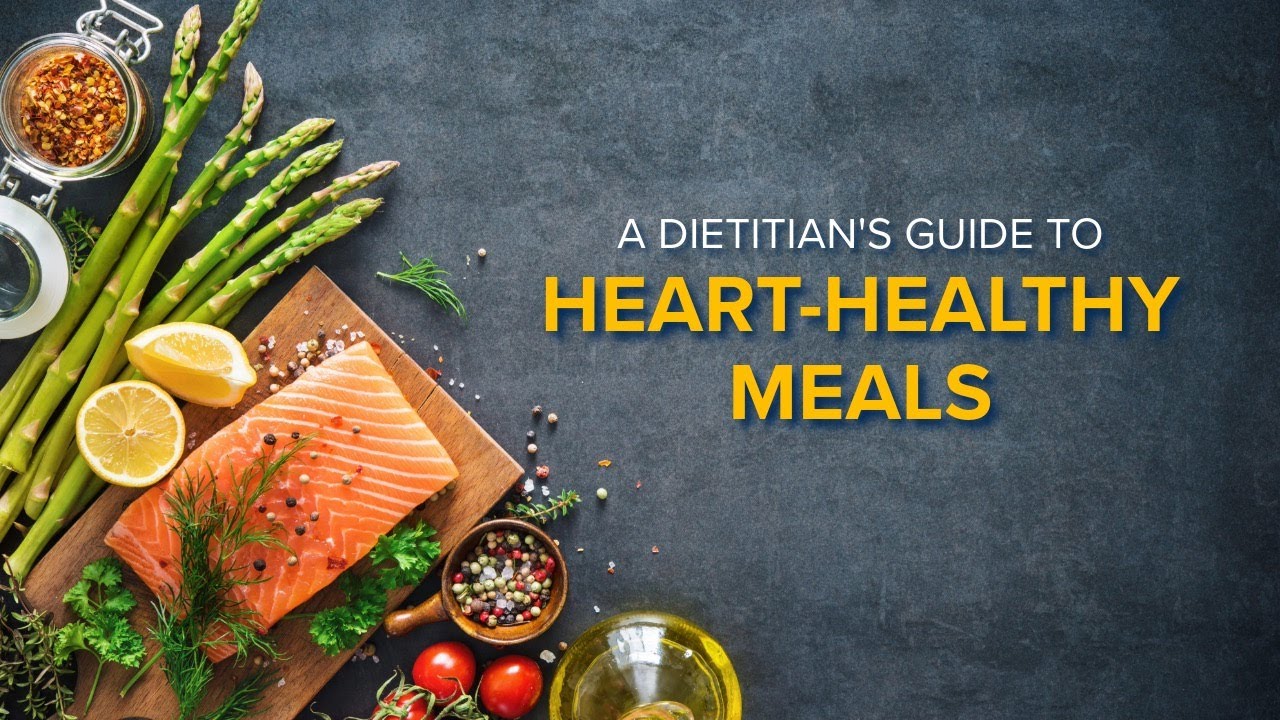
Best Diets for Heart Health: When it comes to living a long, healthy life, keeping your heart in good shape is absolutely essential. Your heart is the engine that powers everything you do—it pumps blood, delivers oxygen, and keeps your entire body functioning properly. But here’s the kicker: heart disease is still the leading cause of death worldwide. Scary, right?
The good news? You can take control of your heart health, and one of the most powerful tools at your disposal is your diet. What you put on your plate can either protect your heart or put it at risk. The right diet can lower your blood pressure, reduce cholesterol, fight inflammation, and even help you lose those extra pounds—all of which are big wins for your ticker.
In this guide, we’ll break down the best diets for heart health—not just based on theory, but backed by science, nutritionists, and real-life success. From the popular Mediterranean way of eating to the more structured DASH plan, you’ll discover heart-healthy options that can actually fit your lifestyle and taste preferences.
So, if you’re ready to eat your way to better heart health, let’s dive in.
Understanding Heart Disease
Before we dig into diet plans, it’s important to understand what we’re really up against. Heart disease isn’t just one condition—it’s a range of issues affecting your heart and blood vessels.
Some of the most common types include:
- Coronary artery disease (CAD) – This is the big one. It’s caused by plaque buildup in the arteries that supply blood to your heart.
- Heart failure – When the heart can’t pump blood effectively.
- Arrhythmias – Irregular heartbeats that can be life-threatening.
- High blood pressure (Hypertension) – A major risk factor for all kinds of heart problems.
- Stroke – Often related to heart health, especially when caused by blocked arteries.
Now, let’s talk about how diet ties into all of this.
Your eating habits can directly impact the following:
- Cholesterol levels (LDL vs. HDL)
- Blood pressure
- Inflammation
- Weight management
- Blood sugar levels
A heart-healthy diet isn’t about restriction or deprivation—it’s about fueling your body in a way that supports overall cardiovascular function. And trust me, the right foods can taste just as good—if not better—than the junk they replace.
Key Nutritional Principles for a Healthy Heart
If you’re aiming to support your heart, you’ve got to get familiar with the basics of smart nutrition. It’s not about following strict rules—it’s about learning what nourishes your heart and what doesn’t.
Foods to Eat:
- Fruits & Vegetables: Packed with antioxidants, fiber, and nutrients. Aim for color variety.
- Whole Grains: Brown rice, oats, quinoa—rich in fiber and heart-friendly nutrients.
- Healthy Fats: Think olive oil, avocados, and fatty fish. They help boost good HDL cholesterol.
- Lean Proteins: Skinless chicken, beans, legumes, and fish over red meats.
- Nuts & Seeds: Great for snacking and adding healthy fats and fiber.
- Low-fat Dairy: Calcium-rich but lower in saturated fat.
Foods to Avoid (or Limit):
- Trans Fats: Found in processed snacks, margarine, and some baked goods.
- Excess Saturated Fats: Especially from fatty cuts of red meat and full-fat dairy.
- Refined Sugars: Soda, candy, sugary cereals—spike insulin and lead to fat storage.
- Excess Salt: Raises blood pressure, especially when hidden in canned or frozen foods.
- Highly Processed Foods: Often loaded with chemicals, salt, and preservatives.
Once you get these fundamentals down, you’re already ahead of the game.
Mediterranean Diet
If there’s one diet most cardiologists and dietitians can agree on, it’s the Mediterranean diet. Inspired by the traditional eating habits of countries like Greece, Italy, and Spain, this plan focuses on whole, minimally processed foods.
What You’ll Eat:
- Lots of vegetables, fruits, and legumes
- Whole grains like barley and farro
- Healthy fats, especially from olive oil and nuts
- Lean proteins, especially fish like salmon, sardines, and mackerel
- Moderate amounts of dairy (mostly cheese and yogurt)
- Occasional red wine (optional and in moderation)
Why It’s Great for Your Heart:
- Reduces LDL cholesterol (the bad kind)
- Fights inflammation with antioxidants and healthy fats
- Supports healthy blood pressure
- Rich in omega-3s and monounsaturated fats
Studies have consistently shown that people who follow the Mediterranean diet have lower rates of heart disease, stroke, and death from cardiovascular issues. Plus, it’s delicious, flexible, and sustainable.
Sample Day on Mediterranean Diet:
| Meal | Example |
|---|---|
| Breakfast | Greek yogurt with berries and walnuts |
| Lunch | Grilled salmon salad with olive oil vinaigrette |
| Snack | Hummus with sliced veggies |
| Dinner | Whole grain pasta with roasted vegetables and a glass of red wine (optional) |
DASH Diet (Dietary Approaches to Stop Hypertension)
Another top-tier choice for protecting your heart is the DASH diet—short for Dietary Approaches to Stop Hypertension. Originally developed to help people lower blood pressure without medication, it’s now widely recommended for overall heart health and is backed by decades of scientific research.
What Makes the DASH Diet Special?
The DASH diet focuses on reducing sodium intake while increasing nutrients like potassium, magnesium, and calcium—essential for maintaining healthy blood pressure. Unlike many trendy diets, DASH is not restrictive. It emphasizes balance, variety, and portion control, making it one of the easiest diets to stick to long-term.
What You’ll Eat:
- Fruits and vegetables (aim for 4–5 servings each per day)
- Whole grains (brown rice, oats, quinoa, whole wheat bread)
- Low-fat dairy (milk, yogurt, cheese)
- Lean proteins (chicken, fish, legumes)
- Nuts, seeds, and legumes
- Healthy fats (in moderation)
What to Limit:
- High-sodium foods (processed meats, canned soups, salty snacks)
- Sugary drinks and sweets
- Red meat (especially fatty cuts)
- Full-fat dairy
Heart Benefits of the DASH Diet:
- Lowers blood pressure effectively
- Helps reduce bad cholesterol (LDL)
- Supports weight loss, which further benefits heart health
- Improves insulin sensitivity, lowering the risk of diabetes—a major heart disease risk factor
Sample Daily Serving Recommendations:
| Food Group | Servings Per Day |
|---|---|
| Grains | 6–8 |
| Vegetables | 4–5 |
| Fruits | 4–5 |
| Dairy | 2–3 |
| Lean meats | ≤ 6 oz |
| Nuts/seeds/legumes | 4–5 per week |
This diet is perfect if you’re looking for a practical, science-based plan to manage blood pressure and cholesterol without feeling deprived.
Plant-Based Diets
The buzz around plant-based diets isn’t just hype—it’s grounded in powerful health benefits, especially when it comes to your heart. Whether you go full vegan, lean vegetarian, or simply eat more plants and fewer animal products, this way of eating is one of the most effective for heart health.
Why Go Plant-Based for Your Heart?
Plant-based diets are naturally low in saturated fats and high in fiber, antioxidants, and anti-inflammatory compounds. Numerous studies have linked plant-based eating to:
- Lower cholesterol
- Reduced blood pressure
- Better blood sugar control
- Less inflammation
- Lower BMI and waist circumference
Types of Plant-Based Diets:
- Vegan: Excludes all animal products—meat, dairy, eggs, and even honey.
- Vegetarian: Excludes meat and fish but may include dairy and eggs.
- Whole-food plant-based: Focuses on whole, unprocessed plant foods.
- Flexitarian: Mostly plant-based, but allows occasional meat or fish.
Nutrient Considerations:
While plant-based diets are healthy, it’s important to ensure you’re getting enough of the following:
- Vitamin B12
- Iron
- Omega-3 fatty acids
- Protein
- Calcium
These can easily be addressed with smart planning or supplements.
Sample Heart-Healthy Plant-Based Meals:
- Breakfast: Overnight oats with almond milk, chia seeds, and berries
- Lunch: Quinoa salad with black beans, avocado, and lemon dressing
- Dinner: Stir-fried tofu with broccoli, bell peppers, and brown rice
- Snack: Roasted chickpeas or a handful of almonds
Going plant-based doesn’t mean eating like a rabbit. With the right ingredients, it can be satisfying, hearty, and packed with flavor—while giving your heart everything it needs.
Flexitarian Diet
The Flexitarian diet is perfect if you’re not ready to give up meat entirely but want to focus on plant-based eating. It’s a flexible and realistic approach that encourages more plant foods without completely eliminating animal products.
How the Flexitarian Diet Works:
- Focus on plants: Fruits, vegetables, legumes, whole grains, nuts, and seeds are the foundation.
- Limited animal products: Meat and dairy are optional and eaten occasionally.
- Whole foods over processed: Clean, unprocessed choices are encouraged.
Why It’s Heart-Healthy:
- Encourages nutrient-dense, high-fiber foods
- Reduces saturated fat intake by limiting red meat
- Helps lower cholesterol and blood pressure
- Supports a healthy weight, decreasing heart disease risk
Flexitarian vs. Other Diets:
Unlike strict vegan or vegetarian diets, flexitarianism gives you freedom. If you enjoy a steak once in a while or love your weekend salmon dinners, this approach doesn’t force you to give them up—it just asks you to balance them with more plant-based meals.
Tips for Success:
- Go meatless for one or two days per week
- Use meat as a side dish instead of the main event
- Experiment with plant-based proteins like lentils, chickpeas, and tempeh
- Try meat alternatives for variety
This diet is easy to adopt, sustainable in the long term, and backed by research showing lower risk for heart disease, diabetes, and obesity.
TLC Diet (Therapeutic Lifestyle Changes)
The TLC diet was created by the National Institutes of Health and specifically targets cholesterol reduction through dietary and lifestyle adjustments.
Core Principles:
- Limit saturated fat to less than 7% of daily calories
- Total fat intake should be no more than 35%
- Cholesterol intake under 200 mg per day
- Increase soluble fiber (10–25 grams daily)
- Add plant stanols and sterols (2 grams per day)
Foods to Emphasize:
- Oats, barley, legumes
- Fruits and vegetables
- Lean protein (especially fish and poultry)
- Low-fat or fat-free dairy
- Nuts, especially almonds and walnuts
What to Avoid:
- Fatty meats and full-fat dairy
- Fried foods
- Processed snacks with trans fats
- Egg yolks (in excess)
Heart-Healthy Impact:
The TLC diet is clinically proven to:
- Reduce LDL (“bad”) cholesterol by 8–10%
- Lower total cholesterol
- Improve lipid profiles when combined with physical activity and weight management
Best for:
Anyone who has been told they have high cholesterol or are at high risk for cardiovascular disease. It’s a prescriptive diet but extremely effective when followed consistently.
Nordic Diet
The Nordic diet is similar to the Mediterranean plan but draws inspiration from traditional Scandinavian foods. Think cold-water fish, root vegetables, rye bread, and berries.
Key Features:
- Focus on local and seasonal produce
- High in whole grains like rye, oats, and barley
- Emphasis on fatty fish (herring, mackerel, salmon)
- Use of canola oil instead of olive oil
- Limited processed foods and red meat
Benefits for the Heart:
- Improves cholesterol profiles
- Supports healthy blood pressure
- Contains plenty of omega-3 fatty acids
- Rich in antioxidants and fiber
Why It Works:
The Nordic diet’s emphasis on seafood and whole grains provides powerful heart protection. In fact, a study in the American Journal of Clinical Nutrition found that the Nordic diet reduced the risk of heart attack and stroke in middle-aged adults.
Sample Meal:
- Breakfast: Oatmeal with berries and flaxseed
- Lunch: Smoked salmon on rye toast with pickled veggies
- Dinner: Grilled herring with root vegetable mash
It’s hearty, satisfying, and perfect for colder climates—while still being gentle on your heart.
Low-Carb & Keto Diets: Heart Friend or Foe?
Low-carb and ketogenic (keto) diets have taken the weight loss world by storm, but when it comes to heart health, the debate gets a little more complicated. These diets prioritize high fat and low carbohydrate intake, which can have both benefits and drawbacks for your heart—depending on how they’re implemented.
How They Work:
- Keto Diet: Extremely low in carbs (usually <50g/day), high in fats (70–75% of calories), and moderate in protein.
- Low-Carb Diets: More flexible, typically under 100–150g of carbs per day, depending on the approach.
Potential Heart Benefits:
- Weight Loss: Significant and often rapid, which is a win for heart health.
- Lower Blood Sugar: Especially helpful for diabetics and pre-diabetics.
- Improved Triglycerides: Lower carbohydrate intake often lowers triglyceride levels.
- Increased HDL (“Good”) Cholesterol: Especially in well-formulated versions.
Potential Risks for the Heart:
- Increased Saturated Fat: Many go overboard on red meat, cheese, butter—raising LDL (“bad”) cholesterol.
- Lack of Fiber: Cutting out whole grains and legumes can cause fiber deficiency.
- Nutrient Gaps: Avoiding fruits, starchy vegetables, and whole grains may reduce important nutrients like potassium and magnesium.
The Verdict?
Low-carb and keto diets can be heart-healthy—but only if done wisely. Choose healthy fats (like olive oil, avocado, and nuts) instead of processed meats and butter. Include non-starchy vegetables, drink plenty of water, and monitor your lipid profile regularly.
Tips for a Heart-Healthy Keto/Low-Carb Approach:
- Choose unsaturated fats over saturated
- Include fiber-rich low-carb vegetables (broccoli, spinach, cauliflower)
- Avoid processed meats
- Consider cyclical keto or moderate-carb alternatives for better sustainability
When tailored carefully, low-carb diets may improve many cardiovascular risk factors. But they’re not one-size-fits-all, and consulting with a nutritionist or cardiologist is a smart move before diving in.
Paleolithic (Paleo) Diet
The Paleo diet, also known as the caveman diet, is based on the idea of eating like our hunter-gatherer ancestors. The focus is on whole, unprocessed foods, including meat, fish, vegetables, fruits, nuts, and seeds—while avoiding grains, dairy, legumes, and processed foods.
Core Paleo Principles:
- Eat: Grass-fed meats, wild fish, eggs, veggies, fruits, nuts, seeds, and healthy fats
- Avoid: Grains, legumes, dairy, refined sugar, and processed foods
Heart Health Benefits:
- Naturally low in processed foods and added sugars
- Eliminates trans fats and refined carbohydrates
- High in fiber, potassium, and omega-3s
- Encourages nutrient-dense meals
However, Paleo can also pose risks if you’re not careful:
- High in saturated fats if you consume too much red meat
- Low in calcium and vitamin D due to dairy elimination
- Restrictive and hard to sustain long-term for some people
Is Paleo Good for the Heart?
Yes—when it emphasizes lean meats, fish, plenty of vegetables, and healthy fats. But if it leans too heavily on red meat or bacon, it can quickly become counterproductive for cardiovascular health.
Heart-Healthy Paleo Tips:
- Focus on lean protein sources (chicken, turkey, fish)
- Eat a wide variety of vegetables
- Use heart-healthy oils like avocado or olive oil
- Moderate red meat intake
The Paleo diet can be a great reset for eating habits—just make sure it’s balanced and not overly meat-centric.
Whole30 and Elimination Diets
The Whole30 diet is a 30-day elimination plan designed to help you reset your body by removing foods that may cause inflammation, cravings, or digestive issues. While not a long-term diet, it can be a great way to identify triggers and develop healthier eating habits that benefit your heart.
What You Eliminate:
- Sugar (real or artificial)
- Alcohol
- Grains
- Legumes
- Dairy
- Processed foods and additives
What You Eat:
- Real, whole foods like vegetables, fruits, lean meats, seafood, eggs, and healthy fats
Why It Can Be Good for Your Heart:
- Removes highly processed and sugary foods
- Reduces sodium intake
- Encourages cooking at home and reading labels
- Focuses on anti-inflammatory, nutrient-dense ingredients
Drawbacks:
- Highly restrictive
- Not intended for long-term use
- Eliminates some heart-healthy foods (like legumes and whole grains)
Best Use Case:
Use Whole30 or similar elimination diets as a short-term reset—then slowly reintroduce foods while watching how your body reacts. This process helps you develop a personalized, sustainable heart-healthy eating plan.
Foods That Promote Heart Health
Regardless of the diet you choose, certain superfoods consistently appear across the board when it comes to protecting your heart. These nutrient-rich powerhouses can help reduce cholesterol, lower blood pressure, and fight inflammation.
Top Heart-Healthy Foods:
- Fatty Fish (salmon, mackerel, sardines): Packed with omega-3s
- Oats and Barley: High in soluble fiber to lower LDL
- Berries: Loaded with antioxidants
- Dark Leafy Greens (kale, spinach, Swiss chard): High in nitrates and vitamins
- Avocados: Healthy monounsaturated fats
- Nuts and Seeds (walnuts, chia, flaxseeds): Rich in omega-3s and fiber
- Legumes: Beans and lentils support lower cholesterol
- Olive Oil: Staple in the Mediterranean diet for a reason
- Green Tea: Contains catechins that improve blood vessel function
- Dark Chocolate (in moderation): Contains flavonoids good for heart health
Add These Nutrients to Your Diet:
- Fiber
- Omega-3 fatty acids
- Magnesium
- Potassium
- Antioxidants (vitamin C, E, flavonoids)
Incorporating these foods consistently can supercharge your heart protection—no matter what diet label you follow.
Habits That Complement Heart-Healthy Diets
Eating right is a massive step toward a healthy heart, but your lifestyle habits matter just as much. Think of your diet as the engine and your habits as the fuel that keeps it running smoothly. When paired with the right daily practices, your heart-healthy diet becomes far more effective.
Here are some essential habits that go hand-in-hand with heart-smart eating:
1. Stay Physically Active
Regular movement strengthens your heart muscle, helps maintain a healthy weight, and keeps your blood pressure and cholesterol in check.
- Aim for: At least 150 minutes of moderate aerobic activity per week (like brisk walking or cycling).
- Mix in strength training 2 times a week for better cardiovascular endurance and metabolism.
Tip: Don’t overthink it. A 30-minute walk daily is a great place to start.
2. Manage Stress Effectively
Chronic stress leads to inflammation and high cortisol levels, which can harm your heart over time. Stress-eating and poor sleep can also spiral out of control.
Try:
- Deep breathing exercises
- Meditation or yoga
- Journaling
- Spending time outdoors
- Unplugging from social media
3. Prioritize Sleep
Lack of sleep can increase your risk of heart disease, obesity, and hypertension.
- Aim for: 7–9 hours of quality sleep per night.
- Practice a calming bedtime routine and limit screen time before bed.
4. Stay Hydrated
Dehydration can increase blood viscosity (thickness), making it harder for the heart to pump blood efficiently.
- Drink at least 8 cups of water a day—more if you’re active or live in a hot climate.
5. Avoid Smoking & Limit Alcohol
- Smoking is a major risk factor for heart disease—it damages arteries, reduces oxygen in the blood, and raises blood pressure.
- If you drink alcohol, do so in moderation: 1 drink per day for women and 2 for men.
Creating a heart-friendly lifestyle isn’t about perfection—it’s about progress. Combine these habits with your chosen heart-healthy diet, and you’ll build a strong foundation for lifelong cardiovascular wellness.
Tips for Transitioning to a Heart-Healthy Diet
Making big dietary changes can feel overwhelming—but it doesn’t have to be. Whether you’re moving from fast food to fresh produce or just fine-tuning your current habits, small, consistent steps can make a huge difference.
1. Start Slow and Steady
Don’t overhaul everything overnight. Begin by changing one meal a day or swapping out one unhealthy ingredient at a time.
For example:
- Replace white rice with quinoa or brown rice
- Swap soda for flavored sparkling water
- Add one veggie to every meal
2. Meal Prep with a Purpose
Planning your meals in advance helps you avoid impulse decisions and ensures you always have healthy options on hand.
Tips:
- Cook in batches (soups, stews, roasted veggies)
- Use clear containers to store pre-chopped veggies and fruits
- Plan a weekly menu and shopping list
3. Make Your Plate Heart-Friendly
Follow the plate method:
- ½ plate veggies
- ¼ lean protein
- ¼ whole grains
- Add a healthy fat (avocado, olive oil, nuts)
This simple visual makes portion control and balance easy.
4. Read Nutrition Labels
Become a detective! Look for:
- Low sodium (under 140mg per serving is ideal)
- Low added sugars
- No trans fats
- High fiber (at least 3–5g per serving)
5. Don’t Deprive Yourself
Sustainable changes beat strict rules every time. Allow yourself occasional treats—just keep them in moderation and don’t let them derail your progress.
6. Track Your Progress
Use apps or a journal to log your meals, activity, and how you feel. Tracking helps you identify what’s working and where you need to tweak things.
Transitioning to a heart-healthy diet is not a sprint—it’s a marathon. Pace yourself, celebrate small wins, and stay committed to the long game.
Common Mistakes in Heart-Healthy Eating
Even with the best intentions, many people fall into traps that sabotage their heart health. Let’s look at the most common missteps so you can avoid them on your journey.
1. Relying Too Much on “Low-Fat” Packaged Foods
Many products labeled “low-fat” are actually loaded with sugar, salt, and additives to enhance flavor. These can spike your blood sugar and raise triglycerides.
Fix it: Focus on whole foods instead of processed items.
2. Overeating “Healthy” Fats
Avocados, nuts, and olive oil are great—but calories add up fast. Too much of a good thing can lead to weight gain, which increases heart disease risk.
Fix it: Use measuring tools or practice mindful eating to control portions.
3. Neglecting Fiber Intake
A low-fiber diet can lead to higher cholesterol and blood sugar spikes. Fiber is essential for healthy digestion and keeping your arteries clear.
Fix it: Add more whole grains, beans, fruits, and veggies to your meals.
4. Not Watching Sodium
Even healthy-looking foods like soups, frozen meals, and dressings can be sodium bombs.
Fix it: Read labels and aim for less than 2,300mg of sodium per day—or even lower if you’re at high risk.
5. Skipping Meals or Fasting Too Aggressively
Skipping meals can lead to overeating later and unstable blood sugar. Long-term fasting without guidance can also affect metabolism and nutrient intake.
Fix it: Eat balanced, consistent meals to keep energy and metabolism stable.
6. Eating Too Much Red Meat
Even lean red meats contain saturated fats, which, in excess, can contribute to artery-clogging plaque.
Fix it: Limit red meat to a few times per month and choose fish or plant-based proteins more often.
Avoiding these common errors can supercharge your heart-health efforts and keep you on track for real, lasting change.
FAQs about Best Diets for Heart Health
1. Can I still eat meat on a heart-healthy diet?
Yes, but moderation is key. Choose lean meats, like chicken or turkey, and limit red meat to a few times a month. Try incorporating more plant-based proteins like beans and lentils.
2. How long until I see results from dietary changes?
You might notice changes like lower blood pressure or cholesterol in as little as 3–6 weeks, especially if paired with exercise. Weight loss and improved energy can also happen gradually over time.
3. Is it expensive to eat for heart health?
Not necessarily. Whole grains, beans, frozen veggies, and seasonal produce are all affordable. Meal planning and cooking at home will also help save money while improving nutrition.
4. What’s the best diet for lowering cholesterol?
The TLC, DASH, and Mediterranean diets are excellent for lowering LDL cholesterol. All focus on reducing saturated fat and increasing fiber-rich, heart-friendly foods.
5. Are cheat meals okay on heart-healthy diets?
Occasional indulgences are fine as long as they’re the exception, not the rule. Focus on your overall pattern of eating—not perfection. Enjoy the treat, then get back on track.
Conclusion
From the time-tested Mediterranean and DASH diets to modern approaches like plant-based, flexitarian, and even carefully structured keto, there’s a heart-healthy diet out there for everyone. The key is to find one that fits your lifestyle, your preferences, and your health goals—because sustainability matters.
But remember, food is just one part of the puzzle. Combine your healthy diet with regular movement, quality sleep, and stress management, and you’ll create a holistic lifestyle that your heart will thank you for—day after day, year after year.
So, what are you waiting for? Start making those changes today. Your future self (and your heart) will be glad you did.