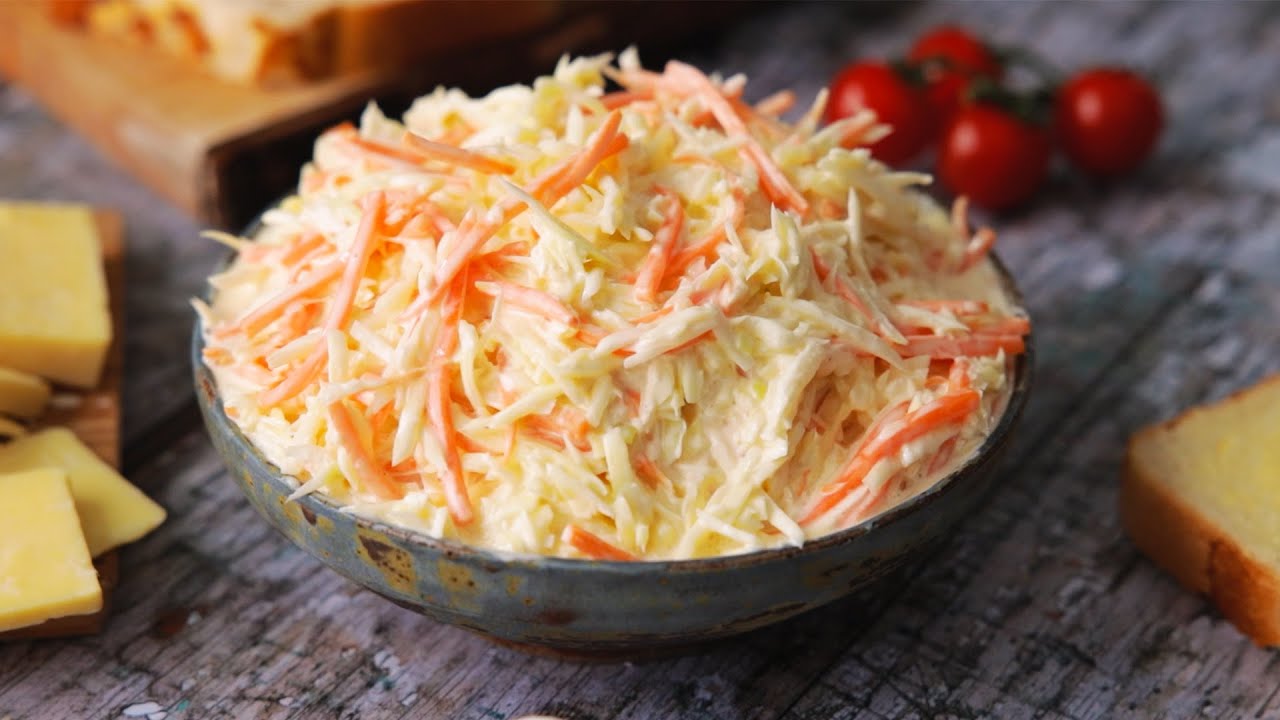
Best Coleslaw Dressing Recipe: Coleslaw isn’t just a side dish—it’s a crisp, refreshing burst of flavor that can elevate any meal. Whether you’re grilling burgers, frying chicken, or just want a light salad, coleslaw brings the crunch and the creamy tang we all crave. But what really makes or breaks a great coleslaw? The dressing, of course!
In this guide, we’ll break down how to make the absolute best coleslaw dressing from scratch. It’s easy, quick, and tastes way better than anything from a bottle. Let’s dive in!
What Makes a Great Coleslaw Dressing?
If you’ve ever had soggy, overly sweet coleslaw, you know how important a well-balanced dressing is. The perfect coleslaw dressing should be creamy but not heavy, tangy but not sour, and just sweet enough to balance the bitterness of the cabbage. It should complement, not overpower.
A great coleslaw dressing brings together fat (usually from mayonnaise), acid (like vinegar or lemon juice), and sweetness (from sugar or honey), along with seasonings like salt, pepper, and celery seed. The magic happens in that balance—when each element supports the others, creating a flavor that’s creamy, zesty, and refreshing all at once.
And let’s be honest, coleslaw isn’t just about cabbage—it’s a vehicle for that dreamy, luscious dressing. When you get it right, even folks who think they don’t like coleslaw will come back for seconds.
Types of Coleslaw Dressings
Coleslaw dressings generally fall into two main camps:
- Creamy dressings – These are mayo-based and often include a bit of dairy (like sour cream or buttermilk) for added richness. They’re the classic choice and what most people expect from a traditional American-style slaw.
- Vinegar-based dressings – These are lighter, oil-and-vinegar dressings with a sharper tang. They’re perfect for barbecue spreads where a less creamy option balances the richness of smoked meats.
Some people even like to mix the two, giving them the best of both worlds. No matter your preference, the process of making them is almost identical—simple and fast.
Essential Ingredients for the Best Coleslaw Dressing
The Must-Haves in Every Coleslaw Dressing
Let’s break down the core ingredients you’ll need for a classic, creamy coleslaw dressing. These aren’t fancy pantry items; you probably already have most of them in your kitchen:
- Mayonnaise – The base. It gives the dressing body and that smooth, creamy texture.
- Apple Cider Vinegar (or White Vinegar) – Provides acidity that cuts through the richness and brightens the flavor.
- Sugar – Balances the vinegar with a touch of sweetness.
- Dijon Mustard – Adds depth and a hint of heat.
- Celery Seed – This tiny addition gives coleslaw that “classic” deli flavor.
- Salt and Pepper – Essential to enhance all the other flavors.
That’s your base—simple, but effective. Each ingredient plays a role, and together, they create that familiar tangy-sweet zip we all crave in a good coleslaw.
Optional Ingredients for a Flavor Boost
If you want to take your dressing up a notch, here are some optional but tasty additions:
- Buttermilk – Thins the dressing slightly and adds a pleasant tang.
- Sour Cream or Greek Yogurt – Adds creaminess and a little extra zing.
- Honey or Maple Syrup – An alternative to granulated sugar for a deeper sweetness.
- Garlic Powder or Onion Powder – For a subtle savory note.
- Hot Sauce or Horseradish – For a little kick.
- Lemon Juice – Adds brightness and complements the vinegar.
You can mix and match depending on your taste preferences and what you’re serving it with. The key is to start with the classic foundation and adjust from there.
How to Make Coleslaw Dressing – Step-by-Step Guide
Step 1: Gather Your Ingredients
Before you dive in, make sure you have everything ready. Here’s what you’ll need for a batch that serves 6-8:
- 1 cup mayonnaise
- 2 tablespoons apple cider vinegar
- 2 tablespoons sugar (adjust to taste)
- 1 teaspoon Dijon mustard
- ½ teaspoon celery seed
- Salt and pepper to taste
Optional:
- 2 tablespoons sour cream or Greek yogurt
- 1 tablespoon buttermilk
- 1 teaspoon lemon juice
Once you have all your ingredients on the counter, you’re ready to whip up your dressing in under 5 minutes.
Step 2: Mix the Base
Start with the mayo in a medium bowl. Add the apple cider vinegar and sugar. Whisk it together until smooth.
The vinegar and sugar dissolve into the mayo, creating a silky base that’s sweet, tangy, and creamy all at once. This step is where your flavors start to come together, so don’t rush it. You’re building the dressing’s core here.
Step 3: Add Flavor Elements
Next, mix in the Dijon mustard, celery seed, and a pinch of salt and pepper. If you’re adding any optional ingredients like sour cream or lemon juice, now’s the time.
Give it all a good whisk until it’s well combined and smooth. Taste as you go—some people like it sweeter, others prefer more vinegar. This is your chance to adjust it to your liking.
If you like it thinner, add a splash of buttermilk or water. If it needs more tang, a dash of lemon juice can brighten things up.
Step 4: Taste and Adjust
Taste testing is crucial. You want a balance of creamy, tangy, and sweet. If it’s too sharp, add a bit more sugar. Too sweet? Add a splash more vinegar. Not punchy enough? Try a tiny bit more mustard.
Remember, the flavors will meld and mellow once the dressing hits the cabbage, so don’t overdo it. Once you’re happy with the flavor, your dressing is ready to go.
Tips for Perfect Coleslaw Every Time
Choosing the Right Cabbage
Let’s get one thing straight: the dressing might be the star, but it needs the right cabbage co-star to shine. Picking the right cabbage—or combination of cabbages—can make or break your slaw.
Here are your best options:
- Green Cabbage – This is the standard go-to. It’s crunchy, mildly flavored, and holds up well to dressing without getting soggy too quickly.
- Red (Purple) Cabbage – Adds a beautiful pop of color and a slightly peppery bite. However, it can bleed into the dressing over time, giving it a pink hue.
- Savoy or Napa Cabbage – These are softer and more tender, offering a milder taste. Great for a lighter, more refined slaw.
For the best texture and visual appeal, a mix of green and red cabbage works beautifully. You can shred it by hand with a knife, use a mandoline, or speed things up with a food processor.
Don’t forget to throw in some carrots, too! They add sweetness and crunch—plus they’re pretty to look at.
Chilling Time and Why It Matters
So, you’ve made your dressing, shredded your cabbage—now what? You could serve it right away, but here’s a little secret: coleslaw gets better with time.
Letting your coleslaw chill in the fridge for at least an hour allows the flavors to meld beautifully. The cabbage soaks up the dressing, softening just enough without turning mushy.
Here’s why chilling matters:
- It helps the cabbage release some water, which blends into the dressing, thinning it slightly and distributing it evenly.
- The sugar dissolves completely, balancing the tang of the vinegar.
- Spices like celery seed and mustard get a chance to infuse the entire dish.
But don’t overdo it. If you let it sit too long (especially overnight), the cabbage can get too soft, and red cabbage may discolor the whole batch.
Pro tip: If you’re prepping ahead, keep the cabbage and dressing separate. Mix them together about an hour before serving for optimal crunch and flavor.
Variations on the Classic Coleslaw Dressing
Creamy Coleslaw Dressing
This is the type you probably grew up with—the one that pairs perfectly with fried chicken or a backyard burger. Thick, smooth, and slightly sweet, creamy coleslaw dressing is the gold standard for a reason.
To make it even creamier:
- Add 2 tablespoons of sour cream or Greek yogurt.
- For a tangier profile, a splash of buttermilk works wonders.
- If you’re going for richness, a bit of heavy cream can make it super indulgent.
Want to cut calories a bit? Try using light mayo or even a mix of mayo and plain yogurt. You’ll keep the creaminess without sacrificing flavor.
Also, seasoning is key. Don’t skip the celery seed, and consider adding a pinch of garlic powder or a squeeze of lemon juice to balance things out.
Vinegar-Based Coleslaw Dressing
If you’re more into light, zippy slaw—especially to go with rich BBQ—this one’s for you. It skips the mayo and lets the vinegar shine, creating a crisp and refreshing slaw.
Here’s a simple version:
- ½ cup apple cider vinegar
- ¼ cup olive oil
- 1 tablespoon sugar or honey
- 1 teaspoon Dijon mustard
- Salt and pepper to taste
- Optional: a pinch of chili flakes for heat
Vinegar-based dressings are great for picnics or hot days since there’s no dairy or mayo to spoil. They also pair beautifully with pulled pork, ribs, or brisket—anything fatty that needs a bright contrast.
Want a bit more flavor depth? Add finely chopped red onion, a splash of lemon juice, or even some whole grain mustard for texture.
FAQs about Coleslaw Dressing Recipe
1. Can I make coleslaw dressing in advance?
Yes! In fact, it’s even better if made a day ahead. Just store it in an airtight container in the fridge and stir before using.
2. How long does homemade coleslaw dressing last?
Stored in the fridge, it lasts up to 5–7 days. Just make sure there are no fresh herbs or dairy products that might spoil sooner.
3. Can I freeze coleslaw dressing?
Not recommended. Mayo-based dressings can separate when frozen and thawed, resulting in a weird texture.
4. What’s a good mayo substitute for coleslaw dressing?
You can use Greek yogurt, sour cream, or a mix of both. Avocado is also a fun, creamy twist if you’re feeling adventurous.
5. Is coleslaw dressing gluten-free?
Yes, most are naturally gluten-free. Just check your mustard and vinegar labels to be sure they don’t contain any hidden gluten.
Conclusion
Making the best coleslaw dressing isn’t rocket science—it’s just a matter of understanding balance. Creamy or tangy, sweet or spicy, your dressing should amplify the freshness of the cabbage and tie the whole dish together.
Whether you’re feeding a crowd at a summer cookout or whipping up a quick weeknight side, homemade coleslaw dressing always beats the store-bought kind. It’s fresher, customizable, and made with real ingredients you trust.
Now that you’ve got the tools, ingredients, and step-by-step method, go ahead—mix up your batch of creamy, tangy, crunchy goodness. Your burgers, BBQ, and dinner plates will thank you.