Best Clam Chowder Recipe: Nothing says comfort food quite like a warm, creamy bowl of clam chowder. Whether you’re curled up on a rainy evening or craving a hearty soup that fills both the stomach and the soul, this recipe delivers in every spoonful.
Today, we’ll walk you through the ultimate, no-fail clam chowder recipe—from ingredient selection to presentation—with all the rich flavor and creamy texture you’d expect from a restaurant-style dish.
What is Clam Chowder?
Clam chowder is a beloved seafood soup known for its creamy base and briny, savory flavor. At its heart, it’s a stew made from clams, potatoes, onions, and cream, but what sets it apart is the silky texture and that delicious ocean taste. You’ve likely encountered different variations—New England style (the creamy kind), Manhattan style (tomato-based), and even Rhode Island style (broth-based). But for this guide, we’re going full-on classic New England style—the thick, creamy, and utterly indulgent version.
The beauty of clam chowder is how it marries land and sea. You get the hearty comfort of starchy potatoes and smoky bacon, balanced by the clean saltiness of clams. One spoonful, and it’s easy to see why this dish has remained a favorite for generations.
Brief History and Origin
Clam chowder has roots that trace back to early settlers along the Northeastern coast of America. It gained popularity in the 18th century, especially in fishing towns like Boston and Cape Cod, where clams were abundant. New Englanders embraced this dish, blending old European cooking methods with local ingredients like shellfish and root vegetables. Over time, each region put its own spin on the dish, but the creamy New England clam chowder emerged as the fan-favorite.
Even today, this soup is a staple at seafood shacks, fine dining restaurants, and family kitchens alike. It’s more than just a meal—it’s a piece of culinary heritage.
Key Ingredients for the Best Clam Chowder
Fresh vs Canned Clams
When it comes to flavor, fresh clams are the gold standard. They offer a sweet, clean brininess that canned clams can’t always match. Littleneck or cherrystone clams are top picks. You can steam them, chop the meat, and use the strained broth as your base.
That said, canned clams are a convenient, budget-friendly alternative—and they’re what most home cooks use. Opt for high-quality canned chopped clams packed in juice. Don’t discard the juice—it’s packed with flavor and makes a great base for the soup.
If you want the best of both worlds, use canned clams for the meat and fortify your broth with a bit of bottled clam juice or seafood stock.
Role of Potatoes, Onions, and Cream
These three ingredients form the backbone of your chowder:
- Potatoes: Russet or Yukon Gold potatoes are ideal. Russets break down slightly and help thicken the soup, while Yukon Golds hold their shape and add a buttery texture.
- Onions: A yellow or sweet onion gives depth without overpowering the delicate flavor of the clams.
- Heavy Cream: This is what gives chowder its luxurious, velvety texture. Half-and-half is a lighter substitute, but if you’re going for full indulgence, stick with heavy cream.
Optional Ingredients for Enhanced Flavor
Want to elevate your chowder even more? Try adding:
- Bacon or pancetta: Adds smokiness and depth.
- Celery: Adds a fresh, herbaceous crunch.
- Garlic: Just a hint goes a long way in building a savory profile.
- Thyme or bay leaf: For subtle herbal notes.
- Butter: Used at the end for that silky finish.
Feel free to experiment with these add-ins to tailor the chowder to your taste.
Kitchen Tools You’ll Need
Basic Utensils and Cookware
Before you start cooking, gather your tools. A smooth cooking experience starts with the right equipment:
- Large stockpot or Dutch oven: You’ll need plenty of space for simmering all those rich ingredients.
- Wooden spoon: Great for stirring without damaging the pot.
- Ladle: For serving your chowder neatly and evenly.
- Sharp knife and cutting board: Precision matters when dicing potatoes and onions.
- Measuring cups and spoons: For consistent results every time.
Recommended Cooking Equipment
While not mandatory, these tools can enhance your chowder-making game:
- Fine mesh strainer: If using fresh clams, this helps remove any grit from the clam juice.
- Immersion blender: Want an ultra-smooth chowder? Blend a portion of the soup for added creaminess.
- Soup bowls with wide rims: Not only do they look great for presentation, but they also help the chowder cool evenly.
A little prep goes a long way in making this chowder as stress-free as possible.
Step-by-Step Clam Chowder Recipe
Step 1 – Prepping the Ingredients
Before turning on the stove, get everything chopped, measured, and ready. This is your mise en place moment.
- Dice your onion finely for even cooking.
- Chop your potatoes into ½-inch cubes—big enough to hold their shape, but small enough to be tender.
- If using fresh clams, scrub the shells under cold water. Steam them in 1 cup water until they open, about 5-7 minutes. Reserve the liquid and chop the meat.
- Open your canned clams and reserve the juice.
- Mince 2 cloves of garlic, and chop 2-3 strips of bacon if using.
Prepping everything in advance means you can focus on cooking each step perfectly without scrambling for ingredients.
Step 2 – Cooking the Bacon and Sautéing Veggies
Now that your ingredients are ready, it’s time to build the flavor base.
Start by placing a large pot or Dutch oven over medium heat. Add the chopped bacon and cook until it’s crispy and golden brown, about 5–7 minutes. Don’t rush this step—the bacon fat that renders out will become a rich, smoky base for the entire soup.
Once the bacon is done, remove it with a slotted spoon and set it aside on a paper towel. You’ll use it later as a crunchy topping.
Leave about 2–3 tablespoons of the bacon fat in the pot (discard any excess), then add the diced onions and celery (if using). Sauté for 5–6 minutes until the onions are translucent and soft. Add the minced garlic and cook for another 30 seconds—just enough for it to release its aroma without burning.
This step is key to developing those deep, layered flavors. The aromatics will soak up the bacon fat, creating a rich base that makes your chowder irresistible.
Step 3 – Adding the Clams and Simmering
With your vegetables softened, it’s time to introduce the clams and their flavorful juices.
First, sprinkle in about 2 tablespoons of all-purpose flour. Stir it into the onion mixture to form a light roux. This will help thicken your chowder. Cook the roux for 1–2 minutes to eliminate the raw flour taste.
Now pour in the reserved clam juice, either from the canned clams or the liquid from steaming fresh ones. If you’re short on liquid, top it up with bottled clam juice or a bit of seafood or chicken stock. Use a whisk to ensure the flour dissolves smoothly and doesn’t clump.
Bring this mixture to a gentle boil, then add your chopped potatoes and bay leaf. Reduce the heat to a simmer and cook uncovered for 15–20 minutes, or until the potatoes are fork-tender. Stir occasionally to prevent sticking.
Finally, stir in the chopped clams (hold off on the cream for now). Let them warm through for about 3–5 minutes. Overcooking clams can make them rubbery, so keep it brief.
Step 4 – Creating the Creamy Base
This is the moment where your chowder transforms into something truly special.
In a separate saucepan, gently heat your heavy cream (or half-and-half if you’re going lighter) until warm, but not boiling. This step prevents curdling when you add it to the hot broth.
Once the potatoes are tender and the clams are heated through, slowly stir in the warm cream. Continue to simmer on low heat for another 5–10 minutes, stirring occasionally. This allows the flavors to meld and the broth to become rich and creamy.
For extra thickness, you can mash a few of the cooked potatoes directly in the pot using a spoon or fork. If you prefer a smoother texture, use an immersion blender to puree a small portion of the soup before adding the cream.
Taste and season with salt and pepper. Depending on your clam juice and bacon, you may need very little salt.
Step 5 – Combining Everything and Final Touches
You’re almost there—time to put it all together.
Remove the pot from heat and discard the bay leaf. Add a tablespoon of unsalted butter and stir until melted. This final touch gives your chowder a silky mouthfeel.
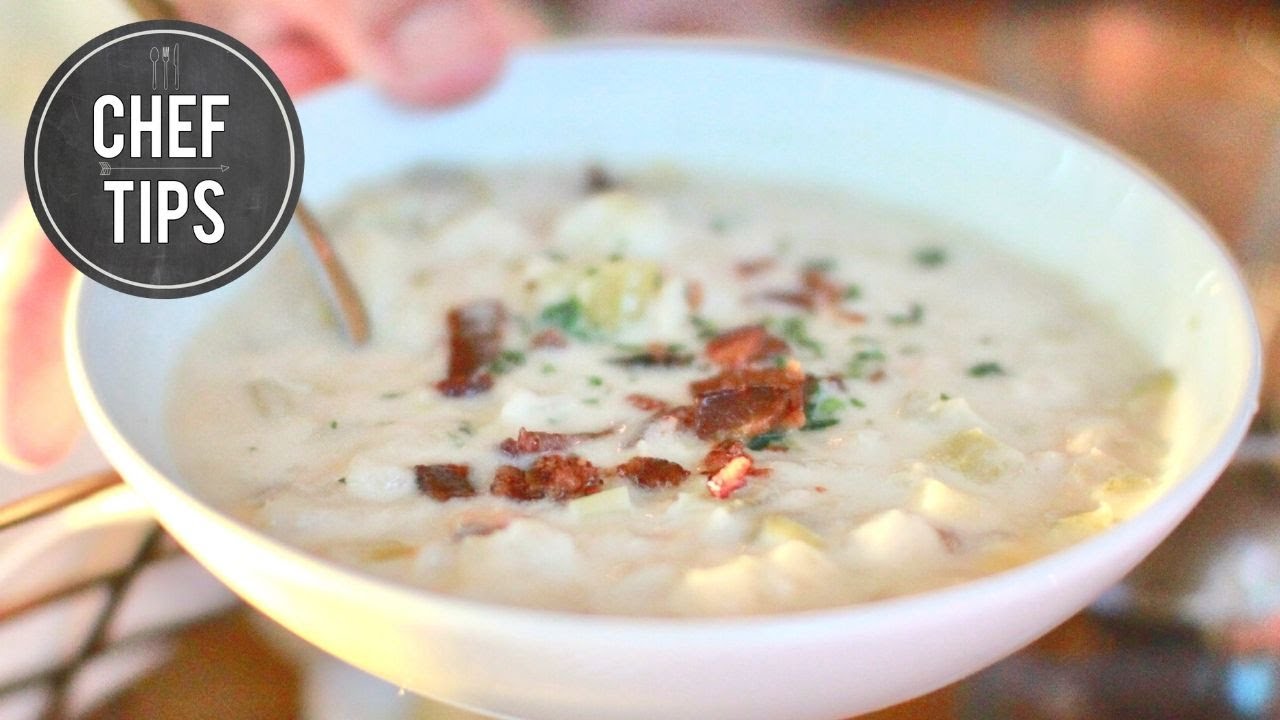
If you saved your bacon bits, now’s the time to sprinkle them over each bowl. Want to go even further? Garnish with freshly chopped parsley, a sprinkle of smoked paprika, or a dash of hot sauce for some zing.
Serve your clam chowder in warm bowls with oyster crackers or slices of crusty bread. It’s hearty, comforting, and tastes like pure coastal bliss.
Pro Tips for Making the Best Clam Chowder
How to Avoid Curdling
There’s nothing worse than spending all that time making chowder only for the cream to curdle at the last minute. Here’s how to prevent that:
- Always warm the cream before adding it to the soup.
- Avoid boiling the chowder after the cream is added. Simmer gently.
- Use heavy cream over milk—its higher fat content makes it more stable.
- Add acidic ingredients like lemon juice or hot sauce at the very end, if at all.
Keeping the temperature under control and stirring gently makes all the difference.
Balancing the Flavors Perfectly
Chowder should have a harmonious blend of salty, sweet, and savory. If it tastes off, try these fixes:
- Too salty? Add a splash of cream or a few unseasoned mashed potatoes.
- Too bland? A dash of Worcestershire sauce or a squeeze of lemon can bring it to life.
- Too thick? Thin it with a bit of warm clam juice or stock.
Taste constantly. Adjust gradually. A well-balanced clam chowder hits all the right notes—rich without being heavy, flavorful without being overwhelming.
Serving Suggestions
Best Sides to Serve with Clam Chowder
A rich bowl of clam chowder is already a full meal in many ways, but pairing it with the right sides can take it from good to unforgettable. Here are a few side options that perfectly complement the creamy, briny flavor of clam chowder:
- Crusty Bread: A warm, crusty French baguette or sourdough loaf is perfect for dipping into the chowder. The bread soaks up all that creamy broth, adding texture and satisfaction to every bite.
- Oyster Crackers: These are a classic pairing. Light, crunchy, and salty, they add texture without overpowering the dish.
- Grilled Cheese Sandwich: For those extra hungry, a sharp cheddar grilled cheese sandwich makes a bold, delicious partner.
- Simple Salad: A light green salad with a tangy vinaigrette can help cut through the richness of the chowder and balance your meal.
- Steamed Vegetables: Steamed asparagus or green beans tossed in olive oil and lemon juice bring a fresh counterpoint to the heavy soup.
If you’re serving this at a dinner party or for guests, offer a small cup as an appetizer before a seafood entrée like grilled salmon or lobster tails.
Presentation Tips
Presentation matters—even with a humble soup like clam chowder. Try these tips:
- Serve in rustic soup bowls or bread bowls for visual appeal.
- Top with a swirl of cream, sprinkle of chopped parsley, and crispy bacon bits.
- Use a ladle for neat serving and garnish each bowl individually.
- Pair with a chilled white wine or crisp craft beer for a restaurant-worthy experience.
The right presentation doesn’t just impress—it also makes the chowder more inviting and comforting.
Storing and Reheating Clam Chowder
Storage Guidelines
If you’ve got leftovers (lucky you), proper storage ensures your chowder stays just as delicious.
- Let the chowder cool to room temperature before refrigerating.
- Transfer to an airtight container and store in the refrigerator for up to 3 days.
- Avoid leaving it out at room temperature for more than 2 hours—dairy and seafood can spoil quickly.
Freezing Tip: Chowder can be frozen, but keep in mind that the cream may separate upon thawing. If you plan to freeze a batch, consider freezing it before adding the cream. Add the cream fresh when reheating.
Best Way to Reheat Without Losing Flavor
To reheat clam chowder:
- Pour it into a saucepan over medium-low heat.
- Stir frequently to avoid scorching and to maintain a creamy consistency.
- Avoid boiling. Once it’s heated through (about 8–10 minutes), it’s ready.
If the chowder has thickened in the fridge, add a splash of milk or broth while reheating to loosen it back to the desired texture.
Microwaving is possible but not ideal, as it can cause uneven heating or curdling. If you do use the microwave, heat it in short bursts (30–60 seconds), stirring each time.
Common Mistakes to Avoid
Overcooking Clams
This is one of the most frequent and fatal mistakes in making clam chowder. Clams are delicate and cook quickly. Overcooking them turns them chewy and rubbery—nobody wants that.
- Always add chopped clams toward the end of cooking—just long enough to warm them through.
- If using fresh clams, steam them separately, remove the meat, and add it back in right before serving.
- Don’t simmer chowder endlessly once the clams are in. Once they’re heated, it’s done.
This step alone can make or break the quality of your dish.
Making it Too Thick or Too Watery
Chowder should have a luxurious, creamy consistency—not too soupy, not overly thick. Here’s how to avoid getting it wrong:
Too Thick?
- Add extra clam juice, seafood stock, or milk to thin it out.
- Be careful not to add too much flour in the roux.
Too Watery?
- Simmer uncovered to reduce liquid naturally.
- Mash some of the potatoes to add body.
- Add a spoonful of instant mashed potatoes in a pinch—seriously, it works wonders.
Aim for that Goldilocks texture—creamy, but with just enough body to coat the spoon.
Healthier Alternatives and Dietary Adjustments
Dairy-Free or Gluten-Free Versions
Yes, you can still enjoy clam chowder if you’re dairy- or gluten-intolerant. Here’s how:
Dairy-Free:
- Swap heavy cream with coconut cream, cashew cream, or unsweetened almond milk. Coconut cream gives a slightly sweet taste but can work beautifully with clams.
- Use olive oil or dairy-free butter instead of regular butter.
Gluten-Free:
- Replace all-purpose flour with a gluten-free flour blend or cornstarch for thickening.
- Be sure your bacon and broth are labeled gluten-free.
With these swaps, you can make chowder that’s safe, delicious, and comforting.
Low-Sodium or Low-Fat Options
Watching your sodium or fat intake? No worries—chowder can still be on the menu.
Low-Sodium Tips:
- Use low-sodium broth or make your own clam stock.
- Avoid adding extra salt until the end, after tasting.
- Skip the bacon or use a reduced-sodium turkey bacon.
Low-Fat Tips:
- Use half-and-half or whole milk instead of cream.
- Cut back on butter and skip heavy garnishes.
- Load up on veggies like carrots and celery for bulk without fat.
These tweaks make the chowder lighter but still satisfying.
FAQs about Clam Chowder Recipe
1. Can I freeze clam chowder?
Yes, but it’s best to freeze it before adding cream. Dairy tends to separate when frozen, which affects texture. Reheat and add cream fresh for the best results.
2. Can I use frozen clams?
Absolutely. Thaw them first and pat them dry. They’re a convenient alternative to fresh and often retain good flavor.
3. What can I substitute for heavy cream?
Half-and-half, whole milk, or a plant-based cream like coconut or cashew cream are all solid options depending on your dietary needs.
4. How long does clam chowder last in the fridge?
Up to 3 days when stored in an airtight container. Always smell and taste before reheating.
5. Is clam chowder better the next day?
Yes! Like many soups, the flavors deepen and meld overnight, making day-two chowder often even more delicious.
Conclusion
Clam chowder is more than just a soup—it’s a soul-soothing classic that delivers comfort in every bite. From selecting the best ingredients to perfecting the creamy texture and serving it just right, this guide covers everything you need to know. Whether you’re making it for a cozy night in or impressing guests at your next dinner party, this step-by-step recipe ensures success.
Remember, the key to great clam chowder is balance—between briny and creamy, hearty and smooth, land and sea. Follow the tips, avoid the pitfalls, and make it your own with creative garnishes or health-conscious tweaks. Once you master this classic, you’ll have a dish that wins over hearts and bellies every single time.