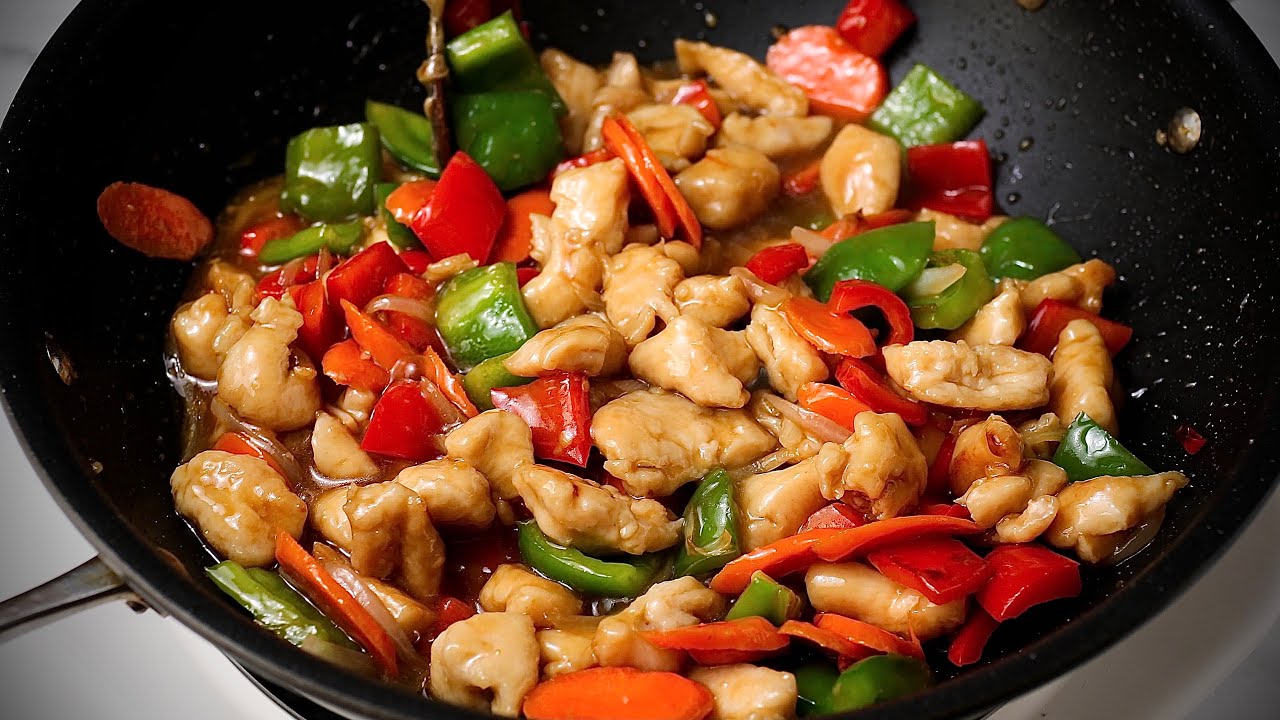
Best Chicken Stir Fry Recipe: If you’re looking for a quick, delicious, and healthy meal that comes together in under 30 minutes, then this chicken stir fry recipe is for you. Whether you’re a beginner in the kitchen or a seasoned home cook, mastering this stir fry will upgrade your dinner game.
Why Chicken Stir Fry is a Weeknight Favorite
Chicken stir fry has earned its place as a go-to dish in many households—and for good reason. It’s fast, flexible, and packed with flavor. Got leftover veggies? Toss them in. Want a protein-rich dinner without spending hours in the kitchen? Chicken stir fry has your back. The beauty of this dish lies in its versatility. You can switch up the veggies, swap chicken for shrimp or tofu, and experiment with sauces depending on what you’re craving.
Another reason people love stir fry is that it’s practically foolproof. You don’t need fancy cooking skills or exotic ingredients. With just a few staples and a hot skillet or wok, you can whip up a satisfying dinner that rivals your favorite takeout.
Beyond ease and taste, stir fry meals offer balance. You get your lean protein, fiber-filled vegetables, and a savory sauce that ties everything together. Serve it over steamed rice or noodles, and you’ve got a complete, hearty meal in no time.
Health Benefits of Stir Fry Meals
Chicken stir fry isn’t just tasty—it’s good for you, too. Because you’re using minimal oil and cooking quickly at high heat, you retain more nutrients in the vegetables. Plus, by using skinless chicken breast or thighs, you’re cutting down on unhealthy fats while still getting plenty of lean protein.
Vegetables like broccoli, bell peppers, snap peas, and carrots bring vitamins A, C, and K to the table, along with antioxidants and fiber. The sauce, especially if made from scratch, can be low in sugar and sodium compared to store-bought alternatives.
Also, stir fry is naturally portion-controlled. It’s easy to measure your protein, veggies, and carbs for a balanced plate. And if you’re on a special diet—low-carb, gluten-free, dairy-free—it’s simple to adjust this recipe to fit your needs.
Ingredients You’ll Need
Fresh Ingredients That Make All the Difference
Here’s your must-have ingredient list for the ultimate chicken stir fry:
- Chicken breast or thighs (1 lb) – Thinly sliced for quick cooking
- Bell peppers (2, any color) – Adds sweetness and crunch
- Broccoli florets (1 cup) – A classic stir fry staple
- Carrots (2, julienned) – Brings natural sweetness and color
- Snap peas (1 cup) – Optional but delicious for texture
- Garlic (3 cloves, minced) – For that irresistible aroma
- Ginger (1 tbsp, minced) – Adds warmth and depth
- Green onions (2, chopped) – For garnish and subtle flavor
Optional Add-ons for Extra Flavor
Want to kick it up a notch? Try adding:
- Sesame oil (1 tsp) – A little goes a long way for nutty aroma
- Red pepper flakes – For heat lovers
- Cashews or peanuts – For crunch
- Baby corn, mushrooms, or zucchini – To bulk up the veggie mix
The beauty of stir fry is its flexibility. Use whatever fresh produce you have in your fridge, and don’t be afraid to get creative.
Kitchen Tools and Prep Tips
Essential Equipment for Perfect Stir Fry
You don’t need a kitchen full of gadgets to make a killer stir fry. Here’s what you’ll need:
- Wok or large non-stick skillet – A wok is ideal because its shape distributes heat evenly and allows for tossing without splatter. But a large skillet works, too.
- Sharp chef’s knife – For slicing meat and vegetables thinly and evenly.
- Cutting board – Keep one for meat and another for veggies if you’re avoiding cross-contamination.
- Mixing bowls – Handy for separating prepped ingredients.
- Tongs or a wooden spatula – Helps with tossing the ingredients while cooking.
Time-Saving Prep Tips
Let’s be real—what slows down dinner most nights is the prep. Here’s how to speed things up:
- Slice everything ahead of time – Stir fry moves fast. Have all your veggies, meat, and sauce ready before turning on the stove.
- Use pre-cut veggies – If you’re short on time, grab pre-sliced stir fry veggie packs from the store.
- Marinate the chicken – Even 10-15 minutes in a quick marinade can boost flavor big time.
- Double the sauce – Make a bigger batch and refrigerate the rest for your next stir fry night.
By keeping things prepped and organized, you’ll go from kitchen to table in less than 30 minutes.
Step-by-Step Chicken Stir Fry Instructions
Step 1: Prep the Chicken and Vegetables
First things first—get your ingredients ready. Thinly slice your chicken against the grain to keep it tender. Uniform cuts mean it’ll cook evenly. Next, wash and slice all your vegetables into bite-sized pieces. Keep softer veggies (like mushrooms or zucchini) separate from firmer ones (like carrots or broccoli), since they’ll need different cooking times.
Pat the chicken dry with paper towels—this helps it brown better in the pan. If you want, you can toss it with a teaspoon of cornstarch and a splash of soy sauce to give it a velvety texture. Set everything aside in separate bowls so you’re ready to go.
Step 2: Make the Stir Fry Sauce
A great stir fry sauce ties everything together—it’s the soul of the dish. And guess what? Making it at home is easier (and tastier) than buying a bottle.
Here’s a simple and flavorful sauce recipe you can whip up in a minute:
Ingredients for Sauce:
- 3 tablespoons soy sauce (or low sodium soy sauce)
- 1 tablespoon oyster sauce (adds rich umami depth)
- 1 tablespoon hoisin sauce (a touch of sweetness)
- 1 teaspoon sesame oil
- 1 tablespoon cornstarch (to thicken)
- 1/2 cup chicken broth (or water)
- 1 teaspoon brown sugar or honey
- Optional: 1 tablespoon rice vinegar or lime juice for acidity
Instructions:
In a small bowl or jar, combine all ingredients and stir until the cornstarch dissolves. Set it aside. The sauce will thicken as it cooks, giving that perfect glossy coat to your stir fry.
Want it spicy? Add a dash of sriracha or crushed red pepper flakes.
This sauce is incredibly flexible. You can double the recipe and store the extra in the fridge for up to a week. It’s great on noodles, rice bowls, or even as a marinade.
Step 3: Cook the Chicken to Perfection
Time to turn up the heat. Heat your wok or skillet over medium-high heat until it’s hot—like “flick water on it and it sizzles” hot. Add 1 to 2 tablespoons of oil (canola, vegetable, or peanut oil works best because of their high smoke points).
Add your sliced chicken in a single layer. Don’t overcrowd the pan—cook in batches if needed. Let it sit for 1-2 minutes without stirring to get a nice sear, then stir-fry until the chicken is just cooked through and golden brown (about 4-5 minutes total). Remove the chicken from the pan and set it aside on a clean plate.
Pro Tip: Undercook the chicken slightly if you’re worried about overcooking it in the next steps—it’ll finish cooking when you add it back to the pan with the sauce.
Step 4: Add the Vegetables
With your chicken set aside, it’s veggie time. Add a little more oil if the pan looks dry. Start with the firmer vegetables first—like carrots and broccoli—since they take longer to cook. Stir-fry them for 2-3 minutes, then add the softer veggies like bell peppers and snap peas. Continue stir-frying for another 2-3 minutes until they’re crisp-tender.
You want your vegetables to be cooked but still have a bite—nobody likes soggy stir fry. Add the garlic and ginger in the last minute of cooking so they don’t burn. Stir continuously to coat everything in their fragrant oils.
This step is what gives your stir fry that fresh, vibrant crunch and a burst of color.
Step 5: Combine Sauce and Finish
Now comes the magic. Return the cooked chicken to the pan and give your sauce a quick stir (cornstarch tends to settle). Pour it over the chicken and vegetables. Stir everything together over medium-high heat for about 2-3 minutes until the sauce thickens and evenly coats every piece.
You’ll know it’s done when the sauce is glossy and clings to the ingredients beautifully. If it gets too thick, just splash in a little more broth or water.
Garnish with chopped green onions and sesame seeds for that final touch.
Boom—your chicken stir fry is ready to serve!
Serving Suggestions and Pairings
One of the best things about chicken stir fry is how well it plays with others. It’s incredibly versatile when it comes to serving:
1. Steamed Rice – The classic pairing. Jasmine or basmati rice soaks up that delicious sauce.
2. Fried Rice – Want a more indulgent twist? Serve it over homemade fried rice for extra flavor.
3. Noodles – Lo mein, soba, or rice noodles all work beautifully.
4. Cauliflower Rice or Zoodles – Going low carb? These options keep it healthy and light.
5. Lettuce Wraps – Spoon it into butter lettuce leaves for a crunchy, refreshing bite.
Want to impress? Serve with a side of egg rolls or steamed dumplings. Add a light soup like miso or egg drop, and you’ve got yourself a restaurant-worthy spread right at home.
Tips for Perfect Chicken Stir Fry Every Time
Nailing the perfect stir fry is easier when you know the secrets. These pro tips can help make your dish taste like it came from your favorite Asian restaurant.
1. Prep Everything Before You Start Cooking
This dish moves fast—like, lightning fast. Once your pan is hot, there’s no time to stop and chop. Have everything sliced, diced, and ready to toss in. Line up your chicken, vegetables, sauce, and aromatics (like garlic and ginger) so you can focus on cooking, not scrambling.
2. Use High Heat
Stir frying is all about quick cooking at high heat. This sears the ingredients and locks in flavor. Don’t be afraid to crank up the heat—just make sure your oil can handle it. Peanut, vegetable, or avocado oil works well here.
3. Don’t Overcrowd the Pan
Too much in the pan = steaming instead of searing. Cook your chicken in batches if needed. Same goes for the veggies. Let them have some space so they can char a bit and develop that signature stir fry flavor.
4. Slice Ingredients Evenly
Uniform slices mean even cooking. For chicken, thin slices against the grain keep it tender. For veggies, match the size and thickness so nothing overcooks or stays raw.
5. Adjust the Sauce to Your Taste
Your taste buds, your rules. Want it sweeter? Add honey or hoisin. Prefer more heat? Toss in chili flakes or sriracha. A bit more tang? Try a dash of rice vinegar or lime juice. Don’t be afraid to tweak the sauce.
6. Keep It Crisp
The best stir fries have a crunch. Don’t overcook your vegetables. Aim for that perfect tender-crisp texture where they’re just cooked but still vibrant and snappy.
With these tips in your back pocket, every stir fry you make can be a knockout.
How to Store and Reheat Leftovers
Chicken stir fry stores beautifully, making it a fantastic meal-prep option for busy weeks.
Storage Tips:
- Let the stir fry cool completely before storing.
- Place it in an airtight container and refrigerate for up to 4 days.
- Keep rice or noodles separate if possible to avoid sogginess.
Freezing Tips:
- While you can freeze chicken stir fry, the vegetables may lose their texture.
- If freezing, use freezer-safe containers and eat within 2 months.
- To preserve freshness, avoid freezing stir fry with delicate veggies like zucchini or leafy greens.
Reheating Tips:
- Stovetop: Heat a skillet over medium heat, add a splash of water or broth, and stir fry until warmed through.
- Microwave: Reheat in 30-second bursts, stirring in between. Cover with a damp paper towel to retain moisture.
Want to revive that just-cooked texture? A quick stir on the stove is the best method—it brings back the sauce’s gloss and keeps veggies from going limp.
Common Mistakes to Avoid
Even a simple stir fry can go sideways if you’re not careful. Here are the top mistakes people make—and how to avoid them:
1. Starting With a Cold Pan
You want that sizzle! Always preheat your pan before adding oil and ingredients. A hot pan sears better and keeps things from sticking.
2. Using Too Much Sauce
It’s tempting to drown your stir fry in sauce, but don’t. Too much liquid turns everything soggy. Use just enough to coat the ingredients with flavor.
3. Overcrowding the Pan
As mentioned earlier, it’s the fast track to steaming, not stir-frying. Work in batches if needed—your taste buds will thank you.
4. Skipping the Aromatics
Garlic and ginger are game-changers. They build the foundation of flavor. Don’t skip them, and always add them near the end of cooking to avoid burning.
5. Overcooking the Veggies
This is a common rookie mistake. Stir fry is meant to be quick. Once the veggies are crisp-tender, remove them from the heat.
Avoid these common errors, and your stir fry will go from good to unforgettable.
FAQs about Chicken Stir Fry Recipe
1. Can I use frozen vegetables for this stir fry?
Yes, just make sure to thaw and pat them dry before cooking. Too much moisture can make your stir fry soggy.
2. What’s the best cut of chicken for stir fry?
Boneless, skinless chicken breasts or thighs work best. Thighs are juicier, but breasts cook quickly and stay lean.
3. Can I make this vegetarian?
Absolutely! Swap the chicken for tofu, tempeh, or just load up on extra vegetables. Use vegetable broth in the sauce.
4. What’s the secret to a glossy stir fry sauce?
Cornstarch. It thickens the sauce as it cooks, giving you that silky, restaurant-style finish.
5. How do I prevent the chicken from drying out?
Don’t overcook it! Thinly sliced chicken cooks fast. Searing it on high heat and adding it back in at the end helps keep it juicy.
Conclusion
There you have it—a complete, step-by-step guide to making the best chicken stir fry at home. With just a little prep and a hot pan, you can whip up a meal that’s bursting with flavor, packed with nutrients, and better than takeout. Whether you’re cooking for one or feeding a hungry family, this recipe is a weeknight hero that delivers every time.
So grab your wok, slice up some chicken and veggies, and stir up something amazing tonight. Trust me—once you try this, it’ll become a regular on your meal plan.