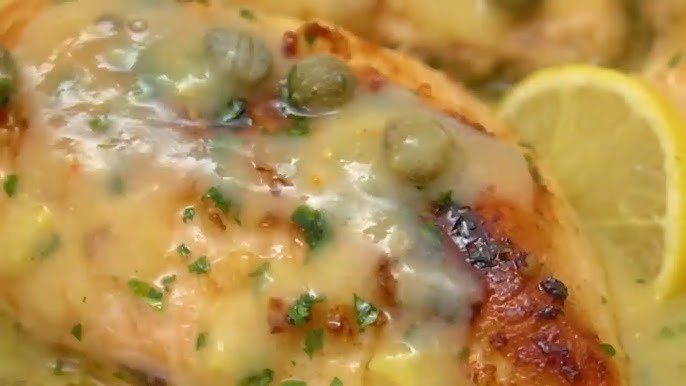
Best Chicken Piccata Recipe: Chicken Piccata is one of those dishes that’s fancy enough to impress your guests but simple enough for a cozy weeknight dinner. It’s a classic Italian-American favorite that features lightly breaded chicken breasts, pan-fried until golden and crispy, then simmered in a zesty lemon-caper butter sauce. The sauce is what makes this dish sing — tangy, buttery, slightly salty, and bursting with bright citrus flavor. Think of it as elegance on a plate, without the stress.
It’s one of those meals that gives you restaurant-quality vibes without requiring a culinary degree. Whether you’re new to cooking or a seasoned home chef, chicken piccata offers that perfect balance of simplicity and sophistication. Plus, the ingredients are probably already in your pantry. With the right technique and timing, you’ll be serving up a meal that’s Instagram-worthy and soul-satisfying.
Origin and Popularity
Although the word “piccata” is Italian, Chicken Piccata as we know it is largely an Italian-American invention. Traditionally in Italy, veal is used instead of chicken — hence the original “Veal Piccata.” When Italian immigrants came to America, chicken was more accessible and affordable than veal, and so the chicken version became widely popular.
Over time, this dish has become a staple in many American kitchens and restaurant menus. What makes Chicken Piccata stand out from other chicken dishes is its unique balance of flavors. The acidity from the lemon, the briny punch of the capers, and the richness of butter come together in a sauce that’s just irresistible.
Ingredients for Chicken Piccata
Core Ingredients
Let’s talk ingredients — because a great Chicken Piccata starts with high-quality, simple components. Here’s what you need:
- Boneless, skinless chicken breasts – Pounded thin for even cooking.
- All-purpose flour – For dredging the chicken and helping it get that golden crust.
- Salt and black pepper – To season the chicken well.
- Olive oil – For frying; gives a nice Mediterranean base flavor.
- Unsalted butter – For richness and depth in the sauce.
- Garlic – Adds a subtle background warmth.
- Fresh lemon juice – The star of the sauce; brings brightness.
- Capers – Provide that salty, tangy bite that defines “piccata.”
- Chicken broth or white wine – To build the body of the sauce and enhance the flavor.
These ingredients are what make up the soul of a traditional Chicken Piccata. Don’t skip or skimp — especially not on the capers or lemon.
Optional Add-ons for Enhanced Flavor
Want to put your own twist on the classic? Here are some optional ingredients you can experiment with:
- Shallots – Adds a slightly sweet, delicate onion flavor to the sauce.
- Parsley – For garnish and a fresh, herbal finish.
- Crushed red pepper flakes – For a tiny hint of heat.
- Parmesan cheese – Adds a salty, nutty element if sprinkled on top just before serving.
While the core recipe is perfection on its own, these additions let you personalize your plate to fit your own taste or the preferences of your guests.
Tools You’ll Need
Kitchen Essentials
Having the right tools makes cooking not just easier but more enjoyable. Here’s what you’ll need for this Chicken Piccata recipe:
- Meat mallet or rolling pin – To pound the chicken breasts evenly.
- Sharp knife – For slicing chicken and prepping other ingredients.
- Cutting board – Preferably one for meat to avoid cross-contamination.
- Mixing bowls – For dredging the chicken.
- Large skillet or sauté pan – Non-stick or stainless steel both work well.
- Tongs – For flipping the chicken without splattering oil everywhere.
- Wooden spoon or silicone spatula – Ideal for stirring the sauce.
Having these essentials ensures a smooth process from start to finish. If you’re serious about cooking, invest in a good skillet — it’s a game-changer for dishes like this.
Pro Tips for Better Cooking
- Preheat your skillet before adding the oil to avoid soggy chicken.
- Use fresh lemon juice, not bottled — the flavor difference is night and day.
- Always pat the chicken dry with paper towels before dredging — it helps the flour stick better and gives a crispier finish.
A little bit of preparation and the right tools will save you time and elevate your dish from good to great.
Step-by-Step Chicken Piccata Recipe
Step 1: Preparing the Chicken
Start by selecting two large chicken breasts. Slice them horizontally to make four thinner cutlets. Then, using a meat mallet or rolling pin, pound them to about ¼ inch thickness. Uniform thickness ensures even cooking — no more biting into undercooked or overcooked chicken!
After pounding, pat the chicken dry with paper towels. This is a crucial but often skipped step. Why? Because dry chicken allows the flour coating to stick better, and that gives you the golden crust we all crave.
Next, season both sides with salt and black pepper. Don’t be shy with seasoning — it’s the base layer of flavor and it really matters here.
Set the chicken aside while you prepare the dredging station. In a shallow dish or bowl, add about ½ cup of all-purpose flour. You’ll dredge each piece of chicken lightly, just enough to coat both sides. Shake off the excess flour — you want a light coating, not breaded chicken.
This step lays the foundation. From here on, it’s all about timing and balance.
Step 2: Dredging the Chicken in Flour
Now that your chicken cutlets are prepped and seasoned, it’s time to give them that perfect outer crust. Dredging isn’t just for aesthetics — it’s a vital step in achieving that crisp golden finish and creating a base for the sauce to cling to.
Take your seasoned chicken breasts and gently press them into a shallow dish filled with flour. Don’t cake it on. A light dusting will do. Shake off any excess flour to avoid gummy patches. You’re aiming for a thin, even coat — like the chicken is wearing a light dusting of powder, not a winter coat.
This coating will not only help the chicken brown beautifully but will also slightly thicken the sauce when you deglaze the pan later. Want that signature silky lemon-butter sauce? This is the secret. Once all the cutlets are dredged, place them on a wire rack or a clean plate while you heat your skillet.
Pro Tip: For extra crispy texture, add a pinch of cornstarch to your flour mix. It helps lock in moisture and enhances the crunch factor.
Step 3: Pan-Frying to Perfection
Now comes the part where your kitchen starts smelling like a five-star restaurant. Heat 2 tablespoons of olive oil and 1 tablespoon of unsalted butter in a large skillet over medium-high heat. Wait until the oil shimmers and the butter starts to foam — this means it’s hot enough to sear.
Carefully lay each cutlet in the pan, giving them space. Crowding the pan will lower the temperature and steam the chicken instead of frying it. Depending on your pan size, you may need to work in batches.
Let the chicken cook undisturbed for about 3–4 minutes on the first side. You’re looking for a beautiful golden crust. Flip and cook for another 3–4 minutes on the other side until fully cooked through (internal temp should be 165°F/74°C).
Once golden and crisp, transfer the chicken to a clean plate and cover loosely with foil to keep warm. Don’t wipe out the skillet — those browned bits (aka fond) are flavor gold and will infuse your sauce with richness and depth.
Step 4: Making the Piccata Sauce
Now, it’s sauce time — the real heart of this dish.
In the same skillet (with all that flavorful residue from the chicken), add a bit more butter and a splash of olive oil. Toss in 2–3 minced garlic cloves and sauté for about 30 seconds — just until fragrant. You don’t want burnt garlic, so keep an eye on it.
Next, pour in about ½ cup of chicken broth or dry white wine to deglaze the pan. Scrape the bottom with a wooden spoon to lift all those tasty bits. Let it simmer for a few minutes, reducing slightly.
Now comes the zing — squeeze in the juice of 1 to 2 fresh lemons (about 1/4 cup) and stir in 2 tablespoons of capers. The lemon juice brings brightness while the capers add salty, briny pops that make this dish sing.
Let the sauce simmer for another 3–4 minutes. Finish with 2 tablespoons of unsalted butter, swirling it in to create a velvety texture. Taste and adjust the seasoning — you might want more lemon or a pinch of salt depending on your palate.
Optional: Add a tablespoon of heavy cream for a richer, silkier sauce — it’s a non-traditional twist, but absolutely delicious.
Step 5: Finishing Touches and Serving
Now that your sauce is glossy and full of flavor, return the cooked chicken to the pan. Spoon the sauce over the cutlets and let them simmer together for a minute or two. This final step allows the chicken to absorb some of that bright, buttery goodness.
To serve, plate the chicken breasts and generously drizzle more sauce over the top. Garnish with freshly chopped parsley and thin lemon slices for that elegant, restaurant-style touch.
If you’re going all out, you can even sprinkle some freshly grated parmesan on top — it adds depth and a subtle nutty flavor that complements the lemon and capers beautifully.
This dish is best served hot and fresh, but we’ll cover leftovers and storage in the FAQ section. Right now, focus on enjoying the aroma, the sizzle, and that first heavenly bite. It’s a perfect blend of crisp texture, citrusy brightness, and rich buttery finish — everything a good chicken piccata should be.
Serving Suggestions
Best Sides to Pair With Chicken Piccata
So you’ve nailed the chicken piccata. What next? The right side dishes can take your meal from great to unforgettable. Since the piccata sauce is tangy and bold, the goal is to pair it with something that balances and complements.
Here are some perfect options:
- Angel hair pasta or spaghetti – Classic pairing. The thin noodles soak up the lemony sauce like a dream.
- Mashed potatoes – A creamy, starchy base that lets the bright sauce shine.
- Steamed asparagus or green beans – Crisp veggies add color and crunch.
- Garlic sautéed spinach – Slight bitterness cuts through the richness beautifully.
- Risotto – A creamy rice dish works wonderfully with the lemon-caper sauce.
If you’re going low-carb, cauliflower mash or zucchini noodles are fantastic alternatives.
Presentation Tips
We eat with our eyes first. Here’s how to make your chicken piccata look as good as it tastes:
- Plate each cutlet over a small bed of pasta or greens.
- Spoon the sauce just before serving to keep the crust crisp.
- Add a lemon slice or twist for a pop of color.
- Sprinkle freshly chopped parsley or basil for a touch of green.
It doesn’t take much to make this dish look like it came from a bistro kitchen. Simple touches go a long way in turning dinner into a memorable experience.
Tips and Tricks for the Best Chicken Piccata
Mistakes to Avoid
Even the most seasoned cooks can make a few slip-ups with Chicken Piccata. Here are some of the most common mistakes — and how to avoid them:
- Skipping the flour coating: It might seem optional, but dredging in flour gives the chicken its golden crust and helps thicken the sauce.
- Overcrowding the pan: This causes the chicken to steam instead of sear, leading to soggy, bland results. Cook in batches if needed.
- Using bottled lemon juice: Fresh lemon juice is essential. Bottled juice often tastes bitter and artificial — not what you want in this delicately balanced sauce.
- Burning the garlic: It only needs 30 seconds. Once it turns golden, it’s time to move on. Burnt garlic can overpower everything.
- Overcooking the chicken: Thin cutlets cook fast. Watch them closely to prevent drying out.
Avoid these pitfalls, and you’re well on your way to mastering the art of Chicken Piccata.
Elevating the Flavor
Want to take your dish from great to unforgettable? Try these chef-level upgrades:
- Deglaze with white wine instead of chicken broth. A dry white (like Sauvignon Blanc) adds complexity and enhances the sauce’s brightness.
- Finish with a pat of cold butter just before serving for a silkier texture and restaurant-level shine.
- Add a splash of cream for a creamy lemon piccata variation that still retains the tang.
- Sprinkle grated parmesan just before serving. It melts into the sauce and adds a nutty, salty kick.
- Use Meyer lemons if you can find them — they’re sweeter and more floral, which creates a slightly different take on the traditional flavor.
These tweaks aren’t necessary, but they can turn your weeknight dinner into something worthy of a dinner party.
FAQs about Chicken Piccata Recipe
1. What can I substitute for capers?
If you’re not a fan of capers or just don’t have any on hand, try chopped green olives, chopped pickles, or even a few drops of Worcestershire sauce for a similar salty tang. The flavor won’t be exactly the same, but it will still be delicious.
2. Can I use chicken thighs instead of breasts?
Absolutely. Boneless, skinless chicken thighs work well and stay juicy. Just keep in mind they may need a slightly longer cooking time due to their thickness.
3. How do I make this dish gluten-free?
Use a gluten-free flour blend or cornstarch to dredge the chicken. Make sure your chicken broth is also gluten-free, and you’re good to go.
4. How do I store and reheat leftovers?
Store leftovers in an airtight container in the fridge for up to 3 days. Reheat gently on the stovetop with a splash of chicken broth to revive the sauce without drying out the chicken.
5. Can I freeze chicken piccata?
Yes, but it’s best without the sauce. Freeze the cooked chicken cutlets separately, and make the sauce fresh when ready to serve. The texture of the sauce may change if frozen and thawed.
Conclusion
Chicken Piccata is more than just another chicken dish — it’s an experience. From the golden sear on perfectly dredged cutlets to that irresistible lemon-caper-butter sauce, every bite is packed with bold, bright flavor. It’s the kind of dish that feels fancy but is surprisingly easy to pull off, making it perfect for both casual weeknight meals and elegant dinner parties.
Whether you’re following the traditional method or experimenting with your own spin, the beauty of Chicken Piccata lies in its balance — crispy yet tender chicken, bold yet not overpowering sauce, and just the right amount of richness. It’s satisfying, simple, and always a crowd-pleaser.
So the next time you’re craving something deliciously different — skip the takeout and treat yourself (and your family) to homemade Chicken Piccata. You’ve got everything you need: a solid recipe, practical tips, and a sauce that could make cardboard taste amazing.