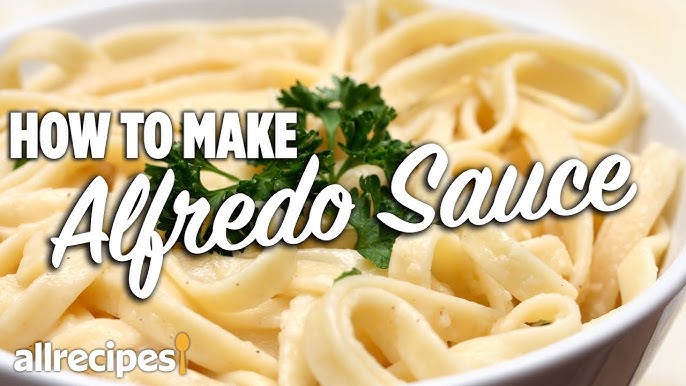
Best Alfredo Recipe: Craving something rich, creamy, and totally indulgent? You’re in for a treat. This is the best Alfredo recipe, laid out in a simple, step-by-step guide you can follow at home—even if you’ve never cooked before. Whether you want to impress a date, feed your family, or just spoil yourself, this dish never disappoints.
Let’s dive into the world of creamy pasta magic.
What is Alfredo Sauce?
Alfredo sauce is the epitome of creamy comfort food. It’s that velvety, rich, cheesy sauce that hugs every strand of pasta like a warm blanket. Made with a handful of ingredients—typically butter, heavy cream, and Parmesan cheese—it delivers a luxurious texture and flavor that feels like a restaurant-level experience at home.
Unlike tomato-based sauces, Alfredo is all about the richness of dairy. Its beauty lies in simplicity. There’s no long list of spices, no hours of simmering. Just a quick, magical transformation of ingredients into a luscious sauce in under 20 minutes.
History and Origin of Alfredo Sauce
You might think Alfredo is an Italian-American creation, and you’re not entirely wrong. But the original version hails from Rome and was crafted in 1914 by a man named Alfredo di Lelio. His version, however, was much simpler—just pasta tossed with butter and Parmesan.
It was the American adaptation that added heavy cream and turned it into the rich version we love today. Over time, Alfredo became a staple in American-Italian cuisine, evolving into the creamy dream we now recognize in dishes like Chicken Alfredo or Shrimp Fettuccine Alfredo.
Ingredients for the Best Alfredo Sauce
Essential Ingredients You Need
Creating the best Alfredo sauce isn’t about fancy ingredients—it’s about the right ones. Here’s your grocery checklist:
- Unsalted Butter (1/2 cup or 1 stick): The base of the sauce, gives that silky texture.
- Heavy Cream (1 cup): Adds richness and smoothness.
- Parmesan Cheese (1 to 1.5 cups, freshly grated): The star of the show—provides the nutty, salty flavor.
- Garlic (2–3 cloves, minced): For a savory depth.
- Salt and Pepper: Season to taste.
- Optional: Nutmeg (a pinch), parsley for garnish, or a dash of white pepper.
Pro tip: Always use freshly grated Parmesan. Pre-shredded cheese often contains anti-caking agents that prevent it from melting smoothly.
Choosing the Best Cheese for Flavor
Parmesan is non-negotiable, but which kind? The best Alfredo comes from Parmigiano-Reggiano, imported from Italy. It has a deep, nutty, complex flavor that transforms the sauce from basic to brilliant.
Avoid the powdered stuff in a can—that won’t cut it. If you can’t find Parmigiano-Reggiano, go for freshly grated Parmesan or even Grana Padano.
You can also add a bit of Romano cheese for a sharper edge or a sprinkle of mozzarella for extra meltiness.
Step-by-Step Guide to Making Alfredo Sauce
Step 1: Gather Your Ingredients
Start by prepping everything before turning on the heat. Trust me, things move fast once you start cooking.
Here’s what you’ll need:
- 1 stick unsalted butter
- 1 cup heavy cream
- 1 to 1.5 cups freshly grated Parmesan cheese
- 2 cloves garlic, minced
- Salt and black pepper to taste
- (Optional) Fresh parsley and a pinch of nutmeg
Prep your cheese ahead of time. Grating it fresh ensures a smoother melt and better taste.
Step 2: Melt Butter and Add Garlic
Place a medium saucepan over medium heat. Add the butter and let it melt gently—don’t rush it or let it brown.
Once the butter is melted, toss in the minced garlic. Sauté for about 30 seconds to 1 minute, just until fragrant. Don’t let the garlic burn—it’ll turn bitter.
This step is where the aroma kicks in. That buttery-garlic smell is your first taste of Alfredo goodness.
Step 3: Pour in Heavy Cream
Slowly pour in the heavy cream, stirring as you go. Bring the heat to medium-low and let the mixture simmer gently, not boil. You want it to heat evenly without scorching.
Let the cream simmer for about 4–5 minutes, stirring occasionally. This helps thicken the base and blend the garlic and butter into the cream. Patience is key here—don’t crank the heat up to rush it.
If you like a hint of spice, you can add a pinch of nutmeg or white pepper at this point.
Step 4: Stir in the Parmesan Cheese
Now comes the magic.
Once your cream and butter mixture is warm and slightly thickened, it’s time to stir in the star ingredient—freshly grated Parmesan cheese.
Add the cheese slowly, a handful at a time, while stirring constantly. This is crucial to ensure a smooth and creamy sauce without clumps. Stir gently in a circular motion and watch as the cheese melts into the cream, creating that dreamy, velvety texture Alfredo is famous for.
This step is where most homemade sauces either shine or fall apart. If the cheese is added too quickly or the heat is too high, it can become grainy or separate. Keep the heat on low to medium-low, and continue stirring until all the cheese has melted and the sauce is glossy and thick.
Taste your sauce at this point. Want more richness? Add a bit more Parmesan. Need a touch more salt? Go ahead, but remember that Parmesan is salty on its own, so add gradually.
If the sauce is too thick, you can thin it out slightly with a splash of pasta water—more on that shortly.
Step 5: Simmer and Thicken
Once all the cheese is incorporated, let your Alfredo sauce simmer gently for about 2–3 more minutes. This helps it thicken to the perfect consistency and allows the flavors to meld beautifully.
You’re looking for a texture that coats the back of a spoon—not too runny, not too gloopy. If you drag your finger across the back of the spoon and the line stays visible, you’ve nailed it.
If it’s still too thin:
- Keep it on low heat for another minute or two.
- Add a little more grated cheese if needed.
If it’s too thick:
- Add a splash of reserved pasta cooking water to loosen it up.
- Stir in small amounts until you reach the desired consistency.
Turn off the heat and cover the pan to keep the sauce warm while you prep your pasta.
How to Cook Perfect Pasta for Alfredo
Choosing the Right Pasta
The classic pasta choice for Alfredo is fettuccine—its broad, flat noodles are perfect for holding onto the creamy sauce. But that’s not your only option. Here are a few more pasta shapes that work wonderfully:
- Linguine: Slightly narrower than fettuccine but still great at clinging to sauce.
- Pappardelle: A wide ribbon-like pasta, ideal for creamy sauces.
- Tagliatelle: Similar to fettuccine with a delicate texture.
- Penne or Rigatoni: Tube-shaped pastas that trap sauce inside.
Avoid thin pastas like angel hair or spaghetti for Alfredo. They don’t carry the weight of the sauce as well and often turn mushy.
And yes—you can absolutely go with gluten-free, whole wheat, or even veggie-based noodles like zucchini or spinach pasta if you’re looking for a lighter or gluten-free option.
Cooking Pasta Al Dente
Cooking your pasta al dente (firm to the bite) is essential for Alfredo. Overcooked pasta will turn soft and mushy under the weight of the sauce.
Here’s how to do it right:
- Bring a large pot of heavily salted water to a boil. It should taste like the sea.
- Add the pasta and cook according to the package instructions, minus 1–2 minutes.
- Taste test a noodle before draining. It should have a slight chew to it—this helps it hold up when mixed with hot Alfredo sauce.
- Reserve 1/2 cup of pasta water before draining. This starchy water can help thin the sauce and make it cling better to the noodles.
- Drain the pasta and do not rinse—rinsing removes starch that helps the sauce stick.
Timing is everything here. Ideally, your sauce and pasta should be ready at the same time so you can combine them while both are hot and fresh.
Putting It All Together – Final Assembly
Combining Pasta and Sauce
With your Alfredo sauce simmering and your pasta perfectly cooked, it’s time to bring them together.
Here’s how to do it like a pro:
- Return the drained pasta to the pot or transfer it to the pan with the sauce.
- Pour the Alfredo sauce over the pasta and gently toss with tongs or a wooden spoon to coat every strand evenly.
- Add a splash of reserved pasta water if needed to thin the sauce and make it silkier.
- Let the pasta sit in the sauce on low heat for 1–2 minutes, allowing it to soak in the creamy richness.
The result? Every noodle coated in a luscious, cheesy sauce that tastes like a hug in a bowl.
Finishing Touches and Garnishing
Don’t stop at pasta and sauce. It’s the finishing touches that elevate Alfredo from good to unforgettable:
- Freshly chopped parsley for color and freshness.
- Cracked black pepper for a little bite.
- A sprinkle of extra Parmesan on top.
- Red pepper flakes for a spicy kick (optional).
- A drizzle of truffle oil if you’re feeling fancy.
Serve it immediately, while the sauce is at its creamiest and the pasta is still warm. Pair it with garlic bread, a light green salad, and a chilled glass of white wine for the perfect meal.
Tips and Tricks for the Perfect Alfredo
Avoiding Common Mistakes
Even though Alfredo sauce is made with simple ingredients, it’s easy to slip up. Let’s tackle the most common mistakes and how to avoid them:
- Using Pre-Grated Cheese: Pre-shredded or canned Parmesan contains additives that prevent it from melting smoothly. Always opt for freshly grated cheese—it melts better and gives a richer flavor.
- Cooking on High Heat: Alfredo is delicate. High heat can cause the sauce to separate or the cheese to clump. Keep the heat on medium-low and be patient—it’s worth it.
- Not Stirring Constantly: The sauce needs constant attention to stay smooth. Stir continuously while adding the cheese and while the sauce simmers to prevent lumps.
- Adding Cheese Too Fast: Dumping in all the cheese at once will make it clump or sit at the bottom. Add it gradually, stirring after each addition.
- Forgetting to Taste: Always taste the sauce before serving. Parmesan is salty, so you may not need much extra salt. Adjust seasoning at the end to avoid overdoing it.
- Overcooking the Pasta: Soft, overdone pasta won’t hold up well in a heavy sauce. Keep it al dente to preserve the texture and absorb flavor better.
Substitutions and Variations
Want to tweak your Alfredo to suit your diet, preferences, or pantry availability? No problem. Here are some easy substitutions and creative variations:
- Milk Instead of Cream: Use whole milk for a lighter version, but simmer it longer to thicken.
- Cream Cheese: Add a couple tablespoons of cream cheese for extra tang and thickness.
- Greek Yogurt: For a healthier twist, substitute half the cream with Greek yogurt. Add it off heat to avoid curdling.
- Vegan Version: Use plant-based butter, coconut cream or cashew cream, and nutritional yeast or vegan Parmesan.
- Add Protein: Toss in cooked chicken breast, shrimp, or grilled tofu for a more filling meal.
- Spice It Up: A pinch of red pepper flakes or a dash of Cajun seasoning can take the flavor up a notch.
- Vegetable Boost: Add sautéed mushrooms, spinach, broccoli, or peas to bulk it up with veggies.
These variations allow you to customize the dish without sacrificing flavor or texture.
FAQs about Best Alfredo Recipe
Can I make Alfredo sauce without cream?
Yes, you can! Substitute with whole milk and add a tablespoon of flour to help thicken the sauce. It won’t be quite as rich, but it’ll still be creamy and delicious.
How do I store and reheat leftovers?
Store leftover Alfredo in an airtight container in the fridge for up to 3 days. To reheat, warm gently in a saucepan over low heat, adding a splash of milk or cream to loosen it. Avoid microwaving, as it can separate the sauce.
Can I use milk instead of cream in Alfredo?
You can, but it will be lighter and less rich. Use whole milk for the best texture and simmer it longer to thicken. Adding a small amount of butter or cream cheese helps mimic the richness of heavy cream.
What’s the best pasta for Alfredo?
Fettuccine is the classic choice, but linguine, pappardelle, or penne also work well. Choose a pasta shape that holds onto the sauce.
How can I make Alfredo healthier?
Use low-fat milk instead of cream, reduce the butter, and opt for whole-wheat pasta. You can also sneak in some veggies or lean proteins to boost nutrition without losing flavor.
Conclusion
There you have it—the ultimate, step-by-step guide to making the best Alfredo recipe at home. From understanding its humble origins to mastering the perfect sauce-to-pasta ratio, you now have all the tools to whip up a dish that’s creamy, cheesy, and downright delicious.
Remember: the key to the best Alfredo is quality ingredients, low heat, and a little patience. Once you get the hang of it, you’ll never go back to store-bought sauce again.
So roll up your sleeves, grab your cheese grater, and get cooking. You’re about to make the kind of pasta that people talk about long after the plates are cleared.