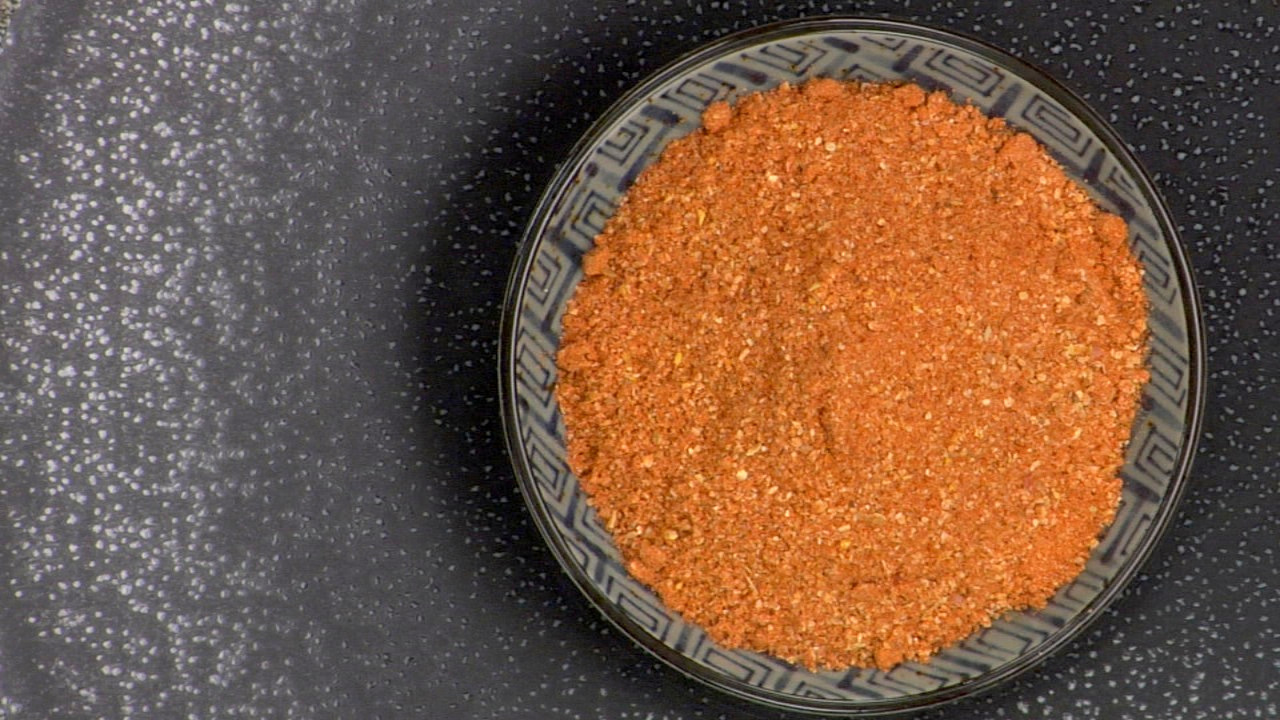
Berbere Spice Blend Recipe: Ever tried Ethiopian food and wondered what gives it that warm, fiery, deeply spiced kick? It’s all thanks to Berbere—a bold, aromatic spice blend that’s at the heart of Ethiopian and Eritrean cuisine. With a complexity that dances between heat and sweetness, it’s more than just a seasoning—it’s a flavor experience.
But here’s the thing: store-bought Berbere often lacks the punch of freshly ground spices. And let’s be honest—nothing beats the aroma of toasting your own spices at home. Whether you’re trying to recreate your favorite restaurant dish or spice up your everyday cooking, making your own Berbere gives you full control over flavor, freshness, and heat level.
Ready to make magic in your kitchen? Let’s dive into what Berbere is, why it’s worth making from scratch, and how to do it right.
What is Berbere Spice?
Berbere (pronounced BURR-burr-ee) is a traditional spice blend from Ethiopia and Eritrea, known for its deep red color and rich, complex taste. It’s spicy, aromatic, and slightly sweet with a blend of chili powder, paprika, garlic, ginger, cinnamon, fenugreek, and more.
Used as both a dry rub and a base for stews, Berbere is a cornerstone in dishes like Doro Wat (spicy chicken stew) and Misir Wat (lentil stew). Think of it as the soul of Ethiopian cooking—just like garam masala is for Indian cuisine or herbes de Provence for French cooking.
What makes Berbere unique is not just the ingredients, but how they’re toasted and ground—unlocking oils and aromas that create its signature depth. It’s spicy, yes, but not just for heat lovers—it’s layered with flavor that can be customized to suit your taste buds.
Health Benefits of Berbere Spice
Beyond taste, Berbere brings a surprising number of health benefits. Here’s what you’re getting in each spoonful:
- Rich in antioxidants: Paprika, chili, and cinnamon are antioxidant powerhouses that help fight inflammation and oxidative stress.
- Digestive support: Garlic, ginger, and fenugreek help aid digestion and soothe the gut.
- Anti-inflammatory: Many spices in Berbere have natural anti-inflammatory properties, which may help reduce joint pain or inflammation.
- Immune-boosting: Spices like garlic and chili help boost the immune system, especially during cold and flu seasons.
- Blood sugar regulation: Cinnamon and fenugreek have been linked to better blood sugar control.
So, when you’re seasoning your food with Berbere, you’re not just adding flavor—you’re adding functional, health-supporting ingredients.
Why Make Your Own Berbere at Home?
Sure, you could grab a jar of Berbere from a specialty store, but making it at home offers several advantages:
- Customize the heat: Like it spicy? Add more chili. Prefer it milder? Dial it back.
- Adjust the sweetness or bitterness: Some recipes use cinnamon and cloves, while others lean into coriander and fenugreek for a slightly bitter edge.
- Fresher is better: Store-bought blends can sit on shelves for months. Grinding your own spices releases their natural oils, bringing fresher, more vibrant flavor.
- Avoid additives: Homemade means no anti-caking agents, preservatives, or mystery fillers.
- Save money: Buying spices in bulk and blending them yourself can be more cost-effective in the long run.
Ingredients You’ll Need
Here’s a breakdown of the ingredients in a traditional Berbere blend. Keep in mind, some are whole spices (which you’ll toast and grind), and others are pre-ground.
Whole Spices (to toast and grind):
- 1 tbsp coriander seeds
- 1 tbsp cumin seeds
- 1 tbsp fenugreek seeds
- 1 tsp black peppercorns
- 4 cardamom pods
- 4 whole cloves
- 1 small cinnamon stick
Ground Spices:
- 2 tbsp smoked paprika
- 1 tbsp cayenne pepper (adjust to taste)
- 1 tbsp ground ginger
- 1 tbsp garlic powder
- 1 tsp turmeric
- 1 tsp ground nutmeg
- 1 tsp allspice
Optional Add-Ins:
- Dried onion powder
- Ground thyme or basil
- A touch of brown sugar for sweetness
These quantities will yield about a small spice jar’s worth of Berbere, but feel free to double or triple it.
Equipment Needed
Before you dive into mixing, make sure you have the right tools:
- Spice grinder or mortar and pestle: For grinding the toasted whole spices.
- Dry skillet or pan: To toast the spices.
- Measuring spoons: Accuracy matters for consistent flavor.
- Mixing bowl: To combine everything together.
- Airtight glass jar: For storing your blend and keeping it fresh.
Step-by-Step Guide to Making Berbere Spice Blend
Making Berbere isn’t difficult, but there’s an art to it—especially when it comes to toasting and grinding the spices just right. Follow this step-by-step guide, and you’ll end up with a rich, bold spice blend that elevates anything you cook.
Step 1: Measure Your Spices Accurately
Begin by measuring all your spices carefully. Common berbere ingredients include dried chilies or chili powder, paprika, cumin, coriander, fenugreek, cardamom, cloves, ginger, cinnamon, and allspice. Accurate measurements ensure a balanced blend where no single spice overwhelms the others.
Step 2: Toast the Whole Spices
Heat a dry skillet over medium heat. Add whole spices such as cumin seeds, coriander seeds, cloves, and cardamom pods. Toast for 1–2 minutes, stirring constantly, until fragrant. Be careful not to burn them, as this can cause bitterness.
Step 3: Grind the Toasted Spices
Remove the toasted spices from the heat and let them cool slightly. Transfer them to a spice grinder or mortar and grind until fine. Grinding after toasting releases essential oils and deepens the flavor.
Step 4: Mix with Ground Spices
In a bowl, combine the freshly ground spices with pre-ground spices like paprika, chili powder, ginger, cinnamon, and nutmeg. Mix thoroughly until the blend is evenly colored and well combined.
Step 5: Let the Blend Rest for Full Flavor
Allow the berbere spice blend to rest for at least 24 hours before using. This resting time helps the flavors meld and intensify, giving you a more complex seasoning.
Step 6: Store in an Airtight Container
Transfer the spice blend to an airtight container and store in a cool, dark place. Properly stored, berbere can retain its flavor for several months.
Tips for Perfecting Your Berbere Blend
Want to take your spice blend to the next level? Here are a few expert tips:
- Balance is everything: Too much fenugreek = bitter. Too much cayenne = overpowering heat. Always taste and adjust as needed.
- Use fresh spices: Old spices lose their oils and flavor. If your paprika smells dull or your cumin is more dust than scent—it’s time to refresh.
- Experiment: Add a pinch of dried lemon peel or rose petals for a twist. Play with ratios until it fits your taste.
Remember, this isn’t a fixed recipe—it’s a canvas. Make it yours.
How to Store Berbere Spice Properly
Proper storage keeps your spice blend flavorful and safe to use.
Best practices:
- Use airtight containers made of glass or high-quality plastic.
- Store in a dry, dark place.
- Don’t store above the stove—heat and steam degrade spices quickly.
- Always use a clean, dry spoon when scooping to prevent moisture.
How to tell if it’s gone bad?
- It smells faint or dusty.
- The color has faded dramatically.
- You see clumping or signs of moisture.
If that happens, toss it and make a new batch. Spices should spark joy—not sit around like forgotten fridge leftovers.
How to Use Berbere Spice in Cooking
Berbere is incredibly versatile. Whether you’re cooking Ethiopian food or just spicing up your usual meals, it fits right in.
Traditional Uses:
- Doro Wat – Chicken stew with hard-boiled eggs
- Misir Wat – Spicy lentil stew
- Tibs – Sautéed meat or vegetables with Berbere seasoning
Everyday Ideas:
- Mix with oil and rub on chicken or fish before grilling
- Sprinkle over roasted potatoes or veggies
- Stir into soups or stews for a kick
- Blend with yogurt for a spicy dip or marinade
Dosage Tip:
Start with 1 tsp per serving and adjust. This blend is strong, and a little goes a long way!
Berbere vs. Other Spice Blends
Not sure how Berbere compares to other popular spice blends? Here’s a quick look:
| Spice Blend | Origin | Flavor Profile | Key Ingredients |
|---|---|---|---|
| Berbere | Ethiopia | Spicy, aromatic, earthy | Chili, paprika, cumin, fenugreek, ginger |
| Garam Masala | India | Warm, sweet, savory | Cinnamon, cloves, cardamom, cumin |
| Ras el Hanout | North Africa | Complex, floral, slightly hot | Turmeric, rose, cinnamon, coriander |
Berbere stands out for its chili-forward heat, making it perfect for bold dishes.
Spice Level Adjustments
Not everyone has the same heat tolerance—and that’s okay!
Want it mild?
- Reduce or skip the cayenne.
- Add more paprika for color and a hint of sweetness.
Want it fiery?
- Double the cayenne or add crushed red pepper flakes.
- Include a touch of smoked chili powder.
For kids or spice-sensitive eaters:
- Go heavy on warming spices (like cinnamon and nutmeg) and skip the heat altogether.
Customizing heat levels is one of the biggest perks of making Berbere at home.
Vegan and Gluten-Free Friendly
Good news: Berbere is naturally vegan, gluten-free, and dairy-free.
Just double-check:
- Your individual spices (especially blends like garlic powder) don’t have added starches or preservatives.
- You’re not cross-contaminating with utensils used for gluten or dairy-containing foods.
This makes Berbere perfect for anyone with food allergies or those on a plant-based diet.
Buying vs. DIY: Pros and Cons
Buying Berbere:
- ✅ Convenient
- ✅ Good for one-time use
- ❌ May contain additives
- ❌ Less fresh
DIY Berbere:
- ✅ Fresher and bolder flavor
- ✅ Fully customizable
- ✅ More cost-effective in the long run
- ❌ Slightly more effort
If you’re short on time, a high-quality store-bought blend works. But if you’re after maximum flavor and personalization, homemade is the way to go.
Common Mistakes to Avoid When Making Berbere
Even though making Berbere at home is pretty straightforward, there are a few pitfalls that can mess with your final result. Let’s go over what to watch out for:
1. Skipping the Toasting Step
It’s tempting to just throw everything in a bowl and call it done. But skipping the toasting step robs your Berbere of its soul. Toasting wakes up the oils and brings a richer, deeper flavor.
2. Overheating the Spices
Yes, toast your spices—but don’t burn them. Burnt spices turn bitter quickly. Always stir and toast gently over medium heat, not high.
3. Using Stale Spices
Old, faded spices don’t just weaken the flavor—they throw off the entire balance. Make sure your ingredients are fresh and aromatic.
4. Not Blending Thoroughly
If you don’t mix well, you’ll end up with uneven flavor. One spoonful could be too garlicky, the next too hot. Use a whisk or shake the mix in a jar for even distribution.
5. Improper Storage
Exposure to light, heat, or moisture will ruin your blend. Airtight containers and cool, dark places are your best friends.
Avoid these common mistakes and you’ll end up with a perfect blend every time.
FAQs about Berbere Spice Blend Recipe
1. Can I make Berbere without a spice grinder?
Yes! Use a mortar and pestle, though it may take longer. You can also use pre-ground versions of the whole spices, but the flavor won’t be as intense.
2. How long does homemade Berbere spice last?
Stored properly, it lasts 3–6 months. After that, it starts losing potency.
3. Is Berbere spice very hot?
It can be, but it depends on how much cayenne you use. You can always adjust the heat level to your preference.
4. Can I substitute ingredients if I don’t have everything?
Absolutely. For example, you can skip fenugreek or replace it with mustard seeds. It’s flexible—just keep the balance of flavors in mind.
5. What are traditional Ethiopian dishes that use Berbere?
Doro Wat (chicken stew), Misir Wat (lentil stew), and Tibs (sautéed meat or veggies) all rely on Berbere for their rich flavor.
Conclusion
Berbere spice is more than just a blend—it’s a journey into the heart of Ethiopian cuisine. With its rich layers of flavor, customizable heat, and health benefits, making your own Berbere at home is one of the most rewarding kitchen projects you can take on.
Not only does it unlock a world of delicious dishes, but it also empowers you to take control of your food’s flavor and quality. So grab your spices, toast them up, and transform your meals from basic to bold with every sprinkle.