Beijing Beef Recipe: Few dishes capture the perfect balance of sweet, savory, and spicy flavors quite like Beijing Beef. A popular dish made famous by Panda Express, Beijing Beef combines crispy fried beef strips tossed in a tangy sauce with stir-fried vegetables. If you’ve ever wanted to recreate that takeout magic at home, this recipe will guide you step by step. Whether you’re cooking for your family, meal-prepping, or just satisfying a craving, this guide will show you how to make authentic, restaurant-style Beijing Beef from scratch.
What is Beijing Beef?
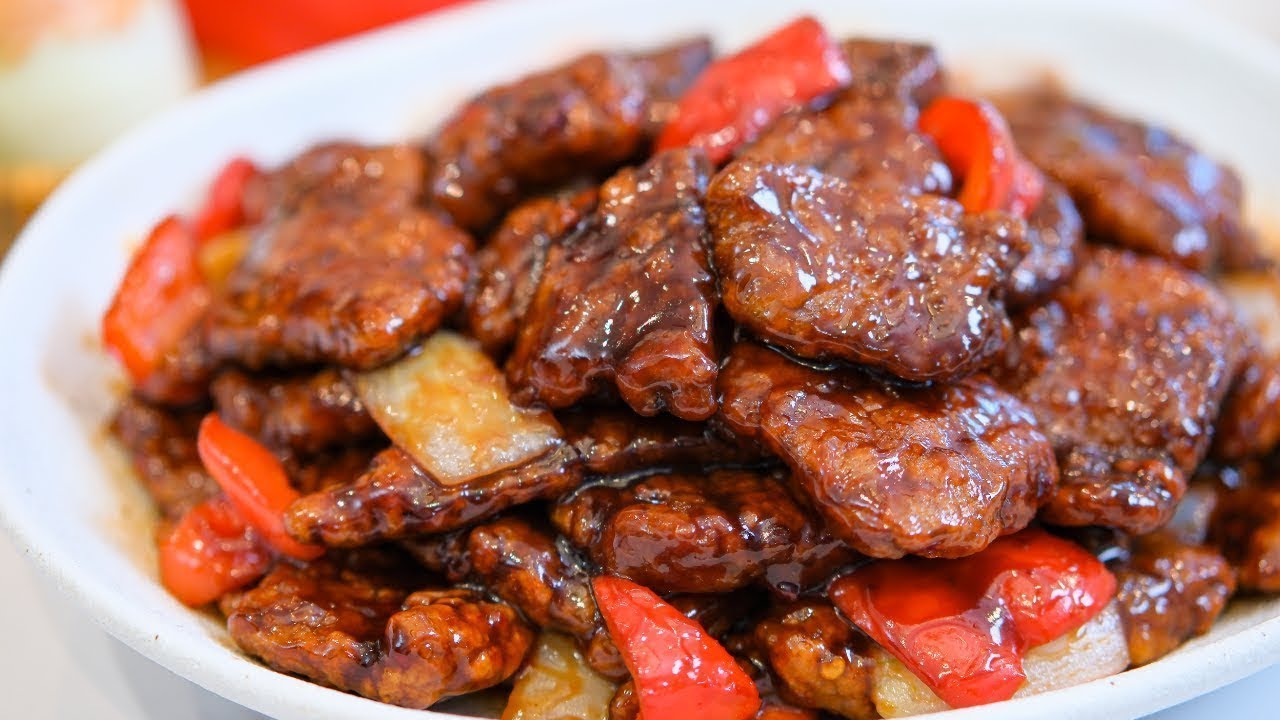
Beijing Beef is a classic Chinese-American dish known for its irresistible combination of textures and flavors. The beef is first marinated, then lightly battered and fried until it achieves a crispy golden crust. After that, it’s tossed with bell peppers, onions, and a bold sauce that blends sweetness, tanginess, and a hint of heat. The result? A mouthwatering dish that keeps you coming back for more.
It’s worth noting that Beijing Beef is not a traditional Beijing street food but rather an American-Chinese creation that pays homage to the bold flavors of Chinese cuisine. Over the years, it has become a fan favorite for those who love the mix of crispy fried beef and glossy, sticky sauce.
Why You’ll Love This Recipe
- Restaurant Quality at Home: No need for takeout when you can make it yourself, fresher and healthier.
- Customizable: Adjust the spice level, sweetness, or even substitute protein to suit your preferences.
- Crowd-Pleaser: Perfect for family dinners, parties, or meal prep—it’s a dish that never disappoints.
- Quick Cooking: Once the prep is done, everything comes together in under 20 minutes.
If you’ve ever thought, “I wish I could make Panda Express Beijing Beef at home,” this guide is your answer.
Ingredients You’ll Need
Making Beijing Beef requires a balance of meat, vegetables, and sauce ingredients. Having everything prepped and ready (a technique known as mise en place) makes cooking smooth and enjoyable.
Main Ingredients for Beef
- Beef: Flank steak or sirloin works best because of their tenderness and flavor. Thin slicing against the grain ensures soft, juicy bites.
- Cornstarch or Potato Starch: Helps coat the beef, creating a light, crispy texture when fried.
- Soy Sauce: Adds savory umami depth to the marinade.
- Egg White (optional): Helps the coating stick better.
Vegetables and Aromatics
- Red Bell Pepper: Sweet and vibrant, balancing the heat of the sauce.
- Onion: Adds a sharp, aromatic flavor. White or yellow onions are preferred.
- Garlic: Essential for that punch of flavor.
- Ginger: Brings warmth and fragrance to the sauce.
Sauce Ingredients
The sauce is the heart of Beijing Beef. You’ll need:
- Ketchup: Adds tangy sweetness.
- Hoisin Sauce: Brings depth and complexity.
- Soy Sauce: Salty umami base.
- Rice Vinegar: For acidity and balance.
- Sugar or Honey: To enhance sweetness.
- Red Chili Flakes or Sriracha: For that signature spicy kick.
Optional Add-ons and Substitutes
- Green Bell Pepper: For extra crunch and color variation.
- Sesame Oil: Adds a nutty aroma to the sauce.
- Brown Sugar: Can be used instead of white sugar for a richer flavor.
- Beef Alternatives: Chicken, pork, or even tofu can be swapped in with slight adjustments.
Preparing the Beef
The secret to a truly delicious Beijing Beef lies in how you prepare the meat before cooking. Proper marination and slicing techniques make all the difference.
Choosing the Right Cut of Beef
For Beijing Beef, flank steak and sirloin are the best choices. These cuts are flavorful, tender, and easy to slice thinly. Avoid tougher cuts like chuck unless you plan on tenderizing them extensively.
Pro Tip: Place the beef in the freezer for 20–30 minutes before slicing. This firms up the meat, making it much easier to cut into thin, even strips.
Marinating for Maximum Flavor
A good marinade tenderizes the meat and infuses it with flavor. A basic marinade includes:
- Soy sauce (for saltiness and depth)
- Cornstarch (to coat the beef and lock in juices)
- A splash of rice wine or Shaoxing wine (optional, for authentic flavor)
Let the beef marinate for at least 20 minutes, but if you have time, 1–2 hours is ideal. This step ensures that every bite is flavorful and tender.
Tips for Perfectly Crispy Beef
- Light Coating: Don’t overdo the cornstarch; just a thin, even layer is enough.
- High Heat: Frying the beef at the right temperature (around 350°F/175°C) gives it that irresistible crispiness.
- Small Batches: Fry the beef in small portions so it crisps up evenly instead of steaming in the oil.
- Drain Properly: Place fried beef on a paper towel or wire rack to remove excess oil while keeping the crunch.
Step-by-Step Guide to Cooking Beijing Beef
Now that your ingredients are ready and your beef is marinated, it’s time to put everything together.
Preparing the Sauce
In a small bowl, whisk together:
- 3 tbsp ketchup
- 2 tbsp hoisin sauce
- 2 tbsp soy sauce
- 2 tbsp rice vinegar
- 2–3 tbsp sugar or honey (adjust to taste)
- ½ tsp red chili flakes or 1 tsp sriracha
- 1 tsp sesame oil (optional)
This sauce should taste slightly sweet, tangy, and spicy—feel free to adjust based on your preference.
Stir-Frying the Vegetables
Heat a wok or skillet with 1 tbsp oil over medium-high heat. Add:
- Sliced onions
- Red bell peppers
- Garlic and ginger
Stir-fry for 2–3 minutes until fragrant but still slightly crisp. Remove from the pan and set aside.
Frying the Beef Strips
Heat oil in a deep pan or wok to about 350°F. Carefully add the marinated beef strips in small batches. Fry until golden and crispy, about 3–4 minutes. Remove and drain on a wire rack or paper towel.
Combining Everything Together
In the same wok, return the sauce mixture and bring it to a gentle simmer. Add back the fried beef and stir-fried vegetables. Toss quickly until everything is coated in the glossy sauce. Serve hot with steamed rice or noodles.
Serving and Presentation Ideas
The way you serve Beijing Beef can elevate it from a simple stir-fry to a restaurant-style dish.
Best Side Dishes for Beijing Beef
- Steamed Jasmine Rice: A classic pairing that soaks up the sauce beautifully.
- Fried Rice: Adds extra flavor and texture.
- Lo Mein or Chow Mein: Noodles make it a complete, hearty meal.
- Steamed Vegetables: Broccoli or bok choy adds freshness and balances the richness of the beef.
Garnishing Tips for Extra Flavor
- Sprinkle with toasted sesame seeds for crunch.
- Add freshly chopped scallions for color and freshness.
- Drizzle a touch of chili oil if you want more heat.
How to Serve Like a Restaurant
Use a wide, shallow serving dish so the glossy sauce and colorful vegetables shine. Garnish with fresh herbs, and always serve hot so the beef stays crisp and the sauce coats perfectly.
Tips and Tricks for the Perfect Beijing Beef
Common Mistakes to Avoid
Even though Beijing Beef is relatively simple, a few mistakes can make or break the dish:
- Overcrowding the pan while frying: This causes the beef to steam instead of crisp. Always fry in batches.
- Not slicing thinly enough: Thick beef strips take longer to cook and won’t achieve that signature crispy bite.
- Skipping the marinade: Without marination, the beef lacks tenderness and depth of flavor.
- Burning the sauce: Since the sauce contains sugar, it can caramelize quickly. Always cook it on medium heat and stir continuously.
Learning from these pitfalls ensures your dish turns out restaurant-quality every single time.
Adjusting Spice Levels to Your Taste
Not everyone enjoys the same level of heat. If you like it mild, reduce or skip the chili flakes and sriracha. For a fiery kick, increase the chili flakes or add fresh sliced chilies. You can even stir in chili paste (doubanjiang) for a more authentic, complex spice profile.
Making it Healthier
While delicious, Beijing Beef can be a little heavy due to frying. Here are some healthier tweaks:
- Air Fryer Method: Coat beef lightly in cornstarch and cook in the air fryer until crispy.
- Pan-Frying with Less Oil: Instead of deep frying, shallow fry the beef in a non-stick pan.
- Cut Down on Sugar: Reduce the sugar in the sauce or replace it with honey or a sugar substitute.
- Add More Veggies: Broccoli, snap peas, or mushrooms not only bulk up the dish but also make it more nutritious.
Storing and Reheating Beijing Beef
How to Store Leftovers Properly
Beijing Beef stores well for up to 3 days in the refrigerator. To store it:
- Allow the dish to cool completely.
- Transfer it into an airtight container.
- Store in the fridge (not freezer, as freezing makes the beef soggy).
Best Methods to Reheat Without Losing Crispiness
- Stovetop Method (Best): Heat a non-stick skillet over medium heat, add a splash of oil, and stir-fry the beef for 2–3 minutes until hot.
- Oven Method: Spread the beef on a baking sheet and reheat at 350°F (175°C) for about 10 minutes.
- Microwave (Quickest): Not ideal, but if in a rush, microwave in short intervals. The beef will soften, but the flavors remain.
If you want to restore some crispiness, avoid microwaving whenever possible.
Nutritional Information
Calories and Macronutrients
On average, a serving of Beijing Beef (about 1 cup with sauce and vegetables) contains:
- Calories: 450–550
- Protein: 20–25g
- Carbohydrates: 40–45g
- Fat: 20–25g
These numbers vary based on portion size and cooking method. Deep frying increases calories, while using an air fryer or pan-frying with minimal oil reduces it significantly.
Making It a Balanced Meal
Pairing Beijing Beef with vegetables and rice ensures a more balanced plate. For a healthier option:
- Serve with brown rice instead of white rice for more fiber.
- Add extra vegetables like bok choy, broccoli, or zucchini.
- Reduce sugar in the sauce to lower the carb content.
This way, you can enjoy the bold flavors of Beijing Beef without guilt.
Variations of Beijing Beef
Spicy Beijing Beef
For spice lovers, you can crank up the heat by:
- Adding fresh red chilies or Thai bird’s eye chilies.
- Doubling the chili flakes.
- Stirring in chili oil or sambal oelek to the sauce.
This variation is especially satisfying for those who enjoy bold, fiery dishes.
Beijing Chicken or Pork Alternative
Not a beef eater? No problem!
- Beijing Chicken: Use thinly sliced chicken breast or thighs. The cooking method remains the same, but the flavor is slightly lighter.
- Beijing Pork: Pork tenderloin works beautifully—juicy, tender, and flavorful.
Both alternatives still deliver that same crispy, saucy experience.
Vegetarian Version with Tofu
For a plant-based twist:
- Replace beef with firm tofu or seitan.
- Coat tofu cubes in cornstarch and pan-fry or air fry until golden.
- Follow the same recipe with vegetables and sauce.
This vegetarian Beijing “Beef” is just as satisfying and makes a fantastic option for meat-free meals.
FAQs about Beijing Beef Recipe
1. Can I make Beijing Beef without deep frying?
Yes! You can pan-fry the beef in a non-stick skillet with minimal oil or use an air fryer for a healthier version while still getting some crispiness.
2. What’s the difference between Beijing Beef and Mongolian Beef?
Mongolian Beef is typically sweeter and less spicy, using a soy-based sauce with scallions, while Beijing Beef has a tangier, spicier sauce with peppers and onions.
3. How can I make the sauce less sweet?
Reduce the sugar or honey and increase the vinegar or soy sauce slightly. You can also add a splash of lime juice for extra tang without the sweetness.
4. Can I prepare Beijing Beef ahead of time?
Yes, you can prep the sauce and marinate the beef in advance. However, fry the beef just before serving to keep it crispy.
5. What type of oil is best for frying?
Neutral oils with high smoke points work best, such as canola oil, vegetable oil, or peanut oil. Avoid olive oil, as it burns easily at high heat.
Conclusion
Beijing Beef is more than just a takeout favorite—it’s a dish you can master at home with just a few simple steps. Crispy beef strips coated in a glossy, flavorful sauce with peppers and onions make every bite a perfect balance of sweet, tangy, and spicy. With the tips and variations in this guide, you can adjust it to your taste, make it healthier, or even swap the protein.
Whether you serve it with steamed rice, fried rice, or noodles, this Beijing Beef recipe is guaranteed to impress. Once you try it, you’ll realize homemade beats takeout any day.