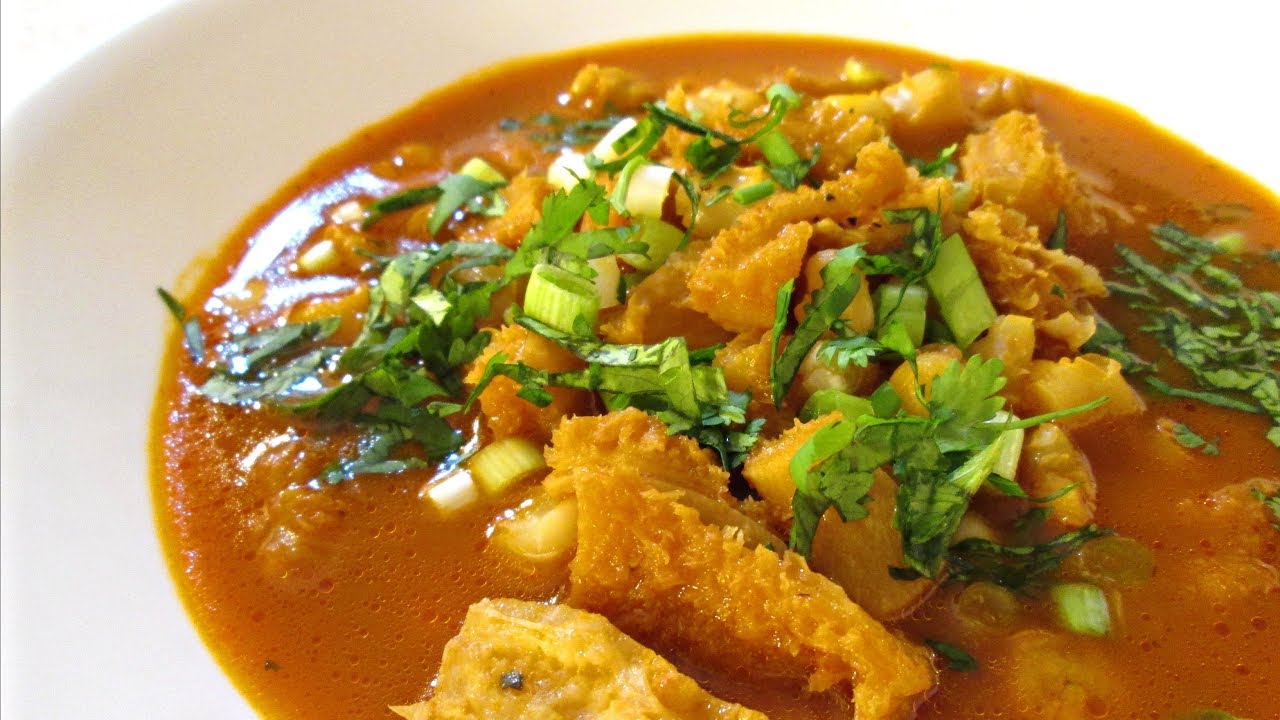
Beef Tripe Soup Recipe: Beef tripe soup is one of those dishes that tells a story. It’s rich, hearty, and deeply comforting. For some, it’s a childhood favorite. For others, it’s a culinary adventure waiting to happen.
So, what exactly is tripe? Tripe is the edible lining of a cow’s stomach. While that may sound unusual at first, it has been enjoyed for centuries across cultures. When cooked properly, it becomes tender, flavorful, and surprisingly satisfying.
This guide will walk you through everything — from selecting quality tripe to simmering it into a rich, soul-warming soup. By the end, you’ll feel confident enough to make this dish like a pro.
Types of Beef Tripe
There are four types of beef tripe, but the most commonly used in soup is honeycomb tripe.
Honeycomb Tripe
This type has a distinctive honeycomb pattern and is the most tender and flavorful. It’s ideal for soups because it absorbs spices beautifully.
Blanket (Flat) Tripe
Smoother in texture and less thick, this type works well but requires careful cooking.
Omasum and Abomasum
Less common in everyday cooking but still edible and used in certain traditional dishes.
How to Choose Quality Tripe
Look for tripe that is pale white or cream-colored. It should smell clean and fresh, not sour or overly strong. Avoid yellowish or slimy pieces.
Fresh vs. Pre-Cleaned Tripe
Most markets sell pre-cleaned tripe. While this saves time, you should still rinse and parboil it before cooking.
Health Benefits of Beef Tripe Soup
Beef tripe is surprisingly nutritious.
- High in protein – Supports muscle repair and overall body function.
- Rich in collagen – Promotes skin elasticity and joint health.
- Contains vitamin B12 and zinc – Essential for immunity and energy production.
It’s a humble ingredient packed with nourishment.
Ingredients You’ll Need
Here’s everything required for a classic beef tripe soup.
Main Ingredients
- 2 pounds beef tripe (cleaned)
- 8 cups beef broth or water
- 1 pound beef bones (optional for richer flavor)
Aromatics and Seasonings
- 1 large onion, chopped
- 4 cloves garlic, minced
- 1 tablespoon grated ginger
- 2 bay leaves
- 1 teaspoon black pepper
- 1 teaspoon paprika
- 1 teaspoon thyme
- Salt to taste
Optional Add-ins
- 2 carrots, sliced
- 2 potatoes, cubed
- 1 cup chopped tomatoes
- Chili flakes for heat
Garnishes
- Fresh parsley
- Green onions
- Lemon wedges
Essential Kitchen Tools
- Large heavy-bottomed stockpot
- Sharp knife
- Cutting board
- Strainer
- Wooden spoon
- Ladle
Preparing Beef Tripe Properly
Cleaning and Rinsing
Even if labeled “pre-cleaned,” rinse thoroughly under cold water. Rub gently to remove any residue.
Parboiling for Odor Removal
Place tripe in a pot, cover with water, and boil for 10–15 minutes. Drain and rinse again. This step removes impurities and improves flavor.
Cutting the Tripe
Slice into bite-sized strips. Smaller pieces cook more evenly and are easier to eat.
Step-by-Step Guide to Making Beef Tripe Soup
Step 1 – Clean and Prepare the Tripe
Rinse the beef tripe thoroughly under cold running water. If needed, rub it gently with salt or vinegar to remove any odor. Trim off excess fat and cut the tripe into bite-sized strips. Proper cleaning is essential for a clean, mild flavor.
Step 2 – Parboil the Tripe
Place the tripe in a large pot and cover with water. Bring to a boil and cook for 10–15 minutes. Drain and rinse again. This step helps remove impurities and improves texture.
Step 3 – Sauté Aromatics
In a clean pot, heat a little oil over medium heat. Add chopped onions, minced garlic, and sliced ginger. Sauté for 2–3 minutes until fragrant. You may also add diced carrots or celery for added depth.
Step 4 – Add Tripe and Spices
Return the parboiled tripe to the pot. Season with salt, black pepper, bay leaves, and optional spices like paprika or chili flakes. Stir well to coat the tripe with the aromatics.
Step 5 – Simmer to Tender Perfection
Pour in enough beef broth or water to fully cover the tripe. Bring to a gentle boil, then reduce to low heat. Cover and simmer for 1½–2 hours, or until the tripe becomes tender. Stir occasionally and add more liquid if needed.
Step 6 – Adjust Seasoning
Taste the soup and adjust salt and spices as needed. You can add a splash of vinegar or lemon juice for brightness.
Step 7 – Serve and Garnish
Serve hot, garnished with chopped parsley or green onions. Enjoy with crusty bread or rice for a hearty, comforting meal.
Tips for Tender and Flavorful Tripe
- Cook low and slow.
- Don’t rush the simmering process.
- Add salt toward the end to prevent toughening.
- For deeper flavor, use beef bones.
Common Mistakes to Avoid
- Skipping parboiling.
- Undercooking (leads to rubbery texture).
- Adding too much salt early.
- Using too little liquid.
Variations of Beef Tripe Soup Around the World
Mexican Menudo
A red chili-based tripe soup often served with hominy.
Italian Trippa
Cooked in tomato sauce with herbs and Parmesan.
Filipino Goto
A rice porridge version with ginger and garlic.
Nigerian Tripe Pepper Soup
Spicy and aromatic with local spices.
Storage and Reheating Tips
Refrigerate up to 4 days. Freeze for up to 3 months. Reheat gently over low heat to maintain tenderness.
What to Serve with Beef Tripe Soup
- Crusty bread
- Steamed rice
- Warm flatbread
- Side salad
FAQs about Beef Tripe Soup Recipe
1. How long does beef tripe need to cook?
Beef tripe typically requires 2–3 hours of gentle simmering on low heat to become tender. Cooking time may vary depending on the thickness and cut of the tripe. Slow, steady cooking is key to achieving a soft texture.
2. Why is my tripe still tough?
If your tripe feels tough or chewy, it likely needs more cooking time. Tripe softens gradually, and rushing the process can leave it rubbery. Continue simmering on low heat and check periodically until it reaches the desired tenderness.
3. Can I cook tripe in a pressure cooker?
Yes, a pressure cooker significantly reduces cooking time. Tripe can become tender in about 45–60 minutes under pressure. Always follow your pressure cooker’s safety instructions and allow proper release before opening.
4. Does tripe have a strong smell?
When properly cleaned and parboiled, tripe has a mild smell. Thorough rinsing and the initial boiling step help remove impurities and reduce any strong odor before final cooking.
5. Can I freeze beef tripe soup?
Absolutely. Allow the soup to cool completely before transferring it into airtight containers. It can be frozen for up to 2–3 months. Thaw in the refrigerator and reheat gently before serving.
Conclusion
Beef tripe soup is more than just a meal — it’s tradition, comfort, and nourishment in a bowl. With proper preparation and patience, you’ll transform a simple ingredient into something deeply satisfying.
Slow cooking unlocks its magic. Rich broth, tender tripe, aromatic spices — it all comes together beautifully.
Once you master this recipe, you’ll never look at tripe the same way again.