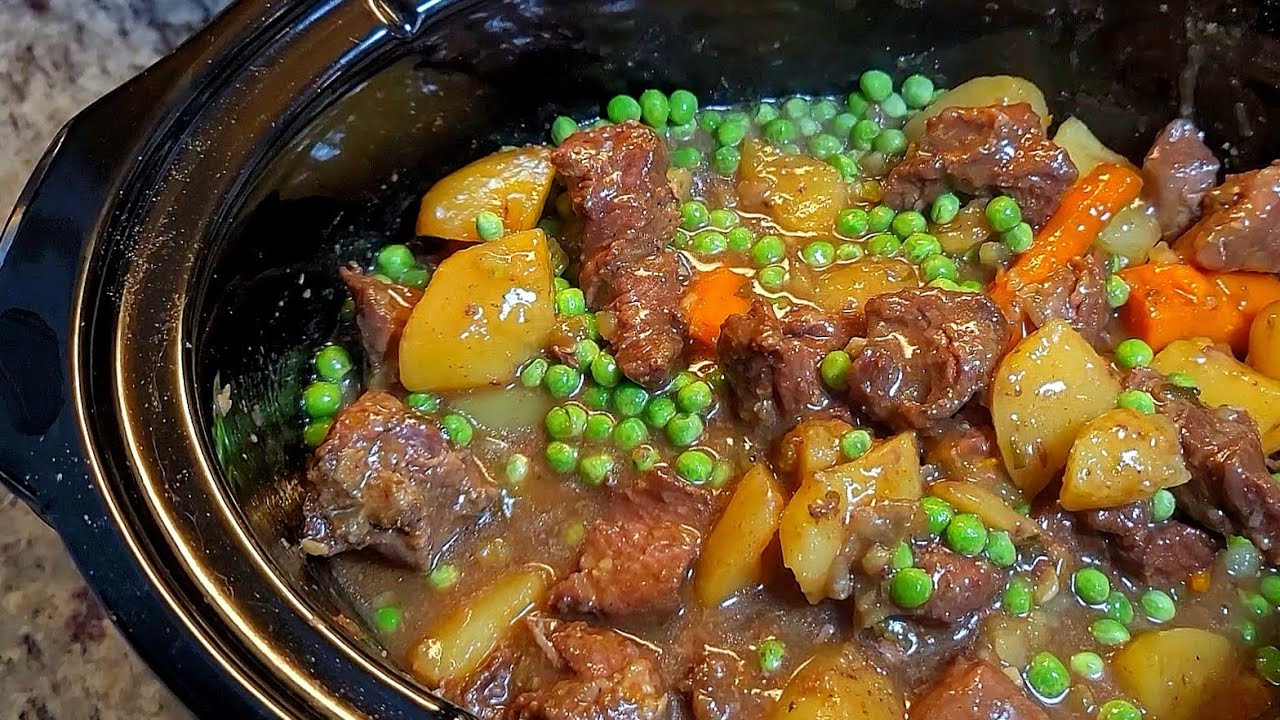
Beef Slow Cooker Recipe: Let’s be real—nobody has time to slave over the stove for hours every single day. That’s where slow cookers come in like a kitchen superhero. They allow you to prep your food, toss it all in the pot, press a button, and forget about it for hours. By the time you’re done with work or school, your house smells amazing and dinner is done. Slow-cooked beef isn’t just convenient; it’s mouthwateringly tender, full of flavor, and perfect for feeding a hungry family or even meal-prepping for the week.
Why is beef such a great fit for a slow cooker? Because the long, gentle cooking process breaks down the collagen in tougher cuts of meat, turning them into juicy, melt-in-your-mouth bites. This means you don’t need the most expensive cut to get top-notch results. So not only do you save time—you save money, too. That’s a win-win.
Slow cookers also help retain nutrients since the food is cooked low and slow, usually without boiling away all the goodness. And the best part? One pot to clean. Need I say more?
List of Ingredients You’ll Need
Before you fire up that slow cooker, let’s talk ingredients. Getting the right combo of meat, veggies, and seasonings is the key to flavor-packed success. Here’s what you’ll need for a classic, savory beef slow cooker recipe:
Choosing the Right Cut of Beef
- Chuck roast – This is the gold standard for slow cooking. It has enough fat to stay juicy and enough connective tissue to break down into tender chunks.
- Brisket – A bit more flavorful and fatty, brisket works great when sliced.
- Round roast or stew meat – Leaner but still great when cooked low and slow.
Essential Vegetables
- Carrots – Peel and cut into thick chunks (so they don’t disintegrate).
- Potatoes – Yukon golds or red potatoes hold their shape well.
- Celery – Adds a nice aromatic base.
- Onions – Sliced or chopped, for a sweet, savory boost.
- Garlic cloves – Minced or whole, for deeper flavor.
Broth and Liquids
- Beef broth or stock – Adds richness and depth.
- Red wine or balsamic vinegar – For acidity and complexity.
- Worcestershire sauce – A flavor bomb that shouldn’t be skipped.
Herbs and Seasonings
- Thyme, rosemary, bay leaves – Go fresh if you can.
- Salt and pepper – Don’t be shy.
- Paprika or chili flakes – Optional kick of spice.
Optional Add-Ins
- Mushrooms – Absorb flavor like a sponge.
- Peas or corn – Add them at the end.
- Tomato paste – For a richer, slightly tangy base.
Having everything prepped and ready makes the rest of the process a total breeze. Keep reading to learn exactly how to throw it all together…
Step-by-Step Guide to Cooking Beef in a Slow Cooker
You’ve got the ingredients—now let’s get into the step-by-step magic of how to create the perfect slow cooker beef dish. Don’t worry, it’s not rocket science. Just follow these steps and you’ll have a hearty, comforting meal without the stress.
Step 1: Prep the Ingredients
Start by washing and chopping all your vegetables. Keep your carrot and potato chunks a little bigger so they hold up during the long cook. Mince the garlic, slice the onions, and portion out your seasonings.
Next, trim any large pieces of fat off your beef (but leave some marbling for flavor). Cut into large chunks if you’re not using stew meat.
Step 2: Brown the Beef (Optional but Recommended)
This step adds major flavor. Heat a bit of oil in a skillet and sear the beef on all sides until browned. Don’t overcrowd the pan—do it in batches if needed. Browning locks in juices and builds a deep, savory flavor base.
Step 3: Layer Ingredients in the Slow Cooker
Add the veggies first—potatoes, carrots, celery—so they sit at the bottom and cook evenly. Place the browned beef on top. Then add onions, garlic, herbs, and any additional veggies.
Step 4: Add Liquids and Seasoning
Pour in your beef broth, Worcestershire sauce, and any wine or vinegar. The liquid should cover about ¾ of the contents—don’t submerge everything unless you’re going for more of a stew.
Sprinkle your seasonings over the top. Give everything a little mix if needed, but don’t overdo it.
Step 5: Set and Cook
- Low and slow: 8 to 10 hours on low for the most tender beef.
- In a hurry? 4 to 5 hours on high will still give you great results.
Remember—don’t keep lifting the lid! Every time you open it, you lose heat and extend the cook time.
Step 6: Final Touches
Once cooked, remove the beef and veggies. If you want to thicken the sauce, stir in a cornstarch slurry (1 tbsp cornstarch + 2 tbsp cold water) and cook on high for 10–15 minutes until it thickens.
Return everything to the pot, taste and adjust seasoning if needed.
Step 7: Serve and Enjoy
Plate it up with mashed potatoes, crusty bread, or just as-is in a warm bowl. You’ve just made a slow-cooked masterpiece!
Best Cuts of Beef for Slow Cooking
When it comes to slow cooking, not all beef cuts are created equal. You need something with enough connective tissue and fat to break down over several hours, which is what makes slow-cooked beef so irresistibly tender. Here are some of the best choices:
Chuck Roast
This is the MVP of slow-cooked beef. It comes from the shoulder area of the cow and has just the right balance of fat and muscle to become fall-apart tender. Chuck roast soaks up flavors beautifully and works well in almost any recipe—roast, stew, shredded beef, you name it.
Brisket
This cut has a rich, beefy flavor and enough fat to make it moist. While it takes a bit longer to become tender, the payoff is worth it. Brisket works best in recipes where you’re slicing it after cooking rather than shredding.
Round Roast
A leaner option compared to chuck or brisket, but still a solid pick. Since it lacks the same marbling, you’ll want to make sure it’s cooked on low heat for the full 8–10 hours. Add extra broth or sauce to keep it moist.
Stew Meat
These are usually pre-cut cubes from various tougher cuts, often including parts of the chuck. They’re convenient and cost-effective, and they perform wonderfully in soups and stews.
Choosing the right cut is crucial to achieving that tender, flavorful result. Always opt for tougher cuts rather than lean, steak-like cuts—they’re cheaper and taste better when slow-cooked.
Vegetable Pairings That Work Best
Sure, beef is the star of the show—but the supporting cast of vegetables is what rounds out the dish and gives it heartiness, flavor, and texture. Here are the veggies that thrive in a slow cooker and complement beef perfectly:
Root Vegetables
- Carrots: Sweet and earthy, they hold their shape and soak up flavors like a sponge.
- Potatoes: Yukon gold and red potatoes are ideal because they don’t fall apart easily. Cut into large chunks for best results.
- Parsnips & Turnips: Add a mild peppery note and a little variety.
Mushrooms
Earthy and rich, mushrooms are perfect in beef slow cooker recipes. They absorb juices and add umami depth. Use cremini or baby bellas for best flavor.
Onions and Garlic
No slow-cooked beef dish is complete without them. Onions melt into sweetness, and garlic gives that warm, deep flavor that elevates everything.
Fresh Herbs
Throw in a few sprigs of thyme or rosemary, or a couple of bay leaves. They’ll release their oils slowly during cooking and infuse the whole dish.
Want more texture? Add frozen peas or green beans during the last 30 minutes of cooking. This keeps them vibrant and prevents them from becoming mushy.
Broth vs. Stock – Which One Works Better?
Both broth and stock can be used in slow cooking, but there are some subtle differences that might influence your choice depending on the flavor and richness you want to achieve.
Flavor Profile
- Stock is made from simmering bones, giving it a richer, deeper flavor and thicker texture.
- Broth is made by simmering meat (often with veggies), and it’s generally lighter and more seasoned.
Nutrition
Stock usually contains more collagen, which adds body and a silky mouthfeel to your dish. Broth is still nutritious but may be lower in protein.
Homemade vs. Store-Bought
If you have time, homemade stock or broth is the best option. It’s free of preservatives and has a cleaner taste. But high-quality store-bought options work just fine—just go for low-sodium varieties so you can control the salt level yourself.
Tip: Add a splash of red wine or a spoonful of tomato paste to deepen the flavor of your broth or stock.
Spices and Flavor Enhancers
Seasoning is where the magic happens. The right combo of herbs, spices, and liquid enhancers can transform your beef dish from basic to unforgettable.
Essential Herbs
- Thyme: Earthy and subtle, great with beef.
- Rosemary: Strong and piney—use sparingly.
- Bay Leaves: Add complexity. Just remember to remove them before serving.
Dry Spices
- Paprika: Adds color and a hint of warmth.
- Chili flakes or cayenne: For a spicy kick.
- Cumin or coriander: For more depth in stew-like recipes.
Flavor Boosters
- Worcestershire Sauce: Deeply savory, a classic.
- Soy Sauce: A little goes a long way for umami.
- Balsamic Vinegar: Adds acidity and sweetness.
- Tomato Paste: Enhances richness, especially in gravies.
Feel free to experiment with your own spice mix! Just remember, it’s easier to add more than take it out—so start small and adjust as you go.
Slow Cooker Tips for Perfect Beef Every Time
Even though slow cooking seems foolproof, there are a few insider tips that can take your beef slow cooker recipe from good to absolutely amazing. These tricks help you avoid common pitfalls and get the most flavor and tenderness out of every batch.
Don’t Overcrowd the Cooker
A slow cooker works by trapping steam and slowly cooking everything inside. If you pack it too tightly, the ingredients won’t cook evenly. Leave at least 1–2 inches of space from the top to allow proper circulation of heat and moisture.
Use Low vs. High Setting Strategically
While the high setting is great when you’re pressed for time, cooking beef on low is always better for texture. Low heat allows the connective tissues to break down more thoroughly, giving you that fork-tender texture slow cooking is famous for.
When to Stir (or Not To)
Unlike cooking on the stove, you don’t need to stir a slow cooker dish constantly. In fact, it’s better not to! Every time you lift the lid, the temperature drops and can add 15–30 minutes to your cook time. Only stir near the end if needed—like when you’re mixing in a thickener or checking seasoning.
Avoid Overcooking Vegetables
Root veggies like potatoes and carrots are fine to add at the start, but more delicate ones (like peas, zucchini, or spinach) should be added in the last 30–45 minutes. Otherwise, they’ll turn mushy and lose color and texture.
Let It Rest
Just like a steak, your slow-cooked beef needs a few minutes to rest after cooking. Turn off the slow cooker and let it sit with the lid off for about 10–15 minutes. This helps the juices redistribute through the meat, keeping it tender and flavorful.
Mastering these tips will help you create restaurant-quality beef dishes right in your own kitchen—without the stress or mess.
How to Store and Reheat Leftovers
One of the biggest perks of slow cooker meals? Leftovers! They reheat beautifully and taste even better the next day as the flavors have more time to meld. But storing and reheating the right way matters to preserve taste and texture.
Refrigeration Tips
- Let the food cool slightly before storing. Don’t put piping hot food directly into the fridge.
- Use airtight containers to store beef and veggies together or separately.
- It’s best to eat refrigerated leftovers within 3–4 days for optimal taste and safety.
Freezing and Defrosting
- Slow cooker beef freezes very well! Use freezer-safe containers or heavy-duty zip bags.
- Label with the date, and it will last up to 3 months in the freezer.
- Thaw overnight in the fridge or use the defrost function on your microwave.
Best Reheating Methods
- Stovetop: Best method. Reheat in a saucepan over medium heat, adding a splash of broth or water if needed.
- Microwave: Use a microwave-safe dish, cover with a lid or wrap, and stir every minute for even heating.
- Oven: For larger portions, place in a covered dish and warm at 325°F (160°C) for 20–30 minutes.
Pro Tip: If your sauce thickens too much in the fridge, just add a bit of beef broth or water when reheating to bring it back to life.
Serving Suggestions
You’ve got your flavorful, slow-cooked beef—now how do you serve it? There are so many ways to enjoy it, and switching up the sides can turn one recipe into multiple meals.
With Mashed Potatoes
Classic comfort food right here. Creamy mashed potatoes are the perfect match for saucy, tender beef. Don’t forget a dollop of butter or a sprinkle of parsley for a finishing touch.
Over Rice or Pasta
Need to stretch your meal or serve a crowd? Spoon your beef and gravy over fluffy white rice, egg noodles, or buttery pasta. It turns the dish into a satisfying bowl meal that hits all the right notes.
With Crusty Bread or Dinner Rolls
Sometimes, all you need is some warm, crusty bread to soak up all those delicious juices. This combo is rustic, cozy, and super easy.
In a Sandwich or Wrap
Shred the beef and stuff it into a hoagie roll with some melted cheese and onions for an epic sandwich. Or go lighter with a beef and veggie wrap for lunch the next day.
As a Stew or Bowl
Serve it straight from the pot into bowls, especially if you’ve included plenty of broth and veggies. It’s comforting, hearty, and one of the best ways to enjoy slow cooker beef during colder months.
The versatility here is endless—just use what you have and make it your own.
Healthy Tweaks to Make It Lighter
Craving that rich, savory beef dish but want to keep things a little healthier? Don’t worry—you can absolutely enjoy slow cooker beef without going overboard. With just a few smart tweaks, you’ll lighten up the dish while keeping all the comfort and flavor intact.
Choose Leaner Cuts
While chuck roast is known for its tenderness, you can also opt for leaner cuts like sirloin tip roast or bottom round roast. They have less fat but still cook beautifully in a slow cooker. Just make sure to keep an eye on the cooking time and don’t skip the broth to help keep things moist.
Trim the Fat
Before tossing the meat into the slow cooker, trim off any visible fat. You’ll cut down on unnecessary grease and make your meal cleaner and easier to digest.
Load Up on Veggies
Double the amount of vegetables you usually use. Add things like:
- Zucchini
- Bell peppers
- Green beans
- Spinach or kale (add near the end)
The more veggies, the more fiber, vitamins, and minerals you’re adding to your plate.
Use Low-Sodium Broth
Always go for low-sodium or no-salt-added broth so you can control the salt content. You can add salt to taste later, but you can’t take it out once it’s in there.
Skip the Creamy Additions
Some recipes call for cream-based sauces or cheese—try skipping those if you’re watching calories. Instead, rely on spices, herbs, and vinegar or lemon juice to add brightness and flavor.
Thicken Without Cream
Rather than heavy cream, thicken your stew with:
- A cornstarch slurry
- Mashed potatoes
- Pureed beans or lentils for added fiber and thickness
These small changes go a long way in making your slow cooker beef recipe a healthier, balanced meal without sacrificing any of the rich taste you love.
Common Mistakes to Avoid
Slow cookers are forgiving, but there are still a few common mistakes that can mess with your final dish. Here’s what to watch out for:
1. Skipping the Browning Step
It’s tempting to just dump and go, but browning the beef first adds a deeper flavor that slow cooking alone can’t provide. You’re essentially building the foundation of your dish in those few minutes of searing.
2. Adding Dairy Too Early
Cream, sour cream, or cheese will curdle or separate if added at the beginning. If your recipe calls for dairy, stir it in during the last 15–30 minutes of cooking to keep it smooth and creamy.
3. Overfilling the Cooker
Packing your slow cooker to the brim slows down the cooking and can lead to uneven results. Stick to the ⅔ full rule to make sure everything cooks evenly.
4. Lifting the Lid Too Often
Every time you open the lid, you let out heat and steam. This increases cooking time and affects the texture. Be patient—check only near the end or if the recipe specifically calls for it.
5. Adding Fresh Herbs Too Early
While hearty herbs like thyme and rosemary can handle long cook times, delicate ones like basil, cilantro, or parsley should be added at the end. Otherwise, they lose their color and flavor.
6. Not Seasoning Enough
Slow cooking can sometimes mellow flavors. Don’t be afraid to taste and adjust seasoning at the end—especially salt, pepper, and acid (like lemon juice or vinegar).
Avoiding these slip-ups ensures your beef comes out juicy, flavorful, and perfectly cooked every time.
Slow Cooker vs. Instant Pot – What’s the Difference?
Both the slow cooker and Instant Pot have loyal fans, but they serve slightly different purposes. Understanding the differences helps you choose the right tool for your needs—or even convert recipes between the two.
Cooking Time
- Slow Cooker: Designed for low-and-slow cooking, typically taking 6–10 hours.
- Instant Pot: Uses pressure cooking to dramatically cut down cook time, cooking beef in 30–60 minutes.
Texture and Flavor
Slow cooking allows flavors to blend and develop gradually, resulting in deep, rich stews. Pressure cooking creates intense flavor quickly but sometimes lacks that layered, simmered-down taste.
Ease of Use
- Slow cooker is perfect for “set it and forget it” cooking.
- Instant Pot has a steeper learning curve but is more versatile—it can sauté, pressure cook, and even make rice or yogurt.
Convenience
The slow cooker is better for meals you want to prep in the morning and eat in the evening. The Instant Pot is ideal for last-minute dinners when you forget to plan ahead.
Both tools can make amazing beef dishes—it really comes down to how much time you have and how hands-on you want to be.
How to Make It a Complete One-Pot Meal
Want to make your slow cooker beef recipe a full meal with minimal cleanup? Here’s how to turn it into a nutritious, balanced one-pot wonder.
1. Add a Variety of Veggies
Don’t stop at carrots and potatoes. Include:
- Mushrooms for depth
- Green beans or peas for color
- Spinach or kale for a nutrient boost
Add tender greens during the last 20–30 minutes to prevent overcooking.
2. Mix in a Grain or Legume
- Add barley, lentils, or quinoa to bulk up the dish.
- If using rice or pasta, cook separately and stir in right before serving to avoid mushy textures.
3. Use Low-Sodium Broth and Watch the Salt
You’re creating layers of flavor, so it’s easy to over-season. Start small, and always taste at the end.
4. Include a Healthy Fat
Drizzle a little olive oil, or top with avocado slices or a handful of nuts for healthy fats and crunch.
5. Top It Off
A sprinkle of fresh herbs, a squeeze of lemon, or a spoonful of Greek yogurt can really brighten the final dish and elevate it from rustic to restaurant-worthy.
Now you’ve got yourself a balanced, filling, and wholesome meal with just one pot to wash. That’s the dream, right?
FAQs about Beef Slow Cooker Recipe
1. Can I put raw beef directly into the slow cooker?
Yes, you can. However, searing the beef first adds deeper flavor and a nicer texture. It’s optional but highly recommended.
2. How long can I leave beef cooking in a slow cooker?
On low, you can cook beef for 8–10 hours. On high, it usually takes about 4–6 hours. Don’t exceed 12 hours to avoid dryness.
3. Can I cook frozen beef in the slow cooker?
It’s not recommended due to safety concerns. Always thaw your beef first to ensure even cooking and safe internal temperatures.
4. What’s the best way to thicken the sauce?
Mix 1 tablespoon of cornstarch with 2 tablespoons of cold water, then stir into the hot liquid and cook on high for 10–15 minutes.
5. Can I make this recipe vegetarian?
Absolutely! Swap the beef for lentils, chickpeas, or a meat substitute, and use vegetable broth instead of beef broth.
Conclusion
There’s a reason beef slow cooker recipes have stood the test of time—they’re flavorful, convenient, and endlessly customizable. Whether you’re feeding a crowd, meal prepping for the week, or just craving something warm and hearty, a slow cooker can do all the heavy lifting for you.
With the right cut of beef, a good mix of vegetables, the perfect seasonings, and a little patience, you’ll end up with a dish that tastes like it came from a fancy restaurant—but with way less effort. Now that you’ve got the step-by-step guide, tips, and tricks, it’s time to make your own masterpiece.
So grab that slow cooker, throw in your ingredients, and let the magic happen. You’ve got this!