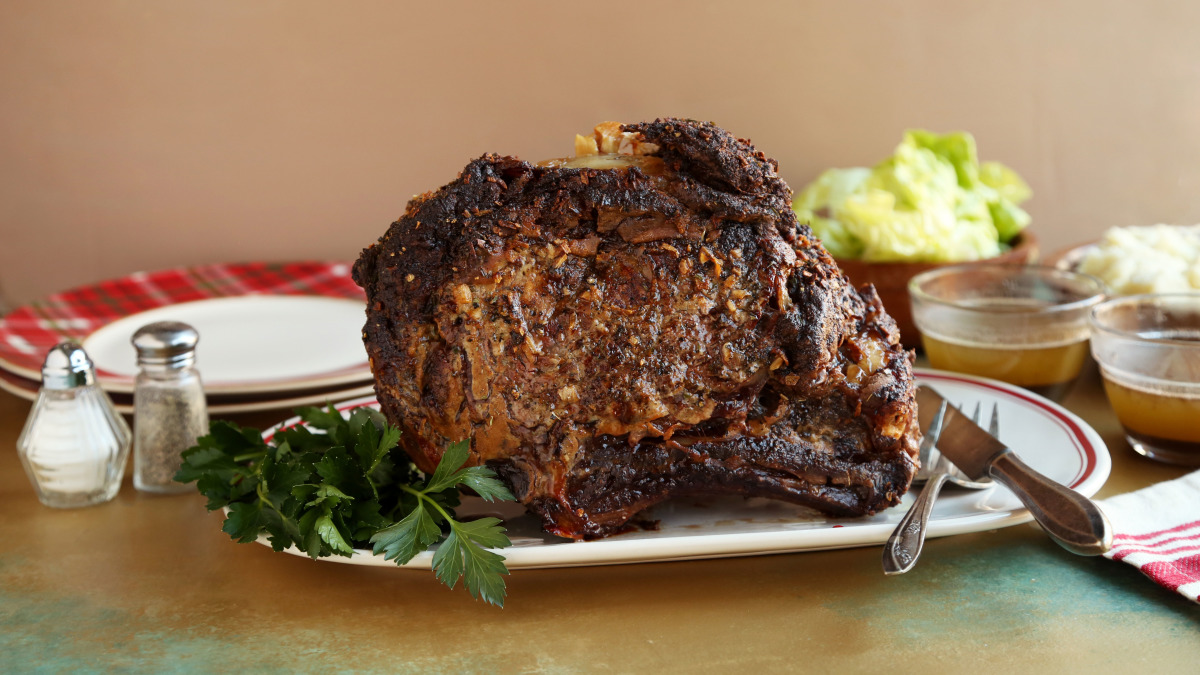
Beef Sirloin Tip Roast Recipe: Nothing beats the comfort of a juicy, flavorful beef sirloin tip roast. Whether it’s Sunday dinner or a special gathering, this underrated cut of beef can turn into something mouthwatering with the right preparation.
In this guide, you’ll get a simple, foolproof way to cook the perfect sirloin tip roast that will impress anyone who tastes it.
Introduction to Sirloin Tip Roast
So, what exactly is a sirloin tip roast?
Contrary to what the name suggests, the sirloin tip roast doesn’t come from the sirloin section. It’s cut from the round—the rear part of the cow—making it leaner than other roasts like chuck or brisket. While it’s not as naturally tender, it becomes melt-in-your-mouth delicious when cooked the right way. That’s why it’s often a go-to for budget-friendly, lean roast beef recipes.
The sirloin tip is also called the knuckle or round tip roast. It’s excellent when roasted slowly at low heat and sliced thin. The key is to treat it right—with seasoning, searing, and careful roasting.
Its appeal lies in the balance between affordability and flavor. You can feed a family without spending a fortune, and still serve up something worthy of seconds.
Ingredients You’ll Need
Let’s talk ingredients. Here’s what you’ll need to prepare the perfect sirloin tip roast:
Main Ingredients:
- 3 to 4 lb beef sirloin tip roast
- 2 tbsp olive oil (or any neutral oil)
- 4 cloves garlic, minced
- 1 tbsp salt (kosher is best)
- 1 tsp black pepper
- 1 tsp onion powder
- 1 tsp dried rosemary
- 1 tsp dried thyme
Optional Add-ons:
- 1 tsp smoked paprika (for a smoky flavor)
- 1 tsp Dijon mustard (for a tangy kick)
- 1 tbsp Worcestershire sauce (adds depth)
- 1 tbsp balsamic vinegar (for tenderness and tang)
- Fresh herbs like rosemary or thyme sprigs
- 1 cup beef broth (for the roasting pan)
These ingredients strike a good balance between savory, herbal, and slightly smoky. The garlic, rosemary, and thyme bring a classic roast beef flavor that works beautifully with the lean sirloin cut. The broth helps create moisture in the roasting pan and makes gravy later on.
Remember, don’t be afraid to adjust seasonings to your liking. Want it spicy? Toss in some chili flakes. Prefer it more herby? Add oregano or sage. This roast is versatile and welcomes customization.
Choosing the Best Sirloin Tip Roast
Great cooking starts with great meat. Here’s how to pick the best sirloin tip roast:
Look for Quality Grading
In the U.S., beef is graded by the USDA:
- Prime has the most marbling and is typically restaurant-quality.
- Choice is slightly less marbled but still flavorful and juicy.
- Select is leaner, and while more affordable, it can be tougher.
For this recipe, Choice grade is the sweet spot. It’s affordable but still tender enough when cooked properly.
Check the Marbling
Marbling refers to the white streaks of fat running through the meat. Even though sirloin tip is lean, you still want to see fine marbling. That little bit of fat melts into the meat and keeps it moist.
Size Matters
A roast between 3 to 4 pounds is ideal for most households. It cooks evenly and fits nicely into standard roasting pans. If you’re feeding a crowd, go bigger—but remember to adjust cooking times accordingly.
Color and Texture
Look for a bright red roast with a firm texture. Avoid anything brownish or overly soft—that’s a sign it’s been sitting too long.
Buying from a local butcher? Don’t hesitate to ask for trimming or recommendations. Butchers often have the best advice and may even have dry-aged options for extra flavor.
Prepping the Roast
This is where the magic begins. How you prepare your roast determines how flavorful and tender it turns out.
Trimming the Fat
Your roast may come with a fat cap. You don’t want to remove all of it—that fat helps during roasting—but do trim excess fat over ¼ inch thick. Leaving a thin layer enhances flavor and protects the meat from drying out.
Seasoning
You can choose between:
- Dry Rub: Mix your spices and rub directly onto the meat.
- Marinade: Soak the meat in a mix of oil, acid (like vinegar or lemon), and seasonings for several hours.
Both work well, but for a sirloin tip roast, a dry rub is often better. It builds a flavorful crust when seared and roasted.
Here’s a simple dry rub:
- 1 tbsp salt
- 1 tsp pepper
- 1 tsp rosemary
- 1 tsp thyme
- 1 tsp onion powder
- 4 minced garlic cloves
Rub this generously all over the roast. Let it sit at room temperature for at least 30 minutes. This step not only brings the roast to the ideal starting temp but also allows the salt to begin tenderizing the meat.
If you have time, season the roast the night before and refrigerate it uncovered. This dry brining method deeply infuses flavor and enhances texture.
Step-by-Step Cooking Instructions
Now comes the main event. Follow these detailed steps to get your sirloin tip roast perfectly juicy and tender:
1. Preheat the Oven
Set your oven to 425°F (220°C). This high initial heat helps create a crust on the outside of the roast.
2. Sear the Roast
Heat a cast iron skillet or heavy-bottomed pan over medium-high heat. Add oil, then sear the roast on all sides—about 2 minutes per side. This locks in juices and builds flavor.
3. Roast
Place the roast in a roasting pan on a rack. Pour 1 cup of beef broth or water into the bottom of the pan.
Insert a meat thermometer into the thickest part of the roast.
- Roast at 425°F for 15 minutes.
- Lower the oven to 325°F (160°C), and continue roasting until the internal temp reaches:
- 130°F (54°C) for medium-rare
- 140°F (60°C) for medium
This takes about 45-60 minutes, depending on the size of the roast.
4. Rest the Roast
Remove from the oven and tent with foil. Let it rest for at least 15–20 minutes. This step is crucial! The juices will redistribute throughout the meat, keeping it moist when sliced.
Making the Perfect Gravy (Optional)
If you’re like most roast lovers, gravy is not just optional—it’s essential. The good news? You already have the base for a killer gravy sitting in your roasting pan.
Start with the Drippings
After removing your roast, you’ll see golden-brown bits stuck to the bottom of the pan. That’s pure flavor gold. These are called “fond,” and they’re the secret to a rich, deep-tasting gravy.
Here’s how to turn them into gravy:
Simple Pan Gravy Recipe
Ingredients:
- Pan drippings from the roast
- 2 tbsp all-purpose flour
- 1 cup beef broth (more if needed)
- Salt and pepper to taste
Instructions:
- Place your roasting pan over medium heat on the stovetop.
- Add a bit of broth and scrape up the browned bits with a wooden spoon.
- Stir in flour and whisk continuously to form a roux (paste).
- Slowly add more broth while whisking until it reaches your desired consistency.
- Simmer for 3-5 minutes. Season to taste.
Want to jazz it up? Add a splash of red wine, a knob of butter, or a spoonful of Dijon mustard. The gravy not only adds moisture—it elevates the roast to a restaurant-worthy dish.
Serving Suggestions
The sirloin tip roast is the star of the show, but every star needs a solid supporting cast. Let’s talk about what to serve with it.
Best Side Dishes:
- Mashed Potatoes: Creamy and classic, they soak up that delicious gravy.
- Roasted Vegetables: Carrots, parsnips, and Brussels sprouts work great.
- Green Beans Almondine: Adds crunch and color to your plate.
- Yorkshire Pudding: Traditional and indulgent—perfect for soaking up juices.
- Cauliflower Gratin: A creamy, cheesy contrast to the roast’s richness.
Slicing the Roast
This is critical. Even the best-cooked roast can feel tough if not sliced properly.
Always slice against the grain. This shortens the muscle fibers, making each bite tender and easy to chew.
Use a sharp carving knife and cut thin slices. If you’re not sure where the grain runs, look closely at the muscle lines and slice perpendicular to them.
Add a drizzle of warm gravy over the slices just before serving—and prepare for the compliments to roll in.
Storage and Reheating Tips
One of the best things about cooking a large roast? The leftovers. But storing and reheating them properly ensures you keep all that flavor and texture intact.
How to Store Leftovers
- Refrigerator: Wrap slices tightly in foil or place in an airtight container. Keeps for 3-4 days.
- Freezer: Store sliced roast in freezer-safe bags. It’ll last for up to 3 months.
For extra flavor and moisture, pour a bit of pan juices or gravy over the meat before sealing it up.
Reheating Without Drying Out
Here’s the trick—avoid the microwave if you can. It’s quick but dries the meat.
Best methods:
- Oven: Place slices in a baking dish, add a splash of broth or gravy, cover with foil, and warm at 300°F for 15–20 minutes.
- Stovetop: Reheat in a covered skillet on low with a little broth.
- Sous-vide style (for foodies): Seal slices in a bag and place in a warm water bath (140°F) for 30 minutes.
Always check the internal temp. You want it warm, not piping hot—that’s how you keep it tender.
Nutritional Information
If you’re watching what you eat or just curious about what’s on your plate, here’s the nutritional breakdown for a typical 4-ounce serving of beef sirloin tip roast (without gravy or sides):
| Nutrient | Amount (per 4 oz) |
|---|---|
| Calories | 180–210 |
| Protein | 24–27g |
| Fat | 9–11g |
| Saturated Fat | 3–4g |
| Carbohydrates | 0g |
| Iron | 15% RDA |
| Zinc | 30% RDA |
Is it healthy?
Yes—especially if you’re aiming for a high-protein, low-carb diet. The sirloin tip roast is leaner than most cuts, making it a great option for those watching fat intake.
It’s packed with essential nutrients like iron, zinc, and B12, which are crucial for energy, immunity, and brain health. Just go easy on the gravy if you’re managing sodium or fat levels.
If you’re cooking for someone with dietary restrictions, the roast can be easily tailored—skip the gravy, use low-sodium broth, or season with fresh herbs instead of salt-heavy rubs.
Tips for a Tender and Juicy Roast
Even the most seasoned cooks can run into issues with a dry or chewy roast. But don’t worry—these tips will help you nail it every single time.
1. Don’t Skip the Sear
Searing caramelizes the outer layer, creating a flavorful crust that locks in juices. It’s not just for show—it makes a difference.
2. Use a Meat Thermometer
This one’s a game-changer. Guesswork is the enemy of a perfect roast. A digital probe thermometer allows you to monitor the internal temp without opening the oven every 10 minutes.
3. Resting is Non-Negotiable
After roasting, resist the urge to slice immediately. Resting allows the meat fibers to relax and juices to redistribute. Skipping this step will leave you with a dry roast and a soggy cutting board.
4. Roast Low and Slow After Initial Sear
Starting at high heat (425°F) builds that crust, but finishing at a lower temp (325°F) ensures even cooking. It’s a one-two punch that delivers a moist, evenly cooked roast.
5. Slice Against the Grain
We said it before, but it’s worth repeating. Cutting the wrong way ruins the texture. Always go against the direction of the muscle fibers for tenderness.
Common Mistakes to Avoid When Cooking Sirloin Tip Roast
Even the best recipes can go wrong with small missteps. To ensure your sirloin tip roast turns out tender, flavorful, and juicy, steer clear of these common mistakes:
1. Overcooking the Roast
Sirloin tip is a lean cut, which means it doesn’t have a lot of fat to keep it moist during long cooking times. If you cook it beyond medium (140°F), you risk drying it out. Always use a meat thermometer and pull the roast as soon as it hits your target temp.
2. Skipping the Resting Period
Cutting into the roast too soon causes the juices to spill out all over the cutting board instead of staying in the meat. Always rest for 15–20 minutes, tented with foil, to allow juices to settle.
3. Not Searing Before Roasting
Searing locks in flavor and adds depth to the roast. Skipping this step leaves you with a pale, bland exterior. A good sear makes a massive difference in taste and texture.
4. Using Cold Meat
Throwing a refrigerator-cold roast straight into a hot oven can result in uneven cooking. Let your roast come to room temperature (about 30–60 minutes out of the fridge) before searing or roasting.
5. Wrong Cutting Technique
Cutting with the grain instead of against it makes the meat chewy. Always identify the direction of the muscle fibers and slice across them for the most tender bites.
Avoiding these rookie mistakes is half the battle. When you follow the tips, the result is a juicy, perfectly cooked roast that’s hard to beat.
Best Cooking Tools for Sirloin Tip Roast
While you don’t need a professional kitchen to cook a great roast, the right tools definitely help. Here’s a list of handy gear that can make your cooking experience smoother and the results more consistent:
1. Meat Thermometer (Digital Preferred)
This is non-negotiable. A digital probe thermometer with an oven-safe cord is best so you can monitor temps without opening the oven. It guarantees accuracy.
2. Cast Iron Skillet or Heavy-Bottomed Pan
Perfect for getting that golden-brown sear on all sides before roasting. It distributes heat evenly and holds high temperatures well.
3. Roasting Pan with Rack
Elevating the roast on a rack allows even airflow around it and prevents it from sitting in its own juices. A deep roasting pan also helps collect flavorful drippings for gravy.
4. Sharp Carving Knife
Slicing cleanly, especially against the grain, is essential. A dull knife tears the meat rather than slicing it, which can ruin presentation and texture.
5. Foil or Butcher Paper
Great for resting the roast without steaming it. Tent it lightly to keep warmth in while allowing the exterior crust to stay crisp.
Investing in these tools doesn’t just help with this recipe—it improves your overall kitchen game. Think of them as your roast-cooking toolkit.
FAQs about Beef Sirloin Tip Roast Recipe
1. Can I cook sirloin tip roast in a slow cooker?
Yes! It turns out super tender when slow-cooked. Just sear it first, then cook on low for 8 hours with broth and veggies. It’s perfect for shredding or serving with gravy.
2. What’s the difference between sirloin tip roast and top sirloin?
Sirloin tip roast comes from the round (rear leg), while top sirloin is from the loin (mid-back). The tip roast is leaner and needs slow roasting, while top sirloin is more tender and suited for grilling.
3. How long should I marinate sirloin tip roast?
If using a marinade, aim for at least 4–6 hours, or overnight if possible. Marinades help tenderize the lean meat and add flavor, especially if acidic ingredients like vinegar or lemon are included.
4. Can I use leftovers in other recipes?
Absolutely! Try slicing it thin for roast beef sandwiches, chopping it for beef stew, or adding it to a stir-fry. The flavor holds up beautifully in many dishes.
5. What internal temperature should I aim for?
For best results:
- Medium-rare: 130–135°F
- Medium: 140–145°F
Avoid going over 145°F if you want a tender and juicy result.
Conclusion
Cooking a beef sirloin tip roast isn’t just about following a recipe—it’s about mastering a process. With the right cut, seasoning, technique, and a little patience, this budget-friendly roast transforms into a stunning, mouthwatering centerpiece for your meal.
The beauty of this dish lies in its simplicity and flexibility. You can stick with the classic garlic-herb rub or try new flavor profiles. Pair it with mashed potatoes for a Sunday dinner or thinly slice leftovers for incredible roast beef sandwiches.
Whether you’re a kitchen newbie or a seasoned home chef, the sirloin tip roast offers big rewards with minimal fuss—especially when you follow these step-by-step tips.
Now all that’s left is to tie on that apron, preheat that oven, and make some magic happen. You’ve got this.