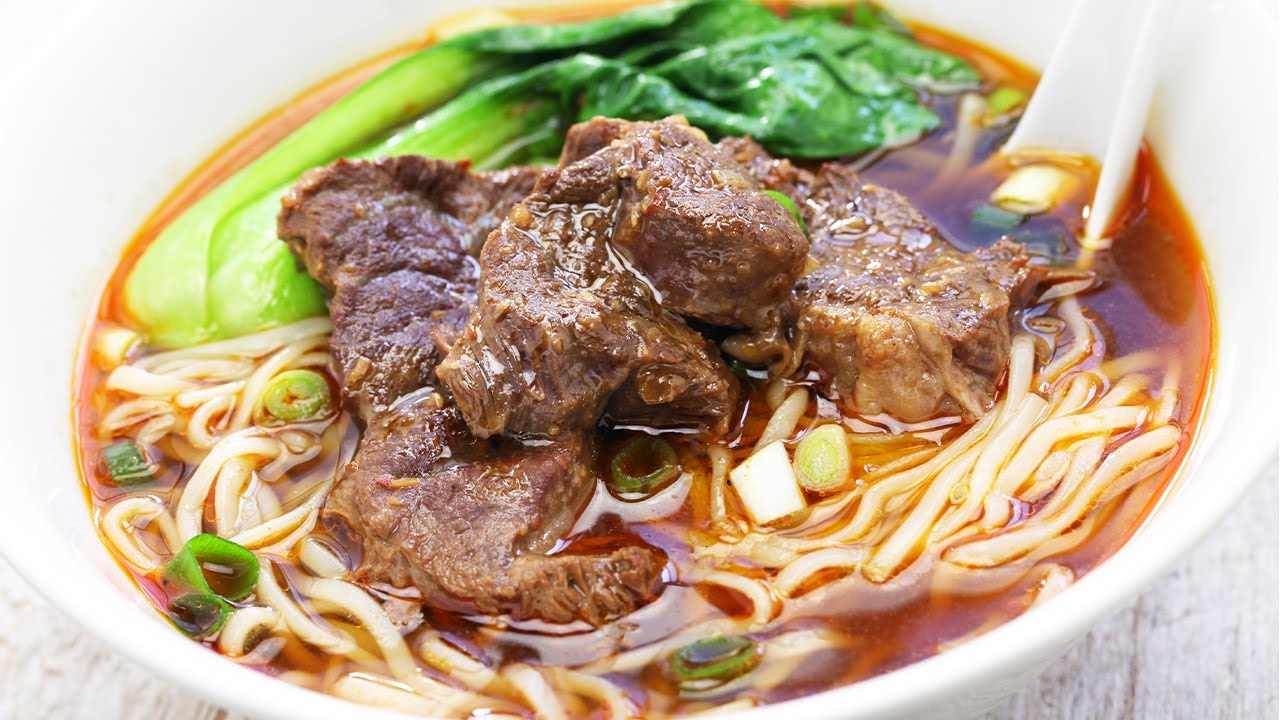
Beef Ramen Recipe: Ramen isn’t just soup—it’s comfort in a bowl. While traditional ramen is most commonly associated with pork or chicken, beef ramen has been winning hearts for its rich, savory depth and satisfying meaty flavor. It’s the kind of dish that feels like a warm hug after a long day, and for good reason. That flavorful broth, perfectly cooked noodles, and melt-in-your-mouth slices of beef create a combo that feels both gourmet and deeply comforting. In recent years, beef ramen has gained popularity across the globe thanks to its umami-packed taste, easy customization, and Instagram-worthy presentation.
Whether you’re craving something cozy for dinner or want to impress your friends with your cooking skills, beef ramen delivers every time. It’s versatile enough to adjust to your preferences, and once you master the basics, you’ll find yourself making it over and over again.
Benefits of Making Beef Ramen at Home
There’s nothing wrong with hitting up your favorite ramen spot, but making beef ramen at home has serious perks. For starters, you get full control over the ingredients, meaning you can keep it clean, tweak the saltiness, spice levels, or even swap ingredients based on dietary needs. Plus, it’s a budget-friendly alternative to dining out and can be surprisingly quick with the right preparation.
Homemade ramen also lets you explore different flavor profiles—from spicy Korean-inspired broths to more traditional Japanese soy-based ones. Not to mention, cooking it yourself is just downright satisfying. Once you taste your own bowl of beef ramen, made from scratch, there’s no going back.
Ingredients You’ll Need
Core Ingredients for the Broth
A flavorful broth is the soul of any great ramen. For beef ramen, here’s what you’ll need:
- Beef broth or bone broth – The base of the soup. Go for low-sodium if you’re adding soy sauce.
- Soy sauce – Adds saltiness and umami.
- Mirin or rice vinegar – Balances out the salt with a little sweetness.
- Sesame oil – For that nutty, aromatic finish.
- Garlic & ginger – Fresh is best to bring out deep flavor.
- Onion – Adds sweetness and body to the broth.
You can also add a bit of miso paste, chili paste, or even kombu (dried kelp) for a more complex flavor, depending on how adventurous you’re feeling.
Toppings and Garnishes
Toppings turn your ramen from basic to bougie. Here are some classic (and tasty) options:
- Thinly sliced beef (ribeye, sirloin, or flank steak)
- Soft-boiled eggs – Marinated or plain
- Scallions – Sliced thin
- Bamboo shoots
- Corn kernels
- Nori (seaweed sheets)
- Bean sprouts
The beauty of ramen? You can top it with whatever you like.
Optional Add-Ins
Feeling extra? Spice things up or boost the nutrition with:
- Chili oil or sriracha – For a kick of heat
- Spinach or bok choy
- Shiitake mushrooms
- Tofu – If you want more protein without more meat
These little extras can take your beef ramen from great to unforgettable.
Tools and Kitchen Essentials
Must-Have Cooking Tools
Before diving in, make sure you’ve got these basics covered:
- Large stockpot or Dutch oven – To simmer the broth
- Medium saucepan – For cooking noodles
- Sharp chef’s knife – For slicing beef and toppings
- Ladle and strainer – To serve and separate solids from broth
- Ramen bowls – Deep bowls help hold broth, noodles, and toppings with ease
You don’t need a fancy setup—just solid, functional tools to get the job done.
Helpful Tips for Kitchen Prep
- Prep all ingredients ahead of time – Slice veggies, marinate beef, and boil eggs before starting the broth.
- Use quality beef – Even if you’re on a budget, choosing a tender cut goes a long way.
- Boil eggs while the broth simmers – Multitask like a pro.
- Taste and adjust the broth – Every soy sauce is different; tweak to get it just right.
Getting organized before cooking makes the whole process smoother and more enjoyable.
Step-by-Step Instructions to Make Beef Ramen
Step 1 – Preparing the Beef
Start with a good-quality steak—ribeye, sirloin, or flank work great. Thin slices cook quickly and evenly, absorbing all that broth flavor.
- Marinate the beef (optional): In a mix of soy sauce, garlic, sesame oil, and a touch of brown sugar. Let it sit for at least 20 minutes.
- Sear or pan-fry the beef: Heat a skillet with oil until smoking hot, then quickly cook the beef slices on high heat for 1–2 minutes per side. Set aside.
This ensures your beef stays juicy, flavorful, and tender.
Step 2 – Creating the Flavorful Broth
The broth is where the magic happens. In a large stockpot:
- Sauté garlic, ginger, and onions in sesame oil until fragrant.
- Add beef broth, soy sauce, and mirin.
- Bring to a boil, then simmer for at least 30 minutes. The longer it simmers, the richer the flavor.
Strain out the solids or leave them in for a rustic feel.
Step 3 – Cooking the Ramen Noodles
Use fresh or packaged ramen noodles. Boil them according to the instructions (usually 3–5 minutes), then rinse under cold water briefly to stop cooking and remove excess starch.
Don’t overcook the noodles—they’ll keep cooking once in the hot broth.
Step 4 – Assembling Your Beef Ramen Bowl
Here’s the fun part:
- Place noodles in the bottom of your bowl.
- Pour hot broth over the top.
- Add sliced beef, soft-boiled egg halves, scallions, and your favorite toppings.
- Finish with a drizzle of chili oil or sesame oil.
Snap a photo (because, why not?) and dig in!
Tips for the Best Homemade Ramen
Choosing the Right Cut of Beef
When it comes to beef ramen, the cut of meat you choose can make or break your bowl. You want something tender, flavorful, and easy to slice thinly. Here are the best options:
- Ribeye – Rich and marbled with fat, giving your ramen a luxurious, melt-in-your-mouth texture.
- Sirloin – Leaner than ribeye but still tender and juicy when cooked right.
- Flank steak – Budget-friendly and packed with flavor. Just slice it thinly against the grain for maximum tenderness.
Pro tip: Partially freeze the beef before slicing. It makes it much easier to get thin, even slices that cook quickly and soak up all the broth goodness.
Also, avoid overcooking your beef. Quick searing or even a light broth poach is enough—beef continues to cook slightly once added to the hot soup. The goal is tenderness, not chewiness.
Customizing the Flavor Profile
The beauty of ramen is its versatility. Don’t be afraid to make it your own. Here are some ways to tweak the flavors based on your mood or pantry:
- More Umami: Add a spoon of miso paste, a dash of fish sauce, or dried mushrooms during the broth simmer.
- Extra Heat: Stir in chili garlic sauce, fresh chili slices, or a splash of hot sauce.
- Tangy Twist: Add a tiny bit of rice vinegar or a squeeze of lime at the end.
- Sweet & Savory: Mix in a spoon of hoisin or a touch of brown sugar to balance saltiness.
You can also experiment with fusion elements. Try adding kimchi, a splash of coconut milk, or even curry powder to infuse new dimensions into your classic beef ramen.
FAQs about Beef Ramen Recipe
1. Can I use leftover steak in ramen?
Absolutely! Leftover steak can be a fantastic addition to ramen. Just slice it thinly and add it during the final step to warm it through without overcooking.
2. What’s the best noodle type for ramen?
Fresh ramen noodles are the gold standard, offering that bouncy, chewy texture you love. But if those aren’t available, refrigerated or dried ramen noodles work just fine. Even udon or soba noodles can substitute in a pinch.
3. Can I make beef ramen spicy?
Yes, and it’s easy. Add chili oil, Sriracha, red pepper flakes, or even slice in a fresh chili pepper to turn up the heat. You control the spice level, so start small and taste as you go.
4. How long does beef ramen keep in the fridge?
Ramen is best enjoyed fresh, but if you have leftovers, store the broth, noodles, and toppings separately. The broth will keep for up to 4 days in the fridge. Reheat gently and combine just before serving.
5. Is it okay to freeze beef ramen?
You can freeze the broth and beef separately, but avoid freezing cooked noodles—they get mushy. Store broth in airtight containers and thaw in the fridge overnight before reheating.
Conclusion
Beef ramen is more than just a meal—it’s a warm, flavorful journey that you can take any night of the week. From simmering the rich broth to layering toppings over a bed of perfectly cooked noodles, each step builds towards a dish that satisfies all your cravings. Whether you’re looking to replicate a restaurant experience or explore creative flavor combinations, this step-by-step guide gives you everything you need to master the art of homemade beef ramen.
So next time you’re looking for comfort food with a gourmet twist, skip the takeout and whip up your own bowl. Trust us—once you taste it, you’ll never go back to instant noodles again.