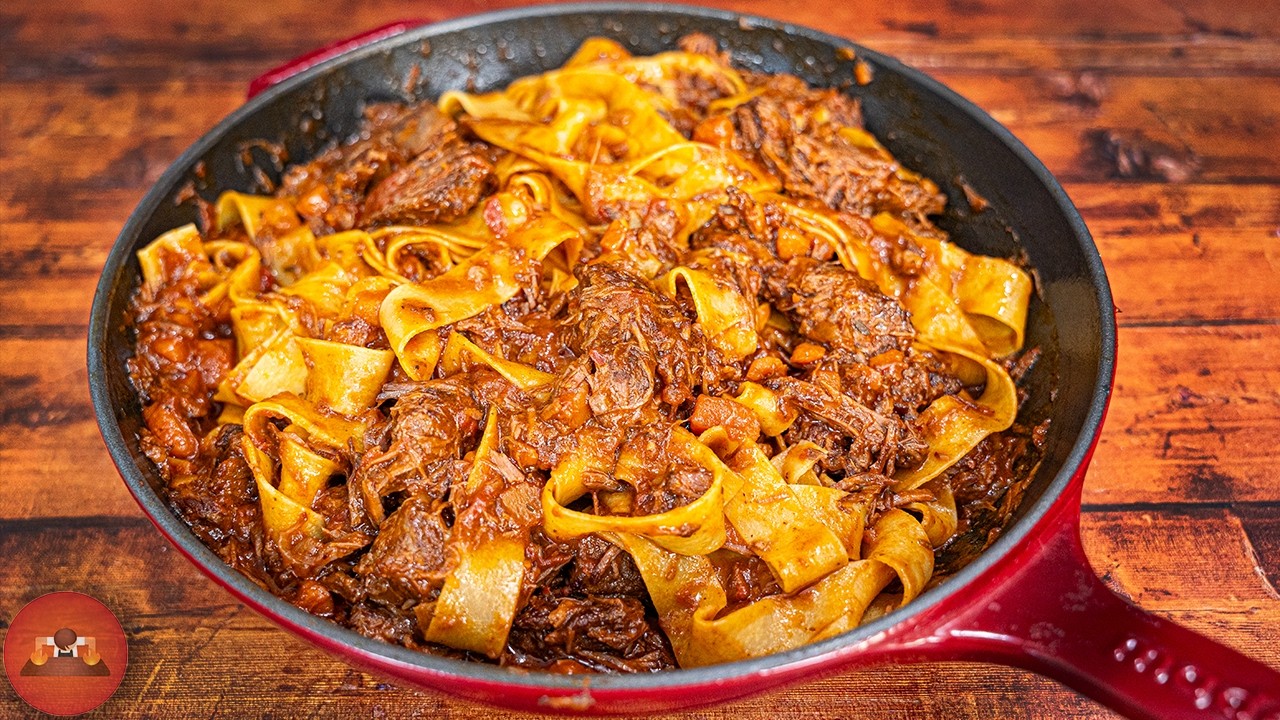
Beef Ragu Recipe: Imagine a rich, hearty sauce clinging to a bed of pasta, filled with tender chunks of slow-cooked beef, aromatic herbs, and a savory tomato base. That’s beef ragu—an Italian classic that warms the soul and fills the belly. Beef ragu is not your average meat sauce. It’s the kind of dish that transforms a simple dinner into a cozy family feast. Unlike a quick meat sauce made with ground beef, a traditional ragu is simmered for hours with large beef chunks, allowing the flavors to develop deeply and the meat to become fall-apart tender.
It’s not just a meal—it’s a labor of love.
What sets beef ragu apart is its texture and depth. The slow-cooked beef breaks down into shreds, blending into the thick, tomato-based sauce. Add in a splash of red wine, a few herbs like rosemary or thyme, maybe some garlic and onions, and you’ve got a savory masterpiece. It’s not just for pasta either—this sauce works beautifully over creamy polenta, mashed potatoes, or even in a lasagna.
Whether you’re feeding a crowd or meal-prepping for the week, beef ragu is versatile, filling, and incredibly rewarding to make.
Origin and Popularity of Beef Ragu
The roots of beef ragu trace back to Italy, particularly in the regions of Bologna and Naples. Italians have been simmering rich meat sauces for centuries, and while there are many regional versions, the idea is always the same: slow-cooked meat in a flavorful sauce, perfect for spooning over carbs.
The name “ragu” comes from the French word “ragout,” which means a slow-cooked stew. Italian immigrants brought this technique to the U.S., where it evolved into the beloved Italian-American dishes we know today.
In modern times, beef ragu has become a staple in many homes and restaurants around the world. Whether it’s served in a Michelin-starred Italian eatery or your grandma’s kitchen, one thing’s for sure—it’s comfort food at its finest.
Ingredients Needed for Beef Ragu
Core Ingredients
You don’t need a laundry list of ingredients to make an authentic beef ragu, but the quality and preparation of each component matter. Here’s what you’ll need:
- Beef chuck roast or stewing beef (2–3 lbs): Choose well-marbled meat for the most tender and flavorful result.
- Olive oil (2–3 tbsp): For browning the beef and sautéing the veggies.
- Onion (1 large, finely chopped): Adds a sweet and aromatic base.
- Carrots (2 medium, finely chopped): Brings natural sweetness and depth.
- Celery (2 stalks, finely chopped): Classic in many Italian sauces.
- Garlic (4 cloves, minced): Essential for that aromatic punch.
- Tomato paste (2 tbsp): Intensifies the tomato flavor.
- Crushed tomatoes (28 oz can): The foundation of the sauce.
- Red wine (1 cup): Adds richness and depth.
- Beef broth (1 cup): Enhances the beefy flavor.
- Fresh rosemary and thyme (1 sprig each): Adds earthy herbiness.
- Salt and pepper (to taste): For seasoning throughout.
- Bay leaf (1): Infuses subtle background flavor.
These ingredients work together to create a symphony of flavor that only gets better as it cooks.
Optional Add-ins for More Flavor
Feel like jazzing things up? These optional ingredients can take your beef ragu to the next level:
- Parmesan rind: Simmer it in the sauce for an umami boost.
- Chili flakes: Add a touch of heat if you like it spicy.
- Balsamic vinegar (1 tsp): For a tangy, sweet finish.
- Fresh basil or parsley: Chop and sprinkle on top before serving for freshness.
- Mushrooms: Sauté and add in for earthy depth.
These aren’t required, but if you have them, use them—they can elevate your ragu from great to unforgettable.
Tools and Equipment You’ll Need
Kitchen Essentials
Before you dive into cooking, gather your tools. Having the right equipment makes the process smoother and more enjoyable:
- Large Dutch oven or heavy-bottomed pot: This is ideal for even heat distribution during long cooking times.
- Sharp knife and cutting board: For prepping your aromatics and beef.
- Wooden spoon or spatula: Great for stirring and scraping the bottom of the pot.
- Measuring cups and spoons: Accuracy matters, especially for liquids and seasonings.
- Tongs: To easily flip and move meat while browning.
- Ladle: For serving that beautiful, rich sauce.
Recommended Cooking Tools
While not essential, these tools can make life easier:
- Slow cooker or Instant Pot: For a hands-off cooking experience.
- Food processor: Speeds up the veggie chopping process.
- Spider strainer: Useful for removing herbs or bones if you add a parmesan rind.
- Serving tongs and pasta forks: If you’re going the pasta route, these will help with plating.
Step-by-Step Guide to Making Beef Ragu
Step 1: Preparing the Ingredients
Start with mise en place—fancy French for “everything in its place.” Trust me, this step makes everything easier.
- Chop your vegetables finely: The onion, carrots, and celery should be uniform in size so they cook evenly and blend smoothly into the sauce.
- Cut your beef into large chunks: About 2-inch cubes. Not too small—you want them to hold their shape through the long simmer.
- Measure out your liquids and seasonings: Red wine, broth, herbs—all should be ready to go once you start cooking.
If you’re using optional ingredients like mushrooms or chili flakes, prep those too. This dish rewards patience and prep.
Step 2: Browning the Beef
This is where the magic starts. Browning the beef is a critical step that builds the foundation of deep, rich flavor in your ragu. It’s not just about cooking the meat—it’s about caramelizing the exterior to develop that golden-brown crust we all love.
Start by heating olive oil in a large Dutch oven or heavy-bottomed pot over medium-high heat. Once the oil shimmers, add your beef chunks in batches. Don’t overcrowd the pot—this will cause the meat to steam instead of sear. Each piece should have a bit of space. Let it sit untouched for a few minutes to develop that dark, golden crust before flipping.
What you’re aiming for is the Maillard reaction—a fancy name for the browning that creates deep flavor complexity. Once each piece is nicely browned on all sides, remove them from the pot and set aside. Don’t worry about them being cooked through yet. That happens later during the slow simmering process.
After all the meat is seared, you’ll notice some brown bits stuck to the bottom of your pot. That’s flavor gold. Don’t toss it—those bits (called fond) will be deglazed in the next step to enrich the sauce. This browning stage might seem simple, but it’s one of the most essential parts of the entire process. Skip it, and you miss out on the depth that makes ragu unforgettable.
Step 3: Building the Flavor Base
With the beef set aside, it’s time to focus on the flavor base—a mix of aromatics, veggies, and concentrated tomato goodness that sets the tone for your ragu.
Lower the heat to medium, then add a bit more olive oil if your pot looks dry. Toss in the chopped onions, carrots, and celery. This trio, known in Italian cooking as a soffritto, is like the holy trinity of flavor. Cook these down slowly for about 8–10 minutes, stirring occasionally, until they’re soft, sweet, and starting to caramelize.
Now comes the garlic. Add it in and stir for about 30 seconds—just long enough for it to release its aroma without burning. Then, stir in your tomato paste. Let it cook for 2–3 minutes to develop a deeper, almost smoky flavor. You’ll notice it darkens in color—that’s exactly what you want.
Now it’s time to deglaze. Pour in the red wine and use a wooden spoon to scrape up those beautiful browned bits from the bottom of the pot. These bits dissolve into the wine and create the backbone of your sauce.
Add your crushed tomatoes, beef broth, fresh herbs (like rosemary, thyme, and a bay leaf), and a generous pinch of salt and pepper. Return the browned beef to the pot and stir everything together.
This base is already bursting with potential. Once it simmers, everything will meld into a luxurious, thick sauce packed with layered flavors.
Step 4: Simmering to Perfection
Simmering is where your patience gets rewarded. This isn’t a quick 30-minute meal. Beef ragu needs time—at least 2 to 3 hours—to truly come to life.
Bring your pot to a gentle boil, then immediately reduce the heat to low. Cover it partially with a lid and let it bubble away gently. Stir every 30–45 minutes to ensure nothing sticks to the bottom and the flavors distribute evenly. If the sauce looks too thick at any point, just add a splash of water or broth.
As the hours pass, something magical happens. The beef slowly breaks down, becoming so tender you could shred it with a spoon. The tomatoes lose their acidity and meld with the beef juices, wine, and herbs to form a sauce that’s rich, silky, and mouthwateringly savory.
Taste your sauce about halfway through the cooking time and adjust the seasoning. Maybe it needs a bit more salt, a pinch of pepper, or a dash of balsamic vinegar to brighten it up.
Don’t rush this stage. The longer it simmers, the better it tastes. If you’re short on time, consider using a slow cooker or pressure cooker to speed things up. But if you can, let it go low and slow. It’s worth every second.
Step 5: Serving Suggestions
Now that your beef ragu is a thick, rich masterpiece, it’s time to serve it. But with what? The options are as delicious as the sauce itself.
Classic Pasta Pairing: The go-to is pappardelle—wide, flat noodles that catch all the meaty bits. But don’t stop there. Tagliatelle, rigatoni, and fettuccine all work beautifully. Just cook your pasta al dente and toss it directly into the sauce, letting it soak up that incredible flavor for a minute before plating.
Polenta Perfection: For a rustic twist, spoon your beef ragu over creamy polenta. The contrast of the soft, buttery cornmeal with the rich, bold meat sauce is absolutely divine.
Potato Base: Mashed potatoes or roasted baby potatoes also work as a hearty base, especially in colder months when you’re craving something ultra-comforting.
Bread It Up: Don’t underestimate the power of a crusty bread side. It’s perfect for mopping up every last bit of sauce from your plate.
Finish with a sprinkle of grated Parmesan, a drizzle of good olive oil, and a few fresh herbs. Serve with a glass of red wine (like Chianti or Cabernet Sauvignon) and you’ve got yourself a meal that could rival any Italian trattoria.
Tips and Tricks for the Best Beef Ragu
Cooking Tips for Extra Flavor
Want to take your beef ragu from good to unforgettable? These expert tips will help you dial up the flavor and create a dish that’s worth every single bite.
1. Sear, Don’t Steam: When browning your beef, make sure the pot is hot and the pieces aren’t overcrowded. This ensures the meat sears instead of steaming, giving it a flavorful crust that enhances the entire dish.
2. Use Quality Ingredients: Since this is a slow-cooked dish, the flavors intensify over time. Start with the best ingredients you can find—high-quality beef, a good red wine (nothing too fancy, just drinkable), and San Marzano or fire-roasted tomatoes if possible.
3. Let the Wine Cook Down: After deglazing with wine, let it reduce for a few minutes before adding your tomatoes. This step concentrates the wine’s flavor and removes any harsh alcohol edge.
4. Add a Parmesan Rind: This is an old Italian trick that infuses your sauce with deep, nutty umami. Just drop a chunk of rind into the pot as it simmers and remove it before serving.
5. Cook It Low and Slow: Rushing ragu is a big no-no. It’s a dish that rewards patience. Letting it simmer for 2 to 3 hours is ideal—long enough for the beef to become tender and the flavors to meld into something magical.
6. Finish with Freshness: Before serving, stir in a small knob of butter and a handful of chopped fresh herbs like parsley or basil. It adds richness and brightness to contrast the long-cooked depth of the sauce.
Common Mistakes to Avoid
Even the best cooks can make a misstep when preparing beef ragu. Here’s how to dodge the most common mistakes:
1. Skipping the Browning Step: This is where a huge portion of your flavor comes from. If you skip it, your ragu will lack depth and complexity.
2. Adding Too Much Liquid: Ragu should be rich and thick—not watery. If you add too much broth or tomatoes, you’ll end up with soup instead of sauce. Keep it balanced and reduce uncovered if it gets too thin.
3. Not Cooking Long Enough: Undercooking is a major mistake. The beef needs time to break down and the sauce needs time to concentrate. Give it at least 2 hours, more if possible.
4. Using Lean Cuts of Meat: Stick to cuts with some fat and connective tissue like chuck roast. These cuts become incredibly tender and flavorful after slow cooking, while lean cuts can turn dry and chewy.
5. Overseasoning Early On: Be cautious with salt at the beginning—flavors concentrate as the sauce reduces. Taste toward the end and adjust your seasoning then.
Avoid these errors, and you’ll set yourself up for beef ragu success every time.
Storing and Reheating Beef Ragu
Proper Storage Methods
Beef ragu is one of those dishes that gets better the next day, making it ideal for meal prep or leftovers. Here’s how to store it the right way:
1. Cool It Down: Let your ragu come to room temperature before storing. This helps maintain its texture and prevents condensation inside the container, which can water down the sauce.
2. Use Airtight Containers: Store your ragu in airtight glass or BPA-free plastic containers. This keeps the sauce fresh and prevents it from absorbing other odors in the fridge.
3. Refrigeration Timeframe: You can keep beef ragu in the fridge for up to 4–5 days. Be sure to label your container with the date so you don’t lose track.
Best Reheating Practices
When you’re ready to enjoy your ragu again, you want it just as delicious as the day you made it. Here’s how:
1. Stovetop Reheat: The best method. Place the ragu in a saucepan over low heat, stirring occasionally until it’s heated through. If the sauce has thickened too much, add a splash of water or broth to loosen it up.
2. Microwave Option: Place a portion in a microwave-safe bowl, cover with a lid or plate (to avoid splatter), and microwave on medium heat for 2–3 minutes, stirring halfway through.
3. Avoid Overheating: Especially in the microwave—this can cause the meat to dry out. Gentle, slow reheating preserves the tenderness and flavor.
4. Freeze for Later: Want to save some for a rainy day? Beef ragu freezes beautifully. Spoon it into freezer-safe containers or resealable bags, remove the air, and freeze for up to 3 months. Thaw in the fridge overnight before reheating.
Variations of Beef Ragu
Slow Cooker Beef Ragu
Don’t want to be tied to the stove for hours? The slow cooker is your best friend. Here’s how to adapt the recipe:
- Brown the Beef First: Even though you’re using a slow cooker, still brown your meat in a skillet. It’s worth the effort.
- Sauté Aromatics Separately: Sauté your onions, garlic, carrots, and celery before adding them to the slow cooker to build flavor.
- Combine Everything: Add all ingredients to the slow cooker, including the seared beef, tomatoes, wine, broth, and herbs.
- Set and Forget: Cook on low for 8 hours or high for 4–5 hours. Once done, shred the beef and stir it back into the sauce.
This method gives you all the flavor with minimal babysitting—a total win for busy weekdays.
Spicy or Mild Options
One of the best parts about making beef ragu at home is the ability to tweak it to your taste:
- Want It Spicy? Add crushed red pepper flakes, diced chili peppers, or even a spoonful of Calabrian chili paste during the sautéing process.
- Prefer It Mild? Skip the spice entirely and focus on herbs like oregano, rosemary, and thyme for depth without heat.
You can also experiment with other add-ins like mushrooms, pancetta, or olives for extra flavor layers. There’s no wrong way—just your way.
What to Serve with Beef Ragu
Perfect Pasta Pairings
Pairing beef ragu with the right pasta is like choosing the perfect partner for a dance—it makes all the difference. Since beef ragu is hearty and thick, you’ll want pasta that can hold up to its richness. Here are the best pasta types to complement your sauce:
- Pappardelle: These wide, flat ribbons are the classic choice. Their broad surface area grips onto the meat sauce, making every bite satisfying.
- Tagliatelle: Slightly narrower than pappardelle but equally effective, tagliatelle is another favorite in traditional Italian homes.
- Rigatoni: These large, ridged tubes trap the chunky bits of beef ragu inside, creating bursts of flavor in every forkful.
- Fettuccine: A versatile option that pairs well with meat sauces due to its thickness and texture.
- Gnocchi: For a pillowy soft and slightly chewy base, gnocchi offers a unique pairing with the rich, slow-cooked ragu.
Pro Tip: Always toss the pasta in the sauce before serving rather than spooning the ragu on top. This allows the pasta to absorb some of the sauce and gives you a better, more cohesive dish.
Sides and Garnishes
Don’t stop at pasta—round out your meal with some fantastic sides and toppings to elevate your beef ragu feast:
- Garlic Bread or Crusty Italian Bread: For mopping up the sauce. You don’t want to waste a single drop.
- Simple Green Salad: A fresh, lightly dressed salad can balance out the richness of the ragu.
- Roasted Vegetables: Think asparagus, zucchini, or Brussels sprouts. Their earthy flavors pair nicely with the boldness of the ragu.
- Red Wine Pairing: A full-bodied red like Chianti, Barolo, or Cabernet Sauvignon complements the dish perfectly.
- Grated Parmesan or Pecorino: A generous sprinkle of sharp cheese on top ties everything together.
With the right accompaniments, your beef ragu meal becomes more than just dinner—it’s a full-on Italian experience.
FAQs about Beef Ragu Recipe
1. Can I use a different meat instead of beef?
Absolutely! While beef is traditional, you can substitute with lamb, pork shoulder, or even ground meat blends. Just remember to adjust the cooking time based on the cut and fat content.
2. How long can I store beef ragu?
Beef ragu stays fresh in the refrigerator for up to 4–5 days when stored in an airtight container. You can also freeze it for up to 3 months.
3. Can I freeze beef ragu?
Yes! It freezes very well. Let it cool completely, portion it into freezer-safe bags or containers, and freeze. Thaw in the fridge overnight before reheating.
4. What wine goes best with beef ragu?
A bold red wine like Chianti, Merlot, Barolo, or Cabernet Sauvignon works wonderfully. Use a bit for cooking and save the rest to sip with your meal.
5. Is beef ragu gluten-free?
The sauce itself is naturally gluten-free. Just be sure to pair it with gluten-free pasta or polenta if you’re avoiding gluten.
Conclusion
Beef ragu is not just a recipe—it’s an experience. From the aroma that fills your kitchen as it simmers low and slow, to that first soul-warming bite, every part of this dish screams comfort, flavor, and love. Whether you’re serving it over wide pappardelle or creamy polenta, it’s the kind of food that brings people together and lingers in memories.
The beauty of beef ragu lies in its simplicity and its ability to transform humble ingredients into something extraordinary. With the right ingredients, a little patience, and this step-by-step guide, you can master this Italian classic right in your own kitchen.
It’s a dish that gets better with time, both in flavor and experience. So, next time you’re craving something hearty, skip the takeout and let your stove do the magic.