Beef Nilaga Recipe: Beef Nilaga is the ultimate comfort food in Filipino households. It’s hearty, nourishing, and incredibly easy to prepare.
In this article, you’ll discover the exact steps to make this classic dish at home, with a detailed list of ingredients, expert cooking tips, and flavorful variations.
Whether you’re a beginner in the kitchen or a seasoned cook looking to perfect your technique, this step-by-step guide has everything you need.
What is Beef Nilaga?
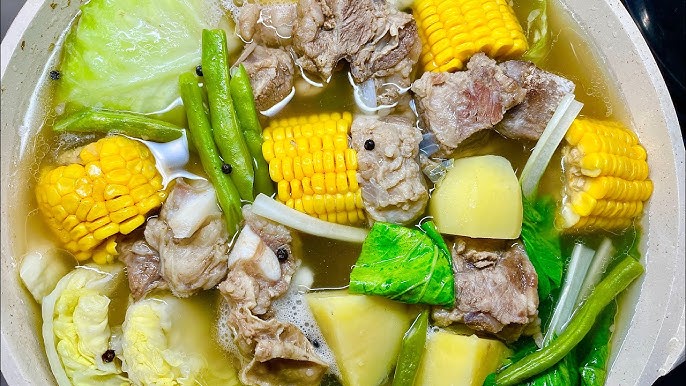
Beef Nilaga, also known as “Nilagang Baka” in Tagalog, is a traditional Filipino boiled beef soup. The word “nilaga” means “boiled,” and the name fits perfectly—it’s a simple dish where beef is slow-cooked in water along with vegetables like potatoes, cabbage, and green beans. The result? A light but flavorful broth and tender meat that melts in your mouth.
This dish reflects the heart of Filipino home cooking: uncomplicated ingredients, slow cooking, and warm, comforting flavors. It’s not spicy or fried—just a clean, savory broth perfect for family lunches, especially on rainy days. Think of it as the Filipino version of a beef stew, but lighter and more broth-forward.
Why Beef Nilaga is a Filipino Favorite
Beef Nilaga has been a go-to dish in Filipino households for generations. But why is it so loved?
- It’s Comfort in a Bowl: The hot, savory broth warms you up instantly, making it perfect for cold weather or when you’re feeling under the weather.
- Nutritious and Hearty: Packed with vegetables and slow-cooked beef, it’s both filling and good for your body.
- Customizable: You can add more vegetables, use different cuts of beef, or even throw in corn or saba bananas for sweetness.
- Budget-Friendly: With simple ingredients, it’s easy to prepare on a budget without sacrificing taste.
- Cultural Significance: For many Filipinos, it brings memories of family lunches and Sunday gatherings.
In short, Beef Nilaga is a staple not just for its flavor, but for the sense of home it brings.
Nutritional Benefits of Beef Nilaga
You’ll be glad to know that Beef Nilaga isn’t just tasty—it’s also packed with nutrients. Here’s why:
- High in Protein: Thanks to the beef, this dish supports muscle growth and repair.
- Rich in Vitamins: Vegetables like cabbage and potatoes bring in fiber, vitamin C, and potassium.
- Low in Fat (when trimmed): If you choose lean beef and skim the fat, it’s a healthy soup option.
- Bone Health Support: When you use bone-in beef shank, the slow simmering process draws out collagen and minerals beneficial for joints and bones.
- Hydrating: The broth helps with hydration, especially during recovery from illness.
List of Ingredients You’ll Need
Before diving into the steps, let’s round up everything you need to make a classic Beef Nilaga.
Choosing the Best Cut of Beef
For the most flavorful and tender result, choose one or a mix of the following:
- Beef shank (with bone) – ideal for its rich flavor and marrow
- Beef brisket – slightly fatty and flavorful
- Beef chuck – a balance of tenderness and chewiness
Aim for about 2 to 3 pounds of beef total.
Fresh Vegetables for Authentic Taste
Here’s what you’ll need:
- 3 medium potatoes, peeled and quartered
- 1 bunch of pechay or cabbage, chopped into large chunks
- 1 medium carrot, peeled and sliced
- 1 cup green beans, ends trimmed
- 1 corn on the cob, sliced into 2-3 inch pieces (optional)
- 1 saba banana, sliced thick (optional, for added sweetness)
Essential Seasonings and Condiments
Don’t skip these essentials:
- 1 large onion, quartered
- 5 cloves garlic, crushed
- 1 tablespoon whole peppercorns
- 2 tablespoons fish sauce (patis) – or salt to taste
- Water – around 10 cups or enough to submerge everything
- Optional: beef bouillon cube – for added flavor
Tools and Equipment Needed
You don’t need fancy kitchen gadgets to cook Beef Nilaga. Just gather the following:
- Large soup pot or Dutch oven
- Knife and chopping board
- Skimmer or ladle – to remove scum and excess fat
- Measuring cups and spoons
- Serving bowls and ladle
Tip: A pressure cooker can speed up the cooking process, especially for tough beef cuts.
Preparation Before Cooking
Properly Slicing the Beef
Cut the beef into large chunks, about 2 to 3 inches each. If you’re using bone-in beef, leave it whole to draw out maximum flavor from the marrow. Trim off large fat portions but leave a little for flavor.
Washing and Chopping the Vegetables
- Wash all veggies under cold water.
- Peel and cut potatoes and carrots into large chunks.
- Trim green beans and cut cabbage or pechay into wide pieces.
- Slice the corn and saba bananas (if using).
- Keep each vegetable in separate bowls for easy access later during cooking.
Now that everything is prepped, it’s time to cook!
Step-by-Step Cooking Instructions
Step 1: Boil the Beef
In your large pot, place the beef and cover with water. Bring it to a boil over high heat. This is where the broth begins forming.
Step 2: Skim the Scum
Once it boils, you’ll notice scum or foam forming on top. Skim it off using a ladle or spoon. This helps create a clear, clean-tasting broth.
Step 3: Add Onion and Peppercorns
Add the onion, garlic, and whole peppercorns to the pot. Reduce heat to medium-low and let it simmer.
Step 4: Simmer to Tenderize
Let the beef simmer for 1.5 to 2 hours (or until fork-tender). You can use a pressure cooker to cut the time down to 30–40 minutes.
Step 5: Add the Vegetables in Order
Timing is key! Add in this order:
- Potatoes and carrots – simmer for 10 minutes.
- Green beans – simmer for 5 minutes.
- Cabbage or pechay – simmer for 3–5 minutes, until soft but not mushy.
- Corn or banana – add with the potatoes if using.
Step 6: Season to Taste
Add fish sauce, salt, or a beef cube to enhance the flavor. Taste and adjust until the broth hits that savory balance.
Tips for Perfect Beef Nilaga
Want to take your Beef Nilaga from good to unforgettable? Here are some tips that seasoned cooks swear by:
- Use Bone-In Beef: Cuts like shank or short ribs with bone provide deeper flavor thanks to the marrow. That’s where the richness comes from!
- Low and Slow: Patience pays off. Let the beef simmer slowly to achieve that melt-in-your-mouth tenderness.
- Skim Frequently: Don’t forget to skim the scum and excess oil for a cleaner broth. It’s the secret to a clear and light soup.
- Layer Your Flavors: Add your vegetables at the right time. Overcooked veggies make the dish mushy, while undercooked ones won’t absorb the broth flavor.
- Taste as You Go: Don’t rely solely on measurements. Every batch of meat and veggies is different—season based on what your taste buds tell you.
- Use Cold Water to Start: Starting with cold water and gradually bringing it to a boil helps draw more flavor from the beef and bones.
Think of Beef Nilaga like painting—every layer you add builds depth. Stick to the process, and you’ll end up with a comforting, flavorful masterpiece.
Variations You Can Try
Love the classic but want to spice things up? Here are a few tasty twists to try:
Beef Nilaga with Corn
Adding fresh corn on the cob slices infuses a gentle sweetness into the broth. It balances the savory beef and adds a chewy texture that’s super satisfying.
- Add corn early—right after the beef becomes tender.
- Try combining it with saba bananas for a sweet-savory flavor combo.
Spicy Beef Nilaga
Missing a little heat? You can spice things up without losing the traditional vibe.
- Add 1–2 chopped siling haba (long green chili) during the last 10 minutes of cooking.
- Or toss in a bit of chili oil just before serving.
- If you’re into bold flavors, a few dashes of calamansi juice and soy sauce on the side complement the spice beautifully.
Don’t be afraid to experiment! Nilaga is flexible and forgiving—perfect for personalization.
Common Mistakes to Avoid
Even simple dishes can go sideways if you’re not careful. Avoid these common Beef Nilaga mistakes:
- Using Too Much Water: If you drown the beef, your broth will be watery and bland. Just cover the meat and add more water as needed while simmering.
- Adding Veggies Too Early: Overcooked vegetables lose flavor and texture. Stick to the order and timing in the step-by-step guide.
- Under-seasoning the Broth: Nilaga needs just the right balance of salt and umami. Don’t be shy with fish sauce or seasoning—but always taste first.
- Using the Wrong Cut of Beef: Lean beef dries out. Go for cuts with connective tissue and a bit of fat for the best results.
- Skipping the Skimming Step: This results in a cloudy, greasy soup. Always skim off the foam and oil!
Cooking is part science, part art. These tips help ensure your Beef Nilaga turns out consistently delicious every time.
What to Serve with Beef Nilaga
Pairing is everything. Here are some perfect matches to complete your Beef Nilaga meal:
- Steamed White Rice – The classic combo! The broth soaks into the rice, making every bite satisfying.
- Patis + Calamansi Dip – Mix fish sauce with calamansi juice and a bit of chili for dipping beef chunks.
- Fried Garlic Rice – For extra flavor, serve with garlicky sinangag (fried rice).
- Saging na Saba (boiled plantain) – Serve on the side or in the soup for added sweetness.
- Fresh Pineapple Slices – Acts as a great palate cleanser after a warm, hearty bowl.
Nilaga is comfort food at its finest—and these sides make it even more comforting.
How to Store and Reheat Leftovers
Made too much? No problem! Nilaga stores well and even tastes better the next day.
Storage Tips:
- Cool the soup completely before refrigerating.
- Store in an airtight container for up to 3-4 days.
- Freeze for longer storage—up to 2 months—in freezer-safe containers.
Reheating Tips:
- Reheat gently on the stovetop over low heat until fully warmed.
- Add a splash of water or broth to loosen it if the soup thickened in the fridge.
- Avoid microwaving in plastic—use glass or ceramic instead.
Pro tip: Store the veggies and broth separately, if possible. This helps prevent them from getting too mushy when reheated.
FAQs about Beef Nilaga Recipe
1. Can I use pork instead of beef in Nilaga?
Yes! While beef is traditional, Nilagang Baboy (Pork Nilaga) is also a common variation. Use pork ribs or belly and follow the same steps.
2. Can I make Beef Nilaga in a pressure cooker?
Absolutely. A pressure cooker can reduce cooking time from 2 hours to about 30–40 minutes. Just be sure to add vegetables only after depressurizing.
3. Is it okay to skip fish sauce?
Yes, but the flavor will be slightly different. You can substitute with salt or soy sauce. For deeper umami, add a beef bouillon cube or mushroom powder.
4. How can I make my Nilaga broth clearer?
- Start with cold water.
- Always skim the scum.
- Avoid stirring the pot too much early in the cooking process.
- Strain the broth if needed before adding veggies.
5. Can I add noodles to Beef Nilaga?
Traditionally, no—but you can add egg noodles or sotanghon (glass noodles) for a unique twist. Add them last so they don’t overcook.
Conclusion
There’s a reason Beef Nilaga is loved across the Philippines—it’s simple, soul-warming, and packed with nostalgic flavor. With just a few basic ingredients and a little patience, you can create a meal that brings comfort and joy to your table. Whether you follow the traditional route or try one of the exciting variations, Beef Nilaga is always a winning dish.
So next time you’re craving something hearty yet healthy, give this recipe a try. Trust us—your family will ask for seconds!