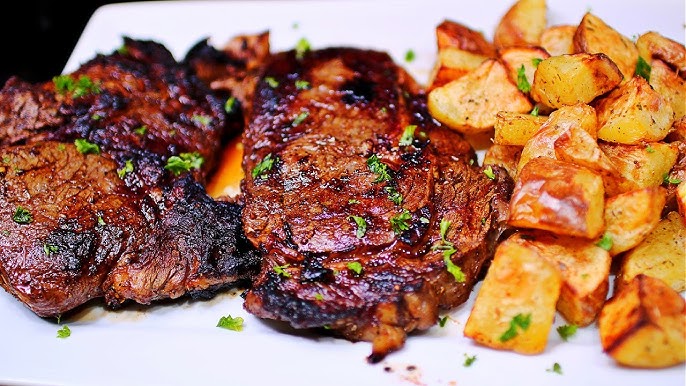
Beef Marinade Recipe: A great beef marinade is like a backstage crew at a concert. You don’t always see it, but without it? The performance falls flat.
If you’ve ever grilled steak that tasted “just okay” or cooked beef that felt slightly tough, chances are it needed a proper marinade. The right combination of acid, oil, salt, herbs, and spices can completely transform ordinary beef into something juicy, tender, and unforgettable.
Today, we’re diving deep. This is not just a quick recipe. This is your complete, professional guide to mastering beef marinades like a pro.
Why You Should Always Marinate Beef
Flavor Enhancement
Beef is already rich and savory. But marinating? That’s like upgrading from regular speakers to surround sound. The marinade seeps into the outer layers, building complexity and depth.
Tenderizing Power
Certain cuts can be tough. Acid (like vinegar or lemon juice) gently breaks down muscle fibers, making the beef softer without turning it mushy.
Moisture Retention
Oil in the marinade locks in juices during cooking. Less dryness. More satisfaction.
The Science Behind a Perfect Beef Marinade
A professional marinade follows a simple formula:
Acid Component
Examples:
- Lemon juice
- Vinegar
- Worcestershire sauce
- Soy sauce
Acid breaks down tough fibers and enhances flavor penetration.
Oil Component
Examples:
- Olive oil
- Vegetable oil
- Avocado oil
Oil helps distribute flavor and keeps beef juicy during cooking.
Salt Component
Salt penetrates deeply and enhances natural beef flavor.
Aromatics & Herbs
Garlic, onions, thyme, rosemary, paprika, black pepper — these create signature flavor.
Sweetness Balance
A small amount of honey or brown sugar balances acidity and promotes caramelization.
Ingredients You’ll Need
Core Marinade Ingredients
- ½ cup olive oil
- ¼ cup soy sauce
- 2 tablespoons Worcestershire sauce
- 2 tablespoons lemon juice
- 3 cloves garlic (minced)
- 1 tablespoon brown sugar
- 1 teaspoon black pepper
- 1 teaspoon paprika
- 1 teaspoon dried thyme
- ½ teaspoon red pepper flakes (optional)
Optional Flavor Boosters
- Dijon mustard
- Fresh rosemary
- Balsamic vinegar
- Chili powder
- Fresh ginger
Step-by-Step Guide to Making the Perfect Beef Marinade
Step 1 – Choose the Right Cut
Start by selecting the right cut of beef. Tougher cuts like flank steak, skirt steak, flap meat, or chuck benefit most from marinades because they absorb flavor and become more tender. Lean tender cuts like filet mignon need minimal marinating time.
Step 2 – Prepare the Marinade Base
A balanced marinade has three key components: oil, acid, and seasoning. Combine olive oil (for moisture), an acid such as lemon juice, vinegar, or soy sauce (for tenderizing), and a pinch of salt. The oil helps carry flavors into the meat while the acid gently breaks down fibers.
Step 3 – Add Aromatics & Spices
Enhance flavor with minced garlic, chopped onions, fresh herbs (like rosemary or thyme), black pepper, paprika, or chili flakes. You can also add a touch of honey or brown sugar to balance acidity and help caramelization during cooking.
Step 4 – Whisk Properly
Whisk all ingredients together until fully combined. The mixture should look smooth and well blended, not separated. Proper mixing ensures even flavor distribution.
Step 5 – Combine with Beef
Place the beef in a resealable bag or shallow dish. Pour the marinade over it, ensuring all sides are coated evenly. Seal tightly and refrigerate. Turn occasionally for even absorption.
Step 6 – Marinating Time Guide
Marinate thin cuts for 1–4 hours. Thicker or tougher cuts can marinate for 6–12 hours. Avoid marinating longer than 24 hours, as too much acid can negatively affect texture.
Step 7 – Cooking for Maximum Flavor
Remove the beef from the marinade and pat lightly dry before cooking. Grill, sear, or roast over high heat to develop a flavorful crust. Let the meat rest before slicing for the juiciest results.
Best Cuts of Beef for Marinating
Flank and skirt steak absorb marinades beautifully. Ribeye needs less time due to natural tenderness. Chuck benefits from long marination before grilling or braising.
How Long to Marinate Beef
Too short? Weak flavor.
Too long? Texture suffers.
Sweet spot: 4–8 hours for most steaks.
Grilling vs Pan-Searing vs Oven
Grilling
High heat. Smoky flavor. Ideal for steaks.
Pan-Searing
Best crust formation. Great for indoor cooking.
Oven
Even cooking. Good for thicker cuts.
Common Mistakes to Avoid
- Using too much acid
- Marinating in metal containers
- Skipping refrigeration
- Over-marinating
- Reusing raw marinade without boiling
Storage and Make-Ahead Tips
Marinade can be stored (without beef) in refrigerator for 5 days.
You can freeze beef in marinade for up to 3 months.
Flavor Variations
Asian-Inspired
Add sesame oil, ginger, and hoisin.
Spicy Kick
Add cayenne and chili paste.
Herb-Forward
Use fresh rosemary and oregano.
Smoky BBQ
Add smoked paprika and liquid smoke.
FAQs about Beef Marinade Recipe
1. Can I marinate beef overnight?
Yes, you can marinate beef overnight. In fact, tougher cuts benefit from longer marinating times because it allows the flavors to fully penetrate the meat. However, avoid exceeding 24 hours, especially if your marinade contains strong acids like vinegar or lemon juice, as this can negatively affect texture.
2. Can I cook beef directly from marinade?
Before cooking, remove the beef from the marinade and let any excess drip off. Pat it lightly dry with paper towels. Too much marinade on the surface can prevent proper browning and may cause steaming instead of searing.
3. Can I reuse marinade?
Raw marinade that has been in contact with uncooked beef should not be reused unless it is boiled for at least 5 minutes. Boiling kills harmful bacteria and makes it safe to use as a sauce.
4. Is marinating necessary for tender cuts?
Marinating is not required for naturally tender cuts like tenderloin or ribeye. However, it can still enhance flavor and add extra depth, even if it doesn’t significantly improve tenderness.
5. Can I freeze beef in marinade?
Yes, freezing beef in marinade is a great option. As the meat thaws, it continues to absorb the flavors, resulting in deeper seasoning. Always thaw safely in the refrigerator before cooking.
Conclusion
A proper beef marinade is not complicated. It’s balanced chemistry. Acid for tenderness. Oil for moisture. Salt for depth. Aromatics for personality.
Once you understand the formula, you’re no longer following recipes — you’re creating them.
Master this once, and every steak, stir-fry, or grilled beef dish becomes restaurant-level.