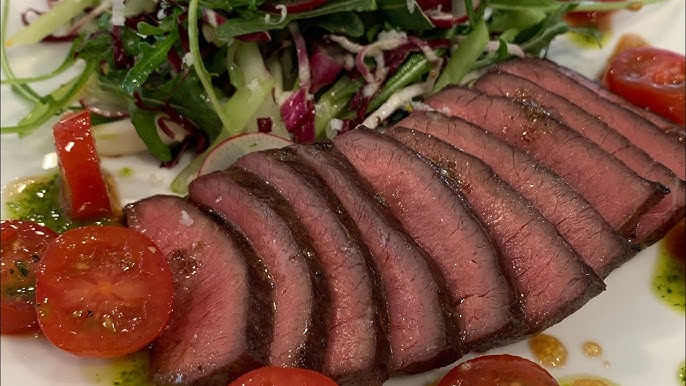
Beef Heart Recipe: Ever stared at the beef heart at the butcher shop and thought, “What do I even do with that?” You’re not alone. The beef heart might not be the most common ingredient in modern kitchens, but it’s making a serious comeback—and for good reason. Cooking beef heart isn’t just about trying something new; it’s about exploring flavors, textures, and nutrition that most cuts of meat can’t offer.
Organ meats, often referred to as “offal,” are nutrient-dense and rich in flavor. The beef heart, in particular, is tender yet firm, rich without being gamey, and surprisingly versatile. Whether you’re into grilling, pan-frying, or even slow-cooking, beef heart can adapt beautifully to various cooking styles.
Plus, eating beef heart is a smart move for anyone looking to eat nose-to-tail. It’s budget-friendly, environmentally conscious, and insanely nutritious. So, if you’re curious to try something that your ancestors probably considered a delicacy, this step-by-step guide will walk you through everything you need to know—from prep to plate.
Let’s jump in and give this underrated cut the love it deserves.
What is Beef Heart?
Beef heart is exactly what it sounds like—the heart of a cow. But don’t let that scare you off. It’s not as intimidating as it might appear. In fact, beef heart is classified as a muscle meat, much like sirloin or brisket, rather than a traditional organ like liver or kidney. That means it has a dense, meaty texture without the overly strong flavor some other organ meats can have.
Nutritionally, beef heart is a powerhouse. It’s loaded with essential vitamins like B12, B6, and riboflavin, plus it’s one of the richest natural sources of Coenzyme Q10 (CoQ10), a compound that supports heart health and energy production. It’s high in protein, low in fat (especially when trimmed), and incredibly filling.
Still, many people shy away from it because of outdated misconceptions. Some believe it’s “tough” or has a “weird” taste. Truth is, if you prepare it correctly, beef heart is tender, delicious, and even better when marinated or grilled to perfection.
You can usually find beef heart at butcher shops, ethnic grocery stores, or even online meat suppliers. It’s also surprisingly affordable, especially when you consider how nutrient-dense it is.
So next time you want to add a nutrient-packed protein to your meal rotation, think outside the steak—go for the heart.
Preparing Beef Heart for Cooking
This step is the most important—don’t skip it. Preparing the beef heart correctly makes all the difference in flavor and texture.
First, rinse the beef heart under cold water to remove any residual blood. It might look a little intimidating at first—big, dark, and covered in a bit of fat—but once you start prepping, you’ll see it’s just another cut of meat.
Lay the heart flat on a cutting board and start trimming. Use a sharp knife to remove any visible fat, silverskin, and connective tissue. Some butchers sell pre-trimmed hearts, which makes the job easier, but if you’re working with a whole heart, take your time. The goal is to get down to the pure muscle.
Once cleaned, you’ll want to slice it. Thin strips (about ¼ inch thick) work best for quick cooking methods like grilling or pan-frying. If you’re slow-cooking, you can leave the pieces a bit thicker. Just remember—cut against the grain to keep the meat tender.
Pro tip: Soaking the cleaned heart in a vinegar or citrus marinade for a couple of hours helps break down the fibers and adds a burst of flavor. It’s not mandatory, but it makes a big difference if you’re new to cooking organ meats.
Now that you’ve got a clean, sliced beef heart ready to go, let’s get cooking.
Ingredients You’ll Need
What’s great about beef heart is how little it needs to shine. But, like any great recipe, the right seasoning makes it irresistible. Here’s a basic list to get you started:
Core Ingredients:
- 1 whole beef heart (about 2-3 lbs), cleaned and sliced
- 2 tbsp olive oil or avocado oil
- 1 tsp salt
- 1 tsp black pepper
- 2 garlic cloves, minced
- 1 tsp smoked paprika
Optional Flavor Boosters:
- 1 tbsp soy sauce or coconut aminos
- 1 tbsp balsamic vinegar or red wine vinegar
- Fresh herbs like thyme or rosemary
- Crushed red pepper flakes for heat
For Marinade (Optional but Recommended):
- Juice of 1 lemon or lime
- 2 tbsp olive oil
- 2 minced garlic cloves
- 1 tsp oregano
- Salt and pepper to taste
Mix your marinade ingredients in a bowl or ziplock bag and add the beef heart strips. Let it rest in the fridge for at least 2 hours, but overnight is best if you’ve got the time. The acid in the marinade helps tenderize the meat while infusing it with rich, zesty flavor.
Once your ingredients are prepped, it’s time to fire up the stove or grill.
Step-by-Step Cooking Instructions
Here comes the fun part—turning those rich slices of beef heart into a drool-worthy dish. Depending on your preferred method, you can grill it, pan-fry it, or slow-cook it. Here’s the best all-around approach using a hot skillet or grill pan:
Step 1: Marinate the Beef Heart
After cleaning and slicing, marinate the beef heart for at least 2 hours in the refrigerator. This step not only tenderizes the meat but also balances its rich flavor with a bit of brightness and spice.
Step 2: Heat Your Cooking Surface
Use a cast-iron skillet, grill pan, or even an outdoor grill. Heat it over medium-high heat until it’s sizzling hot. Add a bit of oil to prevent sticking.
Step 3: Cook the Strips
Place the marinated heart slices in the pan in a single layer. Don’t overcrowd. Sear each side for 2-3 minutes. You want a nice char outside while keeping the inside juicy. Overcooking can make it tough, so aim for medium doneness.
Step 4: Rest and Slice
Once cooked, remove from the heat and let the beef heart rest for a few minutes. This helps the juices redistribute. Then, slice thinner if needed for serving.
Step 5: Plate and Serve
Serve hot with your favorite side dishes—grilled veggies, rice, or even in tacos. Garnish with fresh herbs or a squeeze of lime juice for extra zing.
Tips for Perfect Beef Heart Every Time
Cooking beef heart isn’t difficult, but it does have its quirks. With the right tricks up your sleeve, you’ll turn it into a gourmet-level dish with ease. Here’s how to nail it every time:
1. Don’t Skip the Marinade
Beef heart is lean and dense. Marinating it for a few hours—or better yet, overnight—helps tenderize the muscle fibers and infuses it with flavor. Acidic ingredients like lemon juice, vinegar, or wine are your best friends here.
2. Slice Against the Grain
Like flank steak, beef heart benefits from being sliced against the grain. This cuts through the long muscle fibers and makes each bite more tender and less chewy.
3. Quick Sear is Key
Beef heart is best cooked hot and fast. A quick sear on a high-heat skillet locks in the juices. Think of it like cooking a good steak—anything past medium doneness risks drying it out.
4. Avoid Overcrowding the Pan
When you pile too many pieces into the pan, they steam instead of sear. Give them space, work in batches if needed, and let that crispy, caramelized crust develop.
5. Don’t Be Shy with Seasonings
Beef heart can handle bold flavors. Smoked paprika, cumin, garlic, soy sauce, and chili flakes all complement its deep, beefy taste. Don’t hold back.
6. Rest Before Slicing
Once off the heat, let the heart rest for at least 5 minutes. This step keeps it juicy and flavorful. Cut into it too soon, and all the goodness will spill out.
7. Keep it Thin
Thinner slices make for better texture and easier chewing. If your initial slices are a little thick, slice them again after cooking.
With these tips, you’ll avoid the common pitfalls and be rewarded with a tender, flavorful dish that just might become a weekly favorite.
Nutritional Benefits of Beef Heart
Let’s talk about why beef heart deserves a place in your diet beyond its flavor and affordability. This cut is a genuine nutritional powerhouse.
Packed with Protein
Each serving of beef heart offers around 20-25 grams of high-quality, complete protein. That means it includes all nine essential amino acids, making it excellent for muscle repair, growth, and overall body maintenance.
Rich in CoQ10
Beef heart is one of the best natural sources of Coenzyme Q10 (CoQ10), a nutrient that supports heart health, brain function, and energy production at the cellular level. This antioxidant also plays a role in reducing inflammation and improving circulation.
Loaded with B Vitamins
From B12 to B6 and riboflavin, beef heart has a high concentration of essential B vitamins. These support nerve health, brain function, energy levels, and red blood cell formation.
Iron and Zinc Boost
Iron helps carry oxygen throughout the body, and beef heart has plenty. It also provides a good dose of zinc, which supports the immune system and aids in wound healing.
Low in Fat (When Trimmed)
Despite being a muscle, beef heart is naturally lean. When you trim off the excess fat and connective tissue, it’s even lower in fat than many cuts of beef, making it ideal for anyone watching their fat intake.
Heart-Healthy? Absolutely.
It might sound strange, but eating beef heart can actually support your own heart health thanks to its unique nutrient profile, especially when consumed in moderation as part of a balanced diet.
When you combine all these nutritional wins with its affordability and rich taste, beef heart is a smart, satisfying, and superfood-worthy choice.
Serving Suggestions and Pairings
So, you’ve got your perfectly cooked beef heart—now what? The beauty of this dish is its flexibility. Whether you’re going for a casual vibe or a plated gourmet meal, it fits right in. Here are some delicious ways to serve it:
Classic Steak Style
Treat it like a steak. Slice thin and serve with roasted potatoes, steamed broccoli, and a drizzle of chimichurri or garlic herb butter. A dollop of horseradish cream sauce on the side adds a nice kick.
Taco Night Upgrade
Thinly slice the beef heart and stuff it into warm corn tortillas. Top with diced onions, cilantro, avocado, and a splash of lime juice. You’ll have the best street-style tacos around—rich, savory, and bursting with flavor.
Over Rice or Grain Bowls
Make it a protein powerhouse bowl. Layer cooked quinoa, brown rice, or farro with sautéed greens, pickled red onions, and grilled beef heart slices. Add a tahini drizzle or yogurt sauce to tie it all together.
Mediterranean Style
Serve with hummus, tabbouleh, pita bread, and a side of cucumber-yogurt sauce. Add some grilled vegetables and it’s a full-on feast.
Keto & Low-Carb Friendly
Pair beef heart with cauliflower mash, sautéed spinach, and garlic mushrooms for a low-carb, high-protein dinner that’s anything but boring.
Drinks That Pair Well
- Red wine: A medium-bodied red like Merlot or Zinfandel complements the richness.
- Beer: Try a dark lager or amber ale for a comforting, earthy pairing.
- Mocktails: A ginger-lime soda or cucumber-mint spritz makes a great non-alcoholic match.
The options are endless—just remember to play up the beef heart’s bold flavor with equally strong sides and seasonings.
Storing and Reheating Leftovers
Made too much? Lucky you. Beef heart stores surprisingly well and makes fantastic leftovers.
Refrigeration Tips
Store cooked beef heart in an airtight container in the fridge. It will keep well for 3 to 4 days. For the best results, slice it only when you’re ready to eat to preserve moisture.
Freezing for Later
You can freeze both raw and cooked beef heart. If freezing cooked slices, wrap them tightly in foil or plastic wrap, then place in a ziplock bag. Label and date. It’s good for up to 3 months.
Reheating Without Drying Out
- Stovetop: Use a pan with a little oil over low heat. Cover and steam gently to reheat without drying.
- Microwave: Place slices on a microwave-safe plate, cover with a damp paper towel, and heat in 30-second bursts.
- Oven: Wrap in foil and heat at 300°F for 10-12 minutes, or until warmed through.
Pro tip: Splash a bit of broth or water into the pan or container when reheating to add moisture and keep the beef heart tender.
FAQs about Beef Heart Recipe
1. Is beef heart tough to cook?
Not at all—if you prep it right. The key is slicing against the grain, marinating to tenderize, and cooking quickly at high heat. Treat it like a lean steak, and you’ll get juicy, tender results every time.
2. What does beef heart taste like?
It tastes like beef—just more intense. Think of it as a cross between steak and brisket, but with a firmer texture. It doesn’t have the irony flavor you’d associate with liver or kidneys.
3. Can I use beef heart in tacos or sandwiches?
Absolutely! Thinly sliced beef heart is perfect for tacos, burritos, wraps, and sandwiches. Its bold flavor holds up well with toppings like onions, peppers, and spicy sauces.
4. Is beef heart good for meal prep?
Yes, it stores and reheats beautifully. Cooked beef heart slices can be kept in the fridge for up to 4 days and frozen for longer. Add it to salads, bowls, or wraps throughout the week.
5. How long can I keep cooked beef heart?
In the fridge, cooked beef heart lasts 3–4 days when stored in an airtight container. If frozen, it can keep for up to 3 months. Just be sure to reheat gently to preserve tenderness.
Conclusion
By now, you’ve probably realized that beef heart isn’t just edible—it’s downright incredible. It’s tender, juicy, packed with nutrients, and crazy versatile in the kitchen. Whether you’re a seasoned foodie looking to experiment or someone simply searching for budget-friendly, protein-rich meals, beef heart deserves a top spot in your recipe rotation.
Beef heart might not yet be mainstream, but once you try it, you’ll wonder why more people haven’t jumped on this flavor train. It’s affordable, satisfying, and lets you flex those culinary muscles in a way that’s both exciting and rewarding.
So the next time you’re at the butcher, don’t walk past the beef heart. Pick one up, give it the respect it deserves, and make magic in the kitchen.