BBQ Seasoning Recipe: Let’s be honest—great barbecue starts long before the grill gets hot. It begins with seasoning. And not just any seasoning. We’re talking about bold, smoky, slightly sweet, perfectly balanced BBQ seasoning.
Have you ever wondered why restaurant barbecue tastes richer and more complex than what you make at home? The secret often lies in the rub. That magical blend of spices transforms ordinary meat into something unforgettable.
Today, I’m going to show you how to make a professional-quality BBQ seasoning from scratch. It’s simple, affordable, and way better than anything you’ll grab off a supermarket shelf.
What Is BBQ Seasoning?
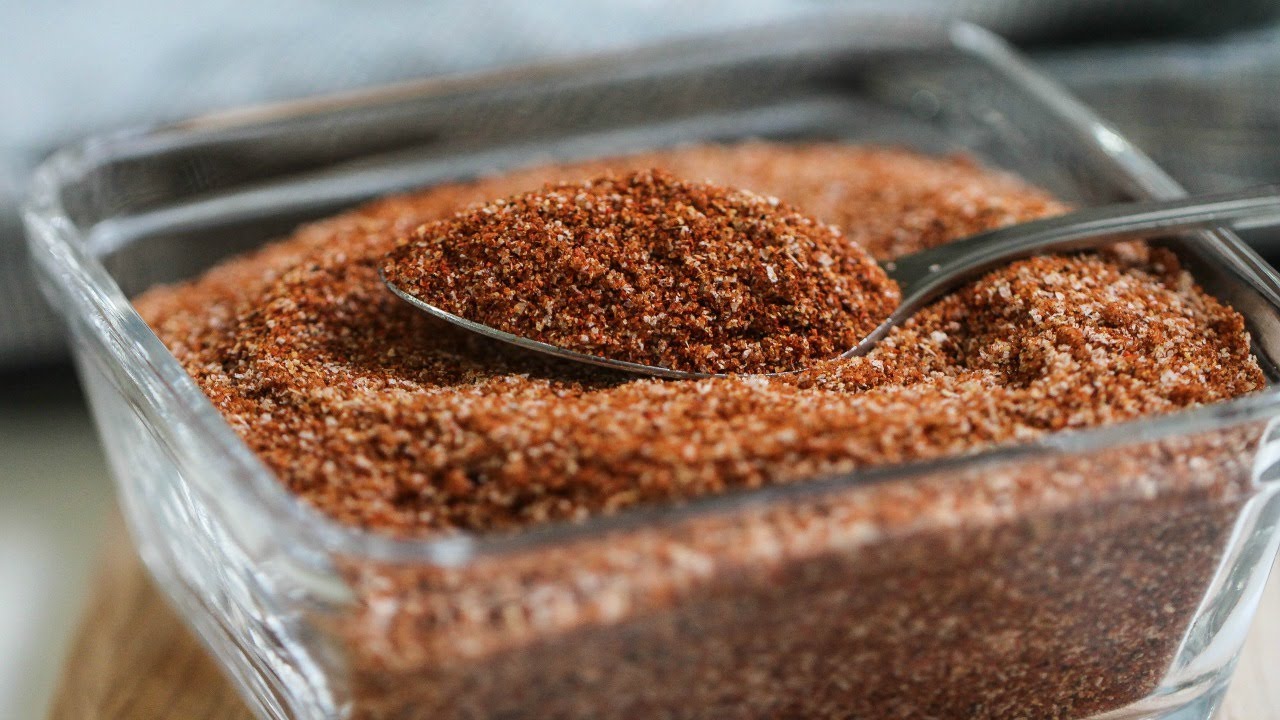
BBQ seasoning—also called BBQ rub—is a dry spice blend used to flavor meat before grilling, roasting, or smoking. It’s like giving your food a personality before it hits the heat.
Think of it as the outfit your steak wears to the party. If it’s dressed well, everyone notices.
Why Homemade BBQ Seasoning Is Better
Store-bought blends often contain preservatives, anti-caking agents, and too much salt. When you make your own:
- You control the flavor.
- You adjust sweetness and heat.
- You avoid unnecessary additives.
- You save money long-term.
And most importantly? It tastes fresher.
The Flavor Science Behind BBQ Seasoning
Great BBQ seasoning isn’t random. It’s a balance.
The Role of Sweetness
Brown sugar caramelizes when heated. That creates that gorgeous crust—what pitmasters call the “bark.” Sweetness also balances spice and salt.
The Power of Heat
Chili powder, cayenne, or black pepper bring warmth. Not necessarily burn-your-mouth heat, but depth.
The Importance of Salt
Salt enhances everything. Without it, flavors stay flat. With it, they shine.
Smoky and Savory Elements
Smoked paprika and garlic powder create that rich, savory backbone. They mimic slow-smoked flavor even if you’re cooking in an oven.
Ingredients You’ll Need
Here’s your base recipe:
Core Ingredients
- 2 tablespoons smoked paprika
- 2 tablespoons brown sugar
- 1 tablespoon kosher salt
- 1 tablespoon black pepper
- 1 tablespoon garlic powder
- 1 tablespoon onion powder
- 1 tablespoon chili powder
- 1 teaspoon cayenne pepper
Optional Flavor Boosters
For Extra Heat
- Add ½ teaspoon red pepper flakes
For Sweet Lovers
- Add 1 tablespoon coconut sugar
For Smoky Depth
- Add 1 teaspoon ground cumin
Step-by-Step Guide to Making BBQ Seasoning
Step 1 – Gather Your Ingredients
Collect your core spices: paprika (smoked or sweet), brown sugar, garlic powder, onion powder, salt, black pepper, chili powder, and a pinch of cayenne for heat. You can also add mustard powder or dried herbs for extra depth.
Step 2 – Measure Accurately
Measure each ingredient carefully to maintain balance. A simple base formula is 2 tablespoons paprika, 1 tablespoon brown sugar, and 1 teaspoon each of garlic powder, onion powder, salt, and black pepper. Adjust quantities based on your taste preference.
Step 3 – Mix Thoroughly
Place all the measured spices into a clean bowl. Whisk or stir until fully combined. Break up any brown sugar clumps to ensure a smooth, even blend throughout.
Step 4 – Taste and Adjust
Taste a small pinch of the seasoning. Add more salt for boldness, extra sugar for sweetness, or additional cayenne for spice. The seasoning should taste slightly stronger on its own since it will flavor a larger portion of food.
Step 5 – Store Properly
Transfer the BBQ seasoning into an airtight jar or spice container. Store in a cool, dry place away from direct sunlight. For best flavor, use within 3–6 months.
How to Use BBQ Seasoning
On Chicken
Coat generously before grilling. Let sit 30 minutes before cooking.
On Beef
Massage into steaks or brisket. Let rest overnight for deep flavor.
On Pork
Perfect for ribs and pulled pork.
On Vegetables
Sprinkle over roasted potatoes or corn.
As a Marinade Base
Mix 2 tablespoons seasoning with olive oil and lemon juice.
Pro Tips for the Best BBQ Rub
- Pat meat dry before applying rub.
- Don’t rub too early if sugar content is high.
- Let seasoned meat rest before cooking.
Storage and Shelf Life
Stored properly, your BBQ seasoning lasts 6 months. Keep away from heat and moisture.
Customizing Your BBQ Seasoning
Want it Texas-style? Increase black pepper.
Prefer Memphis-style? Add more sugar.
Love heat? Double the cayenne.
Your spice blend, your rules.
Common Mistakes to Avoid
- Using stale spices
- Oversalting
- Not mixing evenly
- Storing in humid places
Nutritional Insights
This seasoning is low-calorie. Most ingredients are spices rich in antioxidants.
The only calorie-heavy component? Sugar. And even then, minimal per serving.
FAQs about BBQ Seasoning Recipe
1. Can I make BBQ seasoning without sugar?
Yes, you can omit the brown sugar entirely. This will create a more savory blend with less caramelization during cooking. It’s perfect if you prefer bold, smoky flavors without sweetness.
2. How much seasoning should I use per pound of meat?
A good rule of thumb is 1–2 tablespoons of BBQ seasoning per pound of meat. Adjust slightly depending on how strong you like the flavor.
3. Can I use this as a wet rub?
Absolutely. Simply mix the dry seasoning with a small amount of oil, vinegar, or even mustard to create a paste. This helps the flavors adhere better and adds moisture during cooking.
4. Is BBQ seasoning the same as BBQ sauce?
No. BBQ seasoning is a dry spice blend used to flavor meat before cooking. BBQ sauce is a liquid condiment typically brushed on during or after cooking.
5. Can I make this in bulk?
Yes. You can easily double or triple the recipe. Store the seasoning in airtight containers in a cool, dry place for maximum freshness.
Conclusion
Making your own BBQ seasoning is like unlocking a secret weapon in your kitchen. It’s affordable, customizable, and dramatically improves your cooking. Whether you’re grilling chicken on a Sunday afternoon or smoking ribs for a celebration, this blend brings confidence and bold flavor to every bite.
Try it once, and you’ll never go back to store-bought.