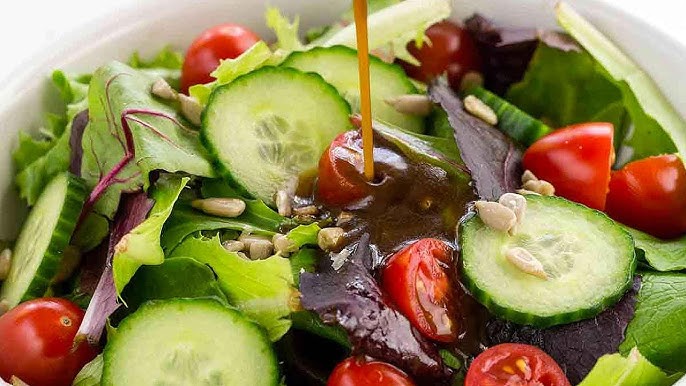
Balsamic Vinaigrette Dressing Recipe: Balsamic vinaigrette is one of those dressings that brings flavor and flair to just about any dish. It’s tangy, slightly sweet, and bursting with complex flavors from aged balsamic vinegar and high-quality oil. Unlike creamy dressings that can overpower a salad, balsamic vinaigrette enhances your ingredients without masking them. Think of it like the best supporting actor in your salad’s story—it never steals the show but always leaves an impression.
Originating from Italy, traditional balsamic vinaigrette has stood the test of time thanks to its simplicity and elegance. Whether you’re topping off a fresh Caprese salad or drizzling it over roasted veggies, this dressing elevates everything it touches.
Why Make It at Home?
Store-bought dressings are convenient, sure. But have you read those labels lately? Preservatives, sugar, and unpronounceable chemicals dominate the ingredients list. Making balsamic vinaigrette at home lets you control what goes in—real ingredients, no additives, just pure flavor. Plus, it’s surprisingly easy and cost-effective. A few pantry staples, a whisk, and five minutes are all you need to whip up a batch better than any bottled version.
Key Ingredients You’ll Need
Quality Balsamic Vinegar
The star of the show is balsamic vinegar. Look for one that’s thick, glossy, and aged. You don’t have to go for the most expensive bottle, but skip the $1 stuff at the back of the shelf. A good mid-range balsamic from Modena or Reggio Emilia will give your dressing that deep, slightly sweet tang you crave.
When shopping, check the label for “Aceto Balsamico di Modena IGP”—that’s a good sign you’re getting a legit, aged product. The richer the vinegar, the less you’ll need, and the more flavor it brings.
Olive Oil – The Heart of the Dressing
Next up is olive oil, and not just any kind. Extra virgin olive oil is ideal because it’s fresh, aromatic, and offers that signature smooth texture. A poor-quality oil can ruin the entire balance of the vinaigrette. Look for cold-pressed oils in dark glass bottles—those are your quality cues.
The traditional ratio for vinaigrette is 3:1 (oil to vinegar), but you can tweak it to your taste. Prefer a tangier finish? Go 2:1 instead.
Optional Add-ins for Flavor
Want to level up? Here are some tasty extras:
- Dijon mustard: Helps emulsify and adds a subtle tang.
- Honey or maple syrup: Balances the acidity with a hint of sweetness.
- Garlic or shallots: Minced and infused for a punch of flavor.
- Salt and freshly cracked pepper: Non-negotiable for seasoning.
- Fresh herbs: Basil, thyme, or oregano add a garden-fresh note.
These add-ins are totally optional, but they open up endless flavor combos depending on your mood or meal.
Tools and Equipment
Mixing and Measuring Essentials
No fancy tools needed here. A small bowl, a whisk, and a measuring spoon or cup are your main players. If you’re into gadgets, a mason jar with a tight lid works wonders for mixing and storing your vinaigrette in one go.
Want to get fancy? Use a handheld emulsifier or blender. It’ll give you a creamy, well-mixed dressing that stays blended longer.
Storage Tips for Freshness
Use a clean, airtight glass jar or bottle to store your vinaigrette. Mason jars are great, and so are old salad dressing bottles—just give them a good wash. Store in the refrigerator for up to 2 weeks.
Just remember: oil solidifies in the fridge. Let it sit at room temperature for 10–15 minutes before using, or warm it briefly in your hands. Give it a good shake, and you’re back in business.
Step-by-Step Recipe for Homemade Balsamic Vinaigrette
Step 1: Gather Your Ingredients
Here’s what you’ll need for a classic version:
- ½ cup extra virgin olive oil
- 3 tablespoons balsamic vinegar
- 1 teaspoon Dijon mustard
- 1 teaspoon honey or maple syrup (optional)
- 1 small garlic clove, minced
- Salt and pepper to taste
Simple, right? You probably already have these in your kitchen.
Step 2: Measure and Mix the Base
Start by adding the balsamic vinegar, mustard, honey, and garlic to a bowl. Whisk them together until fully blended. This step creates a flavor-packed base and helps the mustard and honey emulsify the oil later.
Now slowly drizzle in the olive oil while whisking continuously. This helps blend the oil into the vinegar mixture so it doesn’t separate too quickly.
Step 3: Add Flavors and Emulsify
Once the oil is in, whisk hard for 30–60 seconds to emulsify. You’ll see the mixture turn from runny to slightly creamy—that’s your emulsification magic. Taste and adjust: add a bit more honey for sweetness, another dash of vinegar if it needs more tang, or more garlic for punch.
Store it in a jar, shake before each use, and voilà—your homemade balsamic vinaigrette is ready!
Customization Tips
Sweet or Savory Variations
One of the best things about balsamic vinaigrette is how easily you can customize it to match your meal. Want something sweet? Add a dash of honey or maple syrup. Craving a bit of heat? Try a pinch of red pepper flakes or a splash of hot sauce. For a savory depth, a dab of Dijon mustard or a sprinkle of grated Parmesan can transform the flavor profile.
Here are a few flavor variation ideas:
- Sweet & Fruity: Add pureed strawberries or raspberries for a fruity twist.
- Italian Herb Blend: Mix in oregano, basil, thyme, and a touch of rosemary.
- Creamy Twist: Blend in a spoon of Greek yogurt or a splash of cream for a richer texture.
- Asian Fusion: Add a splash of soy sauce and a few drops of sesame oil for a different take.
Experimenting is half the fun. Just stick to the basic ratio and build flavor from there.
How to Balance Acidity
Some balsamic vinegars can be sharp, especially younger or cheaper versions. If your dressing feels too tart, don’t panic. You can tone it down with a bit more oil, a spoonful of sweetener, or even a splash of water. The trick is tasting as you go and adjusting to your liking.
Think of it like tuning a guitar—minor tweaks can bring everything into perfect harmony. And don’t forget salt—it helps enhance both the acidity and sweetness.
How to Store Your Vinaigrette
Storing balsamic vinaigrette properly ensures it stays fresh and flavorful. The best option is a glass container with a tight-fitting lid—like a mason jar or a recycled salad dressing bottle. Glass doesn’t absorb odors or flavors, and it’s easy to clean.
Keep your vinaigrette in the fridge for up to two weeks. If you’ve added fresh ingredients like garlic or herbs, it’s best to consume it within 5–7 days to prevent spoilage.
Before using, give it a good shake or stir. Since homemade vinaigrettes don’t contain preservatives or stabilizers, separation is natural. Let it sit out for a few minutes to bring it back to room temperature, especially if the oil has solidified.
Pro tip: You can make a double batch and use it throughout the week—not just for salads, but as a marinade or a dip for crusty bread.
Perfect Pairings: What to Use It On
This versatile dressing goes way beyond salad greens. Sure, it’s amazing on a classic garden salad, but don’t stop there.
Try these pairings:
- Roasted Vegetables: Drizzle on warm roasted Brussels sprouts, carrots, or beets.
- Caprese Salad: The combo of tomato, mozzarella, and basil shines with balsamic vinaigrette.
- Grilled Meats: Use it as a marinade or finishing drizzle for chicken, steak, or pork.
- Grain Bowls: Mix it into quinoa or rice bowls for an extra layer of flavor.
- Cheese Boards: Dip bread and cheese bites in it, or use it as a tangy accent for fruit.
Its balance of acidity and sweetness makes it a go-to for just about anything that needs a lift in flavor.
Common Mistakes to Avoid
Even with such a simple recipe, there are a few pitfalls to watch for:
- Using Low-Quality Ingredients: The dressing is only as good as the vinegar and oil you use. Cheap stuff will taste flat or bitter.
- Skipping the Emulsification Step: Don’t just dump everything in a jar and shake. Whisking slowly as you add the oil helps create a smooth, unified dressing.
- Overpowering with Garlic or Mustard: These add-ins are flavorful but can quickly dominate the dressing. Start small and build up as needed.
- Not Tasting and Adjusting: Everyone’s palate is different. Always taste before bottling and tweak if needed.
- Storing Incorrectly: Keep it in a cool, dark place and use clean utensils when serving to avoid contamination.
Avoiding these common mistakes will ensure your vinaigrette turns out perfect every time.
FAQs about Balsamic Vinaigrette Dressing Recipe
1. How long does homemade balsamic vinaigrette last?
Stored in the refrigerator in a sealed container, it can last up to two weeks. If you’ve added fresh herbs or garlic, consume within 5–7 days.
2. Can I use other oils besides olive oil?
Yes! Avocado oil, walnut oil, or grapeseed oil can work well, though they may change the flavor profile.
3. Why did my vinaigrette separate in the fridge?
Natural separation is normal. Oil solidifies when cold. Just let it sit at room temperature for a few minutes and shake before using.
4. Can I make a sugar-free version?
Absolutely. Simply skip the honey or syrup, or use a sugar-free sweetener like stevia or monk fruit if needed.
5. Is balsamic vinaigrette healthy?
Yes—especially when made at home. It’s full of heart-healthy fats from olive oil and antioxidants from balsamic vinegar, with no artificial additives.
Conclusion
Making balsamic vinaigrette at home is one of the simplest kitchen skills that delivers the biggest flavor payoffs. It’s fresh, customizable, and made with ingredients you can actually pronounce. From leafy greens to grilled meats, this dressing brings brightness and balance to any dish.
Once you try it, you’ll never go back to the store-bought stuff. So, grab that whisk, pour a little love into your jar, and let the flavors do the talking.