Baked Steak Recipe: There’s something incredibly comforting about a perfectly baked steak. While grilling often gets the spotlight, baking steak in the oven can give you a tender, flavorful, and evenly cooked piece of meat that’ll have everyone at the table asking for seconds. Whether you’re a cooking newbie or a seasoned home chef, this recipe is designed to help you master baked steak, step by step.
What makes this method even better? It’s virtually foolproof. You don’t need a grill or any fancy equipment. Just an oven, the right cut of steak, and a few pantry ingredients, and you’re all set. Let’s walk through everything you need to know, from the ingredients to the final plating.
Why Baked Steak Is a Must-Try
So, why should you give baked steak a shot instead of sticking to your usual skillet or grill method? First off, baking lets the steak cook slowly and evenly, locking in juices without burning the exterior. You also have more control over the doneness, especially if you’re aiming for that perfect medium rare or well done.
Also, it’s less messy. No splattering oil, no constant flipping, no smoke alarms going off because of high-heat searing. Just set it, check it, and enjoy the aroma filling your kitchen.
Not to mention—it’s a great way to add flavor by baking with herbs, butter, garlic, or even a splash of broth. This method allows for creativity and layering of flavors, all while keeping the process simple.
Benefits of Baking Steak Over Other Methods
Healthier Cooking Option
When you bake steak, you avoid the extra oils and fats needed for frying. Plus, you can easily drain off the excess fat without sacrificing the flavor. It’s a cleaner way to cook, literally and nutritionally.
Retains More Flavor and Juiciness
Grilling can sometimes dry out a steak if not done right. Baking, on the other hand, is gentler. It allows the meat fibers to slowly break down, which helps keep the juices intact—especially if you let it rest properly afterward.
List of Ingredients You’ll Need
Let’s get to the core of the dish—the ingredients. You don’t need anything fancy, but quality does matter.
Core Ingredients
- Steak (2 lbs ribeye, sirloin, or flank steak)
- Salt (preferably sea salt or kosher)
- Freshly ground black pepper
- Garlic powder or minced garlic
- Olive oil or melted butter
Optional Add-ons for Flavor
- Rosemary or thyme (fresh or dried)
- Paprika or chili flakes (for spice)
- Onions (sliced, for baking alongside)
- Mushrooms (optional, for extra umami)
- Worcestershire sauce or soy sauce (for marinade)
Ingredient Substitutions
- No olive oil? Use avocado oil, butter, or even ghee.
- Don’t have fresh garlic? Garlic powder works just fine.
- No fresh herbs? Use a pinch of Italian seasoning blend.
Using what you already have in your pantry is totally okay—steak is very forgiving if seasoned well and cooked properly.
Kitchen Tools & Equipment Required
You won’t need a lot of equipment, which is one of the best parts about this recipe.
Must-Have Tools
- Baking dish or oven-safe pan
- Aluminum foil (optional but helps with moisture)
- Tongs or spatula
- Meat thermometer (highly recommended)
- Cutting board and sharp knife
Nice-to-Have Tools
- Cast iron skillet (for optional sear)
- Basting brush (for butter or oil)
- Mixing bowl (for marinades)
Having a thermometer really helps with getting the perfect internal temperature, especially if you’re particular about doneness levels.
Choosing the Right Cut of Steak
Not all steaks are created equal when it comes to baking. Here’s what you should look for.
Best Cuts for Baking
- Ribeye – Rich in fat, super flavorful.
- Sirloin – Leaner but still tender if cooked right.
- Flank Steak – Needs proper slicing but great for oven baking.
- Chuck Eye Steak – More affordable, still tasty.
What to Avoid
- Round steak – Can be too lean and chewy.
- Stew meat – Not ideal for baking, better for slow-cooking.
The thickness matters too—aim for at least 1 to 1.5 inches for even baking.
Prepping the Steak for the Oven
Prep is crucial for texture and taste.
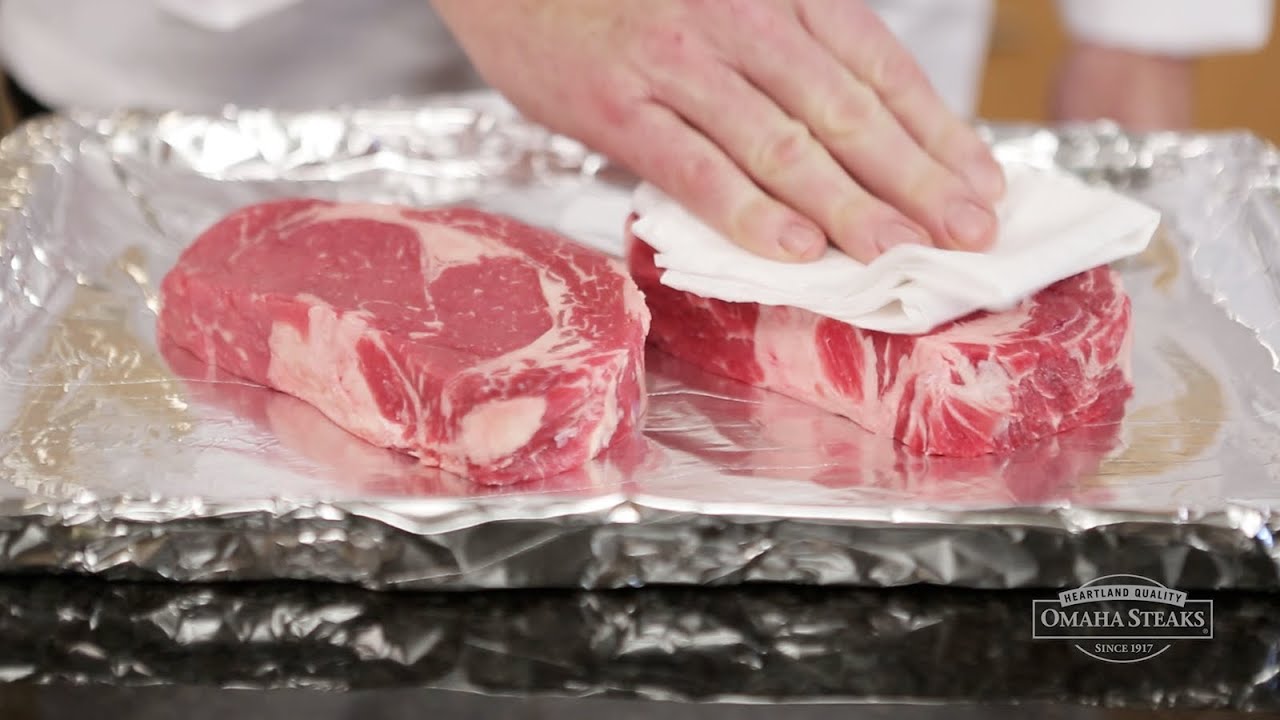
- Rinse and pat dry the steak to remove excess blood or packaging residue.
- Trim off excess fat if there’s too much, but leave some for flavor.
- Tenderize tougher cuts using a meat mallet or by scoring lightly with a knife.
The goal here is to prepare a clean canvas for your seasoning and to ensure even cooking.
Marinating the Steak (Optional but Recommended)
Marinating your steak gives it extra depth of flavor and makes it more tender—especially for leaner cuts.
Simple Marinade Recipe
- ¼ cup olive oil
- 2 tablespoons soy sauce
- 1 tablespoon Worcestershire sauce
- 1 minced garlic clove
- 1 teaspoon lemon juice
- Pinch of black pepper
How Long to Marinate
- At least 30 minutes, ideally 2–4 hours in the fridge.
- Don’t go beyond 12 hours—it may break down the meat too much.
How to Season the Steak for Maximum Flavor
Seasoning can make or break your baked steak. Even the best cut of beef can taste bland without the right flavor. So, how do you season it perfectly?
Simple Dry Rub Recipe
For a bold and savory profile, mix the following:
- 1 tsp salt (adjust to taste)
- 1 tsp freshly ground black pepper
- ½ tsp garlic powder
- ½ tsp onion powder
- ½ tsp smoked paprika (optional for a smoky kick)
- ¼ tsp dried thyme or rosemary
Rub this mixture evenly over both sides of the steak. Press it in firmly with your fingers so the seasoning sticks well. This helps build a crust and enhances flavor while baking.
Salt-to-Steak Ratio
A good rule of thumb? About 1 teaspoon of salt per pound of steak. Always season generously—steak is thick, and you want the seasoning to penetrate deep.
Don’t forget: If you’ve already marinated your steak, reduce or skip the salt in your dry rub to avoid over-seasoning.
Preheating the Oven – Why It Matters
Preheating might seem like a minor step, but it’s a game changer.
Why Preheat?
A preheated oven ensures the steak starts cooking evenly the moment it goes in. If you don’t preheat, you risk uneven cooking—where the outside is done but the inside is undercooked (or vice versa).
Ideal Temperature for Baked Steak
- 375°F (190°C): Perfect for medium cooking with juicy interiors.
- 400°F (204°C): Great for a slightly faster bake and deeper crust.
- 425°F (218°C): Best for thin steaks or if you want a well-done finish.
How Long to Preheat
Give your oven at least 10–15 minutes to reach full temperature. Trust us—it’s worth the wait.
Step-by-Step Guide to Baking the Perfect Steak
Ready to bake? Here’s the complete walkthrough, from pan prep to slicing.
Step 1: Prepping the Baking Dish
- Lightly grease the bottom of your oven-safe dish or baking tray with olive oil or butter.
- You can also line the dish with foil for easy cleanup.
- Optionally, place a rack inside the tray to keep the steak lifted for even airflow.
Step 2: Placing the Steak in the Oven
- Set your marinated or seasoned steak into the prepped baking dish.
- Add sliced onions, mushrooms, or garlic cloves around the steak if you like.
- Drizzle with a bit of olive oil or a slice of butter on top.
Step 3: Cooking Time Guidelines
Here’s a rough guide based on oven temp and steak thickness (1–1.5 inches):
| Desired Doneness | Bake at 400°F | Internal Temp |
|---|---|---|
| Rare | 8–10 min | 125°F |
| Medium Rare | 10–12 min | 135°F |
| Medium | 13–15 min | 145°F |
| Medium Well | 16–18 min | 155°F |
| Well Done | 20–22 min | 160°F |
Use a meat thermometer for accuracy. Insert it into the thickest part without touching bone or fat.
Step 4: Flipping the Steak
Not always necessary—but if you want an even sear on both sides, flip the steak halfway through baking.
Step 5: Letting It Rest
Once the steak is out of the oven, cover it loosely with foil and let it rest for 5–10 minutes. This allows the juices to redistribute and makes the steak tender and moist.
Adding Vegetables and Sides in the Same Pan
Want a one-pan meal with less cleanup? Toss in some veggies!
Best Veggies to Add
- Potatoes (cubed or thin-sliced)
- Carrots
- Bell peppers
- Zucchini
- Green beans
Cut them evenly so they cook at the same rate. Toss them in olive oil, salt, pepper, and herbs before adding them to the pan.
Timing Tips
- Add firm veggies (like potatoes and carrots) 10 minutes before the steak.
- Add quick-cooking veggies (like zucchini and green beans) at the halfway point.
This method adds flavor to both the steak and the veggies, as they soak in the meat juices while baking.
Making a Gravy or Pan Sauce from the Juices
Don’t let those savory drippings go to waste—turn them into a delicious sauce!
Simple Pan Gravy Recipe
Ingredients:
- 2 tbsp pan drippings
- 1 tbsp flour
- ½ cup beef broth
- 1 tsp butter
- Salt and pepper to taste
Steps:
- In a small saucepan, heat the drippings and flour over medium heat, whisking constantly.
- Slowly add the beef broth, stirring until smooth.
- Cook for 3–4 minutes until thickened.
- Stir in butter for richness and season as needed.
Pour over the sliced steak or serve on the side—it elevates the whole dish.
Serving Suggestions
A baked steak deserves the right company on the plate.
Side Dishes That Shine
- Mashed potatoes
- Garlic butter rice
- Creamed spinach
- Roasted veggies
- Baked mac & cheese
Garnish your steak with fresh herbs, a drizzle of gravy, or a pat of herb butter for extra flair.
Plate Presentation Tips
- Slice steak against the grain for tenderness.
- Arrange sides neatly with contrasting colors.
- Use a white plate for a more elegant presentation.
Storing and Reheating Leftovers
Got leftovers? Don’t worry—baked steak can taste just as amazing the next day if stored and reheated properly.
Best Storage Practices
- Cool completely before storing. Never put hot steak straight into the fridge—it creates condensation and affects texture.
- Store in an airtight container or wrap tightly in aluminum foil.
- Add a spoonful of the leftover pan juices or a bit of broth to keep the meat moist.
Fridge: Safe for up to 3–4 days
Freezer: Store for up to 3 months (wrap in foil and then place in a zip-top freezer bag)
Label your containers with the date to keep track of freshness.
How to Reheat Without Drying Out
Reheating steak the right way keeps it juicy and delicious:
Oven Method (Best for Flavor):
- Preheat oven to 250°F (120°C)
- Place steak in a baking dish with a splash of broth or gravy.
- Cover with foil.
- Heat for 20–25 minutes, or until warmed through.
Skillet Method:
- Add 1–2 tsp of butter or olive oil to a pan.
- Heat over medium-low.
- Add steak and cover.
- Flip occasionally for 5–8 minutes.
Avoid microwaving if possible—it often leads to uneven heating and rubbery texture. But if you must use it, cover the steak with a damp paper towel and microwave in 30-second intervals.
Common Mistakes to Avoid
Even a simple recipe like baked steak can go sideways if you’re not careful. Here are the most common mistakes—and how to avoid them.
1. Overcooking
Overcooked steak becomes dry and chewy, losing all its natural juiciness. Always use a meat thermometer to check doneness, especially if you’re going for medium rare or medium.
2. Under-seasoning
Steak needs a good amount of seasoning to shine, especially when baking. Don’t be afraid to add bold spices, garlic, herbs, or a flavorful marinade.
3. Not Letting It Rest
Cutting into your steak too soon will let all the juices run out, leaving your meat dry. Always give it at least 5 minutes to rest after baking.
4. Using a Cold Steak
Throwing a cold steak straight from the fridge into the oven can lead to uneven cooking. Let it sit at room temperature for 20–30 minutes before baking.
5. Choosing the Wrong Cut
Some cuts, like round or skirt steak, are better for slow cooking or grilling. For baking, choose thicker and tender cuts like sirloin, ribeye, or filet.
Avoiding these pitfalls will make a huge difference in your final dish!
FAQs about Baked Steak Recipe
1. Can I bake steak without foil?
Yes, you can. Foil is optional but helps retain moisture and makes cleanup easier. If you want a crispier crust, bake the steak uncovered, especially during the last few minutes.
2. How do I make steak tender in the oven?
Use a tender cut of steak, marinate if needed, and avoid overcooking. Let the steak rest after baking to allow the juices to redistribute.
3. Is it better to bake or pan-fry steak?
Both methods have their perks. Baking is hands-off, healthier, and great for thick cuts. Pan-frying gives a quick sear and crust but can be messier and less consistent for doneness.
4. How long should I bake steak at 400°F?
It depends on the thickness and desired doneness. For a 1-inch steak:
- Medium rare: 10–12 minutes
- Medium: 13–15 minutes
- Well done: 18–22 minutes
Always use a thermometer for precision.
5. Can I use frozen steak for this recipe?
You can, but it’s best to thaw it first for even cooking. Bake from frozen only in emergencies, and add 50% more cooking time while checking the internal temperature carefully.
Conclusion
Baking steak in the oven is one of the easiest, most reliable ways to get a juicy, flavorful, and tender result every single time. Whether you’re cooking for yourself, your family, or hosting guests, this step-by-step guide ensures you’ll nail it from prep to plate.
From picking the right cut, seasoning it with care, marinating for flavor, and baking it just right—each step plays a role in delivering that perfect steak experience. Plus, you can throw in some veggies, make a rich pan sauce, and pair it with your favorite sides for a complete, satisfying meal.
So next time you’re craving steak, skip the grill, and give this baked steak recipe a shot. You might just fall in love with how easy (and delicious) it is.