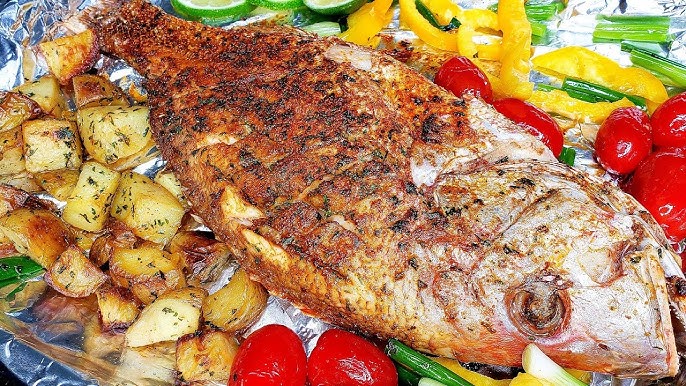
Baked Snapper Recipe: Baked snapper is one of those dishes that feels fancy but is surprisingly simple. You know those meals that look like they came straight from a seaside restaurant? This is one of them.
Snapper is light, flaky, and slightly sweet. When baked properly, it melts in your mouth like butter on warm toast. And the best part? It doesn’t need complicated ingredients. Just a few herbs, some lemon, garlic, and the oven does the magic.
Why Snapper Is a Perfect Baking Fish
Snapper has firm flesh. That means it holds together while baking. It won’t fall apart like softer fish. It absorbs flavor beautifully. Think of it like a blank canvas ready for bold strokes of seasoning.
What Makes This Recipe Special
This isn’t just “put fish in oven and hope for the best.” This is a structured, professional method. Step-by-step. Clear. Foolproof. Whether you’re cooking for guests or just treating yourself, this guide has you covered.
Understanding Snapper
Types of Snapper
Red snapper is the most popular variety. It has bright pink skin and white flesh. Other varieties include yellowtail snapper and mangrove snapper. They all bake beautifully.
Nutritional Benefits of Snapper
Snapper is rich in protein and low in fat. It contains omega-3 fatty acids that support heart health. It’s also packed with vitamin D and selenium. Healthy and delicious? That’s a win.
Ingredients You’ll Need
Let’s keep it simple but powerful.
Main Ingredients
- 1 whole snapper (2–3 pounds) or 4 snapper fillets
- 3 tablespoons olive oil
- 1 lemon (sliced)
- 4 cloves garlic (minced)
- Salt (to taste)
- Black pepper (to taste)
Herbs and Seasonings
- 1 teaspoon paprika
- 1 teaspoon dried thyme
- 1 teaspoon dried oregano
- Fresh parsley (chopped)
Optional Add-Ons
- Cherry tomatoes
- Onion slices
- Butter (for richness)
- Chili flakes (for heat)
Kitchen Tools Required
Essential Tools
- Baking dish or sheet pan
- Aluminum foil or parchment paper
- Sharp knife
- Mixing bowl
Optional Equipment
- Meat thermometer
- Citrus juicer
How to Choose the Freshest Snapper
Whole vs Fillets
Whole snapper gives you more flavor. The bones help retain moisture. Fillets are quicker and easier.
Signs of Freshness
- Clear, bright eyes
- Firm flesh
- No strong fishy smell
- Bright red gills
Fresh fish smells like the ocean—not like low tide.
Preparing the Snapper
Cleaning and Scaling
If using whole snapper, remove scales and gut it thoroughly. Rinse under cold water.
Patting Dry for Perfect Texture
This step is critical. Moisture prevents crispness. Pat the fish dry using paper towels.
Step-by-Step Guide to Making Baked Snapper
Step 1 – Preheat and Prepare
Preheat your oven to 400°F (200°C). Lightly grease a baking dish or line a baking tray with parchment paper or foil for easy cleanup. If using whole snapper, make sure it has been cleaned and scaled.
Step 2 – Season the Fish
Pat the snapper dry with paper towels. Drizzle with olive oil and season generously with salt, black pepper, and a squeeze of fresh lemon or lime juice. You can also add garlic, paprika, thyme, or parsley for extra flavor.
Step 3 – Prepare the Baking Tray
Place the snapper on the prepared tray, skin-side down if using fillets. If baking a whole fish, score the sides lightly to help the seasoning penetrate and ensure even cooking.
Step 4 – Add Aromatics
Layer sliced onions, lemon rounds, fresh herbs, and minced garlic over and around the fish. For whole snapper, stuff some aromatics inside the cavity to enhance flavor from the inside out.
Step 5 – Bake to Perfection
Bake for 15–20 minutes for fillets or 20–25 minutes for a whole snapper, depending on size. The fish should turn opaque and begin to flake easily.
Step 6 – Check for Doneness
Insert a fork into the thickest part of the fish. It should flake easily and appear moist. The internal temperature should reach about 145°F (63°C).
Step 7 – Rest Before Serving
Remove from the oven and let the snapper rest for 3–5 minutes. This allows the juices to settle. Serve warm with fresh herbs, lemon wedges, and your favorite side dishes.
Cooking Time and Temperature Guide
Whole Snapper
- 400°F for 30–40 minutes
Snapper Fillets
- 400°F for 20–25 minutes
Flavor Variations
Lemon Butter Snapper
Add melted butter before baking.
Garlic Herb Snapper
Double the garlic and add rosemary.
Spicy Cajun Snapper
Use Cajun seasoning and chili flakes.
What to Serve with Baked Snapper
Side Dishes
- Roasted vegetables
- Garlic rice
- Mashed potatoes
- Steamed asparagus
Sauces
- Garlic butter sauce
- Lemon cream sauce
- Mango salsa
Storage and Reheating Tips
Store in airtight container for up to 3 days. Reheat gently at 300°F to avoid drying.
Common Mistakes to Avoid
- Overcooking
- Skipping seasoning
- Not drying the fish
- Using too much oil
Expert Tips for Restaurant-Quality Snapper
- Use fresh herbs
- Add citrus zest
- Don’t overcrowd the tray
- Let fish rest before serving
FAQs about Baked Snapper Recipe
1. Can I bake snapper without foil?
Yes, you can bake snapper without foil. Just make sure to grease the baking tray well with oil or use parchment paper to prevent sticking. Foil is optional but can make cleanup easier.
2. How do I know snapper is fully cooked?
Snapper is done when it flakes easily with a fork and turns opaque throughout. For accuracy, use a meat thermometer—the internal temperature should reach 145°F (63°C).
3. Can I use frozen snapper?
Yes, frozen snapper works well. Thaw it completely in the refrigerator before baking, then pat it dry with paper towels to remove excess moisture. This helps the seasoning stick and ensures even cooking.
4. Should I cover snapper while baking?
Covering the fish with foil helps retain moisture, especially if baking a whole snapper. For a slightly golden finish, uncover it during the last 5 minutes of baking.
5. What’s the best temperature to bake snapper?
400°F (200°C) provides the best balance between moisture and texture. It cooks the fish quickly while keeping it tender and flavorful.
Conclusion
Baked snapper is simple, elegant, and incredibly flavorful. With the right seasoning and proper baking technique, you can create a dish that rivals any seafood restaurant. Whether you prefer it classic with lemon and herbs or bold with Cajun spice, this step-by-step guide ensures perfect results every time. Cooking snapper doesn’t have to be intimidating. Follow the method, trust the process, and enjoy a flaky, tender masterpiece straight from your oven.