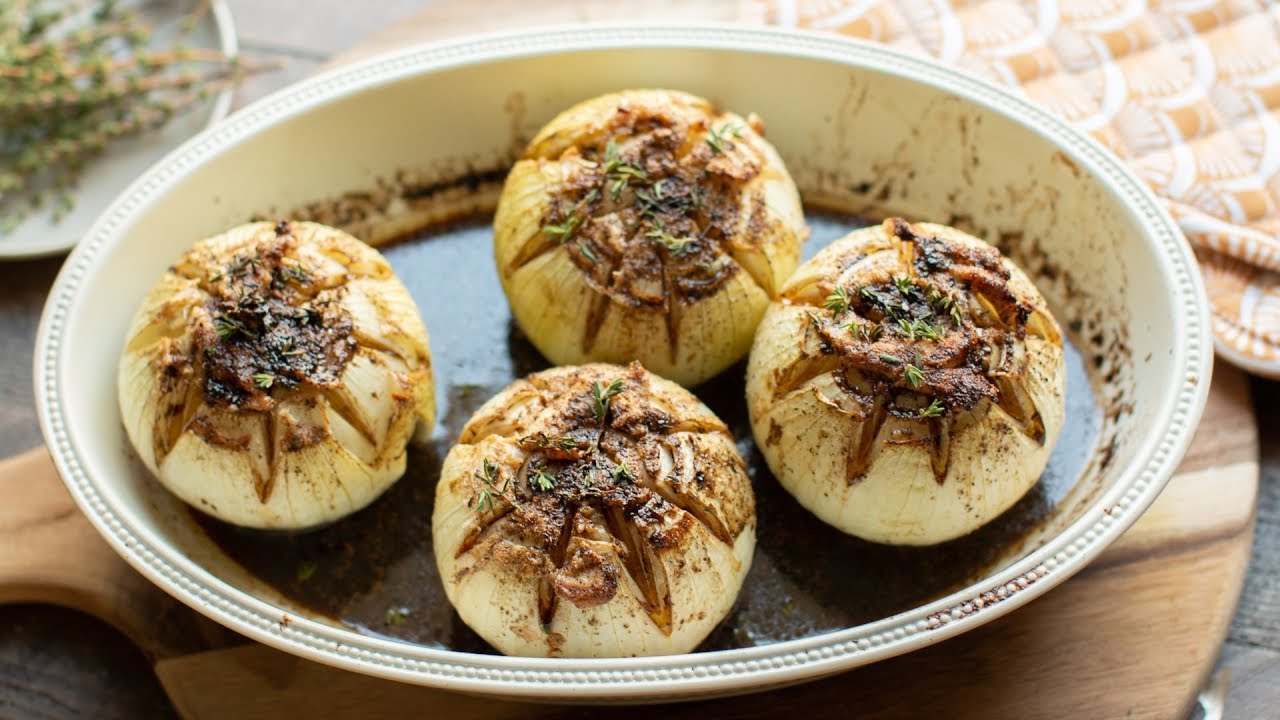
Baked Onion Recipe: Who would’ve guessed that something as simple as an onion could transform into a mouthwatering, rich, and flavorful side dish? Baked onions are one of those comfort foods that surprise everyone with their sweet, caramelized flavor and tender texture. Whether you’re serving them alongside a juicy steak or letting them shine on their own as a savory appetizer, baked onions are easy to make, incredibly versatile, and absolutely delicious.
Let’s walk through everything you need to know—from picking the right onions to nailing the perfect bake. This guide is perfect for beginners and seasoned cooks alike who are looking to elevate a humble vegetable into something spectacular.
Ingredients You’ll Need
Let’s start with the foundation: your ingredients. The beauty of this recipe is how flexible it is. You don’t need a lot of fancy stuff—just a few pantry staples and maybe a creative twist or two.
Core Ingredients for Baked Onions:
Here’s the basic list you’ll need for classic baked onions:
- 4 large sweet onions (Vidalia, yellow, or white)
- 4 tablespoons unsalted butter (or olive oil for a vegan version)
- Salt (to taste)
- Freshly ground black pepper
- Fresh herbs like thyme or rosemary (optional but recommended)
Optional Add-ins for Extra Flavor:
Want to get fancy? Add any of these for a flavor explosion:
- Garlic cloves (whole or minced)
- Parmesan or shredded cheddar cheese
- Balsamic vinegar drizzle
- Crumbled bacon
- Paprika or cayenne for a kick
- Vegetable or chicken broth for baking
These ingredients allow you to customize your baked onions to fit any meal or dietary preference. Now that you’ve got your lineup ready, let’s talk about what types of onions work best.
Choosing the Right Onions
Not all onions are created equal, especially when baking. Some varieties caramelize beautifully, while others might turn too bitter or stringy.
Best Types of Onions for Baking:
- Vidalia Onions: Sweet and mild, perfect for baking.
- Yellow Onions: Slightly stronger flavor but become rich and savory when baked.
- White Onions: Crisp and clean in taste, a good middle ground.
- Red Onions: Not as common, but great for bold flavor lovers.
Avoid using green onions or shallots for this specific recipe—they’re better raw or lightly sautéed.
How to Pick Fresh and Sweet Onions:
Look for onions that are:
- Firm and heavy for their size
- Free of soft spots or bruises
- Dry, papery skins
- No visible sprouting (that’s a sign it’s old)
Choosing the right onion sets the stage for a recipe that’s full of flavor and texture.
Essential Kitchen Tools
This dish is simple enough that you probably already have most of what you need in your kitchen.
Must-Have Tools for This Recipe:
- Sharp knife (for peeling and scoring)
- Cutting board
- Baking dish or sheet pan
- Aluminum foil (if you’re wrapping the onions)
- Oven mitts (because safety first!)
Alternatives if You Don’t Have the Tools:
- No foil? Use a lidded Dutch oven.
- No baking dish? Line a sheet pan with parchment or foil.
- No knife skills? Use an apple corer or melon baller to make a cavity for stuffing.
Don’t worry about having the fanciest tools—this recipe is forgiving and flexible.
Preparing the Onions
Preparation is key to making sure your onions bake evenly and absorb all the flavor.
Cleaning and Peeling:
- Rinse the onions under cold water.
- Trim both ends slightly—leave the root intact to hold the layers together.
- Remove the outer layers of papery skin, but don’t over-peel.
How to Core or Score the Onions:
- Scoring: Make shallow X-shaped cuts on the top to allow butter and seasonings to seep in.
- Coring: Use a small knife or corer to remove a bit from the center, creating a small well. Perfect for stuffing with cheese, garlic, or herbs.
This step helps your flavors penetrate deep into the onion for a rich, layered taste.
Flavoring and Seasoning
Here’s where you get to play. Want it savory, spicy, cheesy, or herbal? Go wild.
Classic Herb & Butter Combo:
Drop a tablespoon of butter into the onion’s core, sprinkle salt and pepper, and top with fresh herbs like rosemary or thyme. As it bakes, the butter melts down the layers, infusing flavor in every bite.
Cheese-Stuffed Baked Onions:
Love melty cheese? Stuff the onion cavity with:
- Shredded cheddar
- Crumbled blue cheese
- Parmesan and garlic mix
Let it bubble and brown for cheesy perfection.
Vegan-Friendly Seasoning Options:
Use olive oil or plant-based butter with:
- Nutritional yeast for cheesiness
- Smoked paprika
- Fresh basil or oregano
There’s no wrong way to season a baked onion, just your way.
Oven Preparation
Before your onions hit the heat, let’s make sure your oven is set up for success. The goal? A perfectly soft, caramelized onion that holds its shape but melts in your mouth.
Preheating and Temperature Tips:
- Preheat your oven to 375°F (190°C). A slightly lower temperature helps onions cook slowly and evenly without burning the edges.
- Make sure the oven is fully preheated before placing the onions inside. This ensures a consistent cook and better texture.
- For even heat circulation, position the rack in the middle of the oven.
Baking Dish vs. Foil Wrap: Pros & Cons
There are two main ways to bake onions—both have their own pros, and your choice depends on how you want the final result to turn out.
1. Baking Dish:
- Place onions upright in a buttered or oiled baking dish.
- Great for when you want them slightly crispy on top.
- Add broth or water to the bottom for a moist, steamed texture.
2. Foil Wrap:
- Individually wrap each onion in aluminum foil.
- Locks in all the moisture—onions become ultra-soft and sweet.
- Great for infused flavors when using butter, garlic, or cheese.
Pro Tip: Try both methods and see which texture you prefer! Some folks love the crispy top; others are all about that fully soft, melt-in-your-mouth center.
Step-by-Step Guide to Baked Onions
Now, let’s roll up our sleeves and get cooking. Here’s your easy, step-by-step process for making the most mouthwatering baked onions ever.
Step 1: Prepping Your Onions
Preheat your oven to 190°C / 375°F. Choose medium to large onions and peel off the outer skin. Trim the root end slightly so the onion sits flat, but keep it intact. Rinse and pat dry, then use a small knife to carefully hollow out the center if you plan to stuff them.
Step 2: Stuffing or Seasoning
For simple baked onions, drizzle with olive oil, then season with salt, black pepper, garlic, and a pinch of herbs like thyme or rosemary. If stuffing, fill the center with butter, breadcrumbs, cheese, or herbs for added richness.
Step 3: Wrapping or Placing in Dish
You can wrap each onion loosely in aluminum foil to keep it moist, or place them cut-side up in a lightly greased baking dish. Add a splash of vegetable or chicken broth to the dish to prevent drying.
Step 4: Baking the Onions
Bake uncovered or loosely covered for 45–60 minutes, depending on size. Halfway through, spoon some of the pan juices over the onions to boost flavor and tenderness.
Step 5: Checking for Doneness
The onions are ready when a knife slides through easily and the tops are lightly caramelized. Remove from the oven and let rest for 5 minutes before serving. They should be soft, sweet, and deeply flavorful.
Serving Suggestions
You’ve pulled your golden-baked beauties from the oven—now what? Time to serve them up like a pro.
Best Main Dishes to Pair With:
Baked onions are incredibly versatile. Here’s what they pair with best:
- Grilled or roasted meats – Think steak, chicken, or pork chops.
- Baked fish – The sweet onion balances the lightness of fish like salmon or cod.
- Pasta dishes – Serve alongside creamy Alfredo or baked ziti for extra richness.
- Thanksgiving or holiday meals – A fantastic alternative or side dish to stuffing.
How to Make It a Standalone Appetizer:
- Serve in small ramekins topped with melted cheese and a slice of crusty bread.
- Drizzle with balsamic glaze and chopped parsley.
- Add a dollop of sour cream or crème fraîche for a gourmet appetizer.
Baked onions are like the chameleons of your dinner table—adaptable, comforting, and always a hit.
Tips for the Perfect Baked Onion
Even though this recipe is simple, a few expert tricks will take your dish from good to unforgettable.
How to Prevent Overcooking or Burning:
- Keep the temperature moderate (don’t go over 400°F/200°C).
- If the tops start to brown too quickly, cover loosely with foil.
- Always check at the 45-minute mark to avoid mushy or dry onions.
Getting the Perfect Texture:
- Use onions of similar size so they cook evenly.
- Add a little liquid to your baking dish to keep the onions tender.
- Let them rest after baking—the internal steam finishes softening the layers.
Extra Pro Tips:
- Want a smoky flavor? Add a few drops of liquid smoke to your butter.
- Love spice? Toss in red pepper flakes or jalapeño slices.
- Need a richer taste? Mix melted butter with a splash of soy sauce or Worcestershire.
Simple tweaks like these let you reinvent this dish every time.
Storage and Reheating
Got leftovers? No problem. Baked onions store and reheat beautifully, which means you can enjoy them again without any loss of flavor or texture.
Can You Freeze Baked Onions?
Yes, you absolutely can—but there are a few things to keep in mind:
- Cool completely before freezing. Let them come to room temperature so condensation doesn’t ruin the texture.
- Wrap individually in foil or place in an airtight freezer-safe container.
- Label and date your container—they’ll last about 2 months in the freezer.
Note: The texture may become slightly softer after freezing, but the flavor will still be delicious.
Best Reheating Methods:
- Oven: The best way. Preheat to 350°F (175°C) and bake for about 10–15 minutes until heated through. Keeps them moist and flavorful.
- Microwave: Quick fix—just place on a plate and cover loosely. Heat for 1–2 minutes. Watch out—they get hot fast!
- Stovetop: Wrap in foil and reheat on a skillet over low heat for 10 minutes. Adds a little crispiness to the outside.
Avoid reheating more than once to maintain the best quality. Baked onions are still excellent the next day—just warm, serve, and enjoy.
Flavor Variations
One of the best things about baked onions? You can customize the flavor endlessly. Here are a few delicious variations to spice things up.
Garlic-Parmesan Baked Onions
- Add minced garlic cloves into the onion core.
- Top with a generous amount of Parmesan cheese.
- Sprinkle with fresh parsley or Italian seasoning.
- The result? A crispy, cheesy, garlic-infused treat.
Spicy Cajun Baked Onions
- Use olive oil instead of butter.
- Rub onions with a mix of Cajun seasoning, paprika, cayenne, and garlic powder.
- Add a few chili flakes or even a touch of hot sauce for extra heat.
- Serve with grilled chicken or shrimp for a Louisiana-style side dish.
Mediterranean-Inspired Version
- Stuff the onion with a mixture of:
- Feta cheese
- Olives
- Sun-dried tomatoes
- Oregano and lemon zest
- Drizzle with olive oil and bake as usual.
- Perfect as a side for lamb, fish, or falafel dishes.
These twists turn your basic baked onion into a flavor bomb. Get creative and mix flavors that you love.
Making It a Meal
If you’re wondering how to turn baked onions into a main course—it’s totally possible. With a few hearty additions, this side can easily become the star of your dinner table.
Turning Your Onions into a Full Dinner:
- Serve two stuffed onions per person on a bed of wild rice or mashed potatoes.
- Top with a drizzle of herb butter or mushroom gravy.
- Add a side salad and crusty bread for a complete plate.
Stuffed Onion Meals: Rice, Meat, and More
Take things a step further by turning them into fully stuffed baked onions:
Meat Lovers’ Option:
- Hollow out the onions deeper.
- Fill with cooked ground beef, sausage, or pulled chicken mixed with herbs and breadcrumbs.
- Top with cheese and bake.
Vegetarian/Vegan Option:
- Use a filling of quinoa, spinach, mushrooms, and lentils.
- Add some tahini or tomato sauce for extra richness.
This method is hearty, filling, and turns a humble onion into a gourmet entrée.
FAQs about Baked Onion Recipe
Let’s wrap up some of the most common questions people have when making this dish.
1. Why are my onions still hard after baking?
Most likely, they needed more time or the oven wasn’t hot enough. Make sure they’re fully baked by checking with a fork—it should slide in easily.
2. Can I make baked onions ahead of time?
Yes! You can bake them up to 2 days in advance. Store in the fridge and reheat as needed.
3. What’s the best onion for a sweet flavor?
Vidalia onions are naturally sweeter, especially when baked. Yellow onions are a close second.
4. Can I make baked onions on the grill instead of the oven?
Absolutely! Wrap in foil and place on indirect heat for about 45–60 minutes, turning occasionally. Grilled baked onions develop a delicious smoky flavor.
5. Are baked onions healthy?
Yes! Onions are low in calories and rich in antioxidants, fiber, and vitamin C. Use olive oil instead of butter for an even healthier version.
Conclusion
Baked onions are one of those under-the-radar dishes that can completely transform your dinner game. They’re simple, affordable, and full of flavor—and the best part? You can tailor them to any meal, mood, or dietary need. Whether you keep it classic with herbs and butter or go bold with cheese and spices, this dish is a guaranteed crowd-pleaser.
So next time you see a big, humble onion sitting in your pantry, don’t just chop it into a stir-fry or salad. Bake it. Savor it. And most importantly, share it. Because sometimes the simplest ingredients really do create the most unforgettable meals.