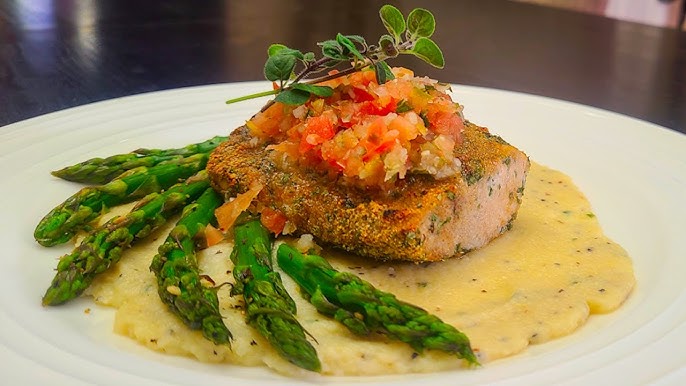
Baked Mahi Recipe: If you’re hunting for a healthy, quick, and flavor-packed dinner idea, you’re going to love this baked Mahi recipe. It’s a foolproof way to get dinner on the table fast without skimping on taste. Mahi-Mahi, also known as dolphinfish (don’t worry, not the mammal), is a lean, firm white fish that soaks up flavors beautifully. Baked with simple ingredients and packed with protein, it’s the kind of dish that fits weeknight meals and dinner parties alike.
In this guide, you’ll learn everything from choosing the right fish, preparing it properly, and baking it to perfection. Plus, we’ll cover seasoning tips, sides, and even how to store your leftovers. Whether you’re a kitchen newbie or a home-cooking pro, this recipe is super beginner-friendly.
Why Choose Mahi-Mahi for Baking?
So, what makes Mahi-Mahi the perfect fish for baking? First off, it has a firm texture, which means it won’t fall apart like more delicate fish such as tilapia. That makes it much easier to work with, especially for beginners. Plus, it doesn’t have an overpowering “fishy” taste. Instead, it has a mild, slightly sweet flavor that pairs well with citrus, herbs, and spices.
Mahi is also extremely versatile—you can bake it, grill it, sauté it, or even use it in tacos. And let’s not ignore how quick it cooks. While other proteins may take hours, Mahi is done in under 20 minutes, making it the perfect protein for busy weeknights. So, if you’re looking for something healthy, fast, and flavorful, baked Mahi is a no-brainer.
Health Benefits of Eating Mahi-Mahi
Eating baked Mahi-Mahi isn’t just tasty—it’s also super healthy. It’s low in calories and high in lean protein, making it a great option if you’re watching your weight or trying to build muscle. You also get a good dose of omega-3 fatty acids, which are great for heart and brain health. Mahi is rich in vitamins like B3 (niacin), B6, and B12, which help support energy production and metabolism.
Even better, it’s lower in mercury than some other larger fish like swordfish or tuna, so it’s safer to eat more often. And if you’re on a keto, paleo, or Mediterranean diet, this fish checks all the boxes. Baked instead of fried, it’s also free of unnecessary oils or breading.
What to Look for When Buying Mahi-Mahi
Buying quality fish is the first step to a delicious meal. If you’re getting fresh Mahi, look for firm, moist fillets with a clean, ocean-like smell. The flesh should be pinkish-beige or light tan, not dull or brownish. Avoid fish that has any fishy or ammonia-like odor—that’s a sure sign it’s not fresh.
For frozen Mahi, check the packaging. It should be vacuum-sealed with no frost or ice crystals (that usually means it’s been thawed and refrozen). Go for wild-caught if possible, as it tends to be more sustainable and flavorful. If you’re buying from a fish counter, don’t hesitate to ask the seller when it was caught or delivered.
Fresh vs Frozen Mahi – Which Is Better?
The great news is that both fresh and frozen Mahi can turn out delicious when baked properly. Fresh is fantastic if you’re lucky enough to get it the same day it was caught. But don’t be afraid of frozen—most frozen Mahi is flash-frozen right after catching, which locks in flavor and nutrients.
If you go the frozen route, make sure to thaw it safely (preferably in the fridge overnight). Never thaw it at room temperature or in warm water—it can lead to uneven defrosting and potential bacteria growth. In short, both are great options—what matters more is the quality and how you handle it.
Kitchen Tools You’ll Need
Before you start, let’s talk tools. Luckily, this recipe doesn’t require anything fancy.
Here’s what you’ll need:
- A sharp knife (for trimming)
- Cutting board
- Baking sheet or oven-safe dish
- Parchment paper or aluminum foil
- Small bowl for mixing marinade
- Basting brush (optional)
- Meat thermometer (optional but helpful)
Having these tools handy will make the prep smooth and mess-free. Trust me—prepping ahead saves time and headaches.
List of Ingredients You’ll Need
You don’t need a long list of ingredients to make baked Mahi delicious. Here’s the core lineup:
Fresh Ingredients
- 4 Mahi-Mahi fillets (about 6 oz each)
- 2 cloves garlic, minced
- 1 lemon (zest and juice)
- Fresh parsley, chopped
- 1 tablespoon fresh thyme or rosemary (optional)
Pantry Staples
- Olive oil (2 tablespoons)
- Salt (to taste)
- Black pepper (to taste)
- Paprika (1 tsp)
- Onion powder (1 tsp)
- Red pepper flakes (optional, for heat)
Optional Add-ons
- Butter (for a richer finish)
- Cherry tomatoes or bell peppers (for a veggie bake)
- White wine (splash for extra flavor)
These ingredients give the fish a bright, zesty, and savory flavor profile. Of course, feel free to adjust the spices to fit your taste preferences.
How to Prep the Mahi-Mahi for Baking
Prepping the fish correctly makes a huge difference in how it turns out.
Thawing the Fish
If using frozen Mahi, let it thaw in the fridge overnight. If you’re in a rush, seal it in a zip-lock bag and submerge in cold water for 30 minutes—never warm water.
Patting Dry
Once thawed (or if using fresh), use paper towels to pat the fillets dry. This helps the seasoning stick and ensures the fish bakes evenly instead of steaming.
Removing Pin Bones
Run your fingers gently along the fillet. If you feel any tiny bones, use tweezers to pull them out. While most store-bought fillets are deboned, it’s good to double-check.
This quick prep routine gets your fish ready for marinating and baking like a pro.
Step-by-Step Guide to Making Baked Mahi
Let’s break it down into simple steps that are easy to follow—even if you’re not super confident in the kitchen.
Step 1: Make the Marinade
In a small bowl, mix together:
- 2 tablespoons olive oil
- Juice and zest of 1 lemon
- Minced garlic
- Paprika, onion powder, salt, pepper
- Optional: a pinch of red pepper flakes
Stir well to combine.
Step 2: Marinate the Fish
Place the Mahi fillets in a dish or resealable bag. Pour the marinade over the fish and coat well. Let it sit for at least 20–30 minutes. If you have time, marinate for 1 hour in the fridge.
Step 3: Preheat the Oven
Set your oven to 400°F (200°C). While it heats up, line a baking sheet or dish with parchment paper or lightly grease it.
Step 4: Bake the Fish
Place the marinated fillets on the baking sheet. Bake uncovered for 12–15 minutes, depending on thickness. The internal temp should reach 137°F–145°F.
Want a golden finish? Broil for the last 2 minutes.
Step 5: Serve and Enjoy!
Sprinkle with chopped parsley and a squeeze of lemon juice before serving.
Best Seasonings and Marinades for Mahi
One of the great things about Mahi-Mahi is that it acts like a flavor sponge—it soaks up marinades beautifully. While the lemon-garlic version is a classic, there are endless ways to season this fish based on what you love and have on hand.
Here are some amazing seasoning ideas:
Citrus Herb Marinade
- Lemon or lime juice
- Olive oil
- Garlic
- Fresh thyme or basil
- Sea salt and black pepper
This bright, fresh combo is light and perfect for spring or summer meals.
Spicy Cajun Rub
- Paprika
- Cayenne pepper
- Garlic powder
- Onion powder
- Salt & pepper
Perfect if you love bold, Southern-inspired flavors. Just rub it on dry or add a little oil to make a paste.
Asian-Inspired Glaze
- Soy sauce or tamari
- Ginger
- Garlic
- Honey or brown sugar
- Sesame oil
This gives the Mahi a sweet-savory depth and pairs well with rice and stir-fried veggies.
No matter which seasoning route you go, don’t forget that Mahi doesn’t need hours to marinate. Even 30 minutes can give great results thanks to its lean, absorbent texture.
How Long to Bake Mahi (By Thickness)
Cooking fish can feel intimidating at first, especially if you’re scared of overcooking it (we’ve all been there). The good news is, baking Mahi is super simple once you know the basic timing rules.
General Rule of Thumb:
Bake Mahi for 10 minutes per inch of thickness at 400°F (200°C).
Here’s a simple breakdown:
- ¾-inch thick: 10–12 minutes
- 1-inch thick: 12–14 minutes
- 1.5-inch thick: 14–16 minutes
If you’re unsure, use a meat thermometer. Mahi is perfectly cooked when the internal temp hits 137°F–145°F. You’ll also know it’s ready when it flakes easily with a fork and turns opaque all the way through.
Pro tip: If the edges start to look dry, your fish is likely overcooking—take it out right away!
How to Know When Mahi Is Perfectly Cooked
Overcooked fish is dry, chewy, and—let’s face it—disappointing. On the flip side, undercooked fish can be unsafe to eat. So how do you hit that perfect sweet spot?
Look For These Signs:
- Color Change: Raw Mahi is slightly translucent. When done, it turns white and opaque.
- Flake Test: Stick a fork into the thickest part and twist slightly. It should flake easily and cleanly.
- Firm Texture: It should feel firm but still moist, never rubbery or tough.
Using a thermometer? Take the fish out when it reaches 137°F and let it rest. Residual heat will carry it to 145°F, keeping it juicy and safe to eat.
Don’t forget—every oven is different. Keep an eye on it, especially if it’s your first time.
Best Side Dishes to Serve with Baked Mahi
You’ve got your perfectly baked Mahi… now what do you serve with it? Don’t worry—I’ve got you covered with side dish ideas that are easy, delicious, and complement the fish beautifully.
Fresh and Light Options:
- Lemon Herb Rice: A citrusy rice pilaf adds brightness and soaks up any juices.
- Steamed Veggies: Think asparagus, broccoli, or green beans for a light, healthy touch.
- Mixed Greens Salad: Toss with vinaigrette, cucumbers, and cherry tomatoes.
Heartier Sides:
- Garlic Mashed Potatoes: Creamy and comforting, these balance out the lightness of the fish.
- Quinoa or Couscous: Great for a protein-packed, Mediterranean-style pairing.
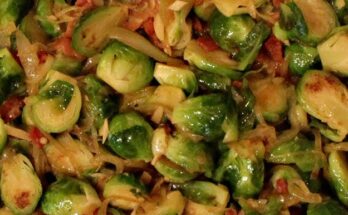
- Roasted Veggies: Carrots, Brussels sprouts, or zucchini add rich flavor and color.
Bonus: Sauces & Garnishes
- Tartar sauce or aioli
- Mango or pineapple salsa
- Fresh lemon wedges
- Chopped herbs (dill, parsley, basil)
Mix and match depending on your mood. You can keep it light for a healthy dinner or go heartier for a more filling meal.
How to Store Leftovers Properly
Made too much? No worries. Baked Mahi stores really well when done right, and you can enjoy it again without losing flavor or texture.
Refrigerating:
- Let the Mahi cool completely before storing.
- Place it in an airtight container.
- Store in the fridge for up to 3 days.
Freezing:
- Wrap the fillets tightly in foil or plastic wrap.
- Store in a freezer-safe bag or container.
- Freeze for up to 2 months.
Before reheating, let the fish thaw in the fridge overnight if it was frozen. Never refreeze fish that’s already been thawed once.
Reheating Tips Without Drying It Out
The trick to reheating baked Mahi is to warm it gently so it doesn’t dry out.
Best Methods:
Oven Method:
- Preheat oven to 275°F.
- Place Mahi on a baking dish with a splash of water or lemon juice.
- Cover with foil and heat for 10–15 minutes.
Stovetop Method:
- Heat a nonstick skillet over low heat.
- Add a small amount of oil or butter.
- Reheat each side for about 2–3 minutes.
Microwave Method (last resort):
- Use a microwave-safe dish and cover the fish with a damp paper towel.
- Heat in 30-second intervals until just warm.
Avoid overheating—it only takes a bit of heat to bring Mahi back to life!
Common Mistakes to Avoid
Even simple recipes can go wrong if you skip key steps. Here are some common mistakes to watch out for:
- Skipping the Drying Step: Moisture on the fillets = soggy texture. Always pat dry before baking.
- Overbaking: It’s the fastest way to ruin fish. Keep an eye on the time and thickness.
- Too Much Marinade Time: Acidic marinades can actually “cook” the fish if left too long. Stick to 30–60 minutes max.
- Using the Wrong Bakeware: Thin metal pans can dry out fish. Go with a ceramic or glass dish if possible.
- Skipping Rest Time: Just like steak, fish benefits from a minute or two of resting after baking.
A little attention to detail goes a long way in making your Mahi unforgettable.
Gluten-Free or Dairy-Free Options
Whether you have dietary restrictions or just want a cleaner meal, it’s super easy to make this baked Mahi recipe both gluten-free and dairy-free without sacrificing flavor.
For Gluten-Free:
The basic recipe is already gluten-free if you’re using simple ingredients like herbs, spices, olive oil, and lemon. Just be sure to:
- Check spice blends and marinades for hidden gluten (some may contain wheat as a thickener or preservative).
- Avoid using soy sauce unless it’s labeled gluten-free (Tamari is a great alternative).
- Pair the fish with gluten-free sides like rice, roasted veggies, or gluten-free quinoa salad.
For Dairy-Free:
The good news? You don’t even need dairy to make Mahi taste amazing. Just:
- Skip any butter or cheese-based toppings.
- Use olive oil instead of butter in your marinade.
- Add richness with avocado slices, a drizzle of olive oil, or a dairy-free aioli.
This makes the dish super inclusive and great for serving to guests with various food needs—while still keeping it flavorful and satisfying.
Variations of the Baked Mahi Recipe
Looking to switch it up a little? Once you master the base recipe, you can start experimenting with different flavors and global cuisines. Here are a few delicious baked Mahi variations you’ll want to try:
Mediterranean Style
- Ingredients: Cherry tomatoes, kalamata olives, red onion, capers, olive oil, oregano.
- How: Top the fish with this mix before baking. It creates a fresh, briny, and vibrant dish that’s packed with flavor.
Spicy Cajun Style
- Ingredients: Cajun seasoning blend, a little brown sugar, garlic powder, paprika, cayenne.
- How: Rub this dry mix onto the fillets, then drizzle with olive oil. The result? A bold, smoky, slightly spicy flavor that pairs great with corn or rice.
Lemon Garlic Butter Style
- Ingredients: Melted butter, minced garlic, lemon juice, chopped parsley.
- How: Mix ingredients and pour over the Mahi before baking. This is rich, classic, and perfect for garlic lovers.
Other fun ideas include tropical fruit salsas (like mango or pineapple), teriyaki glazes, or even pesto. Once you’ve got the hang of the cooking method, the possibilities are endless.
Is Baked Mahi Good for Meal Prep?
Absolutely! In fact, baked Mahi is one of the best types of fish for meal prep. It holds up really well in the fridge, reheats nicely, and pairs with a ton of different sides.
Here’s how to use it in your weekly meals:
Meal Prep Tips:
- Bake 4–6 fillets at once and portion them into airtight containers.
- Pair with different sides to keep things interesting—rice bowls one day, salad the next.
- Store in the fridge for up to 3 days, or freeze portions for longer shelf life.
Mahi is also great cold—add it to wraps or flake it onto a salad for a refreshing protein boost.
Pro tip: Keep sauces and garnishes on the side until you’re ready to eat so the fish doesn’t get soggy.
FAQs about Baked Mahi Recipe
1. Can I use frozen Mahi for this recipe?
Yes! Just make sure to thaw it completely in the fridge overnight before baking. Never thaw it at room temperature or in hot water.
2. What temperature should I bake Mahi-Mahi at?
Bake at 400°F (200°C) for the best results. Depending on the thickness, it usually takes 12–16 minutes.
3. How do I know if my Mahi is overcooked?
Overcooked Mahi becomes dry and tough. Keep an eye on the color (should be opaque) and texture (should flake easily). Using a thermometer is a great way to avoid overcooking.
4. What flavors go best with Mahi-Mahi?
Citrus (lemon/lime), garlic, fresh herbs, and spice blends like Cajun or Mediterranean seasonings pair beautifully with Mahi-Mahi.
5. Can I bake Mahi with vegetables in the same pan?
Yes! Just choose quick-cooking veggies like cherry tomatoes, zucchini, or bell peppers so they finish around the same time as the fish.
Conclusion
Baking Mahi-Mahi at home is one of those things that sounds fancy but is secretly super easy. With just a few simple ingredients, minimal prep, and less than 20 minutes of cook time, you can have a healthy, restaurant-quality dish ready to serve.
Whether you’re making it for your family, meal prepping for the week, or just craving something light and satisfying, this recipe delivers. Plus, you can customize it to fit just about any diet or flavor profile. Remember, the key is in the prep—use quality fish, season it well, and don’t overcook it.
So go ahead—grab some fillets, turn on that oven, and make your next dinner unforgettable with this baked Mahi recipe.