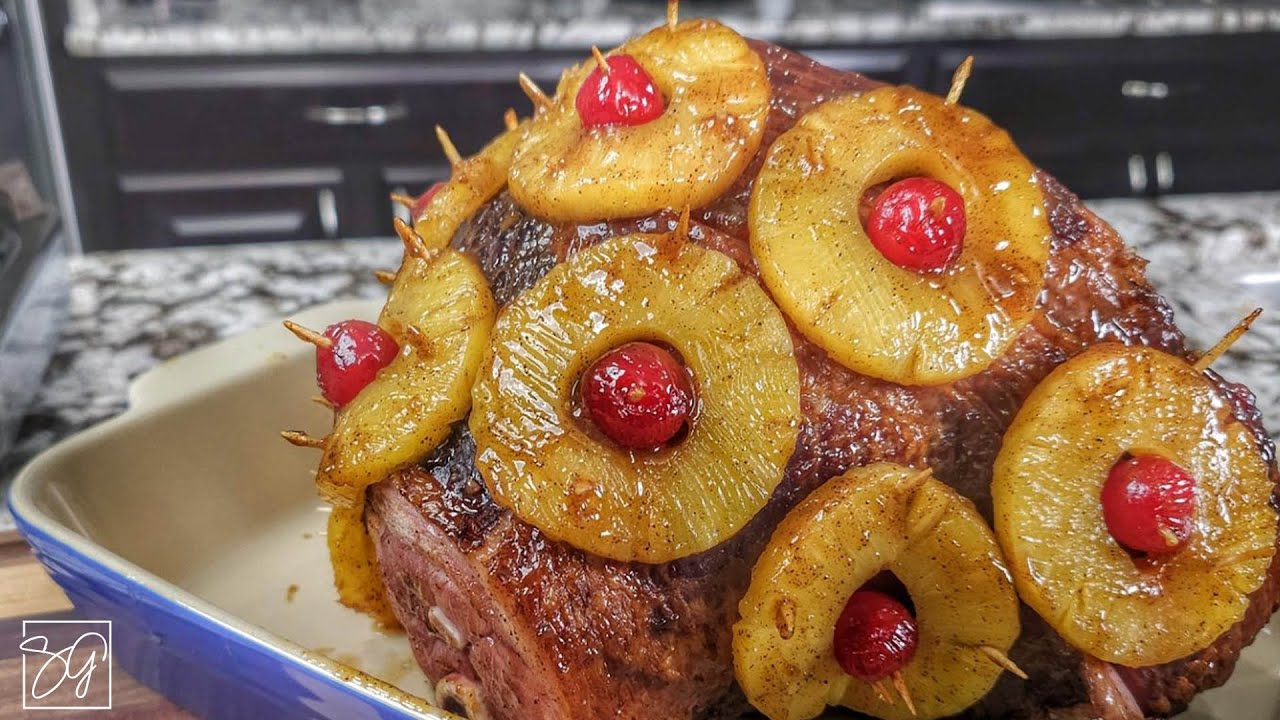
A baked ham shank recipe is one of the most reliable ways to serve a rich, satisfying, and deeply flavorful meal for family dinners, holiday gatherings, and special occasions. When we prepare a ham shank properly, we get tender meat, a beautifully glazed surface, and savory juices that make every slice memorable. In addition, this cut offers excellent value because it delivers bold flavor, attractive presentation, and enough meat to serve a crowd.
In this detailed guide, we will cover everything needed to make baked ham shank perfectly, from selecting the best ham shank to seasoning, glazing, baking, carving, and serving. As a result, we can create a centerpiece dish that looks impressive and tastes even better.
What Is a Ham Shank?
A ham shank is the lower portion of a cured pork leg. It is usually sold bone-in, which means it brings extra flavor and moisture during baking. Compared to other cuts, the ham shank often has a slightly firmer texture and a richer, deeper pork taste. Because of that, it works especially well for slow oven baking with glaze.
Many people choose this cut for celebrations because it is affordable, visually appealing, and easy to season. Moreover, the bone helps keep the meat juicy while the outer surface caramelizes in the oven. When cooked correctly, a baked ham shank develops a glossy coating and a tender interior that slices beautifully.
Why This Baked Ham Shank Recipe Works
This recipe works because it balances gentle baking, moisture retention, and layered flavor. First, we bake the ham covered so it warms through without drying out. Next, we apply a sweet and savory glaze. Finally, we uncover it so the glaze thickens and turns shiny.
This process creates a ham that is:
- Juicy inside
- Golden and flavorful outside
- Easy to carve
- Perfect for holidays and Sunday dinners
- Delicious with classic side dishes
Therefore, if we want a dependable oven ham method, this is one of the best options.
Ingredients You’ll Need
Below is a practical ingredient list for a flavorful oven baked ham shank recipe.
For the Ham
- 1 fully cooked ham shank, about 4 to 6 pounds
- 1 cup water
- 1 tablespoon whole cloves, optional
For the Glaze
- 1 cup brown sugar
- 1/3 cup honey
- 1/4 cup Dijon mustard
- 2 tablespoons apple cider vinegar
- 2 tablespoons orange juice
- 1 teaspoon ground cinnamon
- 1/2 teaspoon ground black pepper
- 1/4 teaspoon ground cloves
- 2 tablespoons melted butter
These ingredients create a glaze that is sweet, tangy, warm, and glossy. At the same time, they complement the smoky, salty flavor of the ham without overpowering it.
Best Ham Shank to Buy
Before we begin, we should choose the right ham. For the best result, buy a fully cooked bone-in ham shank. This type is already cured and smoked, so our goal is to heat it gently and add flavor with glaze.
When shopping, look for:
- Bone-in ham shank for better flavor
- Fully cooked labeling for easier preparation
- A firm surface with good color
- Moderate fat for moisture and richness
Avoid overly dry or damaged cuts. Also, check whether the ham is spiral cut or whole. A whole ham shank is often easier to glaze evenly and carve into thicker slices.
How to Prepare Ham Shank Before Baking
Preparation is simple, yet it makes a big difference. First, remove any packaging and let the ham sit at room temperature for about 30 minutes. This step helps it heat more evenly in the oven.
Next, place the ham on a cutting board and inspect the skin or outer layer. If needed, trim excess tough skin, but leave most of the fat intact. After that, use a sharp knife to lightly score the fat in a diamond pattern. Do not cut too deeply into the meat. This scoring helps the glaze seep into the surface and also improves appearance.
If we want a classic holiday look, we can press whole cloves into some of the diamond intersections. Although optional, cloves add aroma and a traditional presentation.
How to Make the Glaze
A good glaze transforms a simple ham into a standout dish. To make it, combine the brown sugar, honey, Dijon mustard, apple cider vinegar, orange juice, cinnamon, black pepper, ground cloves, and melted butter in a saucepan over medium heat.
Stir the mixture until the sugar dissolves and the glaze becomes smooth. Then simmer for 3 to 5 minutes until slightly thickened. It should coat a spoon lightly but still remain pourable.
This glaze works well because the brown sugar and honey create sweetness and shine, while the mustard and vinegar cut through the richness of the pork. Meanwhile, the orange juice and spices add depth and warmth.
Step-by-Step Guide to Baking Ham Shank
Step 1 – Preheat the Oven
Preheat the oven to 325°F (163°C). This moderate temperature is ideal because it heats the ham gently and prevents the exterior from drying out too soon.
Step 2 – Place the Ham in the Roasting Pan
Set the ham shank cut-side down in a roasting pan or baking dish. Then pour 1 cup of water into the bottom of the pan. The water creates steam, which helps keep the meat moist during baking.
Cover the pan tightly with foil. This is important because the first stage of baking should warm the ham without losing too much moisture.
Step 3 – Bake the Ham Covered
Bake the covered ham for about 15 to 18 minutes per pound. Since most ham shanks are fully cooked, we are reheating rather than fully cooking raw pork. The target internal temperature should reach 140°F (60°C).
During this stage, the meat slowly becomes hot and tender. As a result, it will be ready to absorb the glaze in the next step.
Step 4 – Glaze the Ham
About 30 to 40 minutes before the ham is done, remove it from the oven and carefully uncover it. Brush a generous layer of glaze over the entire surface, especially into the scored lines.
Return the ham to the oven uncovered. Every 10 minutes, brush on more glaze. This repeated glazing builds flavor and creates a glossy finish.
Step 5 – Caramelize the Surface
As the final glaze layers bake, the sugars will darken and become sticky. Watch closely near the end to prevent burning. If the glaze starts browning too quickly, loosely tent the ham with foil.
By the end, the surface should look shiny, richly colored, and slightly caramelized.
Step 6 – Rest Before Slicing
Once the ham reaches temperature, remove it from the oven and let it rest for 15 to 20 minutes. This resting time allows the juices to settle. Consequently, the slices stay moist and neat instead of losing their juices immediately.
How to Know When Baked Ham Shank Is Ready
The best way to check doneness is with a meat thermometer. Insert it into the thickest part of the ham without touching the bone. A fully cooked ham is ready when it reaches 140°F (60°C) after reheating.
In addition, the glaze should be set and glossy, and the meat should smell rich and savory. The outer surface should not look pale or wet. Instead, it should appear lacquered and well-finished.
How to Slice Ham Shank Properly
Carving a ham shank is easy when we do it in stages. First, place the ham on a stable cutting board. Then use a sharp carving knife to cut slices around the bone. Because the shank has a central bone, we may need to rotate it as we carve.
Cut thin or medium slices depending on how we plan to serve it. Thin slices are perfect for platters and sandwiches, while thicker slices suit dinner plates better. Keep the slices arranged neatly and spoon some warm pan juices or extra glaze over the top for added flavor.
Best Side Dishes for Baked Ham Shank
A flavorful baked ham shank pairs well with many traditional sides. Because ham has a savory and slightly sweet profile, it works especially well with creamy, buttery, and roasted dishes.
Excellent side dishes include:
- Mashed potatoes
- Roasted sweet potatoes
- Mac and cheese
- Green beans
- Glazed carrots
- Dinner rolls
- Cornbread
- Coleslaw
- Baked beans
- Scalloped potatoes
For a full meal, we can serve ham with one starch, one vegetable, and a soft bread. That combination feels complete, comforting, and festive.
Tips for the Best Baked Ham Shank Recipe
A few useful techniques can improve the final result even more.
Choose Bone-In for Better Flavor
Bone-in ham shank usually tastes richer and stays juicier during baking.
Do Not Overbake
Since the ham is already cooked, too much oven time can dry it out. Therefore, use a thermometer and remove it once it is properly heated.
Score the Fat Lightly
Scoring helps the glaze cling better and gives the ham a classic appearance.
Glaze in Layers
One coat is not enough. Repeated brushing creates a deeper flavor and a better shine.
Rest Before Slicing
Cutting too soon releases the juices. Resting keeps the meat moist.
Use Pan Juices
The liquid in the roasting pan contains concentrated flavor. Spoon a little over the sliced ham before serving.
Common Mistakes to Avoid
Even a simple ham recipe can go wrong without care. Here are a few mistakes to avoid:
Baking at Too High a Temperature
High heat can toughen the outside before the inside warms through.
Skipping the Covering Stage
Foil protects the ham from drying during the first phase of baking.
Applying Glaze Too Early
If the glaze goes on too soon, it may burn before the ham is fully heated.
Ignoring Internal Temperature
Time helps, but temperature gives the most accurate result.
Cutting Without Resting
Resting makes the ham easier to carve and better to eat.
How to Store Leftover Baked Ham Shank
Leftover ham is extremely useful because it can be turned into several easy meals. After serving, let the ham cool slightly, then store it in an airtight container in the refrigerator for up to 4 days.
For longer storage, wrap portions tightly and freeze for up to 2 months. When reheating, do so gently with a splash of broth, water, or leftover glaze to preserve moisture.
Ways to Use Leftover Ham Shank
One of the best things about this recipe is that leftovers rarely go to waste. We can use extra ham in:
- Sandwiches
- Omelets
- Fried rice
- Ham and potato soup
- Pasta dishes
- Breakfast casseroles
- Salads
- Ham sandwiches with mustard
- Beans and stews
The leftover bone can also be simmered in soups for extra depth and smoky flavor.
Serving Ideas for Special Occasions
Because a baked ham shank recipe looks elegant and serves many people, it is ideal for festive meals. We can place it on a large platter, garnish it with orange slices, fresh herbs, or roasted vegetables, and serve it as the centerpiece of the table.
For holidays, it pairs especially well with rich and colorful dishes. For a regular family dinner, it still feels special without being difficult to prepare. That balance makes it one of the most practical main dishes for home cooking.
FAQs about Baked Ham Shank Recipe
1. What is a ham shank?
A ham shank is the lower portion of the ham leg. It is flavorful, slightly firmer, and often used for baking because it stays juicy when cooked properly.
2. Is a ham shank fully cooked?
Many ham shanks are sold fully cooked or smoked, but some are uncooked. We should always check the package label before baking.
3. How do we keep baked ham shank moist?
We can keep it moist by covering it with foil, adding a little liquid to the pan, and avoiding overbaking.
4. What flavors go well with baked ham shank?
Ham shank pairs well with brown sugar, honey, mustard, garlic, herbs, cloves, and fruit-based glazes.
5. Should we score the ham before baking?
Yes, lightly scoring the surface can help the glaze soak in and create a more attractive finish.
6. How long does baked ham shank take to cook?
The baking time depends on whether it is fully cooked or raw, as well as its size. Larger ham shanks need more time to heat through or cook completely.
7. Can we glaze a ham shank?
Yes, glazing is very common. A glaze adds sweetness, color, and extra flavor during the final stage of baking.
8. What can we serve with baked ham shank?
It pairs well with mashed potatoes, roasted vegetables, rice, bread, casseroles, or salads.
9. Can baked ham shank be made ahead of time?
Yes, it can be baked ahead and reheated gently before serving.
10. How should we store leftovers?
We should keep leftover ham shank in an airtight container in the refrigerator for 3 to 4 days and reheat it before serving.
Final Thoughts
A well-made baked ham shank delivers everything we want in a hearty main course: deep flavor, tender slices, attractive glaze, and dependable results. With the right baking method, a balanced glaze, and careful timing, we can turn a simple cured pork cut into a dish that feels festive, comforting, and memorable.
This recipe succeeds because it focuses on the essentials. We gently heat the ham, layer it with a rich glaze, and finish it until the outside becomes beautifully caramelized. As a result, every bite tastes savory, juicy, and full of classic oven-baked flavor.
When we want a crowd-pleasing dish that looks impressive and tastes even better, this baked ham shank recipe is always a smart choice.