Baked Feta Pasta Recipe: Baked feta pasta isn’t just another food trend—it’s a whole vibe. If you’ve been anywhere near social media lately, chances are you’ve seen this creamy, cheesy, tomato-packed pasta dish making waves. But it’s not just about its popularity. This recipe hits the perfect balance between ease, taste, and presentation. It’s the kind of dish that feels gourmet without the fuss.
You don’t need to be a professional chef to whip this up. In fact, with just a handful of ingredients and a few simple steps, you’ll have a dinner that’s ready to impress. Whether you’re cooking for a weeknight meal or hosting a casual dinner with friends, baked feta pasta delivers every time.
Why This Recipe Went Viral
Let’s be honest—recipes go viral for a reason. This one? It’s all about that one-pan magic. Throw your ingredients into a baking dish, let the oven do its thing, and voilà! Dinner’s almost done before you’ve even boiled the pasta.
But beyond its simplicity, there’s something magical that happens in the oven. The feta cheese gets golden and gooey, the cherry tomatoes burst with sweetness, and the garlic roasts to perfection. Stir it all together with some cooked pasta and you’ve got a creamy, tangy, savory delight that tastes like you spent hours in the kitchen.
What Makes It So Special?
It’s the flavor combo. The tanginess of feta cheese, the natural sweetness of roasted tomatoes, the mellow punch of garlic, and the freshness of herbs—it all comes together like a culinary symphony. Plus, it’s endlessly customizable, which makes it perfect for anyone, no matter your dietary preferences.
And let’s not forget the aesthetics. That golden-baked feta block surrounded by vibrant red tomatoes is pure Instagram gold. But the taste? Even better.
Ingredients You’ll Need
Core Ingredients
This recipe is gloriously simple, so the ingredients are key. Here’s what you’ll need:
- 1 block of feta cheese (about 200g – full-fat works best)
- 2 cups of cherry or grape tomatoes
- 3 cloves of garlic (minced or whole—your call)
- 1/4 cup olive oil (extra virgin, preferably)
- Salt and black pepper to taste
- Fresh basil or parsley for garnish
- 8 oz (about 225g) pasta (penne, fusilli, or your favorite)
You’ll want to use high-quality feta—preferably the kind that comes in brine. It melts beautifully and gives that creamy texture you’re after.
Optional Add-ins for Extra Flavor
Want to take things up a notch? Here are a few optional ingredients you can throw in:
- Red pepper flakes – for a little heat
- Chopped onions or shallots
- Olives – Kalamata adds a nice briny bite
- Sun-dried tomatoes – deepen the tomato flavor
- Spinach or arugula – added after baking for freshness
These additions can help tailor the dish to your taste or mood. Got leftovers in the fridge? Toss them in—this pasta loves variety.
Step-by-Step Cooking Instructions
Step 1: Preheat the Oven
Start by preheating your oven to 400°F (200°C). This ensures everything bakes evenly and the feta reaches that perfect golden-brown top. A good hot oven is key to getting the tomatoes to burst and caramelize just right.
While it’s heating, grab your baking dish—a medium-sized one will do just fine.
Step 2: Arrange the Ingredients
Place the block of feta in the center of your baking dish. Surround it with the cherry tomatoes. Toss in the garlic cloves (either minced or whole if you want a milder flavor). Drizzle the entire thing with olive oil, making sure everything gets a nice coating.
Season generously with salt and freshly cracked black pepper. If you’re adding red pepper flakes or onions, now’s the time to sprinkle them in.
Pop it in the oven and let the magic happen.
Step 3: Bake Until Bubbly and Golden
Bake for 30-35 minutes, or until the tomatoes have burst and released their juices, and the feta looks soft, melty, and slightly browned on top.
Don’t rush this step. The longer it bakes, the more flavor develops. You want the tomatoes caramelized, not just warm. That sweet, rich tomato flavor is key.
The dish should be sizzling when you pull it out—this means it’s ready for the next step.
Step 4: Cook the Pasta
While your feta and tomatoes are doing their thing in the oven, it’s time to cook your pasta. Fill a large pot with water, bring it to a boil, and toss in a generous pinch of salt. Salted water is your best friend here—it infuses the pasta with flavor from the inside out.
Add your pasta of choice (fusilli, penne, rigatoni, or even spaghetti work great) and cook it al dente, following the package instructions—usually around 8 to 10 minutes. Remember, you don’t want it too soft; it’ll get a bit more tender when mixed with the hot sauce later.
Once cooked, reserve 1/2 cup of pasta water, then drain the rest. That reserved water can help loosen up the sauce if needed, making it creamier and helping everything cling to the noodles beautifully.
Step 5: Mix Everything Together
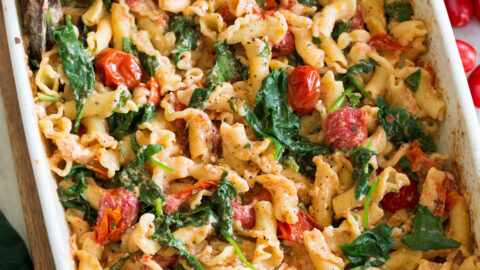
Here comes the fun part—assembling the masterpiece. Take the baking dish out of the oven. Use a fork or spoon to mash the feta and tomatoes together right in the dish. As you mix, the juicy tomatoes and olive oil blend with the melted feta to form a luscious, velvety sauce.
Now, dump in your drained pasta and toss it all together until each noodle is coated in the rich, creamy sauce. If it feels too thick, add a splash or two of that reserved pasta water until you reach your desired consistency.
Finish it off with a handful of chopped fresh basil or parsley, and maybe a drizzle more olive oil or a sprinkle of red pepper flakes for some kick. Serve hot—and watch it disappear!
Tips for the Perfect Baked Feta Pasta
Choosing the Right Feta
Not all feta is created equal. For this dish, avoid pre-crumbled feta—it doesn’t melt well and often lacks the full flavor of the real deal. Go for a full-fat block of feta, preferably one stored in brine. It melts into a creamy, tangy base that’s the heart of the entire dish.
Greek feta, in particular, has a strong, tangy taste and creamy texture that pairs perfectly with the sweetness of the tomatoes. Bulgarian or French feta works too, but they’re usually a bit milder or creamier—great if you want a less intense flavor.
Pasta Shapes That Work Best
While you can technically use any pasta, certain shapes shine with this kind of sauce. Look for short, ridged pasta that can hold onto the creamy mixture. Think:
- Fusilli – Spirals trap sauce like a dream.
- Rigatoni – Tubes that fill up with cheesy goodness.
- Penne – A classic that never disappoints.
- Cavatappi – Twisty, bouncy, and fun.
Avoid overly delicate pasta shapes that won’t hold up to the thick sauce. And if you love twirling your pasta, spaghetti or linguine are fair game too—but be ready for a messier (delicious) experience.
Fresh Herb Toppings
Herbs bring brightness and balance to the richness of the feta. Fresh basil is a go-to—it adds a pop of green and a sweet, peppery flavor. Parsley works if you want something a bit earthier.
Feel free to experiment with:
- Chopped oregano for Mediterranean vibes.
- Mint if you’re feeling adventurous.
- Chives for a mild oniony kick.
Don’t have fresh herbs? Dried ones are fine, just use them sparingly. And always add fresh herbs at the end, after baking, to preserve their flavor and texture.
Variations and Customizations
Vegan Option
Craving a plant-based version? You’re in luck! Swap the feta with vegan feta-style cheese—many brands offer coconut oil-based alternatives that melt beautifully. Just check that it’s a block-style version, not crumbled.
Also, double-check that your pasta is egg-free, and you’re good to go. The rest of the ingredients are naturally vegan-friendly.
To boost the flavor even more, you can add a splash of lemon juice, nutritional yeast, or even a spoonful of plant-based cream to the final mix. Trust us—it still slaps.
Gluten-Free Version
No need to miss out if you’re gluten-sensitive. Just use your favorite gluten-free pasta—it works just as well in this recipe. Brown rice pasta, chickpea pasta, or even lentil pasta can hold up to the creamy sauce and deliver that satisfying bite.
Keep an eye on cook time though—gluten-free pasta tends to cook a bit faster. Don’t overcook it or it might fall apart during mixing.
Adding Protein: Chicken, Shrimp, or Tofu
Looking to level up the dish with some protein? Here’s how:
- Grilled Chicken – Cooked and sliced, then tossed in with the pasta.
- Shrimp – Sauté in olive oil with garlic and chili flakes, then fold in at the end.
- Tofu – Cube and roast it separately, or pan-fry for a crispy contrast.
These protein options make it more filling, perfect for a hearty dinner. Just season them well so they stand up to the bold feta and tomato flavors.
Storing and Reheating Leftovers
Best Practices for Storage
If you happen to have leftovers (which, let’s be honest, is rare with a dish this good), storing them properly ensures the flavors stay intact. Transfer the cooled pasta into an airtight container and refrigerate. It’s best eaten within 3 to 4 days, while the sauce is still fresh and creamy.
The feta sauce tends to thicken in the fridge, so don’t be surprised if it looks a bit clumpy when cold. That’s totally normal—it’ll loosen up beautifully once reheated.
If you’re meal prepping or making this ahead, consider storing the sauce and pasta separately. This keeps the texture of both components intact and makes reheating a breeze.
How to Reheat Without Drying Out
The key to reheating this pasta is gentle heat and a bit of moisture. Here are a few methods to keep it just as luscious as when you first made it:
- Stovetop: Heat a splash of water, milk, or broth in a skillet, then add your pasta and stir gently over medium heat until warmed through.
- Microwave: Add a bit of liquid to your container, cover it loosely with a lid or microwave-safe wrap, and heat in 30-second intervals, stirring in between.
- Oven: Place in a baking dish with a tablespoon or two of water or olive oil. Cover with foil and bake at 350°F (175°C) for about 15-20 minutes.
Avoid high heat, as it can dry out the sauce and make the pasta rubbery. A slow, steady reheat will return your pasta to its creamy glory.
FAQs about Baked Feta Pasta Recipe
Can I use crumbled feta instead of a block?
Technically yes, but it won’t melt the same way. Crumbled feta is often coated in anti-caking agents that prevent it from becoming creamy. A block of full-fat feta will give you the best results every time.
What can I use instead of cherry tomatoes?
Grape tomatoes work great, but you can also use diced Roma or heirloom tomatoes. Just be sure they’re ripe and sweet—this balances the tanginess of the feta perfectly.
Can I make this dish in advance?
Absolutely. You can bake the feta and tomatoes ahead of time and store the sauce separately. When ready to serve, cook fresh pasta and mix it in. A quick reheat on the stove will bring it all together.
Is this recipe kid-friendly?
Very much so! If your kids aren’t into strong flavors, use a milder feta or even mix in a little cream cheese to soften the tang. You can also cut back on the garlic or chili flakes to make it more palatable for young taste buds.
How do I make it more spicy?
Spice lovers, rejoice! Add more red pepper flakes, a chopped chili, or even a spoonful of harissa or chili crisp to the baking dish before it goes in the oven. You can also finish with hot sauce for an extra kick.
Conclusion
Baked feta pasta isn’t just another recipe—it’s a revolution in your weeknight dinner game. In less than an hour, with minimal effort and simple ingredients, you get a dish that’s bursting with flavor, packed with creamy, cheesy goodness, and versatile enough to customize a hundred different ways.
Whether you’re cooking for yourself, a partner, or your entire family, this dish delivers every time. It’s bold, it’s comforting, it’s Instagram-worthy—and best of all, it tastes even better than it looks.
So go ahead, preheat that oven, grab a block of feta, and let your kitchen fill with the aroma of roasted garlic and sweet tomatoes. You’ll see exactly why this recipe became a viral sensation—and why it deserves a permanent spot in your dinner rotation.