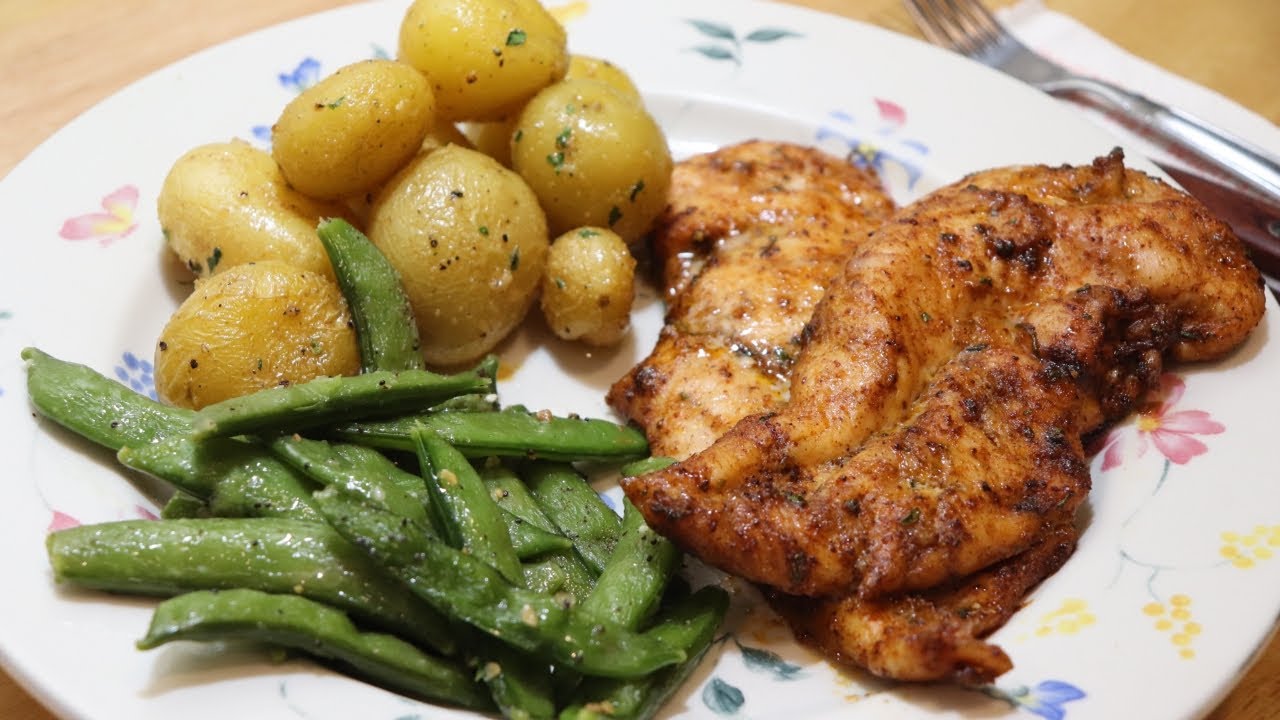
Baked Chicken Breast Recipe: If there’s one recipe every home cook should master, it’s baked chicken breast. Simple? Yes. Easy to mess up? Also yes.
We’ve all had it — dry, rubbery, bland chicken that feels like chewing cardboard. But here’s the truth: baked chicken breast can be incredibly juicy, flavorful, and tender when done correctly.
Let’s break it down step by step.
Why This Baked Chicken Breast Recipe Works
The Science Behind Juicy Chicken
Chicken breast is lean. That means it has very little fat. Fat equals moisture. Less fat means it dries out quickly.
The secret? Controlled heat and proper seasoning. Cooking at the right temperature and pulling it out at the exact internal temperature makes all the difference.
Common Mistakes People Make
- Overcooking
- Not seasoning enough
- Skipping resting time
- Baking straight from the fridge
- Not using a thermometer
Small mistakes. Big consequences.
Ingredients You’ll Need
Main Ingredients
- 4 boneless, skinless chicken breasts
- 2 tablespoons olive oil
- 1 teaspoon salt
- ½ teaspoon black pepper
- 1 teaspoon garlic powder
- 1 teaspoon paprika
- ½ teaspoon onion powder
Optional Flavor Boosters
- 1 tablespoon butter (for richness)
- 1 teaspoon dried thyme
- 1 teaspoon dried oregano
- 1 tablespoon lemon juice
- Fresh parsley (for garnish)
Herb Variations
- Italian seasoning
- Rosemary and thyme
- Cajun spice blend
Marinade Add-Ins
- Soy sauce
- Dijon mustard
- Honey
- Greek yogurt
Think of seasoning as personality. Chicken without seasoning is like a movie without a soundtrack — flat and forgettable.
Kitchen Tools Required
- Baking dish or sheet pan
- Aluminum foil
- Meat thermometer
- Small mixing bowl
- Tongs
- Sharp knife
How to Choose the Best Chicken Breast
Fresh vs Frozen
Fresh is convenient. Frozen works too — just thaw completely before cooking.
Organic vs Regular
Organic may offer better quality, but the cooking method matters more than the label.
Look for:
- Pink color
- Firm texture
- No strong odor
Step-by-Step Guide to Baking Chicken Breast
Step 1 – Preheat and Prepare the Pan
Preheat your oven to 400°F (200°C). Lightly grease a baking dish or line it with parchment paper to prevent sticking and make cleanup easier.
Step 2 – Pat Dry and Trim
Remove the chicken breasts from packaging and pat them dry with paper towels. Trim any excess fat or loose pieces. Drying the surface helps the seasoning stick better and promotes even browning.
Step 3 – Season Generously
Drizzle a small amount of olive oil over both sides of the chicken. Season with salt, black pepper, garlic powder, paprika, or your preferred herbs. Rub the seasoning evenly over the surface.
Step 4 – Optional Brining Method
For extra juicy chicken, consider a quick brine. Dissolve salt in warm water, cool it, and soak the chicken breasts for 15–30 minutes. Pat dry thoroughly before seasoning.
Step 5 – Arrange Properly in Baking Dish
Place the chicken breasts in a single layer in the baking dish. Avoid overcrowding, as space allows heat to circulate evenly.
Step 6 – Bake at the Right Temperature
Bake uncovered for 18–25 minutes, depending on thickness. Thicker pieces may require a few extra minutes. Avoid overbaking to prevent dryness.
Step 7 – Check Internal Temperature
Use a meat thermometer inserted into the thickest part. The chicken is safe and perfectly cooked at 165°F (74°C).
Step 8 – Rest Before Slicing
Remove the chicken from the oven and let it rest for 5–10 minutes. Resting allows the juices to redistribute, keeping the meat tender and flavorful. Slice and serve warm.
How Long to Bake Chicken Breast
Baking Time Chart
- 5 oz breast: 18–20 minutes
- 7 oz breast: 20–23 minutes
- 9 oz breast: 23–25 minutes
Thickness determines time.
Internal Temperature Guide
Safe minimum temperature: 165°F (74°C).
You can remove at 160°F. It will continue cooking during resting.
How to Keep Chicken Breast From Drying Out
The Foil Tent Method
Cover loosely with foil halfway through baking.
Butter Basting Trick
Add small cubes of butter on top before baking.
Melts into flavor.
Flavor Variations
Garlic Butter Baked Chicken
Add melted butter and minced garlic before baking.
Lemon Herb Version
Add lemon slices and fresh thyme.
Spicy Paprika Style
Add cayenne pepper and smoked paprika.
Serving Suggestions
Side Dishes That Pair Perfectly
- Roasted vegetables
- Mashed potatoes
- Rice pilaf
- Garden salad
Meal Prep Ideas
Slice and store in containers for:
- Wraps
- Salads
- Pasta dishes
- Sandwiches
Storage and Reheating Tips
Refrigerate up to 4 days.
Freeze up to 3 months.
Reheat gently at 300°F covered with foil.
Nutritional Information (Per Serving)
- Calories: ~220
- Protein: 35g
- Fat: 8g
- Carbs: 0g
High protein. Low carb. Lean and clean.
Expert Tips for Perfect Results
- Pound thick breasts evenly
- Let chicken sit at room temp 15 minutes before baking
- Always rest before slicing
- Use a thermometer — always
Cooking chicken without a thermometer is like driving blindfolded.
FAQs about Baked Chicken Breast Recipe
1. Can I bake chicken at 350°F instead?
Yes, you can bake chicken at 350°F (175°C). However, it will take slightly longer—usually around 25–30 minutes, depending on thickness. Always monitor closely to avoid overcooking.
2. Should I cover chicken while baking?
You can loosely tent the chicken with foil halfway through baking if you notice it browning too quickly. Covering helps retain moisture and prevents the surface from drying out.
3. Why is my chicken rubbery?
Rubbery chicken is most often caused by overcooking. When chicken is exposed to heat for too long, the proteins tighten and squeeze out moisture. Baking just until it reaches 165°F (74°C) helps maintain tenderness.
4. Can I bake frozen chicken?
Yes, frozen chicken can be baked safely. Increase the cooking time by about 50%, and ensure the internal temperature reaches 165°F (74°C). Avoid seasoning heavily until the surface begins to thaw slightly.
5. How do I know if it’s fully cooked without a thermometer?
Cut into the thickest part—if the juices run clear and the meat is no longer pink, it’s likely done. However, using a meat thermometer is always the safest and most accurate method.
Conclusion
Baked chicken breast doesn’t have to be dry or boring. With the right temperature, proper seasoning, and careful timing, you can create juicy, flavorful chicken every single time.
Master this recipe once, and you’ll never fear cooking chicken again.