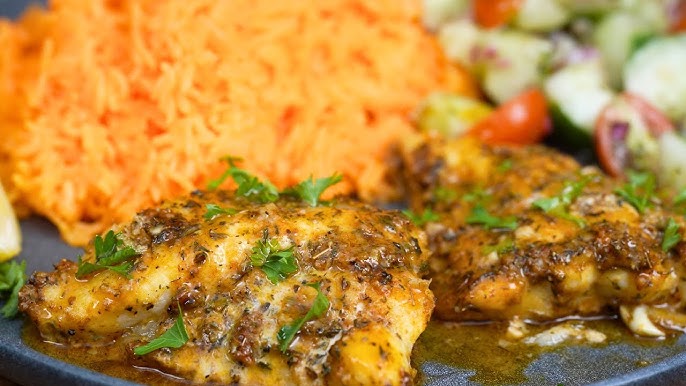
Baked Catfish Recipe: There’s nothing quite like the satisfying taste of a well-seasoned, perfectly baked catfish fillet. It’s warm, tender, slightly crispy on the edges, and bursting with flavor. Whether you’re new to cooking fish or you’re a seasoned pro, baked catfish is a straightforward, healthy option that always impresses. It’s not only flavorful but also much lighter than fried alternatives, making it a go-to dish for health-conscious foodies.
Why Choose Baked Catfish?
When you think of catfish, fried might be the first word that comes to mind. But baking this fish offers a different kind of culinary experience—cleaner, simpler, and just as tasty. Baked catfish brings out the natural mild sweetness of the fish without drowning it in grease. It’s less messy to prepare, cooks evenly, and is an excellent canvas for all sorts of herbs, spices, and marinades. Plus, baking catfish preserves more nutrients than frying, making it a smarter option for those watching their intake.
Health Benefits of Catfish
Catfish is low in calories but high in protein, which makes it a stellar option for lean eating. It’s rich in omega-3 fatty acids and vitamin B12, both of which are essential for heart and brain health. Compared to other fish, it’s also lower in mercury, which makes it a safer seafood choice for pregnant women and children. Eating catfish can support immune function, improve brain health, and even help with muscle repair and growth.
Ingredients You’ll Need
Before you start cooking, let’s make sure your pantry and fridge are stocked with everything necessary for a delicious meal.
Main Ingredients
Here’s what you’ll need to make the most basic version of baked catfish:
- Catfish Fillets – Fresh or thawed, skinless fillets work best.
- Olive Oil or Butter – For moisture and flavor.
- Lemon Juice – Adds a zesty freshness that complements the fish.
- Garlic Powder – A flavor essential.
- Onion Powder – Rounds out the garlic for depth.
- Paprika – Adds color and a smoky edge.
- Salt and Black Pepper – For basic seasoning.
Optional Add-Ons for Extra Flavor
Want to level up your flavor game? Try these extras:
- Cayenne Pepper or Chili Flakes – For a spicy kick.
- Fresh Herbs (like Dill, Parsley, or Thyme) – For brightness.
- Parmesan Cheese – A sprinkle on top gives a crispy finish.
- Breadcrumbs – Adds a golden, crunchy texture.
You don’t need all of these, but even a couple can make a huge difference in taste.
Kitchen Tools and Preparation
Having the right tools and setup can make your cooking process smooth and stress-free.
Must-Have Tools
Here’s what to keep handy:
- Baking Dish or Sheet Pan
- Aluminum Foil or Parchment Paper
- Basting Brush (for olive oil or butter)
- Measuring Spoons
- Mixing Bowl
- Oven Mitts
These tools ensure you have a clean, organized process from start to finish.
Preparing Your Station
Preparation is key. Start by:
- Cleaning the workspace.
- Lining your baking dish with foil or parchment to avoid sticking.
- Prepping your fillets – rinse and pat dry with paper towels.
- Pre-mixing your seasonings in a small bowl for easy application.
Trust us, a little organization goes a long way in making this a smooth cooking experience.
Step-by-Step Cooking Instructions
Let’s get into the actual process of transforming raw catfish into something mouthwatering.
Step 1: Preheat and Prep
Preheat your oven to 375°F (190°C). This gives you a perfect balance—hot enough to cook quickly but not so hot it dries out the fish. While it heats, prepare your baking dish with foil and lightly grease it with oil or cooking spray.
Step 2: Seasoning the Catfish
Brush both sides of your fillets with olive oil or melted butter. Then generously season them with your mix of garlic powder, onion powder, paprika, salt, and pepper. If you’re going the extra mile with spices or herbs, now’s the time to sprinkle them on.
Let the fish sit for about 10 minutes at room temperature. This helps the seasoning absorb and makes the texture more even when baking.
Step 3: Baking the Fish
Place the fillets in the prepared baking dish. Make sure they’re laid flat and not overlapping. Bake in the preheated oven for 20-25 minutes, depending on the thickness of the fillets. You’re looking for a flaky texture where the fish easily separates with a fork.
Step 4: Checking Doneness
To ensure your catfish is fully cooked, insert a fork into the thickest part of the fillet. It should flake easily and have an opaque color. The internal temperature should reach 145°F (63°C) if you’re using a meat thermometer.
Step 5: Serving Suggestions
Serve hot with lemon wedges, steamed vegetables, or a fresh salad. Catfish also pairs wonderfully with rice, roasted potatoes, or even southern-style cornbread if you’re feeling traditional.
Tips for the Best Baked Catfish
Want to take your baked catfish from good to unforgettable? These pro tips will help you elevate the flavor, texture, and presentation without complicating the process.
- Don’t Skip the Drying Step – Patting the fillets dry ensures that your seasonings stick better and helps the fish bake more evenly. Moisture on the surface can create steam, which will make the texture soggy instead of crispy.
- Use a Wire Rack for Extra Crispiness – Placing the fillets on a wire rack over a baking sheet allows hot air to circulate around the fish, giving it a slightly crispy edge on all sides without flipping.
- Marinate Ahead of Time – If you’ve got the time, marinate your catfish for 30 minutes in a mix of lemon juice, garlic, and olive oil. This enhances flavor and keeps the fish tender and juicy.
- Add a Crunchy Topping – A mix of seasoned breadcrumbs and grated Parmesan sprinkled over the fillets before baking adds a delicious crust that makes each bite more satisfying.
- Don’t Overcook – Catfish is delicate and can turn dry if baked too long. Keep a close eye on it during the final minutes of baking. When it flakes easily and is opaque throughout, it’s done.
- Let It Rest Before Serving – Just like with meat, letting your baked fish rest for a few minutes before serving helps lock in the juices and enhance the overall flavor.
Nutritional Value of Baked Catfish
Baked catfish isn’t just tasty—it’s packed with nutritional benefits that make it a healthy addition to your weekly menu. Here’s a breakdown of what you get in one average 4-ounce baked catfish fillet:
| Nutrient | Amount |
|---|---|
| Calories | 120-150 kcal |
| Protein | 20-25 g |
| Total Fat | 5-7 g |
| Saturated Fat | 1-2 g |
| Carbohydrates | 0-2 g |
| Omega-3 Fatty Acids | ~250 mg |
| Vitamin B12 | 100% DV |
| Selenium | 60% DV |
| Phosphorus | 25% DV |
This lean protein source is ideal for weight loss, heart health, and muscle maintenance. Compared to fried options, baking cuts down on calories and unhealthy fats significantly, making it a smart pick for nearly any diet.
Common Mistakes to Avoid
Even a simple recipe like baked catfish can go sideways if you’re not careful. Here are the most common pitfalls—and how to dodge them:
- Over-seasoning the Fish – It’s tempting to go heavy on the spices, but too much can overpower the mild flavor of catfish. Keep it balanced.
- Skipping the Preheat – Baking in a cold oven means your fish won’t cook evenly and may end up underdone in spots and dry in others.
- Using Frozen Fish Without Thawing – Always thaw your fillets completely and pat them dry. Baking frozen fish leads to uneven cooking and watery texture.
- Crowding the Pan – Give each fillet enough space on the baking dish. If they’re touching, they’ll steam instead of bake, which kills the crispy edges.
- Not Using a Meat Thermometer – Undercooked fish can be unsafe. Invest in a simple meat thermometer to ensure your catfish hits the ideal 145°F internal temperature.
Variations and Flavor Ideas
Love to mix it up in the kitchen? This baked catfish recipe is a perfect base for all kinds of delicious variations:
- Cajun Style – Add Cajun seasoning or blackened spice rub for a bold, Southern kick.
- Mediterranean Style – Use olive oil, lemon, garlic, oregano, and cherry tomatoes for a Mediterranean twist.
- Asian Inspired – Try a marinade with soy sauce, ginger, garlic, and a dash of sesame oil before baking.
- Herb Crusted – Mix chopped fresh herbs with breadcrumbs and olive oil for a green, crunchy topping.
You can even bake it in foil packets with veggies like bell peppers, onions, and zucchini for a one-pan meal that’s easy to clean up.
FAQs about Baked Catfish Recipe
1. Can I bake catfish without oil?
Yes, but it may result in a drier texture. Using even a small amount of oil or butter helps retain moisture and enhances flavor.
2. How do I know if my catfish is done?
The fillet should flake easily with a fork and be opaque throughout. A meat thermometer should read 145°F in the thickest part.
3. Can I use frozen catfish fillets?
Yes, but thaw them completely and pat dry before baking for even cooking and better texture.
4. What sides go well with baked catfish?
Popular sides include rice, mashed potatoes, coleslaw, steamed veggies, cornbread, or a fresh garden salad.
5. How can I store leftovers?
Refrigerate in an airtight container for up to 3 days. Reheat in the oven or air fryer to retain crispiness.
Conclusion
Baked catfish is a simple yet flavorful dish that brings together health, taste, and versatility. It’s easy enough for a weeknight dinner yet elegant enough to serve at gatherings. With the right seasonings, thoughtful prep, and a watchful eye in the oven, you’ll end up with a meal that’s light, flaky, and loaded with flavor.
What’s great about this recipe is that it’s endlessly customizable. Whether you’re in the mood for spicy Cajun vibes or something more citrusy and fresh, baked catfish can adapt to fit your craving. And let’s not forget—it’s also affordable and quick to prepare, which makes it a home cook’s dream.
So next time you’re wondering what to do with that catfish in your freezer or at the store, you’ve got the answer. Bake it. Season it. Savor it.