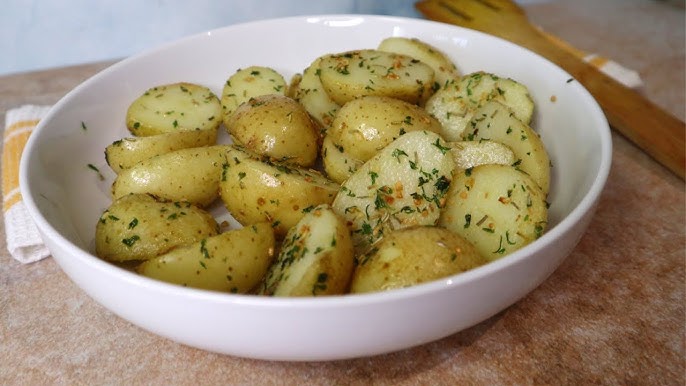
Baby Potatoes Recipe: If you’ve never cooked with baby potatoes before, you’re missing out on a whole world of flavor-packed goodness. These tiny, tender potatoes are incredibly versatile, quick to cook, and they soak up seasoning like a dream. Unlike larger potatoes that often require peeling, baby potatoes are typically cooked with their skins on, which adds a lovely texture and a bit of a rustic charm to your dishes. Plus, the skin contains nutrients and fiber, making them a healthier option. Whether you’re roasting them for a crispy side dish, tossing them in a creamy salad, or mashing them for something unique, baby potatoes elevate any meal they’re added to.
But beyond their practical appeal, baby potatoes also shine because they offer a sweet, buttery flavor that pairs beautifully with herbs, spices, and sauces. They cook evenly, are naturally portion-sized, and present beautifully on a plate. If you’re cooking for a crowd or just making a quick meal at home, they’re a go-to ingredient that never fails to impress.
What Makes This Recipe Special
This baby potato recipe stands out because it’s simple, customizable, and foolproof—even for beginners. With a crisp outside and a fluffy, tender inside, this recipe strikes the perfect balance between indulgent and wholesome. Whether you’re aiming for comfort food or something fancy, these little spuds deliver.
We’re going to guide you step by step through the process: from picking out the perfect batch of baby potatoes, seasoning them like a pro, and roasting or pan-frying them until they’re golden brown and packed with flavor. By the end, you’ll have a go-to method for making baby potatoes that works every time—and wows every time too.
List of Ingredients You’ll Need
Core Ingredients
Let’s keep it simple to start. The beauty of this recipe is that you don’t need a ton of complicated ingredients. Here’s what you’ll need:
- Baby Potatoes – 1 to 1.5 pounds, washed and scrubbed (no need to peel!)
- Olive Oil – 2 to 3 tablespoons for roasting or frying
- Garlic – 3 to 4 cloves, minced or crushed
- Salt – to taste
- Black Pepper – freshly ground, to taste
- Fresh Herbs – parsley, thyme, or rosemary (optional but highly recommended)
These ingredients create a solid base of flavor and texture. They’re pantry staples in most homes, which means you can whip up this dish almost any time without a special grocery run.
Optional Add-Ons for Flavor
Want to level up your baby potatoes? Try adding some of these extras to your mix:
- Paprika or Smoked Paprika – adds warmth and depth
- Chili Flakes – for a spicy kick
- Grated Parmesan – for a cheesy finish
- Butter – swap out or combine with olive oil for richness
- Lemon Zest or Juice – adds brightness and cuts through the richness
- Dijon Mustard – creates a zesty glaze
Mix and match these based on your flavor profile. The best part is you can try different combos every time.
Kitchen Tools Required
No fancy gadgets required, just the basics:
- Large mixing bowl
- Sharp knife
- Cutting board
- Baking sheet or large frying pan
- Parchment paper (if roasting)
- Colander (for draining boiled potatoes)
- Spatula or tongs
Simple tools. Maximum results.
Preparation Tips Before Cooking
How to Select the Best Baby Potatoes
Start strong by choosing the right kind of potatoes. Baby potatoes come in several varieties—Yukon Gold, red potatoes, and even purple potatoes. Look for these features when picking them out:
- Firm texture
- Smooth, unblemished skin
- Similar size for even cooking
- No sprouts or green spots
Small, uniform potatoes will cook more evenly and look better on the plate. The fresher they are, the better they’ll taste—so check for firmness and color before buying.
Washing and Prepping Tips
Baby potatoes don’t need peeling, which is a huge time saver. But they do need a good scrub. Use a vegetable brush or the rough side of a sponge to remove any dirt from the skins. Rinse them thoroughly under cold water.
If some potatoes are much larger than others, consider cutting them in half. This ensures even cooking and gives you more crispy surfaces when roasting or frying.
Want extra crispiness? After boiling, let the potatoes cool slightly and then give them a light smash with the back of a spoon. This opens up more surface area to crisp up in the pan or oven.
Boiling vs Roasting – Choosing the Right Method
Both methods have their perks. Boiling gives you a fluffy interior, while roasting brings the crispy golden edges everyone loves. So why not do both?
Boil first, then roast or fry. It’s a chef’s trick that guarantees perfect texture and flavor. Here’s why:
- Boiling ensures they’re fully cooked inside.
- Roasting gives them the crunch and caramelization.
- Pan-frying delivers even browning with buttery notes.
It’s the best of both worlds and the secret behind restaurant-quality baby potatoes.
Step-by-Step Cooking Guide
Step 1 – Cleaning and Prepping Baby Potatoes
Start by scrubbing your baby potatoes under cold water. Remove any dirt or blemishes. No need to peel unless the skin looks damaged.
Place them in a bowl and cover with water until you’re ready to cook. This prevents them from drying out or discoloring. If you have time, soak them for 20 minutes—this removes excess starch and helps with crisping later on.
Cut any oversized potatoes so that all pieces are roughly the same size. Uniformity = even cooking.
Step 2 – Boiling for Perfect Texture
Bring a large pot of salted water to a boil. Add the potatoes and cook for 10-15 minutes or until fork-tender but not falling apart.
Drain the potatoes in a colander and let them cool slightly—about 5 minutes. This is where you can get creative. Gently press them with a spatula or the bottom of a glass to flatten them slightly. This creates more surface area for crispiness.
Optional: Toss the slightly smashed potatoes back in the pot and shake them around. This roughs up the edges just a bit and adds more crunch when they’re roasted or fried.
Step 3 – Seasoning with Herbs and Spices
Now that your potatoes are prepped and boiled, it’s time to add flavor. Seasoning is where the magic happens. In a large mixing bowl, toss the potatoes with olive oil, salt, and pepper. Use enough oil to coat every potato—this helps them crisp up beautifully during roasting or pan-frying.
Want to take it further? Add minced garlic, fresh or dried rosemary, thyme, or parsley. Garlic infuses the oil and gives that irresistible aroma and taste. Herbs add freshness and an earthy punch that balances the rich starchiness of the potatoes.
For bolder flavors, sprinkle on paprika or chili flakes. You can also mix in a dash of lemon zest for brightness. If you’re going for cheesy potatoes, wait to sprinkle Parmesan until the last few minutes of cooking so it melts without burning.
Pro Tip: Massage the seasoning into the potatoes gently with your hands or a spatula to make sure every bite is flavorful.
Step 4 – Roasting or Pan-Frying for Crispiness
You’ve got two great options here: oven roasting or pan-frying. Each gives the potatoes a different kind of crisp and flavor.
Roasting Method:
- Preheat your oven to 425°F (220°C).
- Line a baking sheet with parchment paper or foil.
- Spread the seasoned baby potatoes in a single layer—avoid crowding them.
- Roast for 25–30 minutes, flipping once halfway through.
- For extra crispness, broil them for 2–3 minutes at the end.
Pan-Frying Method:
- Heat 2–3 tablespoons of olive oil or butter in a large skillet over medium-high heat.
- Place potatoes cut side down (if halved or smashed) and fry undisturbed for 4–5 minutes.
- Flip and fry the other side until golden brown and crispy.
- Add minced garlic and herbs in the last minute of cooking to prevent burning.
Both methods are quick and result in crispy, golden perfection. Choose the one that fits your mood—or try both over time to discover your favorite.
Step 5 – Final Touches and Serving Suggestions
Once your baby potatoes are crispy and golden, it’s time to dress them up.
- Sprinkle with fresh herbs like parsley or chives for color and a burst of freshness.
- Add a touch of grated Parmesan or crumbled feta for cheesy depth.
- Drizzle with lemon juice, balsamic glaze, or garlic butter for an extra flavor boost.
- Want some heat? Finish with a dash of hot sauce or a sprinkle of cayenne.
Now serve them hot! These potatoes are super versatile and go with nearly everything. From roasted meats to grilled veggies, sandwiches, and even breakfast eggs—they always complement the plate.
Variations of Baby Potato Recipes
Garlic Butter Baby Potatoes
This is the ultimate comfort version of baby potatoes. The rich, creamy flavor of butter paired with roasted garlic is hard to beat.
To make it:
- Melt 3 tablespoons of butter in a skillet.
- Add 4–5 cloves of minced garlic and sauté until fragrant.
- Toss in your roasted or boiled baby potatoes and mix until well coated.
- Finish with parsley and a pinch of sea salt.
These are perfect for serving with steak, grilled chicken, or even on their own as a cozy snack.
Spicy Masala Baby Potatoes
Take your baby potatoes on a flavor adventure with Indian-inspired spices.
Here’s how:
- After boiling, toss the potatoes in a mix of turmeric, chili powder, coriander, cumin, and garam masala.
- Pan-fry with mustard seeds, curry leaves, and chopped onions until everything is golden and aromatic.
- Finish with fresh cilantro and a squeeze of lime juice.
This version is spicy, vibrant, and pairs wonderfully with rice, naan, or yogurt dips.
Cheesy Baked Baby Potatoes
Cheese lovers, this one’s for you. You can go gooey and indulgent with this variation.
Steps:
- Boil or roast your potatoes as usual.
- Transfer to a baking dish and top with a blend of shredded mozzarella, cheddar, and Parmesan.
- Bake at 375°F (190°C) for 10–12 minutes until bubbly and golden.
- Sprinkle with green onions and a few bacon bits if you’re feeling extra.
Serve with sour cream or ranch dressing on the side for the full comfort food experience.
Serving Suggestions
Best Dishes to Pair With
Baby potatoes are one of the most adaptable sides in your cooking arsenal. Here are some perfect pairings:
- Grilled or roasted meats – beef, chicken, pork, or lamb
- Seafood – especially salmon or garlic butter shrimp
- Egg dishes – great for brunch with scrambled or poached eggs
- Burgers and sandwiches – as a crispy, fun alternative to fries
- Salads – pair with leafy greens for a wholesome meal
You can even add them to a bowl meal with grains, protein, and roasted veggies for a balanced dinner.
Presentation Tips for Guests
Want to impress your guests? Presentation matters. Try these ideas:
- Serve in a rustic wooden bowl or cast iron skillet for a cozy, farm-to-table feel.
- Sprinkle with microgreens or edible flowers for elegance.
- Serve individual portions in mini ramekins or on skewers for party-style servings.
- Add dipping sauces on the side—garlic aioli, sour cream, or spicy ketchup.
Baby potatoes are naturally cute and photogenic—dress them up a little, and they’re ready for any occasion.
Health Benefits of Baby Potatoes
Nutritional Profile
Baby potatoes are not just tasty—they’re packed with nutrients that make them a smart choice for any meal. Unlike what many people assume, potatoes aren’t just “carbs.” They offer a lot more than that.
Here’s a quick glance at what one cup of boiled baby potatoes (with skin) provides:
- Calories: 130–140
- Carbohydrates: 30g
- Protein: 3g
- Fiber: 2–3g
- Vitamin C: 30–35% of the daily value
- Vitamin B6: 10–15% of the daily value
- Potassium: Over 600mg (more than a banana!)
- Iron and Magnesium: Small but valuable amounts
The skin of the baby potato holds a good amount of fiber and nutrients, so keeping the skin on (as this recipe does) adds a nutritional bonus.
Why Baby Potatoes Are Healthier Than You Think
There’s a myth that potatoes are “unhealthy” or “fattening,” but that’s mostly due to how they’re prepared—think deep-fried or loaded with cheese and cream. When prepared with minimal oil and seasoned with herbs, baby potatoes are incredibly healthy.
Here’s why baby potatoes should be part of your diet:
- Low in fat: Naturally fat-free unless you add butter or oil.
- High in satiety: Keeps you full for longer due to their fiber and starch content.
- Slow-digesting carbs: Offer sustained energy and help regulate blood sugar.
- Gut-friendly: The resistant starch formed after cooling cooked potatoes helps feed beneficial gut bacteria.
- Heart health: Rich in potassium, which helps regulate blood pressure and supports heart function.
When you roast or pan-fry them in healthy oils and pair them with herbs, garlic, and lemon juice, you’re turning this humble veggie into a nutrient-dense superstar.
Storage and Reheating Tips
How to Store Leftovers Properly
So, you’ve made a big batch of delicious baby potatoes—what now? The good news is that they store quite well. Here’s how to keep them fresh and flavorful:
- Let them cool completely before storing. Trapping steam in a container can make them soggy.
- Use an airtight container and store them in the refrigerator.
- They’ll stay fresh for 3–5 days, but the sooner you eat them, the better they’ll taste.
If you want to meal-prep, baby potatoes can be boiled in advance and stored plain, then roasted or pan-fried fresh when you’re ready to serve. This method keeps them from drying out and gives you fresh results every time.
Best Reheating Methods
Reheating baby potatoes is simple, but there are better ways than just tossing them in the microwave. Here are the top options:
Oven or Toaster Oven
- Preheat to 375°F (190°C)
- Spread potatoes on a baking tray
- Reheat for 10–15 minutes until warmed through and crispy
Air Fryer
- Set to 350°F (175°C)
- Air fry for 5–8 minutes for a crispy finish
Pan-Fry Method
- Heat a little olive oil or butter in a skillet
- Reheat the potatoes for 5–7 minutes on medium heat, turning occasionally
Microwave (Last Resort)
- Place in a microwave-safe dish
- Cover loosely with a damp paper towel
- Microwave for 1–2 minutes
(Note: This won’t restore crispiness)
Avoid freezing cooked baby potatoes, as the texture tends to get grainy and unpleasant once thawed.
Common Mistakes to Avoid
Overcooking or Undercooking
One of the biggest letdowns with baby potato recipes is poor texture. If they’re undercooked, they’re too firm and unpleasant to bite. If overcooked, they become mushy and fall apart.
Tips to get it right:
- Use a fork to test doneness while boiling—they should be just tender, not falling apart.
- If roasting after boiling, slightly undercook during the boil phase so they finish cooking in the oven without getting mushy.
- Don’t skip cooling time after boiling—hot potatoes will continue cooking even off the heat.
Perfect timing is the key to fluffy interiors and crispy exteriors.
Using the Wrong Oil or Seasoning
Using low-quality oil or skipping seasoning can take your baby potatoes from wow to meh.
Avoid these common missteps:
- Don’t use extra-virgin olive oil for pan-frying—it has a low smoke point and can burn. Use regular olive oil, avocado oil, or ghee instead.
- Don’t over-season before tasting—potatoes absorb salt fast.
- Don’t skip the herbs and acid (lemon juice/vinegar)—they elevate the overall flavor.
Also, avoid crowding your pan or baking sheet. Crowding causes steaming, not roasting, which means no crisp edges.
FAQs about Baby Potatoes Recipe
1. Can I use regular potatoes instead of baby potatoes?
Yes, but you’ll need to cut them into smaller pieces for even cooking. Baby potatoes are preferred because they have thinner skins, cook faster, and look better when served.
2. How do I make baby potatoes crispy without an oven?
Use a skillet with a bit of oil or butter. Smash the boiled potatoes slightly, then pan-fry on medium-high heat until golden and crispy on all sides. Don’t overcrowd the pan.
3. What herbs go best with baby potatoes?
Fresh rosemary, thyme, parsley, dill, and chives work wonderfully. Dried herbs like oregano and Italian seasoning are great too. For an extra punch, add lemon zest or garlic.
4. Can I make this recipe vegan?
Absolutely! Just skip the butter and cheese, and stick to olive oil or plant-based butter. Use vegan cheese alternatives if you’re craving that cheesy twist.
5. How long do cooked baby potatoes last in the fridge?
Stored in an airtight container, they’ll last about 3–5 days. Reheat them in a pan, oven, or air fryer for best results. Avoid microwaving if you want to maintain crispiness.
Conclusion
By using simple techniques like boiling then roasting, seasoning with bold herbs and spices, and finishing with flavorful touches, you can transform these humble spuds into something special. Plus, they pair with practically everything, making them a go-to side for any occasion.
So the next time you’re wondering what to cook as a side dish—remember this recipe. Your future self (and your tastebuds) will thank you.