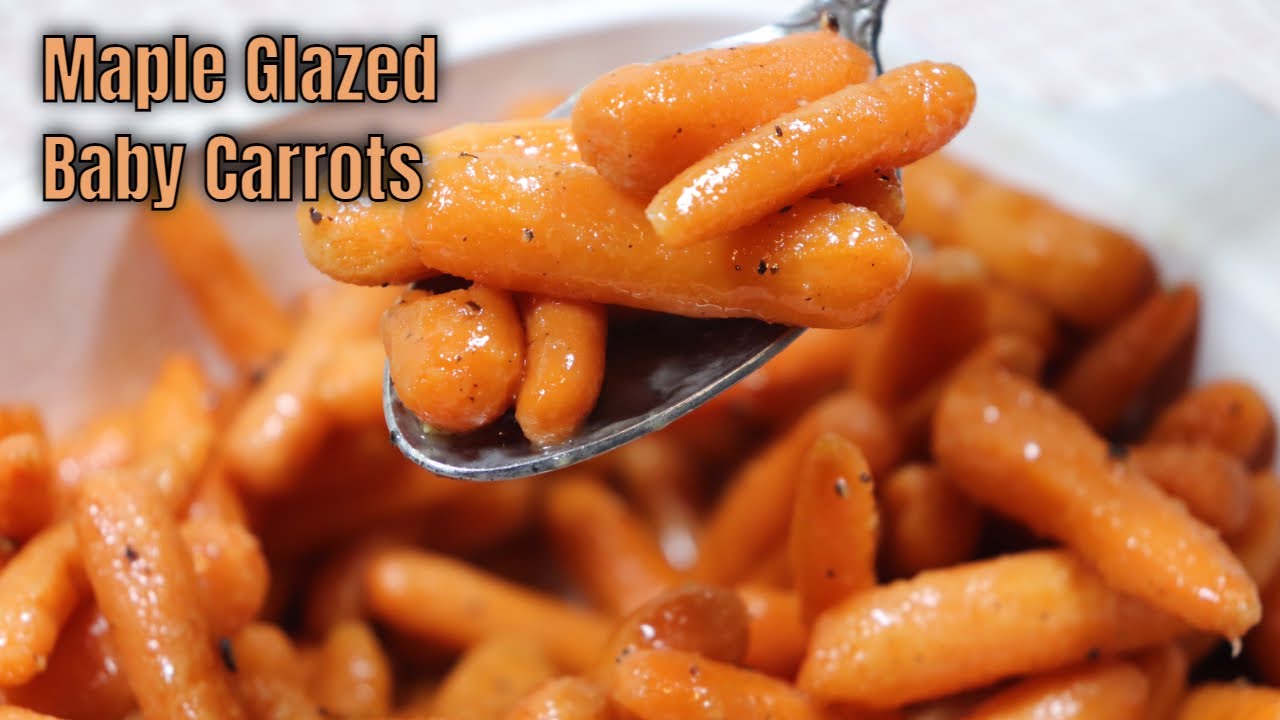
Baby Carrots Recipe: Baby carrots—those petite, bite-sized orange gems—are more than just a healthy snack. They can be transformed into a delicious, comforting side dish that’s both nutritious and crowd-pleasing. Whether you’re preparing a weeknight dinner or a holiday feast, this baby carrots recipe offers a simple yet flavorful way to elevate your meal.
Why are baby carrots so loved? For starters, they’re naturally sweet, low in calories, and rich in essential nutrients like beta-carotene, fiber, and vitamin K. When cooked properly, they turn tender and slightly caramelized, absorbing flavors beautifully. Plus, their vibrant color makes any plate more appealing. This guide walks you through everything—from ingredients to final presentation—so you can master the perfect baby carrots recipe at home.
Get ready to impress your family or guests with a side dish that’s as easy as it is elegant. Let’s dive in!
Ingredients You’ll Need
Creating the perfect baby carrots recipe doesn’t require fancy or hard-to-find ingredients. In fact, the simplicity of the ingredient list is part of what makes this dish so accessible and versatile. Here’s what you’ll need:
Basic Ingredients:
- 1 lb baby carrots (pre-washed or peeled)
- 2 tbsp butter (unsalted is best)
- 1 tbsp brown sugar or honey (for a natural glaze)
- 1/2 tsp salt
- 1/4 tsp black pepper
- 1/2 tsp garlic powder or minced garlic (optional)
Optional Add-ons and Variations:
- Fresh herbs like thyme, rosemary, or parsley
- Maple syrup instead of honey or brown sugar
- Cinnamon or nutmeg for a warm, fall-inspired twist
- Lemon juice or zest for a citrusy kick
- Chili flakes for a bit of heat
This ingredient list is your playground. Want something more savory? Add garlic and herbs. Craving sweetness? Lean into honey or maple syrup. Once you get the hang of the base recipe, you can tweak it to suit any mood, season, or dietary preference.
Tools and Kitchen Equipment
Before diving into the cooking process, let’s make sure your kitchen is equipped with the right tools. Fortunately, this baby carrots recipe doesn’t require anything fancy—just a few basics will do.
Essential Utensils:
- Medium-sized pot or saucepan – for boiling or steaming
- Colander – to drain the carrots
- Non-stick skillet or sauté pan – for glazing
- Wooden spoon or silicone spatula – to stir without damaging your pan
- Measuring spoons – for precision
Prep Time vs Cook Time:
- Prep Time: 5 minutes
- Cook Time: 15–20 minutes
- Total Time: 20–25 minutes
If you’re using pre-peeled baby carrots, your prep time is virtually zero. However, if you’re starting with regular carrots, you’ll need an extra 5–10 minutes to peel and cut them into smaller pieces. The overall process is quick and ideal for busy evenings or last-minute meals.
Now that you’ve got your ingredients and tools ready, let’s move on to the step-by-step cooking instructions!
Step-by-Step Cooking Instructions
Step 1: Washing and Preparing the Carrots
Even though most store-bought baby carrots come pre-washed, it’s always a good idea to give them a quick rinse under cold water. This ensures any residual dirt or preservatives are removed. If you’re using large carrots instead, peel them and chop them into evenly-sized, baby carrot-like pieces to ensure uniform cooking.
Dry the carrots with a clean kitchen towel or paper towels. Wet carrots can dilute flavors, so this step is important if you’re planning to glaze or sauté them later.
At this stage, you can also decide if you want to lightly season the carrots with salt or pepper before cooking. A light sprinkle of sea salt can enhance the carrots’ natural sweetness even before they hit the pan.
Step 2: Boiling or Steaming the Carrots
You have two main choices when it comes to softening your baby carrots: boiling or steaming. Both methods are effective, but steaming tends to preserve more nutrients and flavor.
Boiling Method:
- Fill a pot with water and add a pinch of salt.
- Bring it to a boil over medium-high heat.
- Add your baby carrots.
- Boil for 8–10 minutes, or until tender but not mushy.
- Drain with a colander and set aside.
Steaming Method:
- Place a steaming basket in a pot with 1 inch of water.
- Add baby carrots to the basket.
- Cover the pot and steam for 10–12 minutes.
Whether you steam or boil, test doneness by piercing a carrot with a fork—it should slide in easily but still have a slight bite to it. Overcooking will lead to soggy carrots that won’t hold up well to glazing.
Step 3: Sautéing for Extra Flavor
Once your carrots are tender, it’s time to bring on the flavor. Sautéing adds a beautiful golden color and rich, buttery taste that boiling or steaming alone can’t achieve.
Here’s how to do it:
- Heat 2 tablespoons of butter in a large non-stick skillet over medium heat.
- Once melted and bubbling, add the cooked carrots.
- Toss them gently in the butter for 2–3 minutes, making sure they’re coated evenly.
- Add salt, pepper, and any aromatics like garlic or onion powder at this stage.
- Stir occasionally to prevent sticking and ensure even browning.
This step transforms soft, basic carrots into a glossy, flavorful side that’s perfect for serving at dinner parties or holiday meals. Want a richer depth of flavor? Let the butter brown just slightly before adding the carrots—this adds a nutty complexity that’s incredibly delicious.
For an even more elevated taste, sprinkle in some fresh chopped herbs like thyme or parsley during the last minute of cooking. This not only boosts flavor but also adds a fresh burst of color.
Step 4: Glazing with Butter or Honey
This is where the magic really happens. The glazing process takes those tender, sautéed carrots and coats them in a luscious, slightly sweet finish that makes them irresistible—even to picky eaters.
For a classic glaze:
- Add 1 tablespoon of honey (or brown sugar) to the sautéed carrots.
- Stir well so the sweetener melts and begins to coat the carrots evenly.
- Let it cook for another 3–5 minutes, stirring gently to avoid breaking the carrots.
As the sugar or honey cooks down, it creates a shiny, slightly sticky glaze that clings to each carrot, enhancing its natural sweetness. Don’t rush this part—the glaze needs time to reduce slightly and thicken without burning.
Want to switch things up? You can substitute maple syrup for honey, or add a dash of balsamic vinegar or Dijon mustard for a tangy twist. A pinch of cinnamon or nutmeg adds warmth, making this dish perfect for fall or winter.
This step is also where you can introduce a bit of spice. A pinch of cayenne pepper or red chili flakes adds a surprising kick that balances beautifully with the sweet glaze.
Step 5: Finishing Touches and Garnish
Presentation matters. Once your baby carrots are glazed to perfection, it’s time to plate them up and add a final flourish that makes them pop.
Here’s how to finish strong:
- Transfer the glazed carrots to a serving dish.
- Sprinkle with fresh herbs like parsley, dill, or chives.
- Add a touch of lemon zest or a squeeze of fresh lemon juice for brightness.
- If desired, top with toasted nuts like almonds or pecans for crunch.
These little touches go a long way in elevating your dish from simple to sensational. Not only do they add visual appeal, but they also introduce extra textures and flavor dimensions.
And that’s it—you’ve got beautifully cooked, perfectly glazed baby carrots ready to serve. Whether you’re pairing them with roasted chicken, steak, or a vegetarian spread, they’re sure to be a hit.
Tips for Perfect Baby Carrots Every Time
Even though this baby carrots recipe is pretty foolproof, a few extra tips can help you elevate the dish to a restaurant-quality level every time.
1. Don’t Overcook
This is probably the number one mistake when cooking baby carrots. While they should be tender, they shouldn’t be mushy. Overcooked carrots lose their natural sweetness, texture, and appeal. Always test for doneness with a fork—you want a slight resistance, not a carrot that falls apart.
2. Dry the Carrots Before Sautéing
If you’re boiling or steaming your carrots first, make sure to pat them dry with a paper towel before adding them to a hot skillet. Excess moisture can water down your glaze and keep the carrots from browning properly.
3. Use High-Quality Butter
The flavor of your butter will have a noticeable impact on your final dish. If you can, go for European-style butter or grass-fed varieties. Their higher fat content and rich flavor will give your carrots a gourmet touch.
4. Sweetener-to-Butter Ratio Matters
Don’t dump in too much sugar or honey too early—it can burn quickly and become bitter. Start with a modest amount (1 tablespoon per pound of carrots), and only add more if needed after tasting. This keeps the glaze balanced and prevents it from overpowering the natural carrot flavor.
5. Add Seasonings Gradually
Taste as you go! Season with salt and pepper little by little during each stage of cooking to build layers of flavor. You can always add more, but you can’t take it out once it’s in.
6. Don’t Skip the Garnish
Garnishes like chopped herbs, lemon zest, or toasted seeds not only add color and texture, but they also bring a freshness that balances the richness of the glaze. A simple sprinkle at the end can completely transform your dish.
7. Make It Ahead—but Reheat Gently
Baby carrots can be made ahead of time and stored in the fridge, but reheating too aggressively can ruin their texture. Warm them slowly over low heat in a skillet, adding a splash of water or broth if needed to loosen the glaze.
8. Experiment and Make It Yours
This recipe is endlessly customizable. Want to go spicy? Add a dash of cayenne or smoked paprika. Prefer a herby version? Toss in rosemary and thyme. Want a more complex glaze? Add a teaspoon of Dijon mustard or balsamic vinegar for tang.
With a little creativity, you can turn this base recipe into a signature dish your family looks forward to every time.
Serving Suggestions
Glazed baby carrots are the ultimate sidekick—they go with everything! Whether you’re aiming for a hearty comfort meal or a light, clean dinner, these little gems fit right in.
1. Classic Pairings
Baby carrots go exceptionally well with roasted meats. Serve them alongside:
- Roast chicken with rosemary and garlic
- Grilled steak or pork chops
- Thanksgiving turkey or glazed ham
- Lamb chops or pot roast
Their natural sweetness complements savory mains beautifully, acting as a counterbalance to rich flavors.
2. Vegetarian Combinations
For plant-based meals, baby carrots can be paired with:
- Quinoa or couscous salads
- Lentil loaf or veggie patties
- Roasted cauliflower steaks
- Grilled tofu or tempeh
Toss them with some extra olive oil and herbs, and they’ll shine just as brightly next to your vegetarian favorites.
3. Kid-Friendly Options
Let’s face it—getting kids to eat veggies can be a struggle. But with their sweet flavor and soft texture, glazed baby carrots are a win for little palates. Serve them with:
- Chicken tenders or nuggets
- Mac and cheese
- Mashed potatoes
- Grilled cheese sandwiches
The natural glaze and vibrant color make them look like candy, which is often enough to get the picky eaters on board.
4. Special Occasion Platters
These baby carrots look stunning on a holiday platter or buffet table. Dress them up with fresh herbs, citrus slices, or pomegranate seeds for extra flair. They’re also great as part of a mezze or tapas spread—served warm or at room temperature.
Storing and Reheating
Whether you’ve made too much or planned ahead for the week, storing and reheating baby carrots properly is crucial to maintaining their taste and texture. Here’s how to do it right:
How to Store Leftovers
Once your glazed baby carrots have cooled to room temperature, follow these simple storage steps:
- Refrigeration: Place the carrots in an airtight container. Glass containers with tight-fitting lids work best to preserve freshness and prevent odors from seeping in. Store in the refrigerator for up to 4 days.
- Freezing: While not ideal due to texture changes, you can freeze cooked baby carrots. Spread them out on a baking sheet to freeze individually first, then transfer to a freezer-safe bag or container. Use within 2 months for best flavor.
Tip: If you plan to freeze, avoid over-glazing or adding dairy-based ingredients like butter or cream. Freeze them plain, then reheat and glaze fresh when serving.
Reheating Without Ruining Texture
Glazed carrots are best reheated gently to preserve their soft-yet-firm texture and rich flavor. Avoid microwaving if you can—it tends to make them mushy.
Preferred Reheating Methods:
- Stovetop: Place carrots in a skillet with a small splash of water or broth. Cover and warm over low heat, stirring occasionally. Add a bit more butter or glaze if needed.
- Oven: Preheat to 325°F (165°C). Place carrots in a baking dish, cover with foil to trap moisture, and heat for 10–15 minutes.
- Microwave (only if necessary): Place in a microwave-safe bowl, cover with a damp paper towel, and heat in 30-second bursts. Stir gently between intervals.
By treating your leftovers with care, you’ll enjoy a second round of delicious glazed carrots that taste almost as good as the first serving.
FAQs about Baby Carrots Recipe
1. Can I use frozen baby carrots for this recipe?
Yes, you can use frozen baby carrots, but be aware they may be slightly softer in texture. Thaw them first and pat them dry before sautéing or glazing to avoid excess moisture in the pan.
2. How do I make spicy baby carrots?
For a spicy twist, add a pinch of red pepper flakes, cayenne pepper, or a splash of hot sauce during the glazing stage. Balance the heat with a touch of honey or maple syrup to keep flavors rounded.
3. Are baby carrots just cut-up regular carrots?
Many baby carrots are actually shaped from larger carrots. However, there are also “true” baby carrots, which are harvested early. Either kind works perfectly in this recipe.
4. Can I roast baby carrots instead of boiling or steaming?
Absolutely. Roasting brings out a deeper, caramelized sweetness. Toss with olive oil, salt, and pepper, then bake at 400°F (200°C) for 25–30 minutes, stirring halfway through.
5. How long do cooked baby carrots last in the fridge?
Properly stored in an airtight container, glazed baby carrots will last about 3–4 days in the refrigerator. Reheat gently for best results.
Conclusion
If you’ve made it this far, you now know just how easy and rewarding it is to whip up a delicious baby carrots recipe at home. From their irresistible natural sweetness to their bright, crowd-pleasing appearance, baby carrots are a side dish that never goes out of style.
And the best part? Once you master the basic technique, you can adapt the recipe endlessly—spicy, sweet, herby, tangy, or all of the above. Baby carrots truly are the little veggie that could.
Next time you’re in need of a side dish that impresses without stress, this recipe will be your go-to.