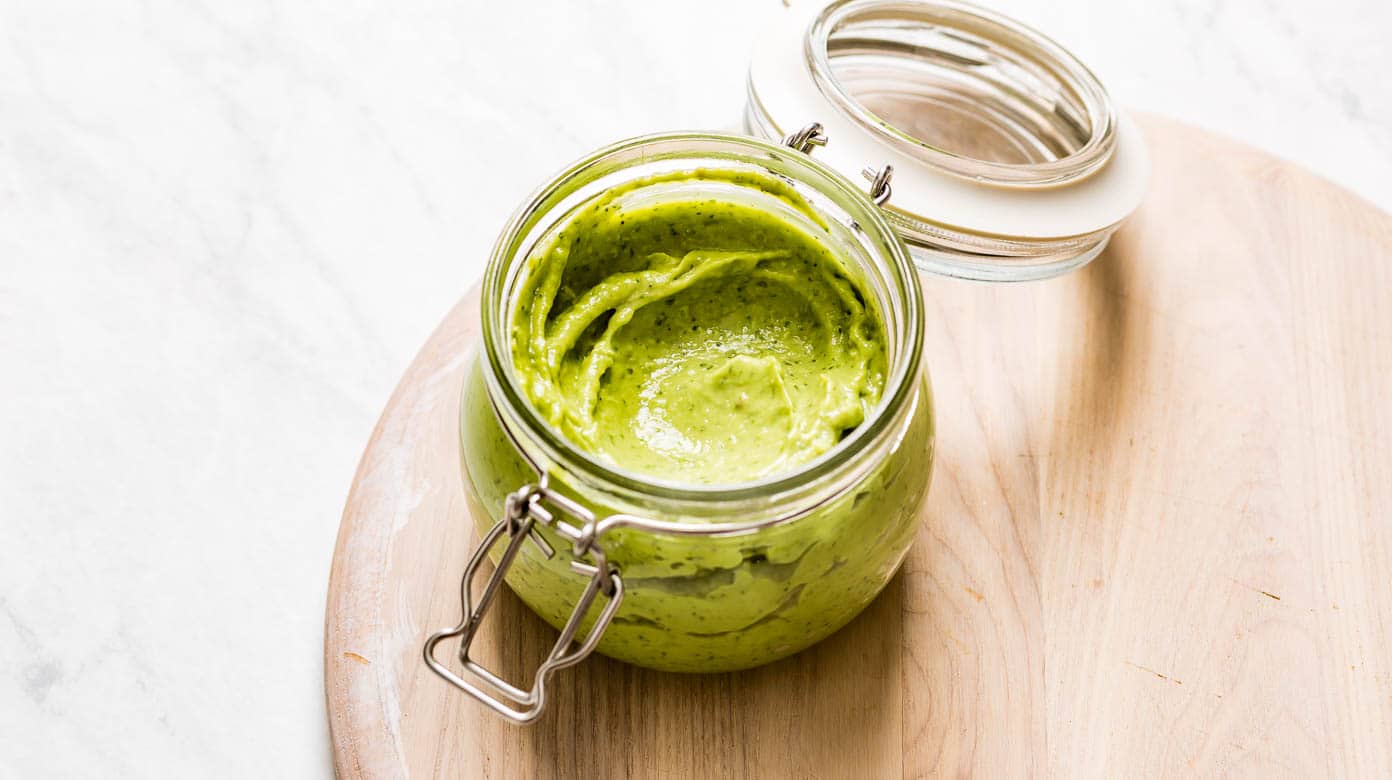
Avocado Dressing Recipe: Let’s face it: when it comes to salad dressings, most of us settle for store-bought bottles that often come with a long list of unpronounceable ingredients. But avocado dressing? That’s a different story. It’s creamy, zesty, and full of real, whole-food ingredients. Plus, it elevates even the most boring salad to a gourmet experience. Avocado brings a natural, buttery texture that makes it the perfect base for a dressing, and it pairs beautifully with herbs, citrus, and spices. Whether you’re looking to eat healthier or just craving something flavorful, this dressing hits the sweet spot.
Health Benefits of Avocado-Based Dressings
Beyond the taste, avocado dressing is packed with nutrients. Avocados are loaded with heart-healthy monounsaturated fats, which help lower bad cholesterol levels and increase good cholesterol. They’re also rich in potassium, fiber, and antioxidants like lutein and zeaxanthin, which support eye health. Unlike processed dressings that often contain added sugars and preservatives, homemade avocado dressing is clean and wholesome. It’s keto-friendly, paleo-approved, and perfect for plant-based diets.
Ingredients You’ll Need
Core Ingredients
Creating a basic avocado dressing requires just a few simple ingredients:
- 1 ripe avocado – Soft to touch, without brown spots
- 1/4 cup extra virgin olive oil – Adds silkiness
- 2 tablespoons lime or lemon juice – Brings tang and freshness
- 1 garlic clove – For depth of flavor
- Salt and pepper – To taste
- 1/4 cup water – Helps achieve desired consistency
This basic combo gives you a smooth, flavorful dressing that can stand on its own or act as a base for other flavor profiles.
Optional Add-Ins for Flavor Variations
To level up your avocado dressing, consider these add-ins:
- Fresh herbs – Cilantro, basil, or parsley for a herby twist
- Greek yogurt or sour cream – For extra creaminess
- Spices – Cumin, paprika, or cayenne for a kick
- Honey or maple syrup – For a touch of sweetness
- Vinegars – Apple cider or white balsamic for brightness
With these variations, you can tweak the recipe to match your dish or mood—zesty for tacos, creamy for Buddha bowls, or spicy for grilled veggies.
Equipment Needed for the Recipe
Blender or Food Processor
You don’t need fancy gadgets to make avocado dressing, but a reliable blender or food processor is key. A high-powered blender will give you that ultra-smooth, restaurant-quality texture. Even a hand-held immersion blender can work in a pinch—just make sure to blend until all chunks are fully incorporated.
Prep Tools You Should Have Handy
Besides your blender, keep these tools within reach:
- Cutting board and sharp knife – To halve and pit your avocado
- Citrus juicer – Makes squeezing limes or lemons easier
- Measuring spoons and cups – For precise quantities
- Spoon or avocado tool – To scoop out that green gold
Having these basics at your fingertips will make the prep quick and hassle-free.
Step-by-Step Guide to Making Avocado Dressing
Step 1: Choose the Right Avocados
Selecting the perfect avocado is crucial. You want one that gives slightly when you press it gently—firm but not hard, soft but not mushy. A bad avocado will ruin your dressing before you even begin. Avoid those with black spots or strings when opened. If your avocado isn’t ripe yet, place it in a paper bag with a banana for a day or two.
Step 2: Prepping Your Ingredients
Start by halving the avocado and removing the pit. Scoop the flesh into your blender. Add olive oil, lime juice, garlic, salt, and pepper. If you’re using herbs or other flavor boosters, toss them in now. Add a bit of water to help it blend smoothly. Don’t overdo it—you can always add more later.
Step 3: Blending It to Perfection
Now comes the fun part. Blend everything on high until you get a silky, uniform dressing. This usually takes about 30 seconds to a minute. Stop and scrape down the sides if needed. Taste and adjust—maybe a pinch more salt, an extra squeeze of lime, or a dash of water to loosen it up. The result should be creamy, pourable, and bursting with flavor.
Tips to Customize Your Avocado Dressing
Flavor Profiles: Tangy, Spicy, or Herby
The beauty of avocado dressing lies in its versatility. Want to make it tangy? Add more citrus—lime juice gives it a bold zest, while lemon adds brightness. Craving a spicy kick? Throw in a bit of jalapeño, red pepper flakes, or a dash of hot sauce. If you’re leaning toward a garden-fresh flavor, toss in some chopped fresh herbs like basil, dill, or cilantro. You can even go smoky by adding a touch of smoked paprika or chipotle in adobo sauce.
Let’s break it down a bit more:
- Tangy Version: Add 1 tbsp apple cider vinegar + extra lime juice
- Spicy Version: Add 1/2 small jalapeño (seeded) + pinch of cayenne
- Herby Version: Add 1/4 cup fresh cilantro or basil
You’re not limited to just one version either—combine tangy with spicy or herby with creamy for a truly dynamic dressing.
Adjusting Thickness and Texture
Not all dishes call for the same dressing texture. Want it pourable for salads? Thin it out with more water, lime juice, or even a splash of almond milk. If you’re using it as a dip for chips or raw veggies, keep it thicker by using less liquid.
Here’s a basic guide:
- Thinner (for salads): Add 2-3 tbsp water
- Medium (for wraps): Stick to the base recipe
- Thicker (for dips): Cut water to 1 tbsp or omit it altogether
The key is to blend, taste, and adjust gradually. A too-runny dressing is hard to fix, but a too-thick one is easy to thin out.
How to Store and Preserve Avocado Dressing
Best Storage Methods
Avocado tends to oxidize quickly, turning brown when exposed to air. But don’t worry—there are tricks to keep your dressing fresh and green. First, transfer your dressing into an airtight container or glass jar. Smooth the top so there are no air pockets, then press a piece of plastic wrap directly onto the surface before sealing the lid.
Alternatively, pour a thin layer of olive oil or lemon juice over the surface to act as a barrier against air. Store it in the fridge and always use a clean spoon to scoop it out to avoid contamination.
How Long It Lasts and How to Tell If It’s Gone Bad
Avocado dressing typically lasts 3 to 5 days in the refrigerator when stored properly. The acidity from the lime or lemon helps preserve it. If it starts to develop a grayish-brown color, smells off, or has a sour taste, it’s time to toss it.
Pro tips to maximize shelf life:
- Use a glass container instead of plastic—it helps prevent discoloration.
- Don’t double dip—this keeps bacteria out.
- Label it with the date so you don’t forget when you made it.
Best Ways to Use Avocado Dressing
As a Salad Dressing
This one’s a no-brainer. Avocado dressing pairs beautifully with almost any salad. Drizzle it over mixed greens, romaine lettuce, spinach, or even kale. It’s especially tasty on taco salads, quinoa bowls, or grain-based salads like farro or bulgur. Add some grilled chicken, black beans, roasted veggies, or corn, and boom—you’ve got a restaurant-quality meal at home.
Try it with these combos:
- Southwest Salad: Romaine, corn, black beans, cherry tomatoes, grilled chicken, and avocado dressing.
- Mediterranean Bowl: Quinoa, cucumbers, tomatoes, olives, feta, and avocado-lime dressing.
- Kale Caesar Remix: Kale, croutons, parmesan, and a creamy herbed avocado dressing.
As a Dip or Spread
Move over guacamole—avocado dressing doubles as a killer dip or sandwich spread. Use it with veggie platters, pita chips, or sweet potato fries. Spread it on wraps, sandwiches, or burgers for a creamy layer that adds flavor and moisture.
Some ideas to try:
- Veggie Wraps: Whole wheat tortilla, grilled veggies, avocado dressing.
- Breakfast Toast: Whole grain bread, fried egg, spinach, and a layer of avocado dressing.
- Burger Upgrade: Add a dollop of the dressing on your turkey or veggie burger instead of mayo.
It’s creamy, versatile, and packed with goodness. Once you try it, you’ll be using it on everything.
FAQs about Avocado Dressing Recipe
1. Can I freeze avocado dressing for later use?
Freezing avocado dressing isn’t ideal because the texture can change after thawing. It’s best to make smaller batches and store them in the fridge for 3–5 days.
2. Is avocado dressing keto-friendly?
Absolutely! It’s low in carbs, high in healthy fats, and perfect for keto and paleo diets. Just skip any sweeteners like honey or maple syrup.
3. What can I substitute for olive oil?
You can use avocado oil, grapeseed oil, or even Greek yogurt for a lighter, creamy texture without added fats.
4. How can I make it dairy-free?
Just skip any yogurt or sour cream add-ins. The avocado alone provides enough creaminess for a dairy-free version.
5. Can I use lemon instead of lime?
Yes! Lemon gives a slightly different flavor—brighter and less tangy than lime—but works just as well. Use what you prefer or have on hand.
Conclusion
From salads and sandwiches to dips and bowls, avocado dressing is the ultimate multitasker in your kitchen. Whether you’re whipping it up for a quick weekday lunch or impressing guests at a weekend BBQ, it adds a gourmet touch with minimal effort.
And don’t forget, the recipe is just the beginning. Once you master the base, you can experiment endlessly with herbs, spices, and textures. Make it thicker for dips, thinner for dressings, or add a new ingredient to suit your taste buds.
So next time you have a ripe avocado sitting on your counter, skip the guac. Blend it up and drizzle it on everything. You won’t regret it.